Before we dive into how to speed up wisdom teeth recovery, it’s super important to understand what might slow it down. Knowing what to avoid is half the battle when it comes to getting faster healing after wisdom teeth surgery. At Smiles for Health DDS, we emphasize these points in our post-operative instructions because avoiding them can significantly improve your recovery duration for wisdom teeth removal.
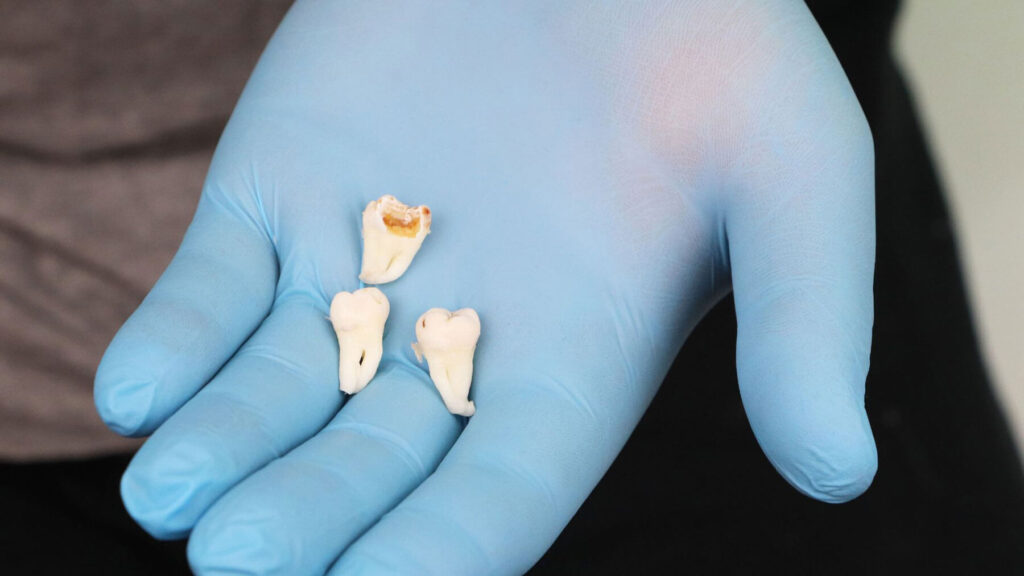
Here are the main things that can act as roadblocks to your healing:
- Smoking or Vaping: This is arguably the biggest no-no. The sucking motion involved can dislodge the crucial blood clot in the socket (leading to a painful dry socket), and the chemicals in tobacco and vape products seriously hinder your body’s ability to heal and fight infection. It literally chokes off blood flow to the healing area.
- Dry Socket: We’ve mentioned this before, but it’s worth repeating. This occurs when the protective blood clot in the socket dislodges too soon, exposing the bone and nerves. It causes intense pain and significantly delays healing, turning a few days of discomfort into weeks. Using straws, forceful spitting, or smoking are common causes. If you suspect a dry socket, call our emergency dentist right away.
- Poor Oral Hygiene (or Too Aggressive Hygiene): While keeping the area clean is vital, being too aggressive can dislodge the clot. On the flip side, not cleaning gently enough can allow food particles and bacteria to build up, leading to infection. Striking the right balance is key. Our exams and cleanings guide you on proper techniques.
- Strenuous Activity: Getting back to intense workouts or heavy lifting too soon can increase blood pressure, which can lead to bleeding at the extraction sites and interfere with the delicate healing process. Give your body the rest it needs.
- Ignoring Post-Op Instructions: Our specific advice on diet, medication, and care is designed to prevent complications. Not following these guidelines can directly lead to a longer recovery.
- Alcohol Consumption: Alcohol can interfere with blood clotting and interact negatively with pain medications. It’s best to avoid it during your recovery.
By diligently avoiding these common pitfalls, you set yourself up for a much smoother and quicker recovery duration for wisdom teeth removal. Our team at Smiles for Health DDS is here to support you every step of the way, ensuring you understand how to navigate your post-operative period for the best possible outcome.
How Can I Heal Faster After Wisdom Teeth Surgery?
Now for the good stuff! If you’re wondering “how to speed up wisdom teeth recovery,” the answer lies in actively supporting your body’s natural healing processes. These quick recovery tips for extraction are designed to minimize discomfort and accelerate your wisdom teeth healing time. At Smiles for Health DDS, we want you to feel comfortable and back to your best self as quickly as possible.
Here’s how you can achieve faster healing after wisdom teeth surgery:
- Prioritize Rest: This is non-negotiable. Your body needs energy to heal. Get plenty of sleep, and avoid strenuous activities like heavy exercise, bending, or lifting for at least 3-5 days. Keeping your head elevated with extra pillows, even while resting, can help reduce swelling.
- Apply a Cold Compress: For the first 24-48 hours, apply ice packs to the outside of your jaw, on and off (e.g., 20 minutes on, 20 minutes off). This dramatically reduces swelling, bruising, and discomfort.
- Gentle Saltwater Rinses (After 24 Hours): Starting the day after your surgery, gently rinse your mouth 2-3 times a day, especially after eating. Use a warm saltwater solution (half a teaspoon of salt in a cup of warm water). The key word here is gentle – just let the water flow around the extraction sites and then carefully lean over the sink to let it drain out, without spitting or vigorous swishing. This helps keep the area clean and promotes healing.
- Stay Hydrated: Drink plenty of fluids like water, clear broths, and non-acidic juices. Staying well-hydrated is essential for your body’s overall function and healing capabilities. Avoid straws, of course!
- Take Medications as Directed: Whether it’s prescribed pain medication or antibiotics, take them exactly as instructed by our Dr. Diana Zorro DDS or our team. Staying ahead of the pain allows you to rest more comfortably, and antibiotics prevent infections that could delay healing.
- Maintain Gentle Oral Hygiene: While you need to be careful around the extraction sites, it’s important to keep the rest of your mouth clean. Gently brush your other teeth and avoid the surgical area for the first few days. Gradually introduce brushing the surgical site with an ultra-soft brush as healing progresses.
By implementing these quick recovery tips for extraction, you’re actively supporting your body’s natural healing abilities. Our commitment to your wellness dentistry extends to guiding you through a comfortable and efficient recovery. If you have any questions or concerns about your wisdom teeth healing time, always feel free to contact us.

What Should I Eat for Faster Recovery?
Your diet after wisdom teeth removal plays a huge role in how quickly you heal and how comfortable you feel. Choosing the right foods is one of the most effective quick recovery tips for extraction. Eating properly helps provide the nutrients your body needs to repair tissues, and it prevents irritation to the surgical sites. At Smiles for Health DDS, we’ll give you specific dietary guidelines, but here’s a general overview of what to eat for faster healing after wisdom teeth surgery:
Here are the best healing foods to help you achieve a quicker recovery duration for wisdom teeth removal:
- Very Soft, Cool Foods (Days 1-3):
- Yogurt (plain, soft): Easy to swallow and a good source of protein.
- Applesauce: Smooth and nutritious.
- Smoothies/Shakes: Blend fruits, vegetables, and protein powder (no seeds!) for a nutrient-dense meal. Remember, use a spoon, not a straw!
- Mashed Potatoes/Sweet Potatoes: Soft and comforting, but let them cool down first.
- Soup (Broth-based, lukewarm): Bone broth is excellent for healing. Avoid chunky or very hot soups initially.
- Pudding/Jell-O: Easy to swallow and hydrating.
- Ice Cream (soft, without bits): A classic comfort food that can also provide some soothing coolness.
- Gradually Introduce Softer Chewing Foods (Days 4-7+):
- Scrambled Eggs: Soft and high in protein.
- Cooked Pasta/Noodles (well-cooked and soft): Easy to manage.
- Soft Fish (like cod or tilapia): Flaky and easy to chew.
- Soft Cooked Vegetables: Well-steamed carrots, green beans, etc.
- Soft Breads (without crusts): Avoid anything that requires tearing or hard chewing.
- Ground Meats (very finely cooked): Like ground chicken or turkey in a soft sauce.
Foods to ABSOLUTELY avoid:
- Hard, Crunchy Foods: Chips, popcorn, nuts, hard candies, crackers – these can get stuck in the socket or dislodge the blood clot.
- Chewy Foods: Steaks, gum, tough breads – these require too much jaw movement and can strain the surgical area.
- Small, Seedy Foods: Berries with small seeds, rice, quinoa – these can easily get trapped in the socket.
- Spicy or Acidic Foods: Citrus juices, tomatoes, hot sauce – these can irritate the healing wound.
- Hot Foods and Drinks: Very hot temperatures can increase swelling and break down the blood clot.
By focusing on these healing foods and avoiding those that hinder recovery, you’ll be giving your body the best chance for faster healing after wisdom teeth surgery. Our Dr. Diana Zorro DDS and the rest of our team at Smiles for Health DDS are here to support your entire post-extraction journey, helping you achieve a quick recovery duration for wisdom teeth removal. If you need any more specific dietary advice or have concerns about your healing, please contact us. We also offer various service options to maintain your smile’s wellness dentistry long-term, from dental sealants to sleep apnea treatment.
When Can I Resume Normal Activities Like Work or Exercise?
After having your wisdom teeth out, one of the biggest questions on your mind is probably, “When can I get back to normal?” Whether it’s returning to work, hitting the gym, or just going about your usual routine, understanding the timeline for how long to speed up wisdom teeth recovery is key. At Smiles for Health DDS, we know you’re eager to resume your life, and we’re here to guide you through the recovery duration for wisdom teeth removal safely, ensuring faster healing after wisdom teeth surgery.
Here’s a general guide for safe reentry timelines based on your procedure type:
- Work:
- Desk Job / Light Duty: For most office jobs or work that doesn’t involve much physical exertion, you can often return after 2-3 days. You might still experience some mild discomfort or swelling, so ease back into it.
- Physically Demanding Job: If your job involves heavy lifting, strenuous activity, or prolonged standing/bending, you should plan to take at least 5-7 days off. Straining too soon can increase blood pressure to the surgical site, leading to bleeding or dislodging the blood clot, which would definitely slow down your wisdom teeth healing time.
- Exercise and Strenuous Activity:
- First 3-5 Days: Absolutely avoid any vigorous exercise. This includes running, lifting weights, intense cardio, or anything that makes your heart rate significantly increase or requires you to bend down repeatedly. These actions can increase the risk of bleeding or, more seriously, lead to a dry socket.
- After 5-7 Days (or When Approved by Dentist): You can slowly reintroduce light exercise, like walking. Listen to your body carefully. If you feel any throbbing, pain, or notice renewed bleeding, stop immediately.
- Full Intensity: It can take 1-2 weeks or even longer before you can safely return to your full exercise routine, especially after complex dental extractions. Always err on the side of caution.
- Other Activities:
- Driving: Do not drive for at least 24 hours after IV sedation or if you are taking prescription pain medication that impairs your judgment.
- Smoking/Vaping: This is a major no-go for at least 72 hours, ideally longer. It drastically slows down healing and increases dry socket risk.
- Using Straws: Avoid straws for at least 5-7 days to prevent dislodging the blood clot.
Remember, every individual’s healing process is unique. Our team at Smiles for Health DDS will give you specific instructions tailored to your procedure and health. If you’re wondering how to speed up wisdom teeth recovery, adhering to these guidelines is crucial for faster healing after wisdom teeth surgery. Don’t push yourself too hard too soon! Your comfort and a smooth recovery duration for wisdom teeth removal are our priorities in wellness dentistry. Contact us if you have any questions.
What Are the Signs That Recovery Is Going Well?
Knowing what to expect during your recovery duration for wisdom teeth removal is just as important as knowing how to speed up wisdom teeth recovery. While some discomfort is normal, recognizing the positive signs of healing can offer peace of mind and confirm that you’re on the path to faster healing after wisdom teeth surgery. At Smiles for Health DDS, we want you to feel reassured that your body is mending properly.
Here are the healthy healing signs that indicate your recovery is going well:
- Decreasing Pain: The most obvious sign! After the first 2-3 days, your pain should gradually lessen each day. You should need less pain medication, and any discomfort should be manageable. This is a primary indicator of good wisdom teeth healing time.
- Reduced Swelling: Swelling typically peaks around days 2-3 and then steadily starts to go down. You’ll notice your cheeks becoming less puffy and your face returning to its normal contours. Consistent reduction in swelling indicates proper recovery duration for wisdom teeth removal.
- Improving Jaw Mobility: While your jaw might be stiff and sore initially, you should gradually find it easier to open your mouth wider each day. This shows that the muscles and tissues are healing without significant inflammation.
- Less Bleeding/Oozing: Any light bleeding or oozing should subside significantly within the first 24-48 hours. By day 3-4, there should be minimal to no blood.
- Formation of a Scab/Clot: You won’t see a traditional scab like on your skin, but a dark blood clot should be present in the extraction socket. This is normal and vital for healing. Over time, new gum tissue will form over this clot. Do NOT pick at it!
- Ability to Gradually Reintroduce Foods: As days pass, you should feel more comfortable slowly transitioning from liquid-only to soft, pureed, and then more solid, easy-to-chew foods. This is a good sign that your wisdom teeth healing time is progressing as expected.
- No Foul Odor or Taste: A clean-smelling mouth (or at least not a foul one) indicates the absence of infection.
If you are consistently seeing these positive signs, it means your body is doing a great job healing and your efforts to speed up wisdom teeth recovery are working! Remember to follow all the quick recovery tips for extraction provided by our team at Smiles for Health DDS. If you have any questions during your recovery, even just for reassurance, please don’t hesitate to contact us. We are dedicated to your wellness dentistry and a successful recovery.

When Should I Call the Dentist During Recovery?
While we’ve covered the positive signs and how to speed up wisdom teeth recovery, it’s equally important to know when something might be going wrong. Recognizing red flags and knowing when to call your dentist is crucial for preventing complications and ensuring your wisdom teeth healing time stays on track. At Smiles for Health DDS, we encourage you to err on the side of caution and reach out to us if you have any concerns during your recovery duration for wisdom teeth removal.
Here are the red flags that mean you should call our office:
- Excessive Bleeding: Some light oozing is normal, but if you have heavy, continuous bleeding that doesn’t stop even after biting firmly on a gauze pad for an hour, or if your mouth is constantly filling with bright red blood, you need to contact us immediately. This can sometimes indicate a problem with the clot at the dental extractions site.
- Fever: Developing a fever (temperature over 100°F or 38°C) at any point after the first 24 hours, especially if accompanied by other symptoms like worsening pain or swelling, is a strong indicator of infection.
- Pus or Foul Odor/Taste: Any visible pus (yellow, green, or white discharge) from the extraction site, or a persistent, very bad taste or smell in your mouth that doesn’t go away with gentle rinsing, points to an infection that needs immediate attention from our emergency dentist services.
- Worsening or Severe Pain: While some pain is normal, if your pain suddenly becomes excruciating, throbbing, or unbearable several days after surgery (especially if it wasn’t that bad initially), and isn’t relieved by your prescribed pain medication, it could be a dry socket. This is a very common reason to need an urgent dental check-in and impacts your wisdom teeth healing time significantly.
- Swelling That Increases After Day 3: Initial swelling is normal, but if your swelling continues to worsen after the third day, or if new swelling appears after it had started to go down, this is a sign of concern and could indicate infection.
- Numbness That Doesn’t Go Away: It’s normal to have temporary numbness from anesthesia. However, if numbness in your lip, chin, or tongue persists for more than 24 hours, it’s important to let us know. While rare, it needs evaluation.
- Difficulty Swallowing or Breathing: While extremely rare, if swelling becomes so severe that it affects your ability to swallow saliva or breathe comfortably, seek immediate medical attention or call our emergency dentist.
Don’t second-guess yourself if you’re worried. When it comes to your recovery duration for wisdom teeth removal, it’s always best to be cautious. Our Dr. Diana Zorro DDS and our dedicated team are committed to your safe and effective recovery and achieving faster healing after wisdom teeth surgery. We’re here to provide the quick recovery tips for extraction you need and ensure your ongoing wellness dentistry. To speak with us directly about your concerns, please don’t hesitate to reach out. Your oral health is our priority – contact us today!
Frequently Asked Questions
What are the most effective ways to speed up wisdom teeth recovery?
To speed up wisdom teeth recovery, follow your dentist’s instructions, use cold compresses to reduce swelling, maintain good oral hygiene, and eat soft foods. Smiles for Health DDS recommends these quick recovery tips for extraction to promote faster healing after wisdom teeth surgery.
How important is rest for faster healing after wisdom teeth surgery?
Rest is crucial for faster healing after wisdom teeth surgery. Smiles for Health DDS advises limiting physical activity and getting plenty of sleep to help your body recover efficiently.
Can certain foods help speed up wisdom teeth recovery?
Yes, soft, nutritious foods rich in vitamins and protein support tissue repair. Smiles for Health DDS suggests incorporating these foods as part of how to speed up wisdom teeth recovery.
Is it helpful to use saltwater rinses during recovery?
Gentle saltwater rinses can reduce bacteria and promote healing. Smiles for Health DDS includes this as an important tip for faster healing after wisdom teeth surgery.
How does avoiding smoking impact wisdom teeth recovery speed?
Avoiding smoking significantly speeds up recovery since smoking delays healing and increases infection risk. Smiles for Health DDS stresses this in all quick recovery tips for extraction.
Are pain medications helpful in speeding up wisdom teeth recovery?
Pain medications manage discomfort but don’t directly speed healing. Smiles for Health DDS recommends them to maintain comfort, which supports faster healing after wisdom teeth surgery.
How soon should I start gentle mouth rinses after surgery?
Mouth rinses are usually recommended 24 hours after surgery to keep the area clean and aid recovery. Smiles for Health DDS advises timing rinses properly for effective healing.
Can ice packs really reduce swelling and speed recovery?
Yes, applying ice packs in the first 24-48 hours reduces swelling and discomfort, helping speed up wisdom teeth recovery. Smiles for Health DDS includes this in their fast healing recommendations.
How long does it usually take to fully heal after wisdom teeth removal?
Full recovery typically takes about 1 to 2 weeks. Smiles for Health DDS helps patients set realistic expectations for recovery duration and how to speed up wisdom teeth recovery.
Does hydration affect how quickly I recover from wisdom teeth extraction?
Staying hydrated helps flush toxins and supports tissue repair. Smiles for Health DDS advises drinking plenty of water as part of fast recovery tips for extraction.
Can exercise delay wisdom teeth recovery?
Yes, intense exercise can increase blood flow and swelling, potentially delaying healing, which slows faster healing after wisdom teeth surgery.
Are there any supplements known to speed up oral tissue healing?
Vitamins C and D, zinc, and calcium may support healing but should be used under doctor supervision as part of how to speed up wisdom teeth recovery.
How does oral hygiene affect the speed of wisdom teeth recovery?
Good oral hygiene prevents infection and speeds healing, but care must be taken near the extraction site to follow quick recovery tips for extraction safely.
Can stress impact how fast I recover after wisdom teeth surgery?
High stress levels may impair immune function, potentially slowing recovery and delaying faster healing after wisdom teeth surgery.
When should I contact my dentist if recovery seems slow?
If swelling, pain, or bleeding worsens after several days, or if you develop a fever, contact your dentist promptly for guidance on how to speed up wisdom teeth recovery.