



If you’re thinking about alcohol after tooth extraction, the safest move is to wait—especially during the first 24–48 hours. A stable blood clot protects the socket and helps healing start strong. Therefore, anything that disrupts that clot can raise your risk of pain and delayed recovery.

Alcohol After Tooth Extraction: Why Dentists Recommend Waiting
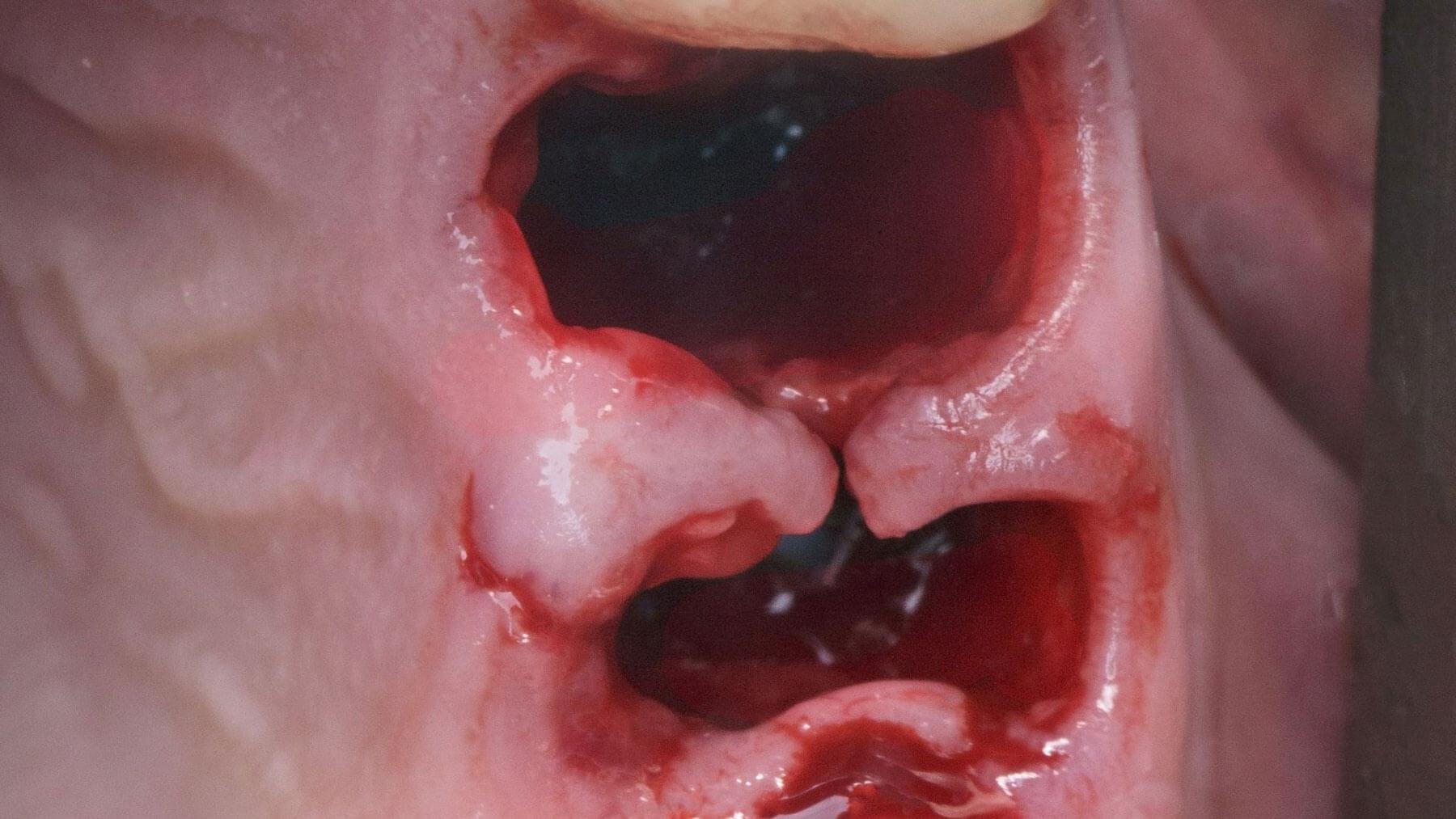
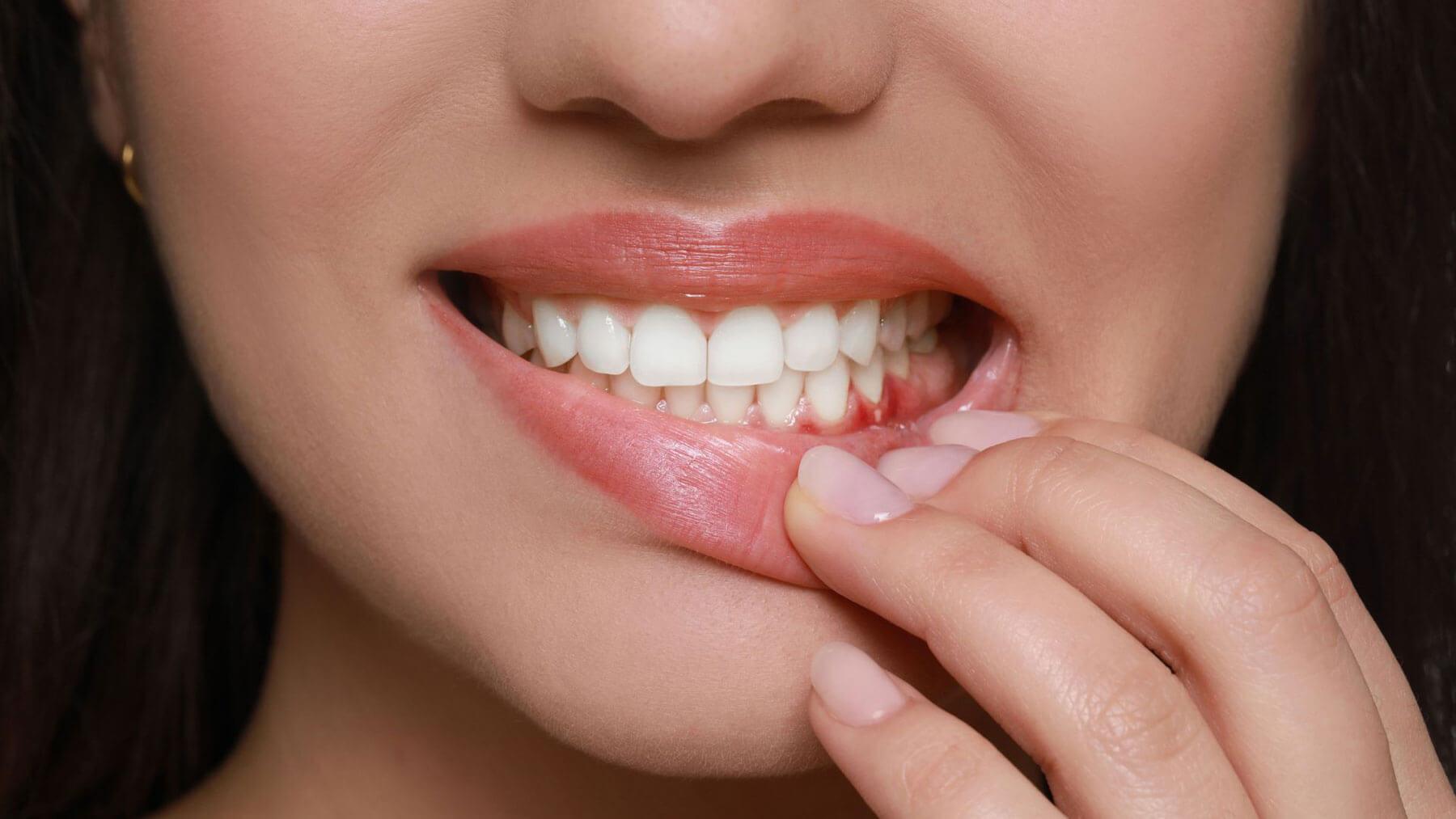
After a tooth is removed, your body forms a blood clot in the socket. That clot acts like a natural “bandage.” However, alcohol can increase the chance of bleeding, irritation, and poor clot stability. As a result, some patients develop dry socket, which can be very painful and slow healing. MedlinePlus explains that dry socket happens when the clot is lost or doesn’t form well, exposing bone and delaying healing.
For general extraction aftercare reminders (gentle rinsing, avoiding straws, and what’s normal), the ADA’s MouthHealthy extraction guide is a solid patient resource.
Alcohol After Tooth Extraction: What Can Happen If You Drink Too Soon
Drinking early can cause problems that feel bigger than “just one drink.” For example, the extraction site may start bleeding again, or the socket may become painfully sensitive if the clot breaks down. Moreover, if you’re taking prescription pain medication, alcohol can make side effects more dangerous. The NIDCR specifically warns: never use alcohol when taking an opioid medication.
How Long Should You Avoid Alcohol?
Many patients are told to wait at least 48 hours, and sometimes 72 hours or longer for surgical extractions or wisdom teeth. Still, the safest guideline is simple: wait until you’re off strong pain meds, swelling is improving, and your dentist confirms healing is on track.

Safe Drinks Instead (And What To Skip)
Hydration helps recovery; therefore, choose drinks that won’t irritate the socket.
🥤 Best choices: water, electrolyte drinks, cool smoothies (no straw), lukewarm broths.
🚫 Skip for now: alcohol, very hot drinks, acidic juices that sting, and anything carbonated if it irritates you.

Tips To Protect The Clot And Heal Smoothly
Small habits make a big difference in the first couple days.
✅ Bite gently on gauze as directed; therefore, bleeding slows and the clot stabilizes.
🧊 Use a cold compress on and off; however, avoid heat on day one.
🥣 Stick to soft foods; moreover, chew away from the extraction side.
🚫 Avoid straws and vigorous rinsing early; as a result, the clot is less likely to dislodge.

Alcohol After Tooth Extraction, When To Call Smiles For Health DDS
If pain suddenly worsens after a few days, or you notice a bad taste, new swelling, or persistent bleeding, reach out. In other words, we’d rather check you early than have you push through something that needs help.
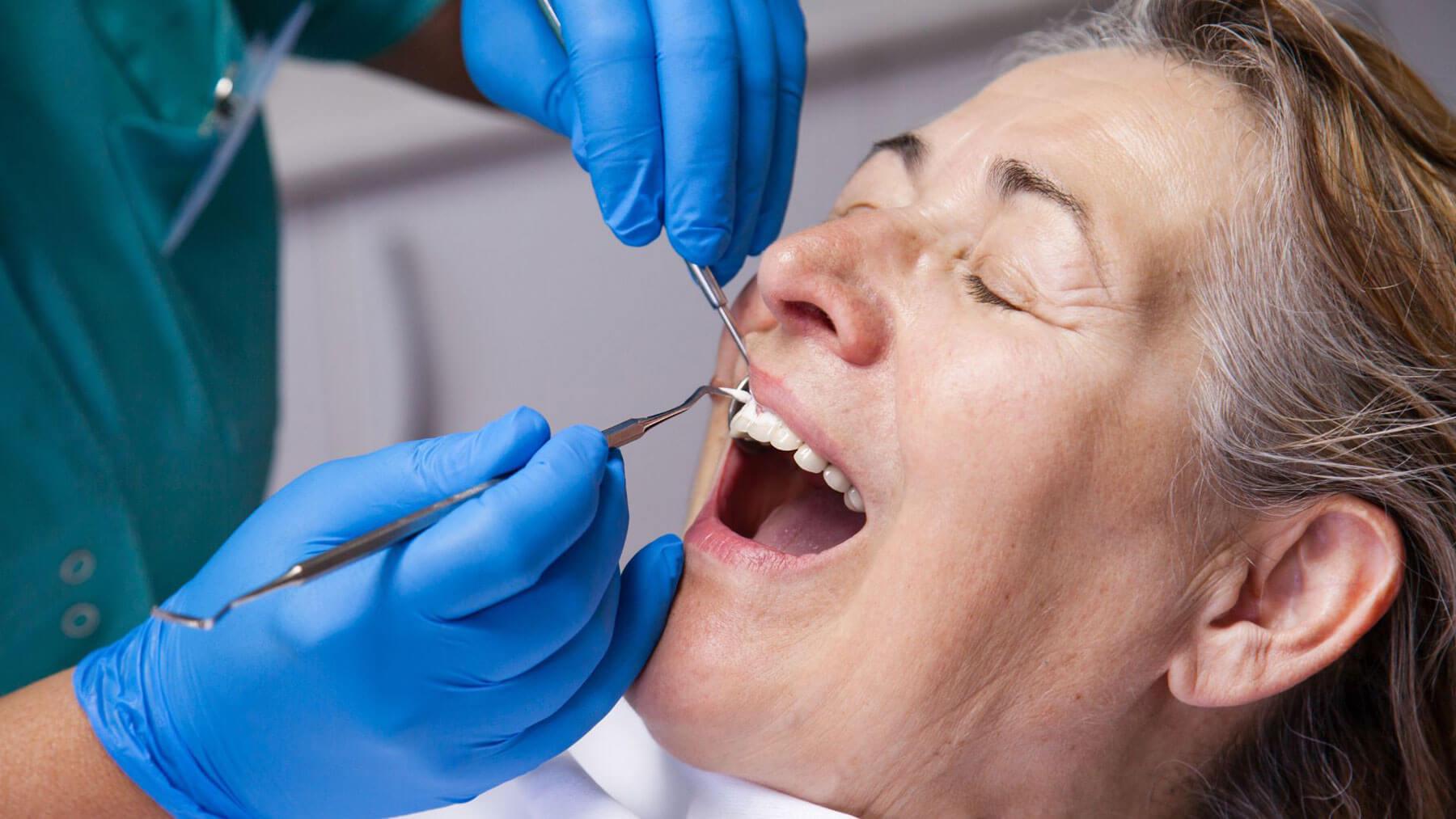
Questions about alcohol after tooth extraction or your healing timeline? Schedule an appointment with Smiles For Health DDS in Carlsbad, CA, and we’ll guide your recovery step by step.
Frequently Asked Questions
Is it risky to drink in the first 24 hours?
Yes; therefore, waiting helps protect the clot during the most fragile window.
Does the type of alcohol matter (beer vs. wine)?
Not much; in other words, alcohol can still irritate tissues and affect healing.
What if I’m taking prescription pain medication?
Avoid alcohol completely; moreover, it’s unsafe with opioids.
Can alcohol increase the chance of dry socket?
It may; consequently, dentists often recommend waiting to reduce risk.
What can I drink at a social event instead?
Choose water or an electrolyte drink; meanwhile, skip anything that burns or stings.
If I had stitches, should I wait longer?
Often yes; therefore, follow your dentist’s specific timeline.
I drank by accident—what should I do?
Stop drinking, hydrate, and monitor symptoms; however, call if bleeding or pain increases.
When is it usually safer to drink again?
Many people wait 48–72 hours; therefore, use your dentist’s advice as the final word.