
How to Fix a Chipped Tooth
A chipped tooth can happen fast. For example, you might bite ice, crunch a hard candy, or get hit during sports. However, chips can also come from smaller problems that build over time. In other words, a tooth may already be weak before it breaks. So, if you’re wondering how to fix a chipped tooth, the first step is simple: figure out how deep the chip is and whether the tooth is sensitive or painful.
🧩 What Causes a Tooth to Chip?
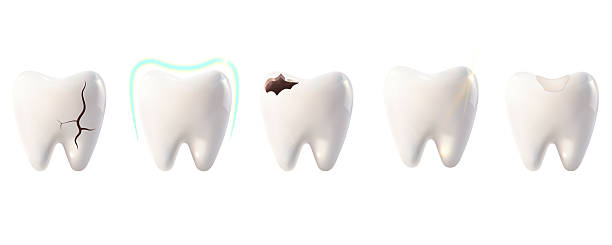
A tooth can chip from a sudden impact. However, it can also chip because the enamel is thinner or the tooth is already cracked. In other words, it’s not always a “big accident”—sometimes the tooth was already under stress.
For example, common causes include biting hard objects (ice, nuts, hard candy). Also, accidents or sports injuries can break an edge in seconds. Meanwhile, teeth grinding (bruxism) slowly wears enamel down, so chips happen more easily. In addition, large cavities or big fillings can weaken the tooth, which makes it more likely to break. Likewise, old crowns or fillings that are failing may leave the tooth unsupported. Finally, age-related wear can make teeth more brittle over time.
Because chips often relate to hidden weakness, a quick exam helps confirm the cause—and more importantly, it can help prevent the next break.

🦷 Is a Chipped Tooth an Emergency?
Sometimes it is. For instance, if you have strong pain, bleeding, swelling, you should be seen quickly. Also, if the chip exposes deeper layers, bacteria can get in and cause decay or infection.
Seek urgent care if you notice:
- Severe or worsening pain
- Swelling in the gums, face, or jaw
- Fever, bad taste, or pus
- A crack that keeps spreading
- A tooth that feels “loose”
🛠️ Best Treatments for a Chipped Tooth
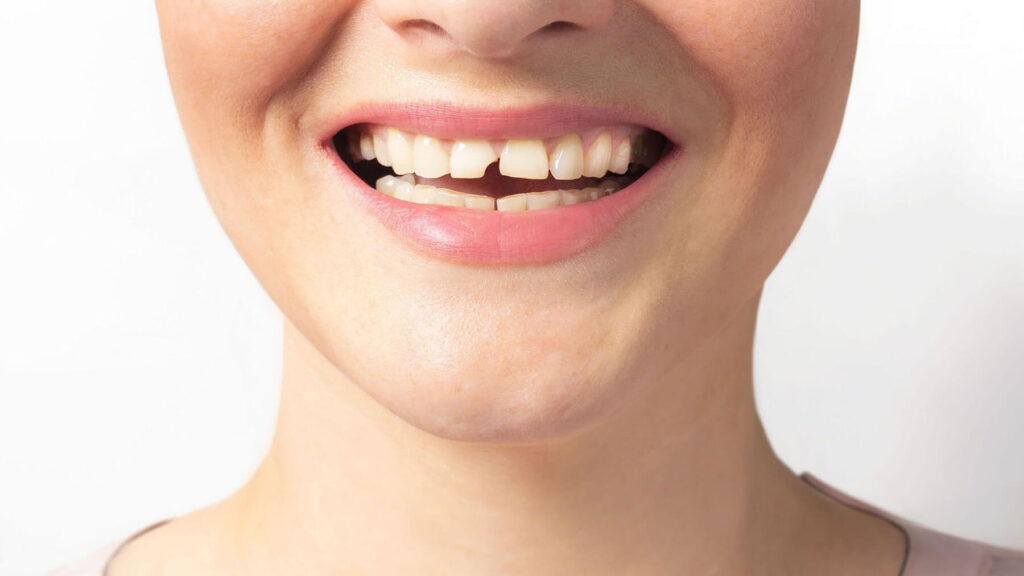
The best fix depends on how much tooth structure is missing and where the chip is located. So, dentists usually choose the most conservative option that still protects the tooth long-term.
✨ Dental Bonding (Best for small chips)
Bonding uses tooth-colored resin to rebuild the edge. Because it’s fast and minimal, it’s often done in one visit. It’s ideal for minor cosmetic chips, especially on front teeth.
🧩 Veneers (Great for visible front-tooth chips)
A veneer covers the front of the tooth with a thin shell. Therefore, it can fix a chip while also improving shape or color. Veneers are a strong cosmetic option when you want a longer-lasting upgrade.
👑 Crowns (Best for larger chips or weak teeth)
A crown covers the entire tooth. As a result, it protects the tooth from cracking further and restores chewing strength. Crowns are often best when a chip is large or the tooth already has heavy fillings.
🧠 Root Canal (Only if the nerve is involved)
If the chip reaches the pulp (nerve), a root canal may be needed first. Then, a crown usually follows to prevent reinjury.
🦿 Implant (If the tooth can’t be saved)
If a tooth breaks too far down, replacement may be necessary. In that case, an implant can restore function and appearance.

⏱️ Can a Dentist Fix a Chipped Tooth in One Visit?
Often, yes. For example, bonding and minor smoothing can usually be done in one appointment. However, veneers and crowns usually need two visits, since they require custom lab work (unless you have same-day crown technology).
So, one-visit fixes are common for small chips, while bigger damage takes a little longer.

💳 How Much Does It Cost to Repair a Chipped Tooth?
- Bonding is usually the lowest-cost option.
- Veneers and crowns cost more because they are custom restorations.
- A root canal + crown costs more because it treats deeper damage.
Also, insurance may help if the chip affects function—not just appearance.

⚠️ What Happens If You Leave a Chipped Tooth Untreated?
Even if the chip seems small, it can get worse. Over time, sensitivity increases, and cracks can spread. In addition, exposed dentin can lead to decay that reaches the nerve.
That’s why early repair matters. A simple fix now can prevent a bigger problem later.

If you chipped a tooth and you’re not sure how serious it is, book an exam at Smiles for Health DDS in Carlsbad. We’ll check the chip depth, your bite, and your risk of cracking again—then explain your best option clearly.
Frequently Asked Questions
What can I do right away if I have tooth chips
First, rinse with warm water. Then, use a cold compress if swelling starts. If there’s a sharp edge, cover it with dental wax or sugar-free gum until you’re seen.
Which repairs work best for front teeth?
Front-tooth chips are often treated with bonding or veneers. The right choice depends on how big the chip is and whether you want a cosmetic upgrade.
Is bonding a good option for small chips?
Yes. Bonding is quick, natural-looking, and conservative. It’s often the easiest fix for minor damage.
When is a crown a better choice?
A crown is usually better when the chip is large, the tooth is weak, or there’s a big old filling. It adds strength and lowers the risk of future fractures.
Can a chipped tooth heal by itself?
No. Teeth don’t regrow. However, quick professional repair can stop the damage from spreading.
How to fix a chipped tooth if the chip causes pain?
Pain indicates deeper damage that needs urgent care. Smiles for Health DDS stresses that how to fix a chipped tooth with pain involves more advanced chipped tooth repair options like crowns or root canal treatment for a chipped tooth.
How long does bonding usually last?
Bonding commonly lasts years with good habits. Still, it can chip again if you bite hard objects or grind your teeth.
Will insurance help with the cost?
Often yes, especially if the damage affects function. Coverage varies by plan, so it’s worth checking.