


Stress And Oral Health: What Your Mouth May Be Signaling
Stress and oral health are more connected than most people realize. When stress stays high, your body shifts into “survival mode”; as a result, you may clench your jaw, grind at night, mouth-breathe, or produce less saliva. Therefore, symptoms like tooth sensitivity, persistent bad breath, irritated gums, and TMJ discomfort can show up—even if you’re brushing daily.
👀5 Signs Stress May Be Affecting Your Mouth
When stress ramps up, your mouth is often the first to show it—yet a lot of people brush it off as “just normal.” Stress and oral health are closely connected, and your mouth can show early warning signs before you realize what’s going on. Here are a few common signs worth paying attention to:
1) Stress and Oral Health: Bruxism (Clenching or Grinding)
Grinding can flatten edges, create micro-cracks, and trigger sensitivity; moreover, you may wake up with facial fatigue or headaches. In other words, it’s not just a “bad habit”—it’s repeated force overload.
2) Dry Mouth (Xerostomia)
If you produce less saliva, your mouth loses a key line of defense—so the risk of cavities, irritation, and discomfort goes up. This is a common stress and oral health connection:which then raises your risk for other issues
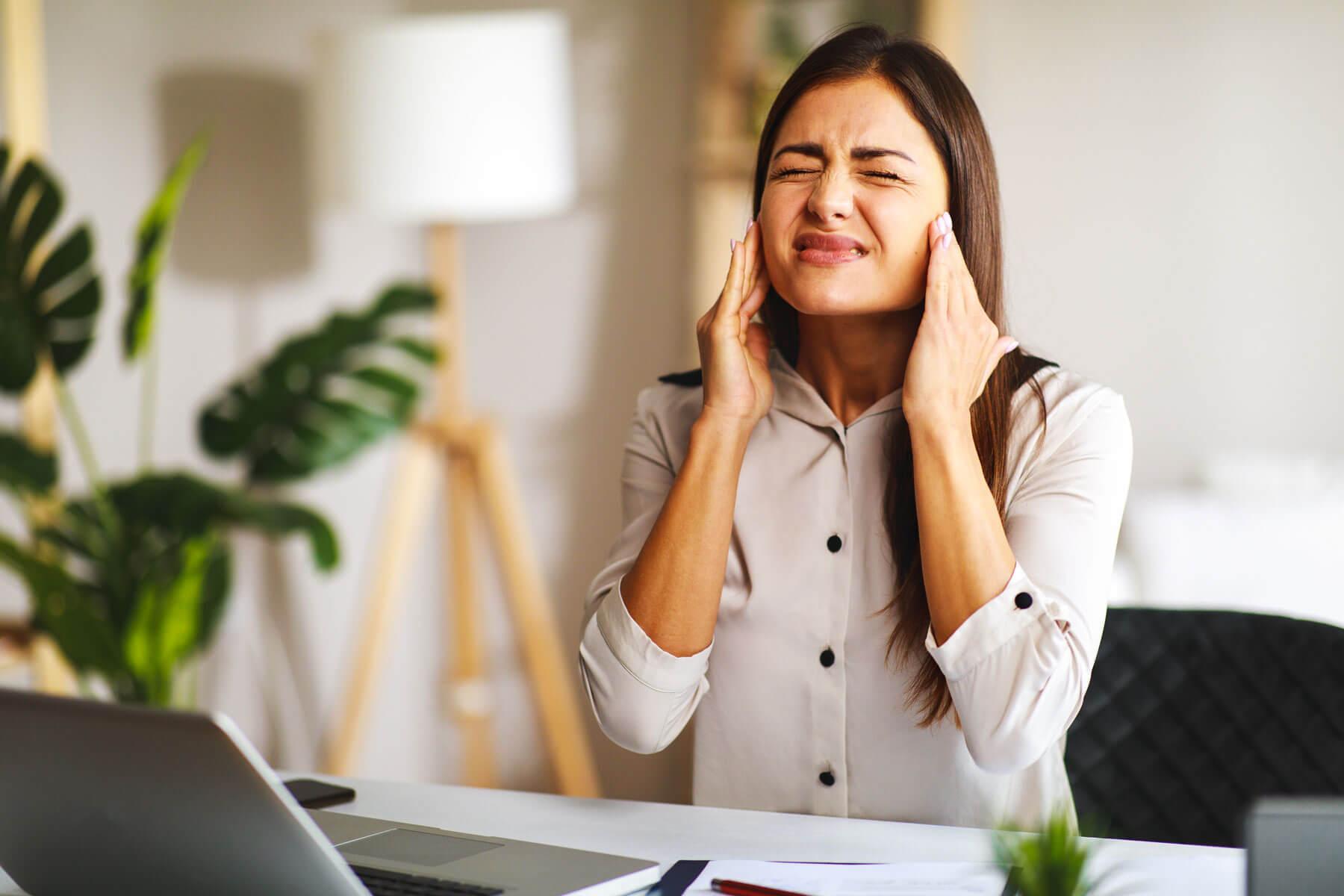
3) Jaw Pain, Clicking, or Tightness—Often Stress-Related (TMJ/TMD Symptoms)
If your jaw clicks, feels stiff, or hurts when chewing, muscles and the jaw joint may be involved. In addition, stress can increase muscle tension, which makes symptoms feel worse.
4) Persistent Bad Breath
Sometimes bad breath is related to plaque; however, it can also get worse when your mouth is dry. So if mouthwash is only “masking” the problem, it’s time to look at the root cause—and the habits behind it.
5) Stress and Your Gums: Bleeding or Irritation When You Brush
Bleeding isn’t “normal”—it’s usually a sign of inflammation. And when stress becomes chronic, daily routines tend to slip, making plaque buildup more likely. As a result, your gums react: they can become red, tender, and may start to bleed.
😣Stress And Oral Health: Why Your Teeth Can Hurt Even When Nothing “Looks Wrong”
This is one of the most common misconceptions we clarify during exams.
Many times, the pain comes from muscle overload due to clenching—or from increased sensitivity related to dry mouth. That’s why it can feel “dental,” even when the main cause is muscular.
That said, it’s important not to assume. Pain when biting, sharp sensitivity to hot or cold, or a very localized “zing” could also point to a small crack or early decay.
A clinical evaluation helps us identify the true source. At Smiles for Health in Carlsbad, we take a wellness approach—focused on prevention, functional treatment, and natural-looking aesthetics if needed—so the issue doesn’t quietly get worse.
Rule of thumb: if pain lasts more than 48–72 hours, intensifies, or wakes you up at night, schedule a priority exam.

🔁Stress and Oral Health: Dry Mouth, Decay, and Bad Breath Explained
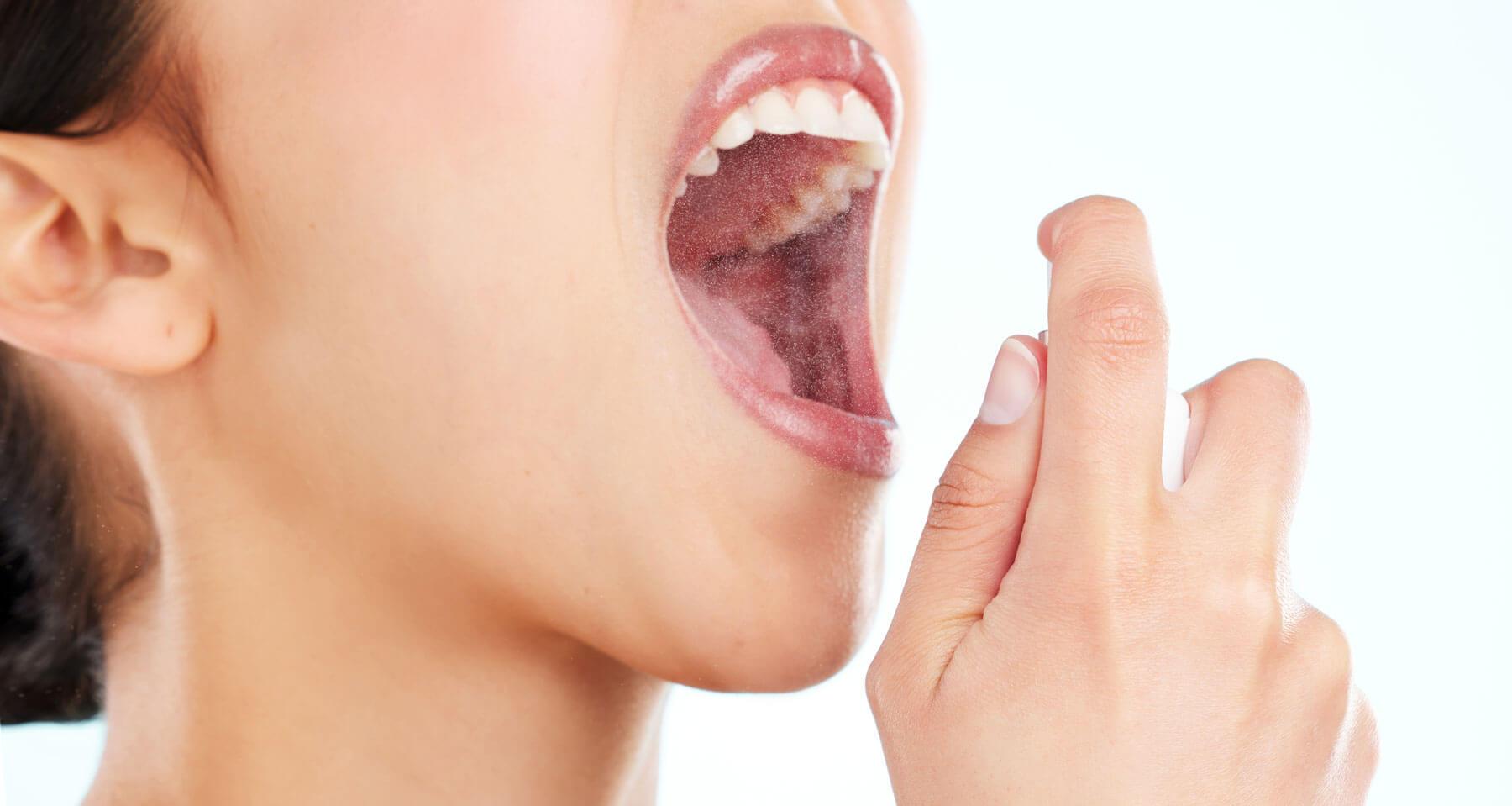
When your mouth feels dry frequently, saliva can’t fully do its job—protecting your teeth, neutralizing acids, and helping control bacteria. As a result, the risk of cavities increases and gum irritation can become more noticeable.
Chronic stress can also disrupt sleep and daily routines. You may find yourself snacking more often, skipping flossing, or drinking more coffee. Over time, this can lead to more plaque buildup, increased sensitivity, and bad breath that doesn’t improve with mouthwash alone.
If you’ve been avoiding the dentist out of fear, we understand. Ongoing dryness may seem minor, but addressing it early can prevent bigger issues. For now, avoid alcohol-based mouthwashes and stay well hydrated.
At Smiles for Health in Carlsbad, we guide you with a wellness-focused approach—explaining every step so you feel informed, calm, and in control.
😬 Stress-Related Teeth Grinding: What Actually Helps
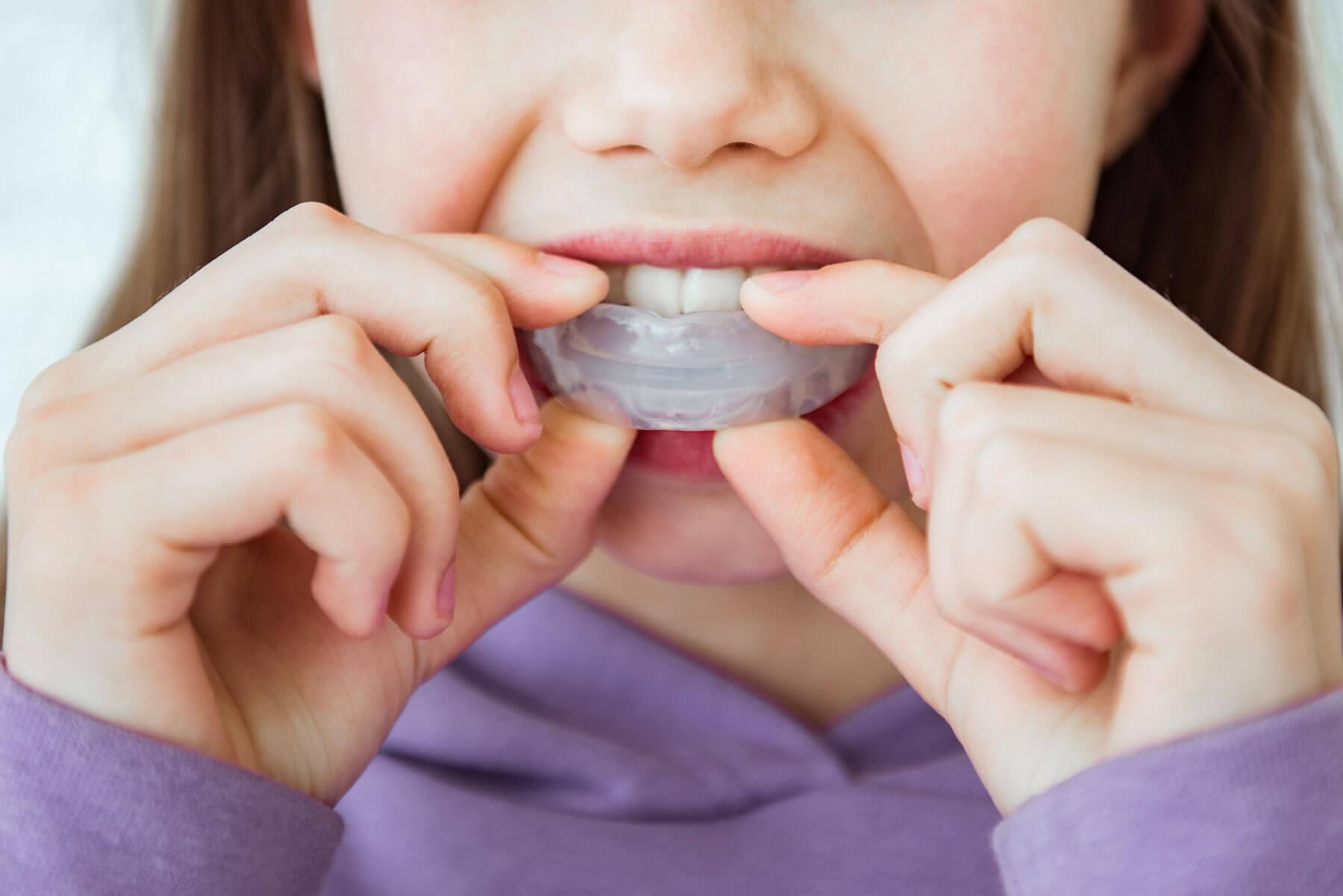
Stress and oral health are closely connected, and they often manifest through anxiety. The ADA notes that bruxism (clenching or grinding your teeth) can be linked to stress and anxiety. That said, other factors—such as sleep quality and your bite—can also play a role, so it’s worth having an evaluation to see the full picture.
What tends to help most in real life:
- Custom night guard: Helps protect your enamel and reduce the force on your teeth—made to fit your bite (fully personalized).
- A short wind-down routine (5–8 minutes): Guided breathing + gentle stretching. A calmer body often means a calmer jaw.
- Less caffeine/alcohol at night: If you notice they make it worse, taper down gradually—basically, test and track what changes.
- Daytime “jaw resets”: Lips together, teeth apart, tongue resting lightly on the palate—while keeping your shoulders down and relaxed.
🧊🔥How Stress Shows Up in Your Teeth and Jaw
TMJ/TMD symptoms can feel like ear pain, facial tightness, or difficulty opening your mouth—and they can come and go for weeks. The Mayo Clinic suggests simple self-care steps like avoiding clenching, skipping gum chewing, and using heat or ice depending on your symptoms.
What you can do today (without overthinking it):
- Use a warm compress on the area for at least 10 minutes.
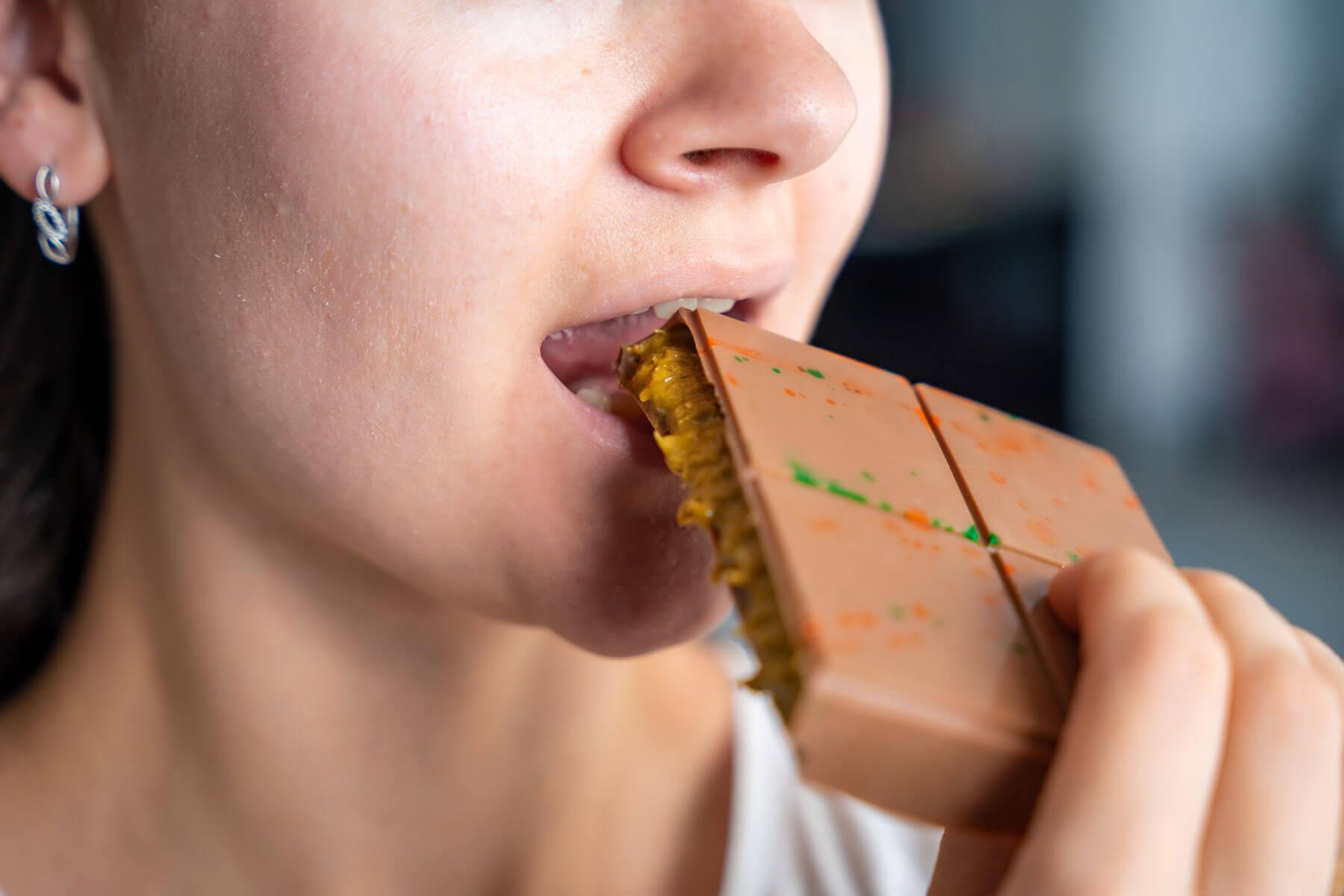
- Avoid chewing gum, ice, and hard foods for a few days to give the joint a chance to rest.
- Resting posture: tongue on the roof of your mouth, teeth slightly apart, jaw relaxed.
If the pain is intense or you’re having trouble opening your mouth, schedule a visit at Smiles for Health in Carlsbad, CA. We’re here with human-centered care, no rush and no pressure—and bilingual support so you feel heard, comfortable, and in control.
✅ A Practical 7-Step Plan To Protect Your Mouth
You don’t need perfection. You need consistency. Here’s a realistic way to start.
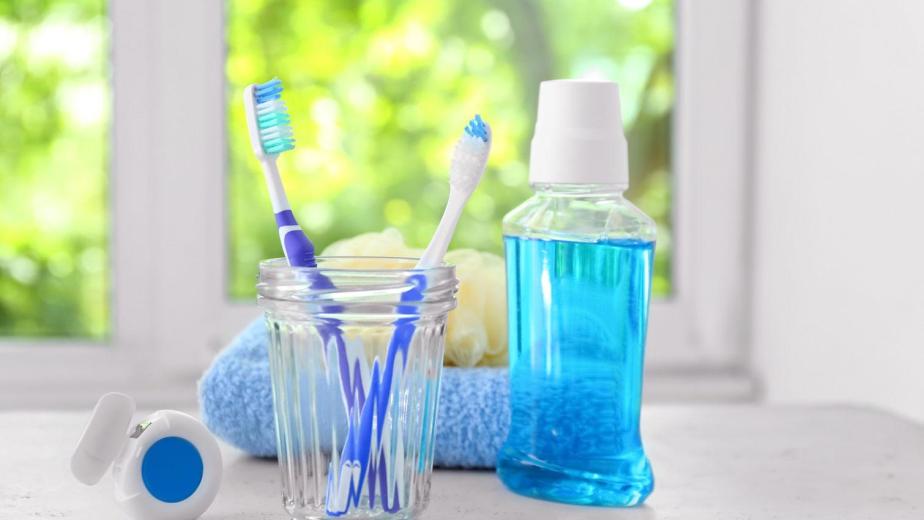
- Brush twice a day with fluoride toothpaste, and floss at least once daily.
- If you have dry mouth, focus on hydration and avoid alcohol-based mouthwashes (they can make dryness worse).
- If you feel jaw tension, use warm compresses and practice jaw rest several times a day.
- If you suspect bruxism, consider a custom night guard and have any tooth wear checked.
- Cut back on frequent “snacking/sipping” of acidic or sugary foods and drinks—it helps reduce ongoing acid exposure.
- Prioritize sleep—poor rest often makes tension worse.
- Use simple stress tools (breathing, short breaks, movement, journaling).
If you’re noticing sensitivity + dryness linked to habits or medications, this post may help you connect the dots.

When To Book A Dental Visit In Carlsbad 📍
If stress is quietly affecting your smile, you don’t have to figure it out alone.”In our Carlsbad office, we often help patients who didn’t realize their jaw tension or tooth sensitivity were stress-related. Once we identify the pattern, we build a calm, realistic plan together.”
Frequently Asked Questions
Can stress affect your gums?
Yes—and it can also worsen habits and increase plaque buildup. As a result, the gums become inflamed and may bleed more easily.
Does a night guard help stress clenching?
It can be very helpful; however, it needs to be custom-made to properly protect the enamel and reduce overload more effectively.
How does chronic stress affect oral health conditions?
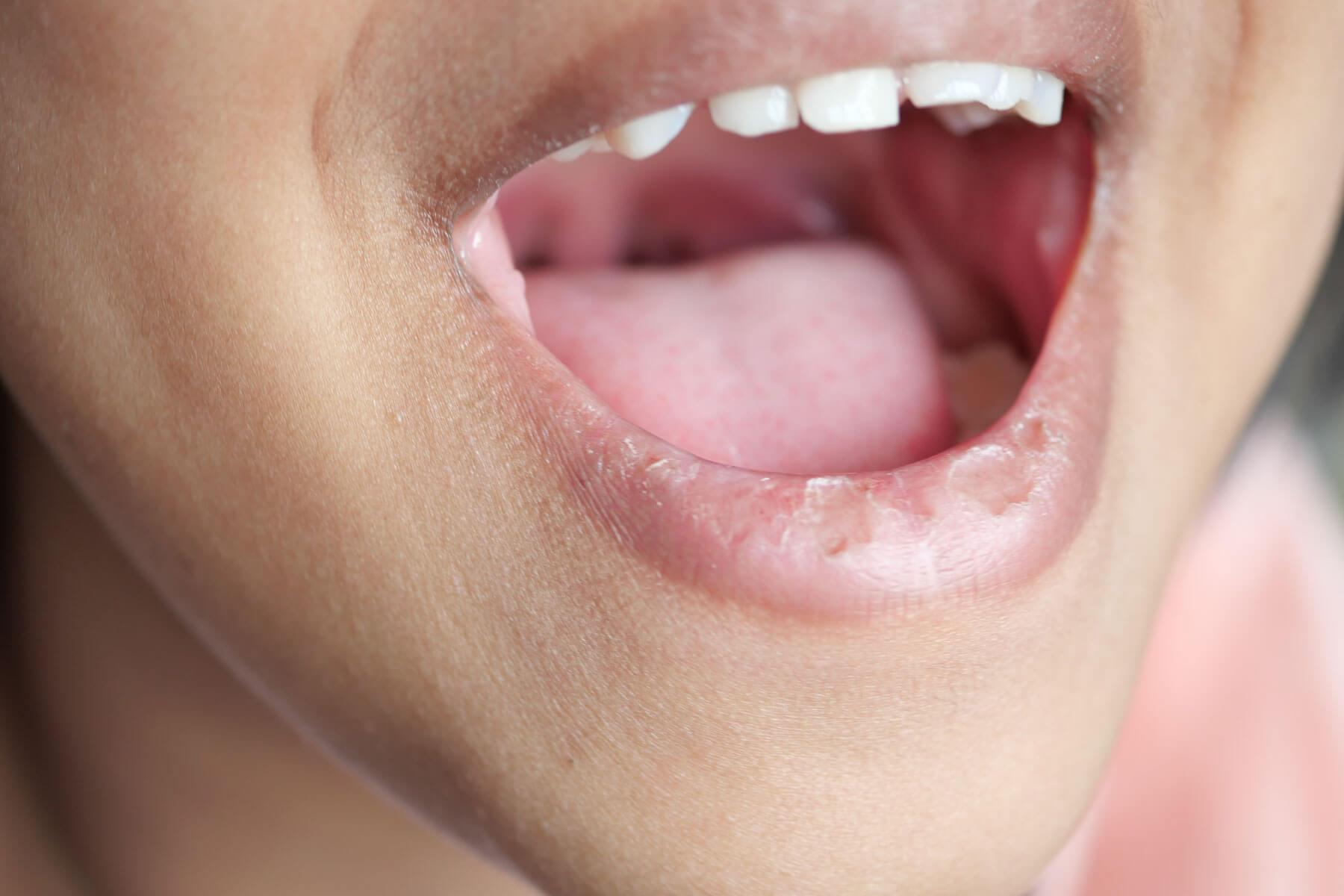
Stress can lead to clenching, grinding, dry mouth, and mouth sores. Over time, those changes can affect your comfort and your smile.
What are the options for treating dry mouth linked to anxiety?
Staying hydrated can help, but ongoing dry mouth should be checked. A dental visit can help you find the cause and protect your teeth from added wear.
Are there effective over-the-counter remedies for stress-related canker sores?
Yes. Some rinses and gels can help ease discomfort while the sore heals. If they keep coming back, it is a good idea to have them evaluated.
How can I find a dentist experienced in treating stress-related TMJ disorders?
Look for a dentist who checks jaw tension, tooth wear, and clenching habits. A consultation can help you understand whether stress may be affecting your jaw and what options may help.
Can stress cause teeth grinding without me noticing?
Yes. Many people grind or clench their teeth during sleep without realizing it. If you wake up with jaw tension, headaches, or sore teeth, it may be worth checking.
Can stress make jaw pain worse?
Stress can increase jaw tension and make TMJ discomfort feel worse. A visit can help you understand what is causing the strain and how to relieve it.


0 Comments