How Long Until a Tooth Infection Kills You

Stay inspired. Stay smiling.

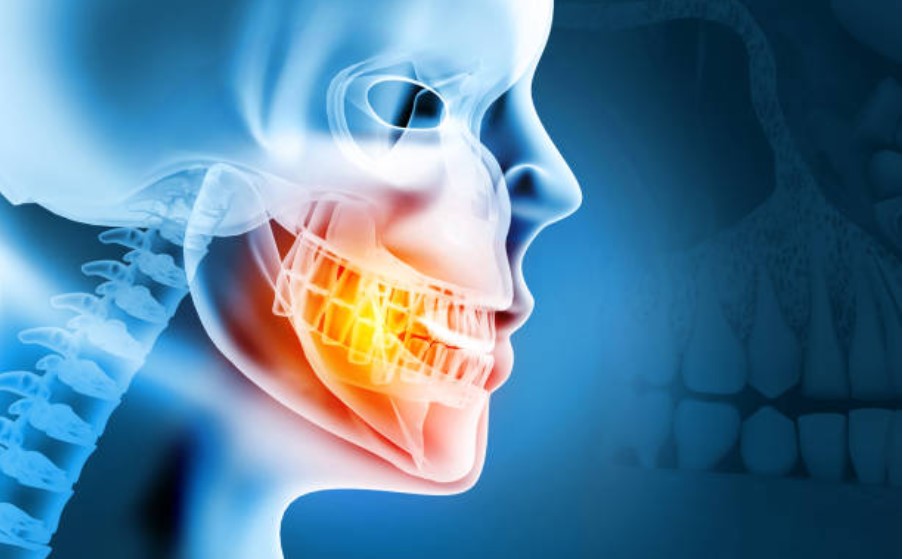
A tooth infection is a serious condition that can evolve from a minor annoyance into a life-threatening emergency if you ignore the warning signs. Many people underestimate the potential dangers of a seemingly simple toothache, believing it will resolve on its own. The reality is that an untreated dental abscess is a ticking time bomb, capable of spreading a dangerous infection throughout your entire body. When bacteria from the infected tooth escape into the bloodstream, they can travel to vital organs, including your heart, lungs, and brain. This is why knowing how long until a tooth infection kills you isn’t just a curiosity—it’s a question of life and death. The speed at which a dental infection can escalate depends on various factors, such as the location of the abscess, your overall health, and the type of bacteria involved. A small, contained infection might take weeks or even months to cause significant problems, while a more aggressive one can lead to a severe systemic issue, known as sepsis, in a matter of days. We are here to help you understand these risks and provide a clear path to urgent care.

The grave risks associated with an untreated tooth infection go far beyond just a bad tooth. The bacteria can enter your jawbone, causing osteomyelitis, a painful and difficult-to-treat bone infection. It can also lead to a dangerous condition called Ludwig’s angina, a rapidly spreading cellulitis of the floor of the mouth that can obstruct your airway, making it difficult to breathe. This particular complication is one of the most frightening aspects of a dental infection and can require immediate hospitalization. The bacteria might also travel to your heart, causing infective endocarditis, a life-threatening inflammation of the heart’s inner lining and valves. This is especially true for individuals with pre-existing heart conditions. Another serious risk is the formation of a brain abscess. While rare, a brain abscess is a medical emergency that can lead to permanent neurological damage or even death. These potential outcomes highlight why you can’t afford to ignore a dental abscess. It’s not just a toothache; it’s a full-body health risk. At Smiles for Health DDS, we want you to be aware of these dangers so you can take prompt action. Learn more about how we can help with these painful issues by exploring our comprehensive dental extractions service.

Ignoring a tooth infection can also lead to more widespread systemic problems. As the bacteria multiply, your body’s immune system goes into overdrive, leading to constant inflammation. This chronic inflammation is linked to other serious health issues, including an increased risk of stroke and heart disease. For individuals with compromised immune systems, such as those with diabetes or who are undergoing chemotherapy, a tooth infection can be particularly devastating. It can lead to severe complications, including diabetic ketoacidosis or a worsening of their underlying medical condition. The takeaway here is clear: a tooth infection is never just a localized problem. The bacteria and the inflammatory response they trigger can have ripple effects throughout your entire body, compromising your overall health and well-being. A tooth infection, if left untreated, can have a tooth infection timeline that goes from painful to life-threatening in an alarmingly short amount of time. Don’t take that risk; schedule an appointment with us to assess your dental needs right away. We are committed to providing the best possible care, and our team at Smiles for Health DDS is always ready to assist you.

We understand that you might feel scared or overwhelmed by this information. The most important thing to remember is that you are not helpless. By recognizing the potential dangers of a tooth infection and acting quickly, you can avoid these serious complications and protect your health. Our team at Smiles for Health DDS is dedicated to providing immediate and effective care for dental emergencies. Whether you’re experiencing a minor toothache or a severe dental abscess, we have the expertise and the technology to diagnose and treat the problem quickly and efficiently. We will work with you to create a personalized treatment plan that addresses the infection and restores your oral health. You don’t have to face this alone. To understand how we can help you prevent future infections, you may want to check out our information on preventive dentistry. Our goal is to make sure you have the information and resources you need to stay healthy.

When considering how fast can a tooth infection spread, the answer is that it can spread with surprising speed. The longer you wait, the more difficult the infection becomes to treat and the higher the risk of serious health complications. This is why we urge you not to wait. If you are experiencing any symptoms of a tooth infection, such as severe pain, swelling, fever, or a bad taste in your mouth, please contact us immediately. We offer flexible scheduling and will work to get you in as soon as possible. Your health is our top priority, and we are committed to providing you with the care you need, when you need it most. Our team is here to answer your questions and help you make the right decisions for your oral and overall health. Please don’t let fear or uncertainty prevent you from seeking help. Your health is too important. Contact us today to get immediate care for your dental emergencies so you can get back to feeling like yourself again. Our professional team at Smiles for Health DDS is here to help you.

What Is the Typical Tooth Infection Timeline?

The progression of a tooth infection can feel a little different for everyone, but there’s a general tooth infection timeline that most people experience. This timeline starts with a seemingly innocent toothache and can quickly escalate into a more severe and dangerous condition if not properly addressed. Initially, the pain might be intermittent and mild, something you can easily ignore with over-the-counter pain relievers. You might feel a dull ache when chewing or when your tooth is exposed to hot or cold temperatures. This is the first warning sign that something is wrong. At this stage, the infection is likely confined to the pulp of the tooth. It’s important to remember that this pain is your body’s way of telling you to seek professional help. Brushing it off can lead to a much more painful and complicated situation down the line. We encourage you to listen to your body and act promptly to prevent the infection from spreading.

Within a few days, that dull ache can turn into a sharp, persistent, and throbbing pain. The pain may even radiate to your jaw, ear, or neck, making it difficult to sleep or concentrate. This is often an indication that the infection has progressed, forming an abscess at the root of the tooth. An abscess is a pocket of pus that forms as your body’s immune system fights the invading bacteria. It’s at this point that you might notice swelling around the affected tooth or on your gums, face, or neck. You may also develop a fever or feel generally unwell. This is a critical point in the tooth infection timeline, as the infection is no longer confined to the tooth itself. Ignoring these symptoms is extremely risky. It’s also crucial to understand that even if the pain temporarily subsides, the infection hasn’t gone away. A sudden absence of pain can mean the abscess has ruptured, which might provide temporary relief but allows the bacteria to spread more easily throughout your body.

How Does The Tooth Infection Timeline Progress?

  • Day 1-3: You might feel a mild, intermittent ache. The pain might be triggered by hot or cold foods.
  • Day 4-7: The pain becomes more severe and constant. You might notice swelling and an unpleasant taste in your mouth.
  • Week 2-4: The infection can spread beyond the tooth. You might experience fever, fatigue, and widespread swelling in your face or neck. This is where the risk of serious complications increases dramatically, and it’s essential to understand how long until a tooth infection kills you.

After a week or more of an untreated tooth infection, the symptoms can become much more severe and life-threatening. The swelling can become more pronounced and firm, making it hard to open your mouth or swallow. You may experience a high fever, chills, and a rapid heartbeat, all signs of a serious systemic infection. This is the stage where the answer to the question of how long until a tooth infection kills you becomes a very real and immediate concern. The bacteria can enter your bloodstream and travel to other parts of your body, leading to a condition called sepsis. Sepsis is a medical emergency that can lead to organ failure and death. The infection can also spread to your jawbone, causing osteomyelitis, or to your brain, leading to a brain abscess. At Smiles for Health DDS, we want to help you prevent these serious complications by providing timely care. Don’t wait until it’s too late. If you are in a lot of pain and need help, you can learn about our services for root canals to get your life back to normal.

A ruptured abscess, while it may temporarily reduce the pain, is not a sign of recovery. It is a sign that the infection is now spreading. The foul-tasting fluid that drains from the site is pus, and this spreading of bacteria can lead to a more dangerous situation. The bacteria can invade the spaces in your face and neck, potentially leading to Ludwig’s angina, a serious condition that can block your airway. If the infection spreads to your heart, it can cause endocarditis, and if it reaches your brain, it can result in a life-threatening brain abscess. The speed at which these complications can develop highlights the need for immediate dental intervention. We understand that life gets busy, but putting off a dental appointment for a toothache could be the most dangerous thing you do. Our team at Smiles for Health DDS is dedicated to helping you with prompt care and treatment. We can also help you prevent issues from happening in the future with dental fillings and other services.

Your health is our number one priority, and we’re committed to providing the care you need when you need it. We want you to be fully informed about the potential dangers of a tooth infection so you can make the right decisions for your health. A tooth infection timeline that starts with a little pain can end with a life-threatening emergency. Knowing the risks and acting quickly is the best way to protect yourself. At Smiles for Health DDS, we are equipped to handle a wide range of dental emergencies, from simple infections to complex abscesses. We have the expertise to accurately diagnose your condition and provide the most effective treatment. If you’re ever in doubt about a dental issue, it’s always better to be safe than sorry. We are here to help you get out of pain and back to your life. So don’t hesitate. Call us for an appointment today to discuss your emergency dental care.

How Fast Can a Tooth Infection Spread to the Body?

The speed at which a tooth infection can spread to the rest of the body is often underestimated, but it is one of the most critical factors to understand when dealing with a dental abscess. The answer to how fast can a tooth infection spread depends on several factors, including the type of bacteria, the location of the infection, and your overall health. In some cases, a tooth infection can remain localized for weeks or even months, causing a persistent but manageable level of pain. In other, more dangerous cases, the bacteria can rapidly multiply and enter the bloodstream, causing a systemic infection within a matter of days or even hours. This rapid progression is particularly common with aggressive strains of bacteria or in individuals with weakened immune systems. A seemingly minor toothache on a Monday can become a life-threatening medical emergency by the weekend. The time it takes for an infection to spread is not something you can predict, which is why immediate action is always the safest course. We want to emphasize that ignoring a toothache is never a good idea, as you are playing with fire.

Once the bacteria from a tooth infection break through the confines of the tooth’s root, they can quickly find their way into the jawbone. This is a painful condition known as osteomyelitis, which is a severe infection of the bone that can be challenging to treat. From the jawbone, the bacteria can enter the deep fascial spaces of the face and neck, leading to serious and life-threatening conditions. One of the most dangerous scenarios is Ludwig’s angina, a rapidly spreading cellulitis on the floor of the mouth that can compress your airway and make breathing incredibly difficult. This condition can develop in a very short amount of time and requires immediate hospitalization to prevent suffocation. Another significant risk is the spread of bacteria to the heart. When bacteria from a dental infection travel through the bloodstream and reach the heart, they can cause a serious and often fatal condition called infective endocarditis, which is an infection of the inner lining of the heart. For people with pre-existing heart conditions or artificial heart valves, this risk is even higher. At Smiles for Health DDS, we prioritize your overall health and believe that treating your dental infection promptly is the best way to safeguard your body from these dangers. For more information, please see our material on TMJ/TMD treatment if you are experiencing any jaw issues.

How Fast Can a Tooth Infection Spread?

  • Rapid Spread: In some cases, a tooth infection can spread throughout the body in a matter of days. This is more likely if you have a compromised immune system.
  • Factors: The speed of the spread depends on the type of bacteria, the location of the abscess, and your overall health. A dental infection can progress from a mild ache to a severe systemic issue very quickly.
  • Immediate Danger: When an infection spreads, it can lead to life-threatening conditions such as sepsis, brain abscess, or Ludwig’s angina in an alarmingly short tooth infection timeline.

The question of how long until a tooth infection kills you becomes a very real concern when the bacteria from a dental abscess enter the bloodstream and cause sepsis. Sepsis is a medical emergency that occurs when the body’s response to an infection damages its own tissues and organs. It can lead to organ failure, septic shock, and death. The development of sepsis from a tooth infection is often triggered by a sudden rupture of the abscess, which releases a large number of bacteria into the bloodstream at once. While this may temporarily relieve the pain, it is a sign that the infection is now spreading throughout the body with dangerous speed. The bacteria can also travel to your brain, causing a brain abscess, which can lead to permanent neurological damage or death. The speed of a spreading infection is not a slow, gradual process; it can accelerate dramatically, leaving you with little time to react. This is why a dental infection should always be treated as an urgent matter. We at Smiles for Health DDS are committed to providing you with the fast, effective care you need to prevent these terrible outcomes. We have services available for all types of dental emergencies.

The best way to prevent a dental infection from spreading is to seek treatment at the very first sign of a problem. Don’t wait for the pain to become unbearable or for the swelling to get out of control. The sooner you see a dentist, the better your chances of a quick and complete recovery. We can help you with a wide range of services to get your smile back in shape. You can also explore our information on cosmetic dentistry if you want to get your smile looking great. Our team is trained to handle dental emergencies with speed and expertise, using the latest technology to diagnose and treat the source of the infection. We understand that you may have concerns about the cost of treatment or the pain involved, but delaying care can lead to far more expensive and painful procedures down the line, not to mention the risk of serious health complications. Your health and well-being are our primary concern.

You can’t afford to take chances with a tooth infection. The consequences of waiting are too severe. Knowing how fast a dental infection can spread should serve as a powerful motivator to take immediate action. We at Smiles for Health DDS are here to support you and provide the care you need to protect your health. If you are experiencing any symptoms of a tooth infection, from a mild ache to severe pain and swelling, please do not hesitate to contact us. We are here to help you get out of pain and back on the path to a healthy life. For a quick assessment and a path forward, contact us today for your emergency needs.

What Symptoms Show a Tooth Infection Is Life-Threatening?

A tooth infection can progress from a nagging discomfort to a medical emergency with surprising speed, and knowing what symptoms to look for is crucial. While a simple toothache is a clear sign that something is wrong, there are specific, high-intent symptoms that indicate the infection has spread and become life-threatening. When you’re asking yourself how long until a tooth infection kills you, these are the signs you need to be aware of. Fever is one of the most common and significant indicators that the infection is no longer localized to your mouth. A fever is your body’s systemic response to a widespread bacterial presence, a sign that the infection has entered your bloodstream. You might also experience chills, sweats, and a general feeling of being unwell, much like having the flu. This is your immune system fighting a losing battle against a rapidly spreading bacterial invasion. At Smiles for Health DDS, we know that these symptoms mean it’s time to act immediately to stop the progression of the dental infection.

Another critical symptom of a life-threatening tooth infection is severe swelling that extends beyond the immediate area of the tooth. If you notice swelling in your jaw, neck, or under your chin, the infection has likely spread to the deep fascial spaces of your face and neck. This is a very serious condition. Swelling can become so severe that it makes it difficult to swallow or even breathe. This is a clear warning sign of a condition called Ludwig’s angina, which can obstruct your airway and be fatal if not treated urgently. In addition to swelling, you might find it hard to open your mouth or speak, as the muscles in your jaw become tight and painful. These symptoms are not just signs of a bad tooth; they are signs that your entire body is at risk. Understanding how fast can a tooth infection spread is vital, and these are the symptoms that show you the infection is already moving. It’s time to seek professional care, and you can learn about our immediate options for dental emergencies to get the help you need. Our team at Smiles for Health DDS is dedicated to providing life-saving care.

What Are The Life-Threatening Symptoms of a Tooth Infection?

  • High fever and chills: A fever indicates the infection has become systemic and is spreading through your body.
  • Rapid, significant swelling: Swelling in the face, jaw, or neck can be a sign of a spreading abscess that could block your airway.
  • Difficulty breathing or swallowing: This is a direct indicator of a dangerous infection like Ludwig’s angina and requires immediate medical attention.

A sudden, severe headache can also be a warning sign that the infection has reached your brain. While a brain abscess is rare, it is a devastating and often fatal complication of a tooth infection. Other neurological symptoms, such as confusion, dizziness, or a stiff neck, should also be taken as a serious sign that you need to get help immediately. Your overall health is interconnected, and a tooth infection can have a dangerous tooth infection timeline that impacts your entire body. For instance, if you have a compromised immune system due to an underlying condition, the progression from a toothache to a life-threatening emergency can be alarmingly quick. This is especially true for individuals with diabetes, as an infection can throw off blood sugar levels and lead to other complications. The risks are too high to ignore these symptoms. Our team at Smiles for Health DDS wants to make sure you get the care you need as quickly as possible. We can help you with a variety of dental needs, including root canals to resolve the source of the infection.

It is easy to downplay the severity of a toothache, but when the pain is accompanied by these systemic symptoms, you must take it seriously. Waiting to see if the symptoms will go away on their own is a dangerous gamble. The truth is, the longer you wait, the more difficult the infection will be to treat and the higher the risk of lasting damage or even death. We urge you to trust your instincts. If something feels seriously wrong, it probably is. Smiles for Health DDS is here to provide you with expert care and guidance during this stressful time. We are committed to helping you understand how long until a tooth infection kills you so you can make an informed decision to seek help. We can help you prevent future infections with services like exams and cleanings to keep your oral health in check. We are committed to your well-being.

The bottom line is that any tooth infection has the potential to become life-threatening. When you see signs like fever, significant swelling, or difficulty breathing, it’s not a moment too soon to get help. These symptoms are your body’s way of telling you that the infection is spreading and that your life is at risk. Our team at Smiles for Health DDS is prepared to provide you with the urgent care you need to prevent these terrible outcomes. Your health is our top priority, and we are ready to help. Contact us today for immediate assistance and let us help you.

When Should You Seek Emergency Care for a Dental Abscess?

Knowing when to seek emergency dental care for a dental abscess is a decision that could save your life. While a minor toothache can often be handled with a standard dental appointment, a dental abscess presents a different level of urgency. The moment you start experiencing symptoms that suggest the infection is spreading beyond the tooth itself, it’s time to seek help immediately. The question of when to seek emergency care is closely tied to the broader question of how long until a tooth infection kills you. The answer is that you shouldn’t wait for that question to become a reality. If you have severe, throbbing pain that doesn’t go away, or if the pain radiates to your ear or jaw, that is a strong signal that you need to get help. This level of pain often indicates an abscess has formed and is putting pressure on the surrounding nerves and tissues.

Another sign that you should seek emergency care is the presence of a pimple-like bump on your gums. This is often a fistula, which is an opening that the infection is using to drain pus. While the draining might temporarily relieve some of the pressure and pain, it is not a sign of recovery. It means the infection is actively spreading and looking for a way out, and the bacteria are now in your oral cavity. Ignoring this can be a serious mistake. A bad taste in your mouth, often described as a metallic or foul taste, can also be a sign of an infection that is draining. The faster you act, the better your chances are of a full and quick recovery. Understanding how fast can a tooth infection spread is important, and when you see these symptoms, it means the infection is already on its way. We at Smiles for Health DDS want you to be safe. We can help you with a variety of dental issues, including providing dental crowns to protect your teeth.

What Are The Key Signs to Get Emergency Care?

  • Severe, unmanageable pain: This level of pain suggests a significant abscess is causing pressure on your nerves.
  • Swelling and fever: These are systemic signs that the infection has spread beyond the tooth.
  • Pus or foul taste: A pimple on the gums or a bad taste is a sign that the infection is draining, which means it’s actively spreading.

If you have a fever, chills, or a headache, do not wait for a regular appointment. These are red flags that the dental infection has entered your bloodstream. A fever is your body’s attempt to fight off a widespread infection, and it’s a very serious symptom. Swelling that makes it difficult to swallow or breathe is a medical emergency that can lead to airway obstruction. You must get help right away. It’s tempting to think that you can manage these symptoms with pain relievers, but that only masks the problem without treating the underlying infection. The tooth infection timeline continues to progress whether you feel the pain or not. The bacteria will continue to multiply and spread, putting you at risk for life-threatening complications like sepsis or a brain abscess. The team at Smiles for Health DDS understands the urgency of these situations and is prepared to provide the immediate care you need. We are committed to your health. We also offer children’s dentistry so you can get your kids’ teeth checked out as well.

It is important to trust your instincts when it comes to your health. If you feel that something is seriously wrong with your tooth, it’s always better to seek emergency care than to wait and see. Delaying treatment can lead to more complex and expensive procedures down the line, not to mention the potential for life-threatening consequences. We at Smiles for Health DDS are here to help you make the right choice. Our team is dedicated to providing you with fast, effective care to resolve the infection and restore your oral health. Don’t let fear or financial concerns prevent you from getting the help you need. Your well-being is our top priority. We are here to answer your questions and provide the peace of mind that comes with knowing you are in good hands. We can also help you with dental bridges to restore your smile.

The message is clear: when in doubt, seek emergency care. A tooth infection is not something to take lightly. It has the potential to be a very serious condition, and knowing the warning signs can be the difference between a quick recovery and a life-threatening emergency. We are here to help you every step of the way. Contact us today for immediate assistance and let our team at Smiles for Health DDS get you back to feeling like yourself again.

How Can Tooth Infections Be Prevented in the First Place?

Preventing a tooth infection in the first place is the best way to avoid the dangers of a spreading abscess. While you can’t always predict when an emergency will strike, a proactive approach to dental hygiene can significantly reduce your risk. Regular dental check-ups and cleanings are the foundation of preventive care. During these appointments, a dentist can identify early signs of decay or gum disease before they have a chance to turn into a full-blown infection. They can also provide a professional cleaning to remove plaque and tartar buildup that can harbor infection-causing bacteria. This routine care is the most effective way to prevent a tooth infection timeline from ever beginning. We at Smiles for Health DDS believe in a proactive approach to oral health. We can help you prevent issues from starting with our services for dental sealants to protect your teeth.

Proper at-home oral hygiene is also crucial for prevention. Brushing your teeth at least twice a day with a fluoride toothpaste and flossing daily can remove food particles and plaque from your teeth and gums, preventing bacterial buildup. These simple habits are your first line of defense against a dental infection. You should also consider using an antiseptic mouthwash to reduce the number of bacteria in your mouth. Making these habits a part of your daily routine is a simple and effective way to protect yourself. A healthy mouth is a resilient mouth, and good oral hygiene practices can help your body fight off infections more effectively. These healthy habits also reduce your risk of a tooth infection becoming a systemic problem that could make you wonder how long until a tooth infection kills you. A good oral hygiene routine is a vital step in maintaining your overall health. We can also help you with other services like flouride treatments to prevent tooth decay and infections.

What Are The Best Ways to Prevent Tooth Infections?

  • Regular dental check-ups: Professional exams and cleanings are essential for identifying and addressing problems early on.
  • Good oral hygiene: Brushing and flossing daily are your best defense against bacteria.
  • Balanced diet: A diet low in sugar and high in essential nutrients helps maintain strong, healthy teeth and gums.

Maintaining a healthy diet also plays a significant role in preventing tooth infections. A diet high in sugar and carbohydrates can feed the bacteria in your mouth, leading to an increase in plaque and a higher risk of decay. Eating a balanced diet with plenty of fruits, vegetables, and lean proteins can help strengthen your teeth and gums and support a healthy immune system. This will make your body better equipped to fight off any potential infections. When you maintain a healthy lifestyle, you are also reducing your risk of developing a tooth infection. This is a crucial step in ensuring that you never have to ask how fast can a tooth infection spread. Taking care of your body as a whole is an important part of preventing a tooth infection. At Smiles for Health DDS, we believe in a holistic approach to dental care. We offer services like oral cancer screenings to ensure your overall oral health is excellent.

For individuals with a history of dental problems, there are additional preventive measures to consider. If you are prone to cavities, your dentist may recommend treatments like dental sealants or fluoride treatments to protect your teeth. If you have a weak immune system, it is even more important to be proactive about your dental health. For those who grind their teeth, a custom night guard can protect your teeth from cracking and fracturing, which can create openings for bacteria to enter and cause a dental infection. These proactive steps are a small investment in your long-term health and can save you from a great deal of pain and suffering down the road. We can help you with these options and many others to help keep your teeth healthy for life. We can also help you with sleep apnea treatment to ensure your overall health is as good as it can be.

Ultimately, preventing a tooth infection is about taking control of your oral health. By making a commitment to regular dental care and good daily habits, you can significantly reduce your risk of ever facing a life-threatening dental emergency. We at Smiles for Health DDS are here to support you in that commitment. We offer a full range of preventive services to help you maintain a healthy smile for a lifetime. We are dedicated to your health and well-being. Don’t wait for a toothache to start. Contact us today to schedule a preventive appointment and get on the path to a healthier future.

Frequently Asked Questions

A severe dental abscess that enters the bloodstream can become life-threatening within days. The tooth infection timeline depends on your health and response time, but if you notice swelling, fever, or trouble breathing, seek emergency care. Smiles for Health DDS stresses the importance of treating infections early to prevent how fast a tooth infection can spread.

 Early symptoms include tooth pain and swelling. As the tooth infection timeline progresses, signs like fever, jaw stiffness, or facial swelling indicate danger. Smiles for Health DDS recommends seeing a dentist immediately to prevent how long until a tooth infection kills you becomes a real risk.

In rare but severe cases, a tooth infection can spread to the brain in less than a week if untreated. Smiles for Health DDS explains that how fast a tooth infection can spread depends on overall immunity and timely care. Never wait to find out how long until a tooth infection kills you.

Yes, untreated infections can lead to sepsis. The tooth infection timeline accelerates when bacteria enter the bloodstream. Smiles for Health DDS emphasizes urgent treatment to stop how fast a tooth infection can spread beyond the mouth.

Without antibiotics, infections can worsen quickly within days. How long until a tooth infection kills you varies, but delaying care raises the risk. Smiles for Health DDS advises starting antibiotics as soon as prescribed to stop the infection timeline.

Older adults may experience a faster tooth infection timeline due to weaker immune systems. Smiles for Health DDS highlights that how long until a tooth infection kills you is shorter in vulnerable groups, so rapid treatment is vital.

A tooth infection can spread to the jawbone within days if left untreated. Smiles for Health DDS warns that ignoring pain accelerates how fast a tooth infection can spread, shortening the timeline of safe treatment

Yes, pre-existing conditions like diabetes or heart disease shorten the tooth infection timeline. Smiles for Health DDS advises patients to seek help immediately because how fast a tooth infection can spread is higher in at-risk patients.

Absolutely. Abscesses increase pressure, spread bacteria quickly, and shorten how long until a tooth infection kills you. Smiles for Health DDS treats abscesses urgently to stop how fast a tooth infection can spread.

 Infections can move rapidly through facial tissues in less than 72 hours. Smiles for Health DDS educates patients that the tooth infection timeline becomes dangerous once swelling spreads, proving how long until a tooth infection kills you may be less than expected.

Strong oral hygiene reduces your risk of infection, slowing down the tooth infection timeline. Brushing and flossing regularly makes how fast a tooth infection can spread less likely.

Yes, stress weakens your immune system, which can make how fast a tooth infection can spread much quicker. This shortens the tooth infection timeline and raises risks.

 Molars are closer to critical sinuses and blood supply, so how long until a tooth infection kills you can be shorter than for front teeth. How fast a tooth infection can spread is influenced by tooth location.

 Immediately. Waiting even 24–48 hours can accelerate how fast a tooth infection can spread. The tooth infection timeline proves how long until a tooth infection kills you isn’t predictable, so urgent care is best.

No, natural remedies may ease pain but won’t stop how fast a tooth infection can spread. The tooth infection timeline continues until professional care is given. How long until a tooth infection kills you depends on seeking real dental treatment.

Table Of Content

Experience the Future of Dentistry at Smiles for Health!

Discover a new level of dental care at Smiles for Health! Enjoy bio-compatible materials, free 3D x-rays for new patients, and clear aligner pricing $700 lower than average.

Experience ultimate comfort with amenities like massage chairs and heavy blankets. With convenient hours and in-house financing, your smile is in good hands. Book now!

Related Blog Posts