



How to Identify Dental Infections Before They Affect Your Overall Health
Dental infections often begin subtly a toothache that doesn’t go away, swollen gums, or a strange taste in your mouth — these might seem minor, but they’re often early signs of a dental infection.
And what starts in one tooth can impact your entire body if left untreated.
At Smiles for Health in Carlsbad, California, we often see patients who waited, hoping the pain would fade, not realizing the dental infection was already progressing.
The good news? Early detection can prevent serious complications.
In addition, early awareness empowers patients to seek care before the infection spreads.
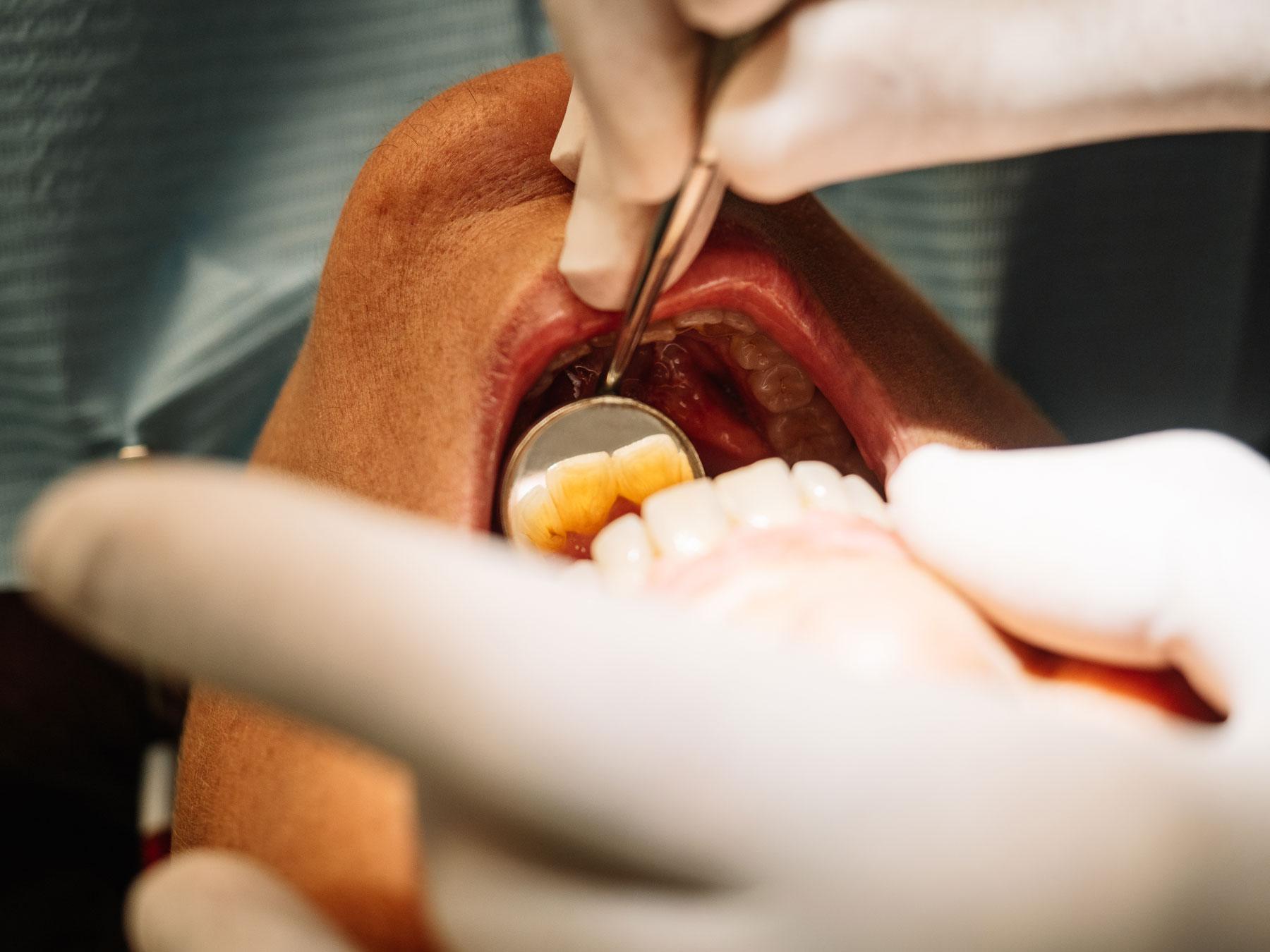
Recognizing the Early Signs of a Dental Infection
🧩 What Is a Dental Infection and Why It Matters
A dental infection occurs when bacteria enter the tooth pulp or gums and multiply, forming an abscess (a small pocket of pus). If untreated, it can spread to the jaw, neck, or bloodstream, affecting vital organs. As a result, these complications can extend far beyond the mouth. Furthermore, ignoring early symptoms increases the risk of more serious health issues.
Research shows untreated dental infections are linked to:
- Heart disease
- Diabetes complications
- Respiratory infections
- Weakened immune systems
Your mouth isn’t separate — it’s the gateway to your overall health.
😷 Early Warning Signs of a Dental Infection You Shouldn’t Ignore
Rarely start with sharp pain. Instead, symptoms can be subtle:
• Persistent or throbbing toothache
• Swelling or redness in the gums or cheeks
• Bad breath or lingering bad taste
• Sensitivity to heat, cold, or pressure
• Small bump on the gum (possible abscess)
• Mild fever or fatigue
👉 Quick tip: if pain worsens when chewing or spreads toward your head or neck, see a dentist soon — it could mean your dental infection is advancing. Additionally, addressing symptoms early helps prevent further complications.

💡 How to Identify a Dental Infection Before It Gets Serious
Catching a dental infection early can save you costly treatments and protect your overall wellness. For this reason, pay attention to the signals your body gives you:
Watch Your Gums
Healthy gums are pink and firm. Red, puffy, or bleeding gums can signal inflammation.
Notice Changes in Sensitivity
If a tooth hurts with temperature changes, you may have a dental infection beneath the surface.
Look for Small Bumps or White Spots
These are signs of abscesses releasing bacteria or pus.
Monitor Your Energy Levels
Your body may feel tired when fighting a hidden dental infection.
Listen to Your Body
Sometimes discomfort is your only clue — don’t ignore it. In addition, noticing subtle changes like persistent gum swelling or tooth sensitivity can help you detect early.
In addition, noticing subtle changes like persistent gum swelling or tooth sensitivity can help you detect early. Moreover, staying aware of these warning signs supports your long-term oral wellness.

🧠 The Mouth–Body Connection
Modern dentistry recognizes that caring for your mouth means caring for your body. When bacteria from a dental infection reach the bloodstream, they can harm your heart, lungs, and immune system. Consequently, neglecting oral health may affect your overall well-being.
At Smiles for Health, we practice Wellness Dentistry, using biocompatible materials and technology that protect your whole-body health.
👉 Learn more about our preventive dentistry services in Carlsbad.
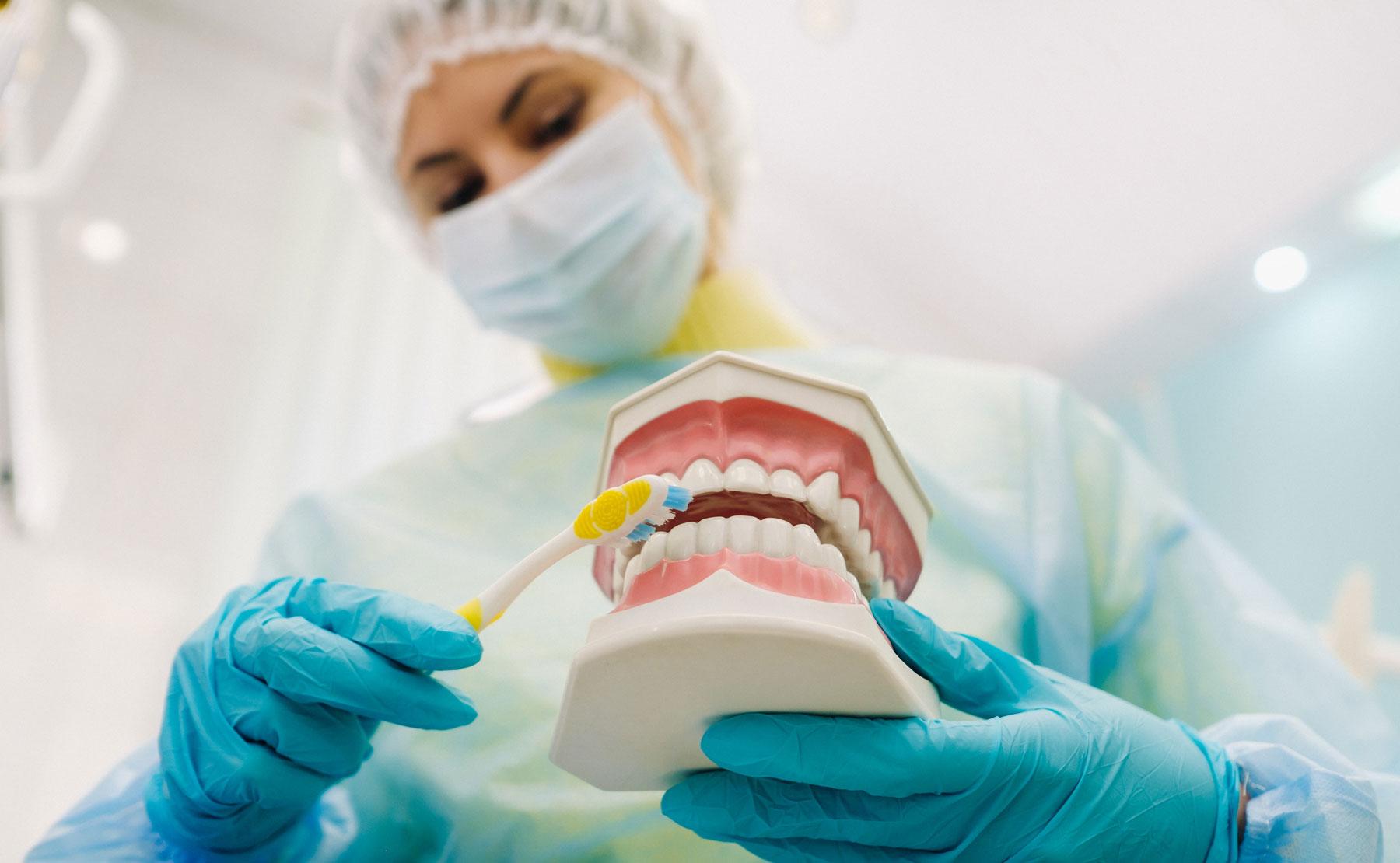
🌿 Prevention and Professional Care for Dental Infections
Healthy habits are the key to long-term oral wellness. Therefore, prevention remains your best defense. Additionally, small daily actions can make a big difference in preventing future:
- Brush twice daily with fluoride toothpaste
- Floss nightly and use antibacterial mouthwash
- Limit sugar intake
- Never ignore bleeding gums or sensitivity
- Visit your dentist every six months
- If you’ve had dental infections, schedule quarterly checkups
🩵 Pro tip: regular wellness visits detect dental infections before they cause pain or emergencies.
🦷 When a Dental Infection Requires Immediate Care
Call your dentist if you notice:
- Pain that increases when lying down
- Visible swelling or fever
- Pus or persistent bad taste
- Pain interrupting your sleep
Also, these signs mean your body is fighting a dental infection. Therefore, treating it promptly prevents complications and restores comfort. In conclusion, timely care ensures your recovery and long-term well-being.
💬 In Summary
Ultimately, dental infections may seem minor but can seriously affect your overall health if ignored. Detecting them early can prevent long-term problems.
At Smiles for Health, our team combines empathy, technology, and a wellness approach to protect both your smile and your wellness.
If you notice swelling or pain that won’t go away, act early — your overall health begins with your smile.
Frequently Asked Questions
Can a dental infection affect other parts of my body?
Yes. Dental infections can enter the bloodstream and increase the risk of heart, lung, or inflammatory conditions.
How can I tell if I have a dental infection or just a cavity?
A cavity affects the tooth surface, while a dental infection involves deeper tissue. If you see swelling, fever, or pus, contact your dentist immediately.
Can a dental infection go away on its own?
A dental infection does not go away on its own. Even if the pain comes and goes, the infection can still be there and may worsen without professional treatment.
When is a dental infection an emergency?
A dental infection becomes an emergency when you have facial swelling, fever, severe pain, or trouble swallowing, breathing, or opening your mouth normally. These can be signs the infection is spreading and needs immediate care.
What are the signs of a serious tooth infection?
Common signs include severe throbbing pain, swollen gums, swelling in the jaw or face, hot or cold sensitivity, a bad taste in the mouth, bad breath, fever, and pain when chewing.
How to relieve dental pain at home before seeing a dentist?
You can gently rinse with warm salt water, avoid very hot, very cold, or sugary foods, and use over-the-counter pain relief only if it is safe for you and as directed on the label.
What is a dental abscess?
A dental abscess is a pocket of pus caused by a bacterial infection. It can form near the root of the tooth or in the gums and often leads to pain, pressure, and swelling.
How is a dental infection treated?
Treatment depends on how advanced the infection is. In many cases, the dentist may need to drain the area, perform a root canal to remove the infection, or remove the tooth if it cannot be saved.