



Before we dive into how to speed up wisdom teeth recovery 🦷⚡, it’s super important to understand what might slow it down. Knowing what to avoid is half the battle when it comes to getting faster healing after wisdom teeth surgery. At Smiles for Health DDS, we emphasize these points in our post-operative instructions because avoiding them can significantly improve your recovery duration for wisdom teeth removal.
Here are the main things that can act as roadblocks to your healing:
- Smoking or Vaping: This is arguably the biggest no-no. The suction can dislodge the crucial blood clot in the socket (which raises dry socket risk), and nicotine reduces blood flow to the area—so healing slows down.
- Dry Socket: We’ve mentioned this before, but it’s worth repeating. Dry socket happens when the blood clot is lost too soon, exposing bone and nerves; as a result, pain can become intense and healing can take longer. Using straws, forceful spitting, or smoking are common triggers—so if you suspect dry socket, call us right away.
- Poor Oral Hygiene (or Too Aggressive Hygiene): Keeping the area clean matters; however, scrubbing or swishing too hard can disturb the clot. On the other hand, skipping gentle cleaning can allow bacteria to build up, increasing infection risk.
- Strenuous Activity: Jumping back into intense workouts or heavy lifting too soon can raise blood pressure and restart bleeding; therefore, your body needs a few days of real rest to heal well.
- Ignoring Post-Op Instructions: Our guidance on diet, meds, and care is designed to prevent setbacks; consequently, skipping steps can add days (or weeks) to recovery.
- Alcohol Consumption: Alcohol can interfere with healing and may interact with pain medications; therefore, it’s best to avoid it early in recovery.
By diligently avoiding these common pitfalls, you set yourself up for a much smoother and quicker recovery duration for wisdom teeth removal. Our team at Smiles for Health DDS is here to support you every step of the way.
How Can I Heal Faster After Wisdom Teeth Surgery? ✅
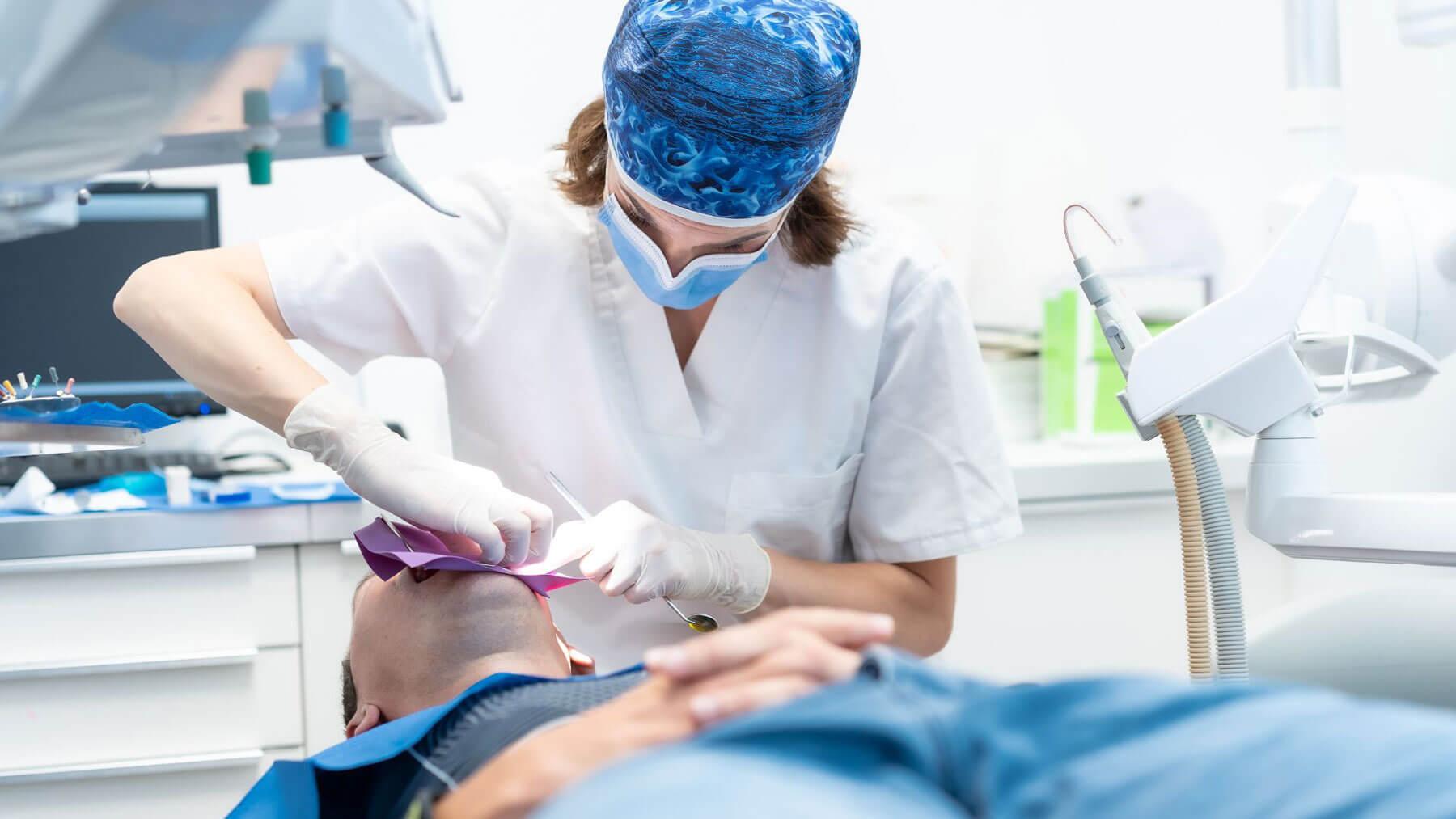
Now for the good stuff! If you’re wondering how to speed up wisdom teeth recovery, the answer is to support your body’s natural healing process while protecting the clot. These quick recovery tips for extraction help reduce discomfort and keep your wisdom teeth healing time on track.
Here’s how you can achieve faster healing after wisdom teeth surgery:
- Prioritize Rest: This is non-negotiable. Sleep as much as you can and avoid heavy activity for at least 3–5 days. In addition, keep your head elevated to help reduce swelling.
- Apply a Cold Compress: For the first 24–48 hours, apply ice packs to the outside of your jaw (20 minutes on, 20 minutes off). This helps reduce swelling, bruising, and soreness.
- Gentle Saltwater Rinses (After 24 Hours): Starting the day after surgery, gently rinse 2–3 times daily—especially after eating. Use warm saltwater and let it fall out of your mouth without vigorous swishing or forceful spitting.
- Stay Hydrated: Drink plenty of water and clear fluids; however, avoid straws because suction can pull the clot loose.
- Take Medications as Directed: Follow the plan your dentist gives you. Staying ahead of pain helps you rest; therefore, your body can heal more efficiently.
- Maintain Gentle Oral Hygiene: Brush the rest of your teeth carefully, and avoid traumatizing the extraction site at first. As healing progresses, reintroduce cleaning near the area gently with an ultra-soft brush.
If you have questions at any point, contact us—support is part of the process.

How To Speed Up Wisdom Teeth Recovery: What Should I Eat for Faster Recovery? 🍲
Your diet after wisdom teeth removal plays a huge role in how quickly you heal and how comfortable you feel. Choosing the right foods is one of the most effective quick recovery tips for extraction, because it protects the surgical sites and supports tissue repair.
Here are the best healing foods to help you achieve a quicker recovery duration for wisdom teeth removal:
Very Soft, Cool Foods (Days 1-3):
° Yogurt (plain, soft)
° Applesauce
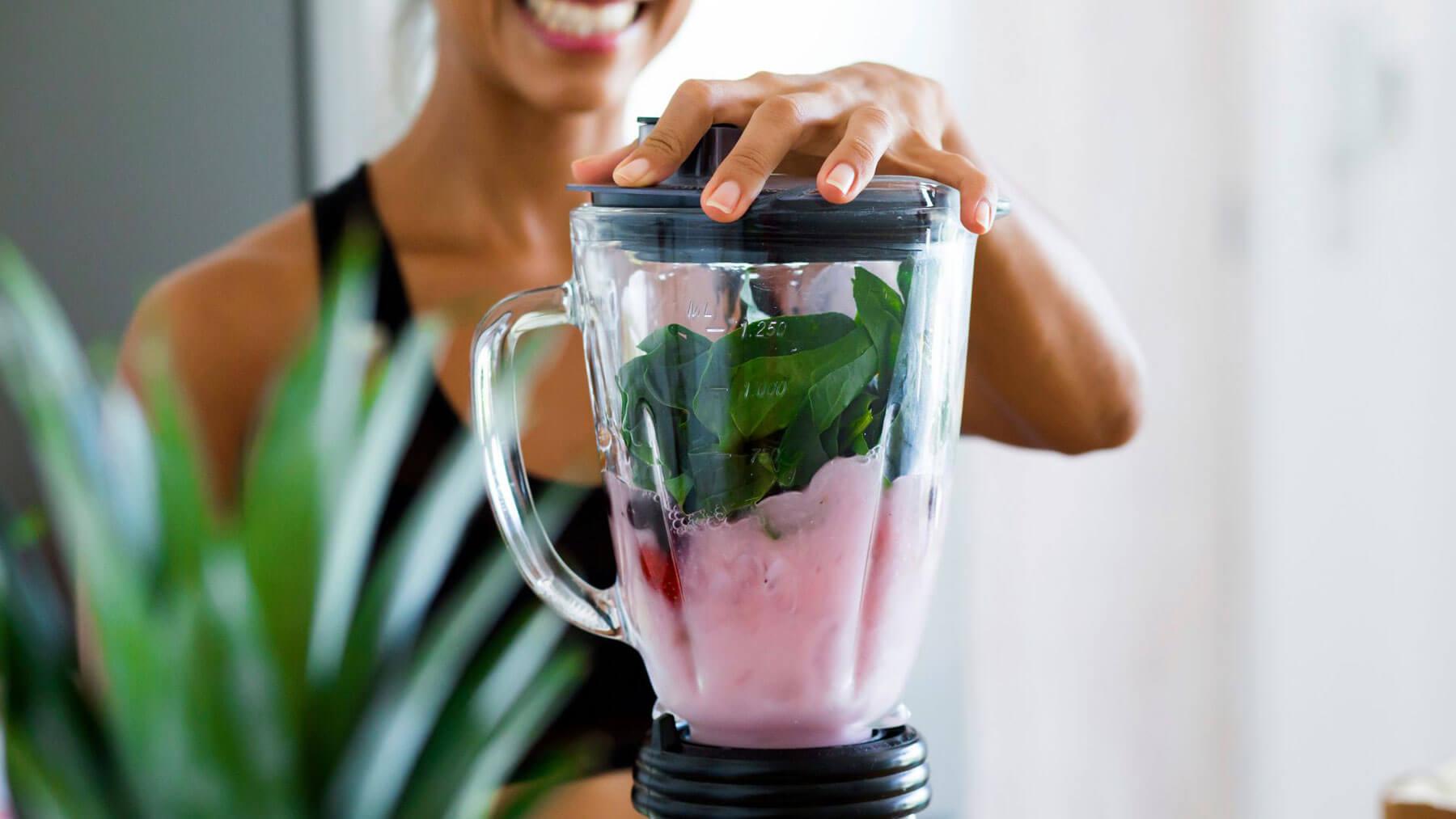
° Smoothies/Shakes (no seeds; use a spoon, not a straw)
° Mashed potatoes/sweet potatoes (cool, not hot)
° Broth-based soup (lukewarm, not hot)
° Pudding/Jell-O
° Soft ice cream (no crunchy mix-ins)
Gradually Introduce Softer Chewing Foods (Days 4-7+):
Scrambled eggs
Well-cooked pasta/noodles
Soft fish
Soft cooked vegetables
Soft breads (no hard crusts)
Very finely cooked ground meats in a soft sauce

Foods to ABSOLUTELY avoid:
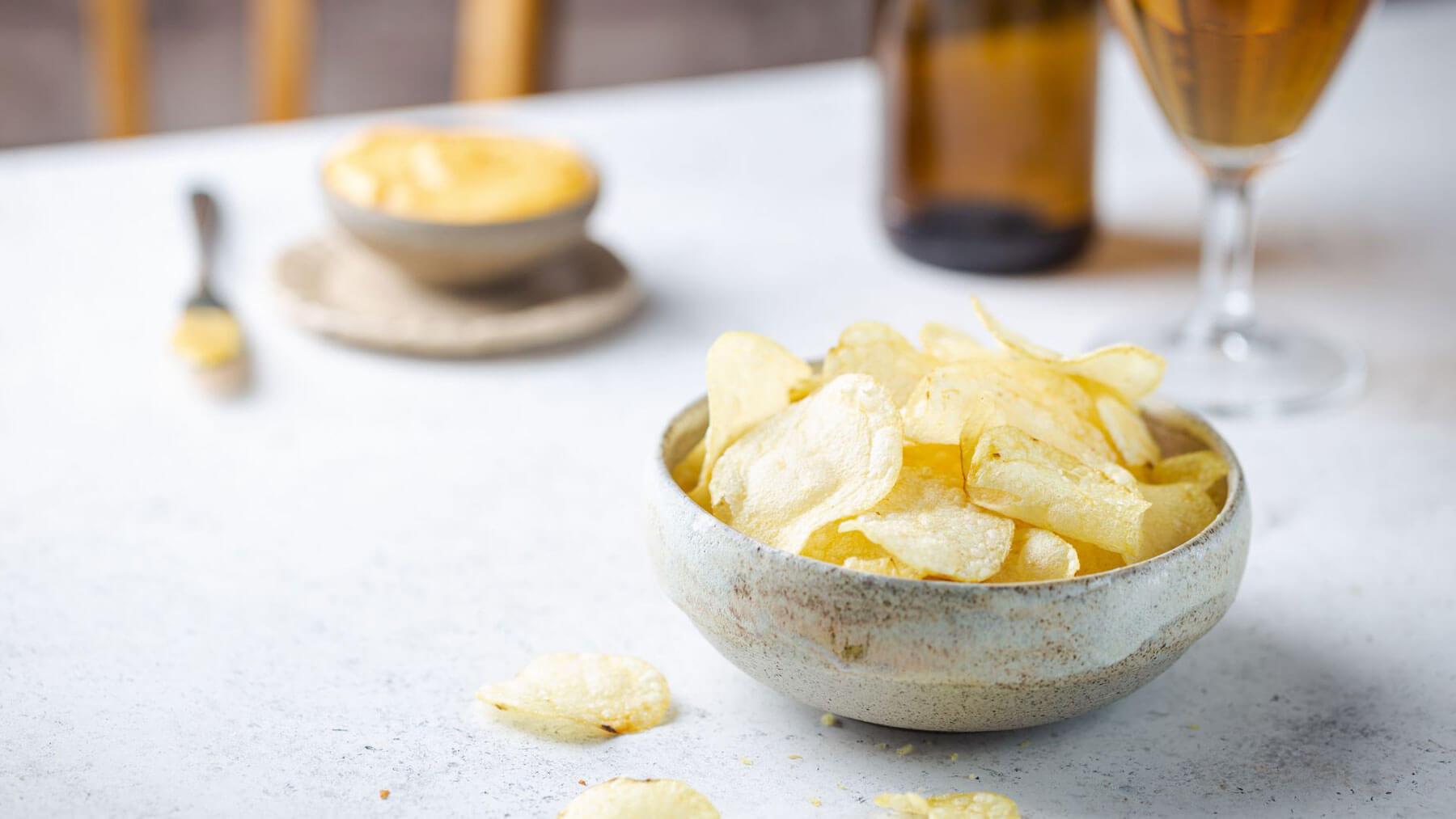
Hard/crunchy foods (chips, popcorn, nuts)
Chewy foods (steak, tough bread)
Small/seedy foods (rice, quinoa, berries with seeds)
Spicy/acidic foods (hot sauce, citrus, tomatoes)
Very hot foods/drinks (heat can increase bleeding and irritation)
How To Speed Up Wisdom Teeth Recovery: When Can I Resume Normal Activities Like Work or Exercise? 🗓️
After having your wisdom teeth out, you’re probably thinking, “When can I get back to normal?” The safest answer depends on your procedure and how your body responds; however, these timelines help you avoid setbacks.
Work:
Desk Job / Light Duty: Often 2–3 days, as long as you feel stable.
Physically Demanding Job: Plan for 5–7 days, because heavy activity can restart bleeding and slow healing.
Exercise and Strenuous Activity:
First 3-5 Days: Avoid vigorous exercise and heavy lifting.
After 5-7 Days: Reintroduce light activity slowly; therefore, if throbbing or bleeding returns, stop and rest.
Full Intensity: Often 1–2 weeks (or longer for complex cases).
Other Activities:
Driving: Avoid driving for at least 24 hours after IV sedation or while using prescription pain meds.
Smoking/Vaping: Avoid during recovery—ideally longer than 72 hours—because it increases complication risk.
Using Straws: Avoid for at least 24–48 hours (often longer), because suction can dislodge the clot.
If you’re unsure, reach out and we’ll guide you based on your specific case.

How To Speed Up Wisdom Teeth Recovery: What Are the Signs That Recovery Is Going Well? ✅
Knowing what to expect can lower anxiety. Some discomfort is normal; however, these signs usually mean healing is progressing well:
Decreasing Pain: Pain typically improves after the first few days.
Reduced Swelling: Swelling often peaks around days 2–3 and then starts to go down.
Improving Jaw Mobility: You can open wider with less stiffness each day.
Less Bleeding/Oozing: Oozing decreases within 24–48 hours and becomes minimal.
Clot Stability: The clot stays in place and the area begins to look calmer.
Food Tolerance Improves: You can slowly add soft foods without irritation.
If you’re seeing steady improvement, you’re likely on track.
How To Speed Up Wisdom Teeth Recovery: When Should I Call the Dentist During Recovery? 🚨
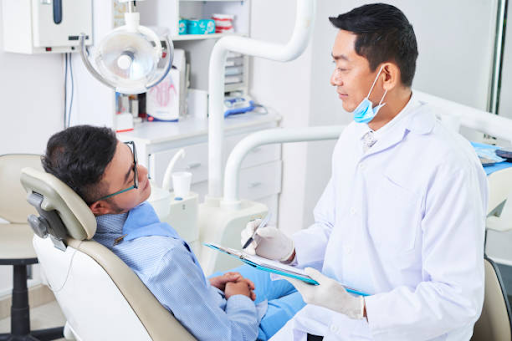
Call if something feels “off,” especially if symptoms worsen instead of improving. In other words, trust your gut.
Excessive Bleeding: Heavy bleeding that doesn’t slow after firm gauze pressure needs help.
Fever: A fever after the first day can signal infection.
Pus or Foul Odor/Taste: Persistent bad taste/smell can indicate infection.
Worsening Severe Pain (Days 1–3): Intense pain that spikes a few days later may be dry socket.
Swelling that increases after Day 3: Swelling should trend down—if it rises, call.
Numbness that doesn’t improve: Persistent numbness should be evaluated.
Difficulty swallowing or breathing: Seek urgent care immediately.
If you’re recovering and you’re not sure what’s “normal,” call Smiles for Health DDS in Carlsbad. We’ll help you protect healing early—so small concerns don’t turn into big setbacks.
Frequently Asked Questions
What’s the fastest way to speed up wisdom teeth recovery in the first 48 hours?
Rest and ice matter most; therefore, protect the clot by avoiding straws, smoking, and aggressive rinsing.
How do I know if I have dry socket?
Pain often becomes severe 1–3 days later; however, if it radiates and won’t calm down, call right away.
When can I start saltwater rinses?
After 24 hours, start gentle rinses; in addition, let the water fall out without forceful spitting.
What should I eat if I want faster healing?
Stick to cool, soft foods first; therefore, avoid crunchy or seedy foods that can disturb the socket.
When can I go back to the gym?
Usually after 5–7 days for light activity; however, wait longer for heavy lifting or if bleeding returns.
Is swelling on day 2 or 3 normal?
Yes, swelling often peaks around then; that said, it should start improving afterward.
When should I call the dentist during recovery?
If pain worsens after day 3, you get fever, or swelling increases; therefore, call the office the same day.