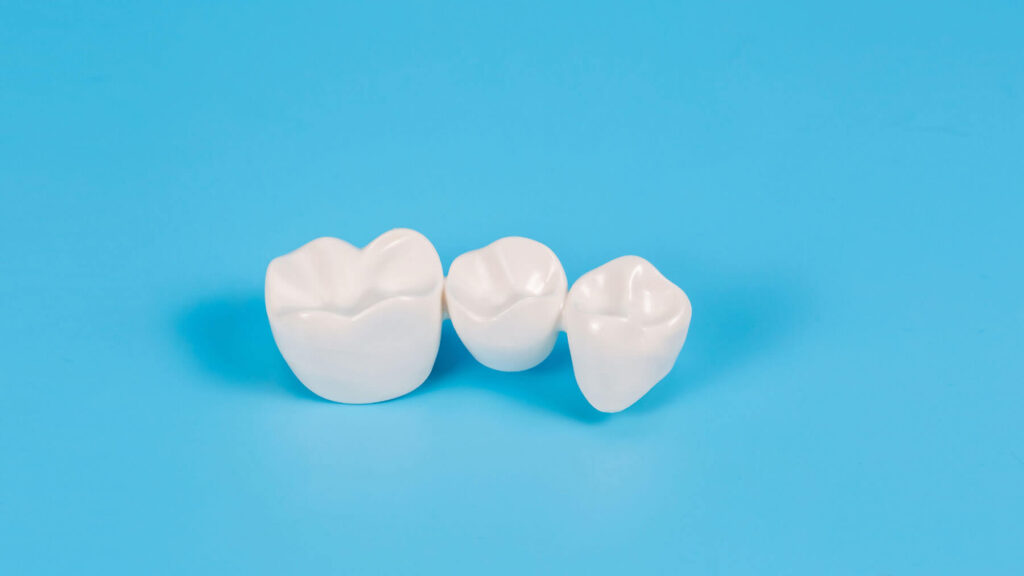
Understanding the Timeline and What to Expect 🦷✨
Are you or your teen starting to feel a dull ache near the back of the jaw—or a pressure you can’t quite explain? If so, that “something’s changing” feeling is often the first clue these final molars are on their way. In fact, if you’re asking when do wisdom teeth come in, you’re not alone. At Smiles for Health DDS, we help you understand what’s normal, what’s not, and what to do next—so you can stay calm, informed, and protected. 💛

What Age Does This Usually Start? ⏳
Most people notice these teeth between ages 17 and 25. However, timing varies—some feel changes earlier, while others don’t notice anything until later. Meanwhile genetics also plays a role in how many develop (some people have fewer than four, and some don’t develop them at all).
Because the timing and positioning can be unpredictable, routine dental visits and X-rays are the easiest way to track what’s happening before it becomes painful.
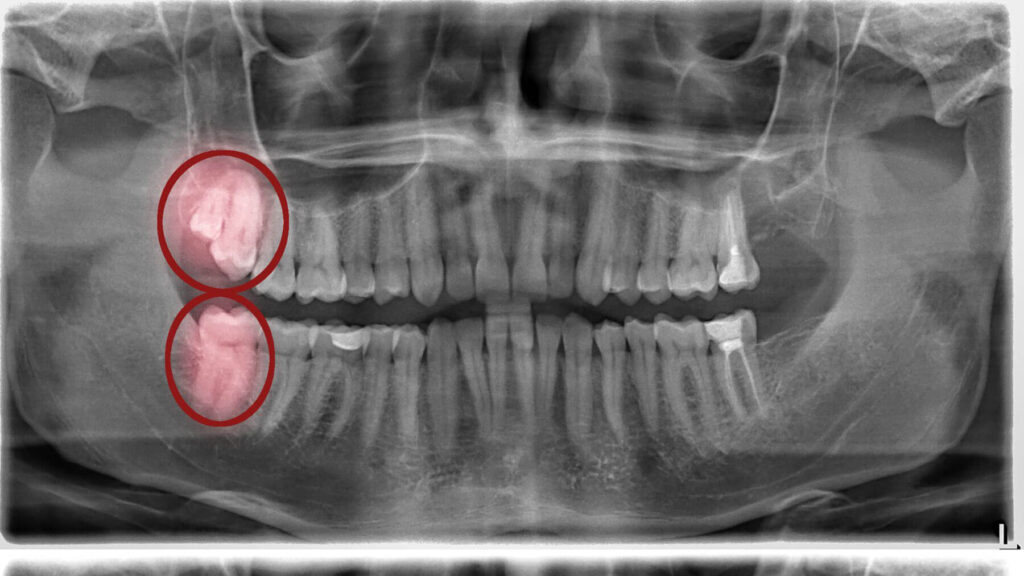
Typical Wisdom Teeth Eruption Timeline 🗓️
This process usually happens gradually—not overnight. You may feel pressure for a few days, then nothing, and then pressure again weeks later. In other words, starts-and-stops can be normal.
That said, limited space can create complications. If the tooth can’t fully come through, you may end up with swelling, trapped food, or irritation that keeps returning. When we see signs of risk, we’ll talk through next steps early to help you avoid bigger problems later.

How Do I Know If My Wisdom Teeth Are Coming In? 👀
Not everyone feels symptoms, but when they do, these are common:
-
Soreness or swelling in the very back gums
-
Jaw pressure or stiffness near the hinge of the jaw
-
A bad taste or persistent bad breath (especially if food gets trapped)
-
Difficulty opening wide (less common, but important)
If symptoms are worsening—or lingering—book an exam. It’s much easier to manage this early than wait until pain spikes.
Can Wisdom Teeth Come In Earlier or Later Than Expected? 🤔
Even though there’s a “typical” age range, bodies don’t follow identical schedules. Some teens notice changes in the mid-teens. While others don’t feel anything until later adulthood.
The key isn’t the age—it’s position and space. That’s why imaging matters: it tells us whether things look stable or if a future issue is likely.
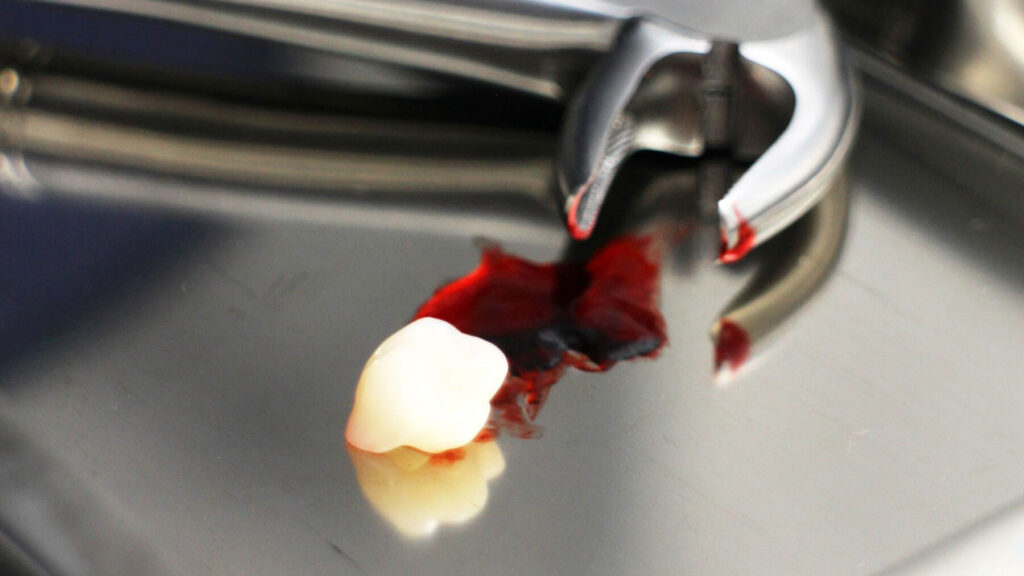
When Things Don’t Erupt Normally ⚠️
Unfortunately, not all of these teeth arrive smoothly. In general, two common situations cause problems:
1) Partial breakthrough
A small flap of gum can sit over part of the tooth, trapping bacteria and food. As a result, inflammation and infection become more likely.
2) “Stuck” below the gum or at an angle
In that case, pressure can build against nearby teeth and trigger recurring discomfort. So, if you have swelling, ongoing pain, or trouble opening your mouth, don’t wait—get evaluated promptly.

When Extraction Makes Sense? 🦷
Removal isn’t automatically required. If these teeth come through fully, sit in a healthy position, and you can clean them well, monitoring may be enough.
However, taking them out often becomes the best option when there’s repeated infection, damage to nearby teeth, cavities that form in hard-to-clean areas, or ongoing pain. At Smiles for Health DDS, we walk you through your options clearly and prioritize comfort from start to finish.
Frequently Asked Questions
When do most people typically feel their wisdom teeth coming in for the first time?
Most people notice changes between ages 17 to 25. At Smiles for Health DDS, we monitor development early so you can avoid surprises if complications appear.
Can my wisdom teeth start growing even if I don’t feel anything unusual?
Yes. These molars can develop quietly without noticeable discomfort. That’s why dental exams and imaging are so helpful for tracking changes early.
What are the earliest signs that my wisdom teeth are starting to grow?
Early signs often include gum tenderness, back-jaw pressure, or small bumps behind the molars. Our team can evaluate symptoms before they become painful.
What should I do if I only feel one wisdom tooth coming in?
That can happen. Sometimes the others develop later or stay below the gumline. We can confirm how many are present and whether additional teeth are moving.
Are there ways to prevent complications when wisdom teeth begin to erupt?
Yes—monitoring and early care help the most. Smiles for Health DDS can recommend next steps based on your symptoms, spacing, and imaging results.
Do wisdom teeth always erupt in the same order?
No. Some people notice upper teeth first, while others feel lower teeth first. Timing and sequence vary.
Can stress delay the eruption of wisdom teeth?
Stress doesn’t directly control eruption timing. However, stress-related habits (like clenching) can increase discomfort or inflammation around the jaw.
What should I do if my wisdom teeth erupt while I have braces?
You’ll want coordinated care. Your orthodontist and dentist can monitor spacing and tooth movement to protect your alignment and prevent setbacks.