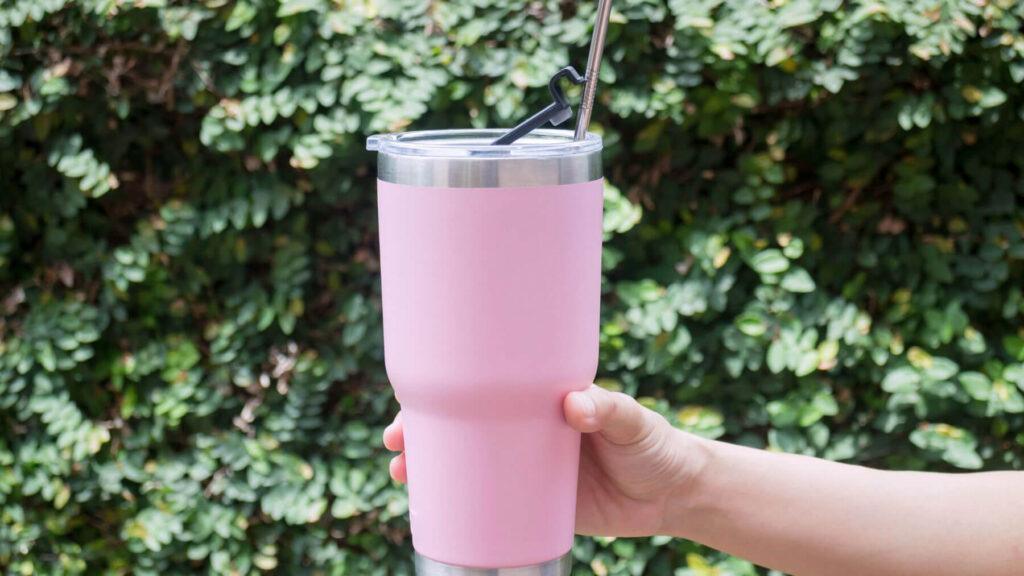
The primary reason you absolutely cannot use a straw immediately after wisdom teeth removal is to prevent a very painful condition known as dry socket, or alveolar osteitis. When a tooth is extracted, a blood clot forms in the empty socket. This clot is like a natural, protective bandage, guarding the underlying bone and nerve endings as the area heals. It’s crucial for uncomplicated recovery, similar to how a scab protects a cut on your skin.
Here’s why straw use is a big no-no:
- Suction Effect: When you use a straw, you create a strong suction force in your mouth. This force, even a subtle one, can easily dislodge that delicate blood clot from the socket. It’s similar to how a vacuum cleaner pulls things up – and that’s precisely what we want to avoid in your healing mouth.
- Wound Disturbance: Once the blood clot is dislodged, the bone and nerve are exposed to air, food particles, and bacteria. This exposure leads to intense pain, often radiating to your ear or temple, and can significantly delay the healing process. It also makes the site vulnerable to infection, potentially requiring additional interventions like a root canal if the infection spreads, or even further dental extractions in severe cases.
- Healing Disruption: The body’s natural healing process relies on that clot as a foundation for new tissue growth. If it’s gone, your body has to work harder to form a new one or heal without it, which is why dry socket is so painful and takes much longer to resolve than a normal extraction site.
This isn’t just about comfort; it’s about preventing complications that can set back your recovery by days or even weeks. At Smiles for Health DDS, we emphasize this instruction for all our dental procedures to ensure our individuals have the best possible healing experience. Following this crucial advice helps you avoid needing an emergency dentist visit for preventable pain. Our team is here to answer all your post-operative questions and support your wellness dentistry journey. For peace of mind during your recovery, rely on the expert guidance from Smiles for Health DDS. Contact us today for any questions about your post-op care!
How Long Should I Wait Before Using a Straw Again?
The general consensus among dental professionals, including our team at Smiles for Health DDS, is to avoid using a straw for at least 72 hours (3 days) after your wisdom teeth removal. This 72-hour window is critical because it’s the period when the blood clot is most vulnerable and actively forming and stabilizing. Think of it as the foundational period for your healing.
Here’s a breakdown of recommended timelines and safety windows:
- First 24-48 Hours (Days 1-2): Strict Avoidance. During this initial period, the blood clot is the most fragile. Absolutely avoid straws, forceful spitting, vigorous rinsing, and smoking at all costs. Sip liquids gently and directly from a cup. This minimizes any pressure changes in your mouth.
- 72 Hours (Day 3): Continued Caution. While the clot should be more stable, it’s still best to err on the side of caution. If you absolutely must use a straw (though it’s still not ideal), do so extremely gently, creating minimal suction. Imagine sipping just enough to get the liquid, without pulling hard.
- Beyond 72 Hours (Days 4-7+): Gradual Reintroduction (Still Gentle). After the initial 72 hours, the risk of dry socket significantly decreases, but it doesn’t disappear completely. You can gradually reintroduce straw use, but always be mindful of the suction. Listen to your body; if you feel any discomfort or a pulling sensation, stop immediately and revert to drinking from a cup.
- Full Healing (1-2 Weeks): For complete peace of mind, many dentists recommend avoiding straws for a full week, or even up to two weeks, especially if your extraction was complex or if you had multiple teeth removed. During your exams and cleanings with us, we can check on your healing progress.
Our Dr. Diana Zorro DDS and our entire team will provide you with personalized post-operative instructions based on your specific case. Adhering to these timelines is a key part of ensuring a smooth recovery and avoiding complications like dry socket. If you have any questions at any point during your healing, don’t hesitate to contact us. We are here to support your wellness dentistry every step of the way, even when it comes to small details like straw use post wisdom teeth surgery, or other service options like dental bonding or clear aligners offers. To make your recovery as comfortable as possible, ensure you follow these critical guidelines. Schedule your follow-up appointment with Smiles for Health DDS to monitor your healing progress and discuss any concerns.
What Happens If I Use a Straw Too Soon?
Using a straw too soon after wisdom teeth removal is one of the quickest ways to run into trouble, primarily by causing a dry socket. If you find yourself thinking, “is it safe to use straw after extraction?” and then do it prematurely, here’s what could happen and what to do if it occurs:
- Dry Socket (Alveolar Osteitis): This is the most common and painful complication. It happens when the blood clot that should be protecting the empty socket either fails to form or gets dislodged too soon. Without this protective clot, the underlying bone and nerves are exposed to air, food, and fluids, leading to intense pain.
- Symptoms of Dry Socket: The most prominent symptom is a severe, throbbing pain that usually starts a few days after the extraction (typically 2-4 days post-op). This pain often radiates to your ear, eye, temple, or neck. You might also notice a bad taste in your mouth or an unpleasant odor, and sometimes you can even see the exposed bone in the socket where the clot should be.
- What to Do If It Occurs: If you suspect you have a dry socket, it’s crucial to contact us at Smiles for Health DDS immediately. This is considered an urgent dental issue. Our emergency dentist services are specifically designed for such situations. We will clean the socket, place a medicated dressing to soothe the pain, and provide instructions for ongoing care. This dressing may need to be changed periodically until the socket starts to heal properly.
- Infection: Without the blood clot acting as a barrier, bacteria from your mouth can more easily enter the open wound, leading to an infection. Symptoms of infection can include increased pain, swelling, pus, fever, and a general feeling of being unwell. An infection can complicate healing significantly and may require antibiotics or other interventions.
- Delayed Healing: Even if dry socket doesn’t occur, disturbing the healing site with a straw can simply slow down the overall recovery process. Your body has to work harder to heal an irritated area, extending the time before you can return to your normal routine and diet. This can also delay cosmetic improvements like smile makeovers or restorative procedures like dental bridges.
Preventing dry socket is much easier than treating it. By understanding the risks and following our post-operative instructions carefully, you can help ensure a smooth and speedy recovery. Our team at Smiles for Health DDS is here to support you and answer any questions you have about your healing process, from dietary advice to when you can resume normal activities like enjoying your favorite teeth whitening services. Don’t risk your recovery; if you experience any of these symptoms, contact Smiles for Health DDS right away for urgent care and effective treatment.

Are There Any Safe Alternatives to Drinking with a Straw?
You’ve learned why straws are a no-go zone right after wisdom teeth removal, but that doesn’t mean you have to go thirsty or struggle to get your nutrition! There are plenty of safe and easy ways to enjoy your drinks and soft foods without risking a dry socket. At Smiles for Health DDS, we want to make your recovery as comfortable and simple as possible.
Here are some excellent alternatives for drinking and eating post-op:
- Sip Directly from a Cup: This is the safest and most recommended method. Simply tilt your head back slightly and let the liquid gently flow into your mouth. There’s no suction involved, so you avoid disturbing the precious blood clot. This works perfectly for water, juices, milk, and even thin, smooth soups.
- Spoon-Feeding: For thicker liquids or very soft foods like yogurt, mashed potatoes, or blended smoothies, a spoon is your best friend. This allows you to control the portion size and ensures no suction is created. It’s a gentle way to get essential nutrients without putting pressure on the healing sites.
- Angled Spoons or Adaptive Cups: While a traditional straw is out, some specialty adaptive cups with angled spouts or even very shallow spoons can sometimes be used carefully, especially if you have limited jaw opening. However, even with these, the key is to avoid any sucking motion. Always aim for gravity to do the work, letting the liquid trickle into your mouth. If you are using these, proceed with extreme caution and only if comfortable.
- Soft-Serve and Puddings: These are naturally easy to eat with a spoon and offer hydration and some calories without any risk to your healing sockets. Just ensure they aren’t too hot or too cold initially.
Remember, the goal is to get fluids and nutrients into your body without creating any suction or vigorous movement in your mouth. Our team at Smiles for Health DDS will provide you with comprehensive post-operative instructions, ensuring you know exactly how to manage your diet safely. Don’t hesitate to contact us if you have any questions or need further advice on navigating your post-op diet. Your comfortable healing is our priority in our commitment to wellness dentistry.
How Will I Know My Wisdom Tooth Sites Are Healed Enough?
Knowing when your wisdom tooth sites are truly healed is important for safely returning to your normal diet and activities. While we give you a general timeline, everyone heals at their own pace. At Smiles for Health DDS, we encourage you to listen to your body and look for specific signs of progress.
Here are the key stages of healing and what to look for:
- Clot Formation and Stabilization (First 3-7 Days): Immediately after extraction, a blood clot forms. This is the most crucial stage. During this time, the site should start to feel less painful each day, and the initial swelling should begin to go down. You might still have some mild discomfort, but sharp, throbbing pain should subside. The absence of severe pain is a good sign the clot is stable. This is why strict adherence to avoiding straws, smoking, and vigorous rinsing is essential during this period.
- Gum Closure (1-2 Weeks): After the initial clot stabilization, the gum tissue around the extraction site will gradually start to close over the opening. You might notice the hole getting smaller. It won’t completely close overnight, but the visible reduction in the size of the socket is a positive sign that new tissue is forming. You should also notice a decrease in localized tenderness.
- Decreased Sensitivity and Pain (2-4 Weeks): As the site continues to heal, any remaining sensitivity to pressure or temperature around the area should diminish significantly. You should be able to apply light pressure to the area with your tongue without discomfort. Persistent pain, especially sharp or throbbing pain, or a bad taste, are signs that healing isn’t progressing as it should and require a call to us.
- No Signs of Infection: Look for the absence of pus, persistent redness, excessive swelling, or fever. These are all signs of infection, which would mean the site is not healing properly.
Even if you feel great, it’s vital to attend your follow-up appointments at Smiles for Health DDS. Our Dr. Diana Zorro DDS and our team can visually inspect the sites, confirm proper healing, and give you the green light to gradually resume all activities and foods. This professional assessment is the surest way to know your wisdom tooth sites are healed enough. For complete peace of mind about your healing process, contact us to schedule your follow-up exams and cleanings after your dental extractions.

What Other Habits Should I Avoid After Wisdom Tooth Removal?
Beyond avoiding straws, there are several other important habits to steer clear of after your wisdom teeth removal. These practices can also dislodge the crucial blood clot, introduce bacteria, or simply irritate the healing areas, potentially leading to complications like dry socket or infection. At Smiles for Health DDS, we want to ensure your recovery is as smooth and pain-free as possible, which is why we provide comprehensive post-operative care instructions.
Here’s a list of other habits to avoid:
- Smoking or Vaping: This is perhaps the most critical habit to avoid. The sucking motion involved in smoking, much like using a straw, can easily dislodge the blood clot. Furthermore, the chemicals in tobacco and vape products restrict blood flow, significantly impair healing, and dramatically increase your risk of infection and dry socket. It’s best to avoid smoking entirely for at least 72 hours, and ideally for a week or more.
- Forceful Spitting or Rinsing: As tempting as it might be to vigorously spit out saliva or forcefully rinse your mouth, this creates pressure that can dislodge the blood clot. When you need to rinse (usually starting 24 hours post-op with warm salt water), do so very gently. Let the water simply flow around your mouth and then slowly tip your head over the sink to let it drain out, without spitting.
- Excessive Brushing Around the Site: While maintaining good oral hygiene is vital, avoid brushing directly on or vigorously around the extraction site for the first few days. You can gently brush your other teeth, but be extremely careful near the healing area. After a few days, you can start to very gently brush the area with a soft-bristled toothbrush.
- Touching the Extraction Site: Resist the urge to poke or prod the healing socket with your fingers or tongue. This can introduce bacteria, dislodge the clot, or simply irritate the area.
- Eating Hard, Crunchy, or Chewy Foods: We’ve touched on this, but it bears repeating. Foods like nuts, chips, popcorn, tough meats, and sticky candies can get lodged in the socket or exert too much pressure on the healing area. Stick to soft foods for at least a week, as advised by our team.
- Drinking Alcohol: Alcohol can thin your blood, which interferes with clotting, and it can also irritate the surgical site. It’s best to avoid alcohol entirely during your initial recovery period, especially if you are taking prescription pain medication.
By being mindful of these habits, you significantly reduce your risk of complications and promote faster, more comfortable healing. Our Dr. Diana Zorro DDS and the Smiles for Health DDS team are dedicated to providing you with thorough care and clear instructions for your recovery. For personalized advice and to ensure your wellness dentistry goals are met, please contact us for any questions about your post-wisdom teeth removal care, or explore our other service options like fluoride treatment or oral cancer screenings.
Frequently Asked Questions
When can I use a straw after wisdom teeth removal without risking complications?
Smiles for Health DDS recommends waiting at least 7 days before using a straw to avoid dry socket. Understanding when can I use a straw after wisdom teeth removal is crucial to prevent disrupting the healing blood clot.
Why is straw use post wisdom teeth surgery discouraged initially?
Using a straw creates suction that can dislodge the blood clot protecting the extraction site. Smiles for Health DDS explains that straw use post wisdom teeth surgery increases the risk of dry socket and delayed healing.
How long should I avoid straw use after wisdom teeth surgery?
Most dentists advise avoiding straws for at least 5 to 10 days. Smiles for Health DDS emphasizes that timing varies based on individual healing, so knowing when can I use a straw after wisdom teeth removal is important.
Is it safe to sip liquids without a straw immediately after wisdom teeth extraction?
Yes, sipping directly from a cup is generally safe and recommended. Smiles for Health DDS highlights this as a safer alternative to straw use post wisdom teeth surgery.
What symptoms might indicate a problem if I use a straw too soon?
Increased pain, bad taste, or a foul odor may signal dry socket. Smiles for Health DDS advises contacting your dentist if these occur after premature straw use.
Can the type of straw affect safety after wisdom teeth removal?
Using a wider or shorter straw may reduce suction but still poses risks. Smiles for Health DDS recommends avoiding all straw types until healing progresses.
Are there alternatives to straws that are safe after wisdom teeth surgery?
Yes, drinking directly from a cup or using a spoon for liquids like smoothies is safer. Smiles for Health DDS suggests these options during the initial healing phase.
Does smoking have similar risks as using a straw after wisdom teeth removal?
Yes, smoking also creates suction that can dislodge the clot. Smiles for Health DDS includes smoking in its list of activities to avoid alongside straw use post wisdom teeth surgery.
How can I tell when my mouth has healed enough to safely use a straw?
When pain subsides and the extraction site shows signs of healing, usually after a week. Smiles for Health DDS recommends a follow-up visit to confirm before resuming straw use.
What care should I take when reintroducing straws after wisdom teeth removal?
Start slowly and avoid strong suction. Smiles for Health DDS advises gentle sipping and monitoring for any discomfort when deciding when can I use a straw after wisdom teeth removal.
Can using a straw delay the overall healing process after wisdom teeth surgery?
Yes, straw use too early can prolong healing by causing dry socket or irritation.
Are cold drinks safer to consume with a straw after wisdom teeth removal?
Cold drinks are soothing, but using a straw still risks disturbing the clot regardless of temperature.
What are the risks of dry socket caused by straw use?
Dry socket can cause severe pain, bad breath, and delayed healing.
Can children use straws sooner than adults after wisdom teeth removal?
No, children have similar healing timelines and should avoid straws equally.
Does the number of wisdom teeth removed affect when I can use a straw?
More complex surgeries may require longer avoidance periods. Always follow your dentist’s guidance on straw use post wisdom teeth surgery.