
If your dentist recommended a filling, it’s normal to ask which option makes the most sense. At the same time, because the different types of fillings come with different strengths, costs, and cosmetic results, it helps to understand the key differences first. In other words, once you know what sets each option apart, you can choose with more confidence—based on your tooth, your bite, and your priorities.
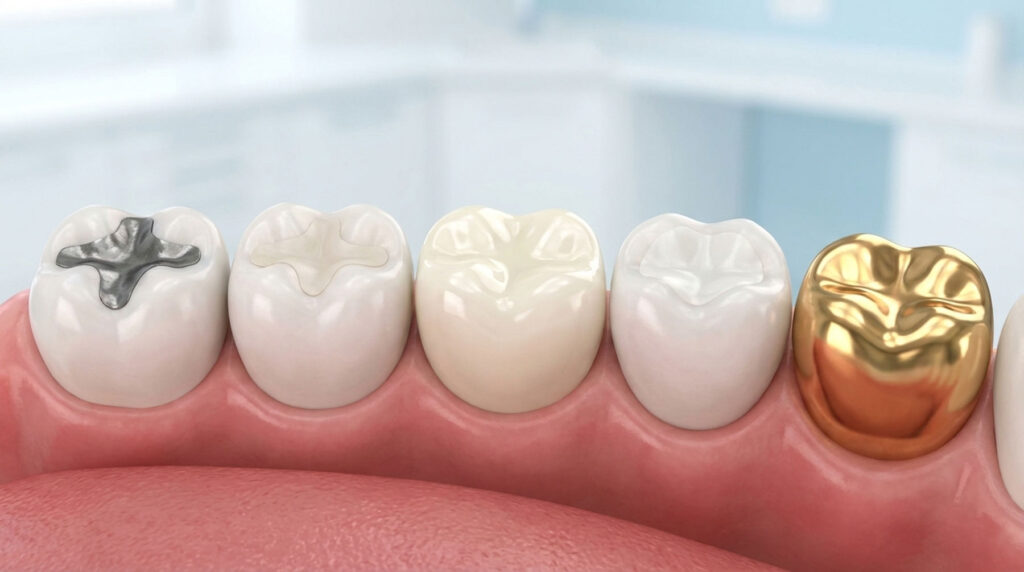
🩶 Different Types Of Fillings: Amalgam Fillings
Amalgam fillings use a blend of metals (including silver, tin, copper, and mercury). Dentists have used them for decades because they hold up well and often cost less.
✅ Pros
- Strong and long-lasting, especially for molars.
- Typically more affordable.
⚠️ Considerations
Some patients worry about mercury, although studies show release is very small for most people.
Silver-colored and can darken over time.
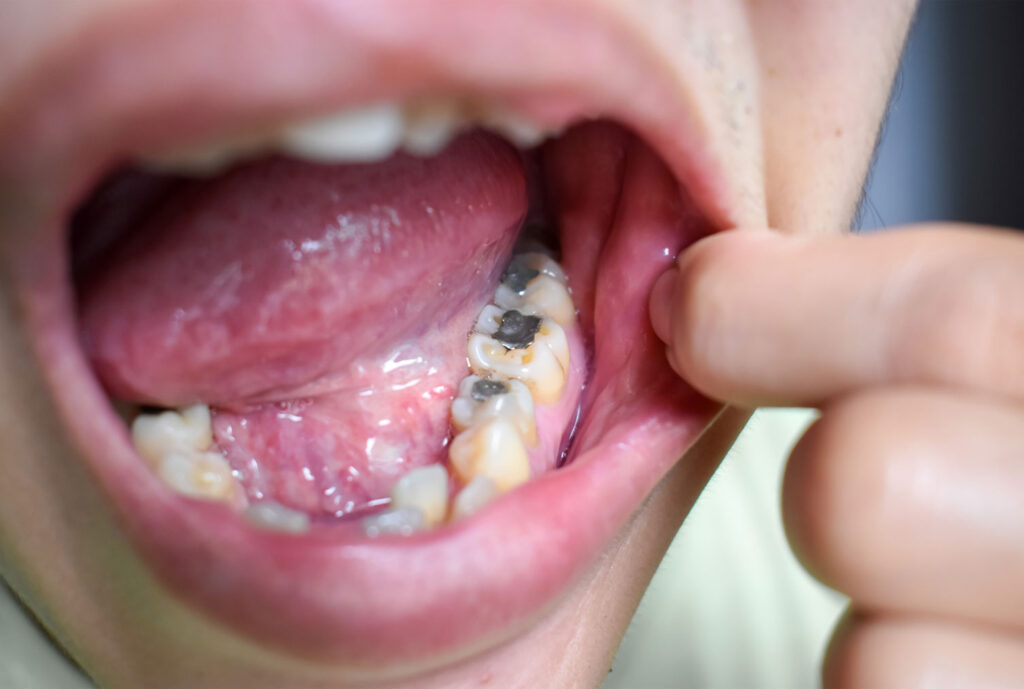
🦷✨ Different Types Of Fillings: Composite Fillings
Composite fillings combine resin and glass-like particles. In addition, your dentist can match composite fillings to your tooth color. As a result, they’re a popular cosmetic option—especially for teeth that show when you smile.
✅ Pros
- Tooth-colored and natural-looking.
- Useful for both front and back teeth.
⚠️ Considerations
Often costs more and may have different insurance coverage.
However, composite fillings may wear faster than amalgam in high-pressure areas. So, if you grind your teeth or you need a larger filling on a molar, your dentist may recommend a different material.
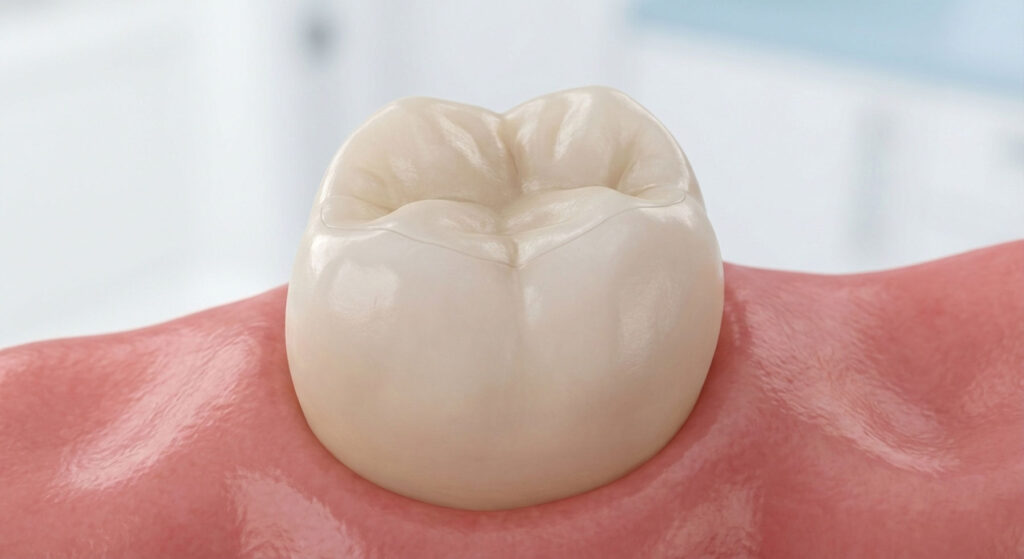
🤍 Different Types Of Fillings: Ceramic Fillings
Ceramic fillings are often made from porcelain. Because of that, they look very natural. In addition, they resist staining, which means they can stay brighter-looking over time.
✅ Pros
- Excellent aesthetics and stain resistance.
- Metal-free option.
⚠️ Considerations
- Can be more brittle for larger restorations.
- Usually more expensive.
- Sometimes it requires more than one visit.
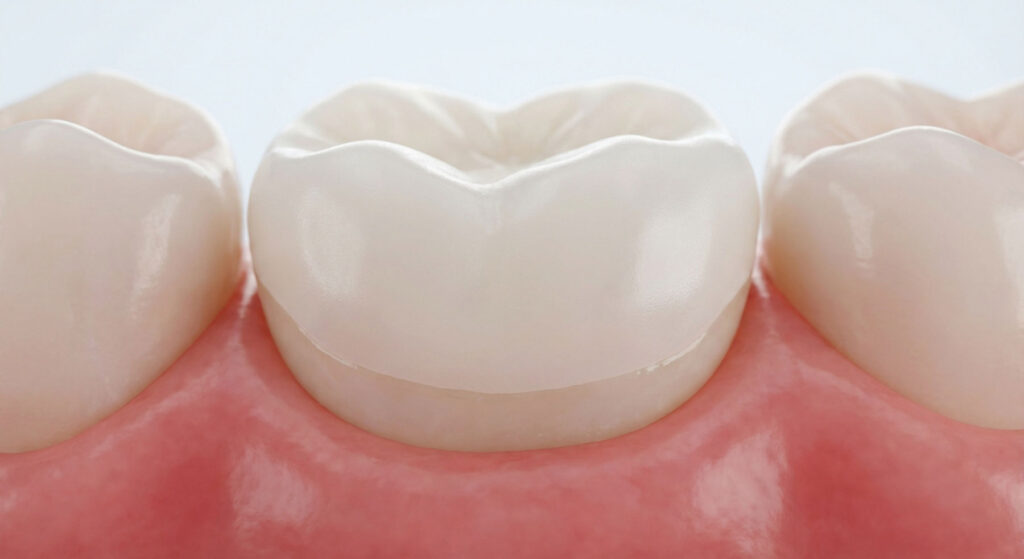
🧊 Glass Ionomer Fillings
Glass ionomer fillings are made from acrylic and glass. Also, they can release fluoride, which may help reduce decay risk in certain cases.
✅ Pros
- Fluoride-releasing potential.
- Common for small fillings in children or as temporary fillings.
⚠️ Considerations
- Less durable and more prone to wear.
- Not ideal for large fillings on heavy-chewing surfaces.
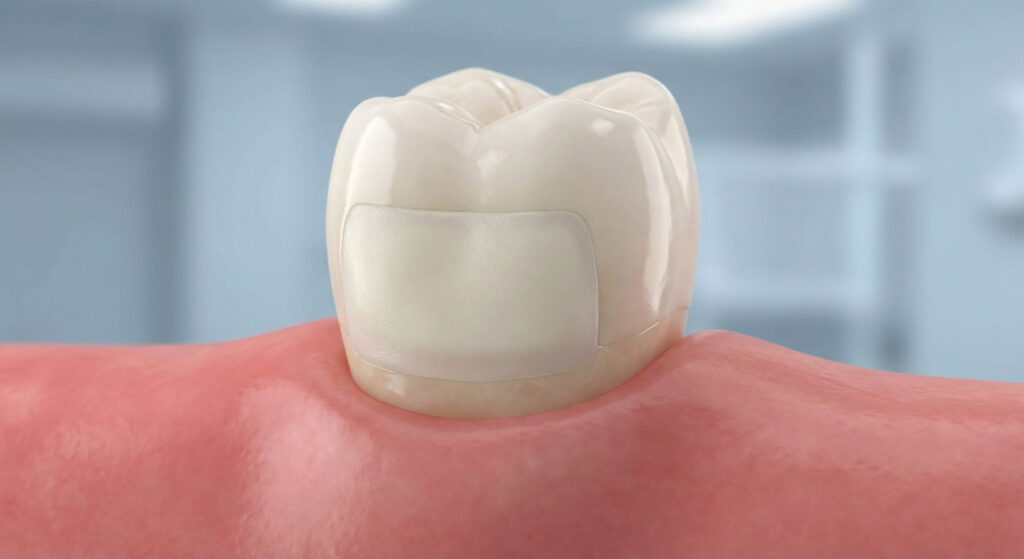
🟡 Different Types Of Fillings: Gold Fillings
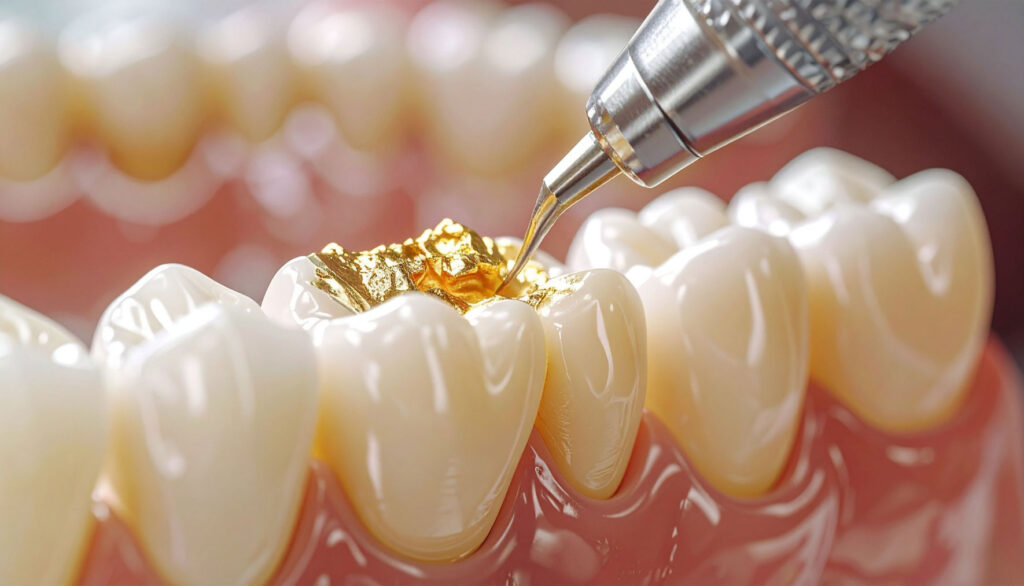
Gold fillings use a gold alloy. They’re well-known for strength and longevity.
✅ Pros
- Very durable and long-lasting.
- Biocompatible and corrosion-resistant.
⚠️ Considerations
- Visible when you talk or smile.
- Most expensive option.
✅ Recommendations: Which Filling Should You Choose?
The best choice usually depends on location, size, and your goals (appearance vs durability).
- For back teeth and value: amalgam may fit.
- For a natural look: composite or ceramic often works best.
- For small fillings (often pediatric): glass ionomer can be helpful.
- For maximum durability (and if you don’t mind visibility): gold is a strong option.
Still, your dentist should evaluate your bite, grinding habits, and the cavity size before choosing a material.Tooth pain—or think you need a filling? Smiles For Health can help you choose the right material and get comfortable, lasting results.