Snoring and insomnia may seem like common sleep problems. However, they can also be signs of sleep apnea. If you’re looking for sleep apnea treatment Carlsbad, it helps to understand something important: sleep apnea can contribute to oral health problems, and dental issues can also make sleep apnea symptoms worse. So, let’s break down the connection.
😴 What is Sleep Apnea?
Sleep apnea is common. In fact, one widely cited estimate reports that at least 25 million U.S. adults have obstructive sleep apnea (OSA).
Involves repeated breathing interruptions (apneas) during sleep cycles. These interruptions can happen when airway tissues collapse or the airway becomes blocked. For example, weak airway muscles, a large tongue, excess weight, or other risk factors can contribute.
Because apneas disrupt sleep, they can reduce daytime energy and focus. In addition, poor sleep can affect long-term health. So, even if you get 8 hours in bed, frequent apneas can still prevent restorative rest.
Untreated sleep apnea can be serious. Over time, it can lower oxygen levels, raise blood pressure, and strain the cardiovascular system. As a result, it may increase the risk of severe, potentially life-threatening complications.
✅ Common Symptoms of Sleep Apnea
Common symptoms include:
- Reduced or absent breathing
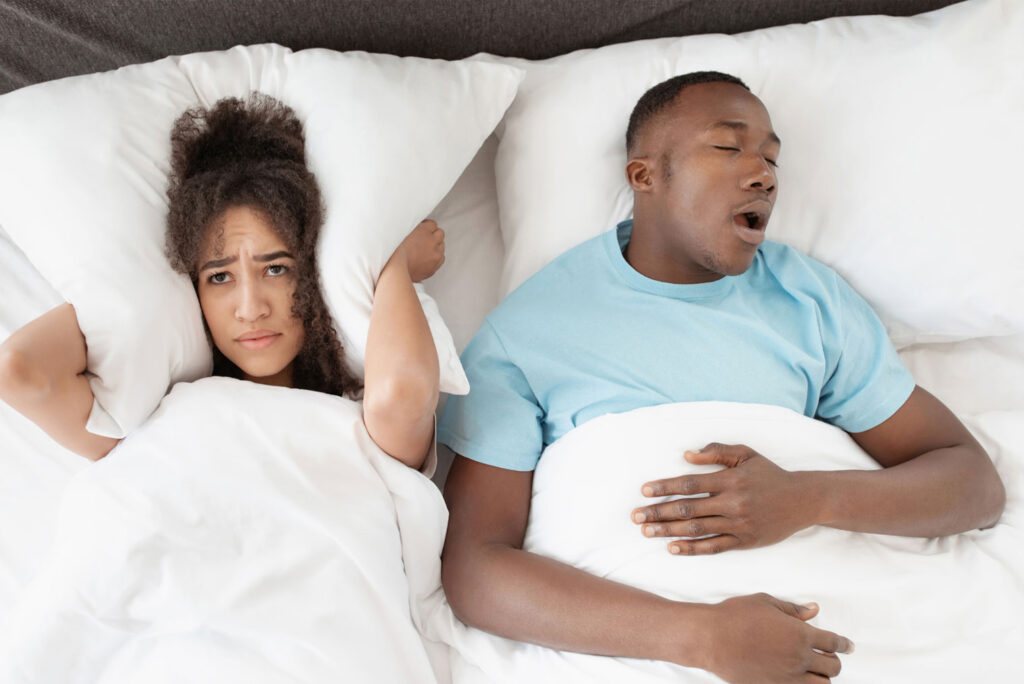
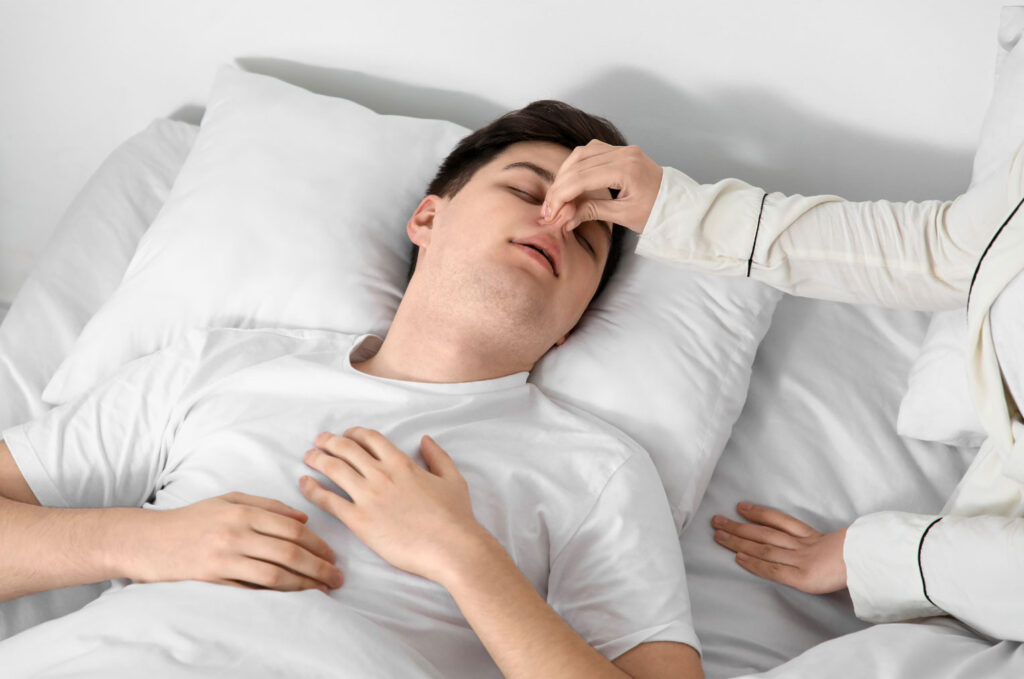
- Frequent and loud snoring
- Gasping for air during sleep
- Daytime sleepiness and fatigue
- Decreases in attention and concentration
- Forgetfulness
- Dry mouth and headaches upon waking
- Nocturia (waking up often during the night to urinate)
- Sexual dysfunction and/or decreased libido
In addition, women can also experience anxiety, depression, insomnia, and frequent waking. Meanwhile, children may experience hyperactivity, bed-wetting, and academic performance problems.
⚠️ Risk Factors
Major risk factors include being overweight, a family history of snoring or sleep apnea, and being male. Additional risk factors include:
- Being over 40 years old
- Being a post-menopausal woman
- A large neck
- Large tonsils or a large tongue
- A small jawbone
- Nasal or sinus problems

🦷 Sleep Apnea Treatment in Carlsbad: The Connection to Oral Health
Quality sleep supports overall health. Likewise, it supports oral health. When sleep apnea increases mouth breathing and reduces saliva at night, oral problems can worsen. Therefore, some dental symptoms appear more often in people with sleep-related breathing issues.
Dental problems often associated with sleep apnea include TMJ disorders, bruxism, and mouth breathing..
😬 TMJ and Sleep Apnea:
Evidence suggests TMJ disorders and sleep issues may overlap. The TMJ connects your lower jaw to your upper jaw, and you have one joint on each side of your face.
Symptoms of a TMJ disorder include:
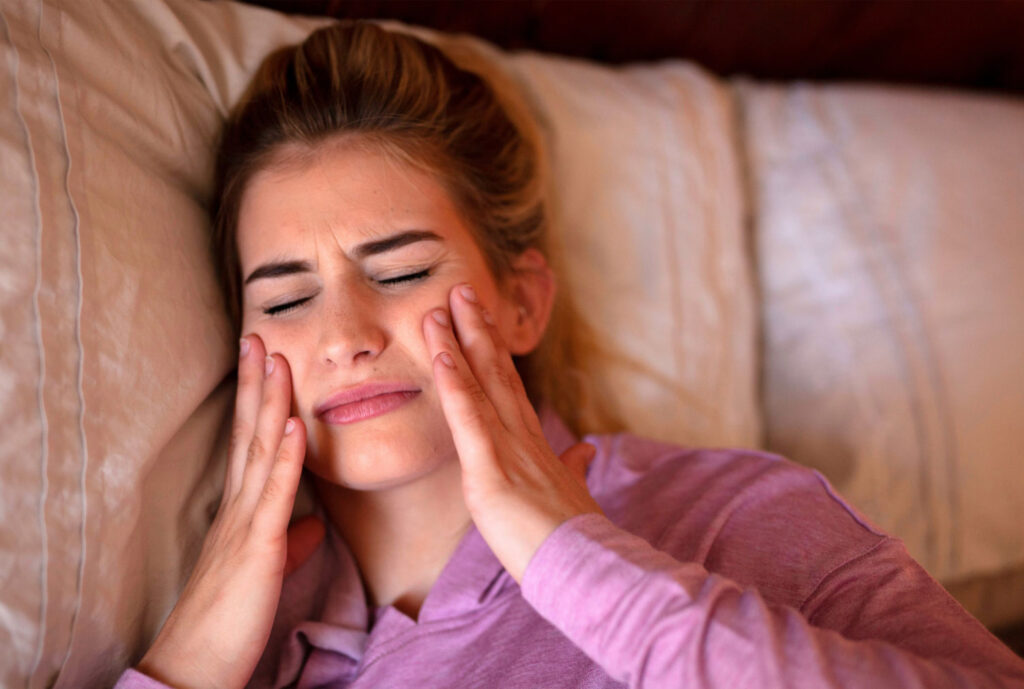
- Jaw pain
- Pain throughout the head, neck, and shoulders
- Problems chewing
- Clicking or grinding sounds
- Locked jaw (difficulty opening/closing)

🦷 Bruxism (grinding/clenching) and Sleep Apnea:
Bruxism means grinding teeth or clenching the jaw. It can happen anytime, but it often occurs during sleep. Because of that, many people don’t realize they do it. However, your dentist may spot signs during an exam.
Signs can range from loose teeth to worn tooth surfaces, cracks, chips, and broken teeth. In addition, people may wake up with headaches, neck pain, or jaw soreness.
💨 Mouth Breathing, Dry Mouth, and Tooth Decay Risk
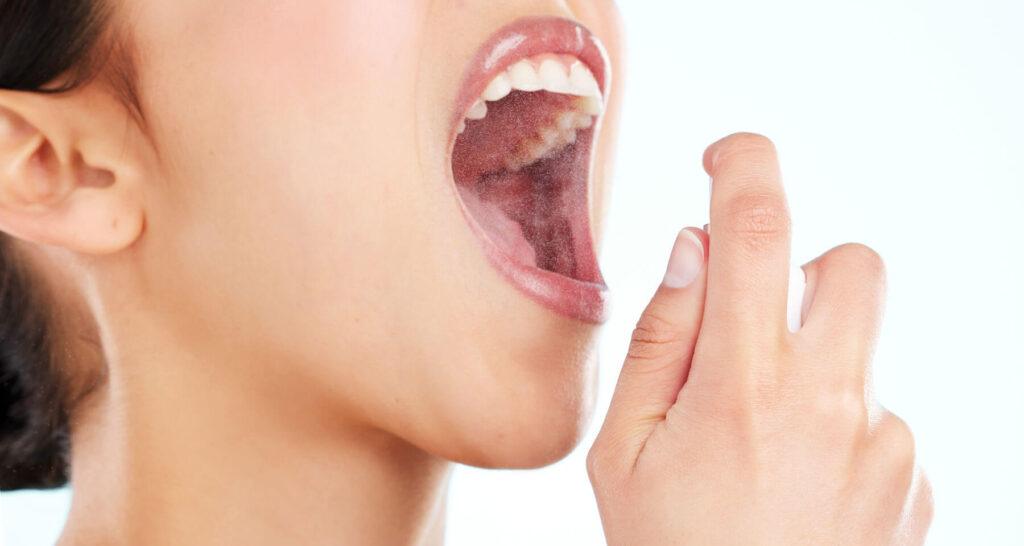
Sleep apnea can lead to mouth breathing. Mouth breathing often causes dry mouth. Dry mouth matters because saliva helps protect teeth and gums. Without enough saliva, tooth decay and oral infections can develop. Ada
As a result, dry mouth can contribute to plaque buildup, mouth sores, gingivitis (gum inflammation), and periodontal disease.
👧Sleep Apnea in Children
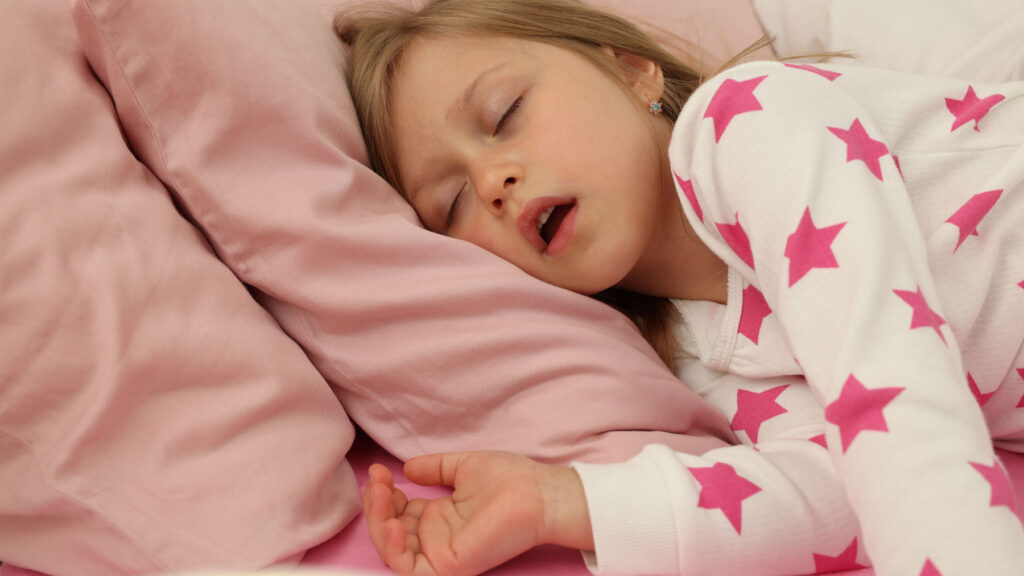
Many people associate sleep apnea with adults. However, children can also have sleep apnea. One NIH resource notes that sleep disorders affect tens of millions of Americans, highlighting how widespread sleep problems are overall.
When children experience sleep-disordered breathing, mouth breathing can become common, which may create oral health risks over time.
🔎 What to look for (Dental Signs)
You might wonder: how do you know sleep apnea may link to dental symptoms? Here are oral signs to watch for in adults and children:
- Clenching and grinding during sleep (sometimes loud)
- Tightness and pain in jaw joints
- Sore and raw spots from chewing the inside of cheeks
- Dull headaches that start at the temples
If you or your child experience these symptoms, discuss them with us at Smiles for Health. We may suggest ways to reduce the dental symptoms. Also, your physician or sleep specialist can confirm whether symptoms relate to sleep apnea or another sleep disorder.
If you notice you or your child is experiencing any of these symptoms then you need to discuss these symptoms with us at Smiles for Health. We might be able to suggest ways to alleviate them. Your medical doctor can determine if your symptoms are related to sleep apnea or other sleep disorders.
🌙 How Smiles for Health Can Help with Oral Health and Sleep Apnea
Smiles for Health, we can help address dental symptoms linked to sleep disruption. Depending on your needs, we may recommend:
- Behavior modifications to improve sleep quality
- Dental care that supports healthier gums and teeth
- Orthodontic treatment when misalignment contributes to issues
- Dry mouth strategies
- A dental mouthpiece to help manage grinding and clenching
We can also create custom-made mouthpieces. These can feel like an investment. However, for many patients, they can be life-changing. At the same time, online options exist, but you should discuss them with your dentist before purchasing.
At Smiles For Health, we offer sleep apnea services so you can sleep comfortably. If you’re looking for sleep apnea Carlsbad, call today to schedule your appointment!”