If the idea of a dental visit makes your stomach drop, you’re not alone. Many patients deal with anxiety, a strong gag reflex, or fear of needles; however, that doesn’t mean you have to avoid care. Sedation dentistry types can help you feel calmer and more comfortable during treatment, so you can focus on getting healthy—not powering through stress.
Understanding Sedation Dentistry
Sedation dentistry uses medications or gases to help you relax during dental treatment. In other words, it supports comfort and reduces anxiety while your dental team completes the procedure safely.
How Sedation Works During Dental Procedures
Your dentist can deliver sedation in different ways, depending on your needs and the treatment plan. For example, you may inhale a calming gas, take medication by mouth, or receive medication through an IV. Therefore, the approach can match your comfort level—not the other way around.

Sedation Dentistry Types
Local Anesthesia
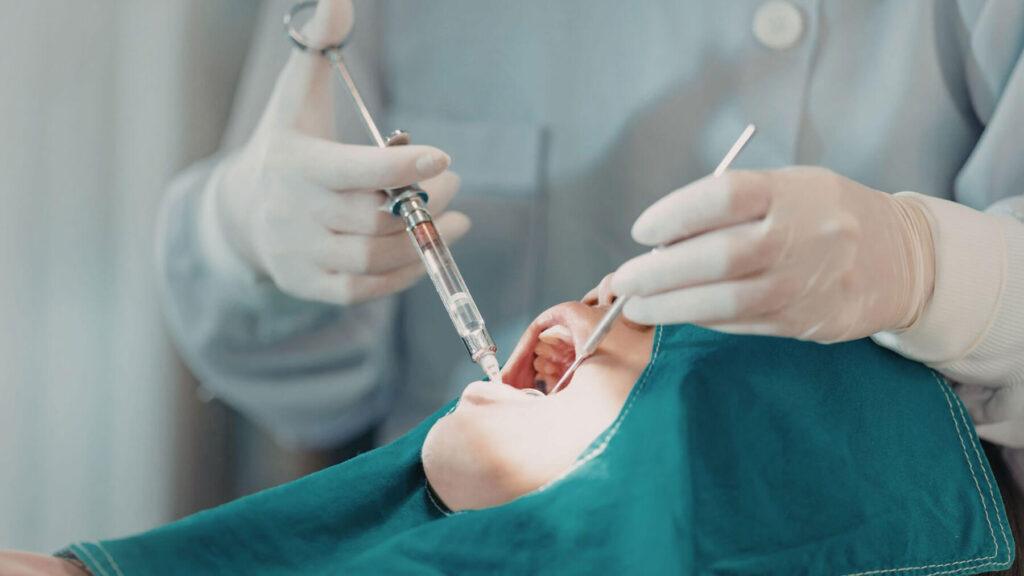
Local anesthesia numbs a specific area, so you don’t feel pain during treatment. However, it doesn’t reduce anxiety by itself. Dentists often use it for fillings, simple extractions, and many routine procedures.
Common uses: fillings, extractions, root canals, deep cleanings
Best for: patients who feel okay emotionally but want a painless experience
Nitrous Oxide Sedation (Laughing Gas)
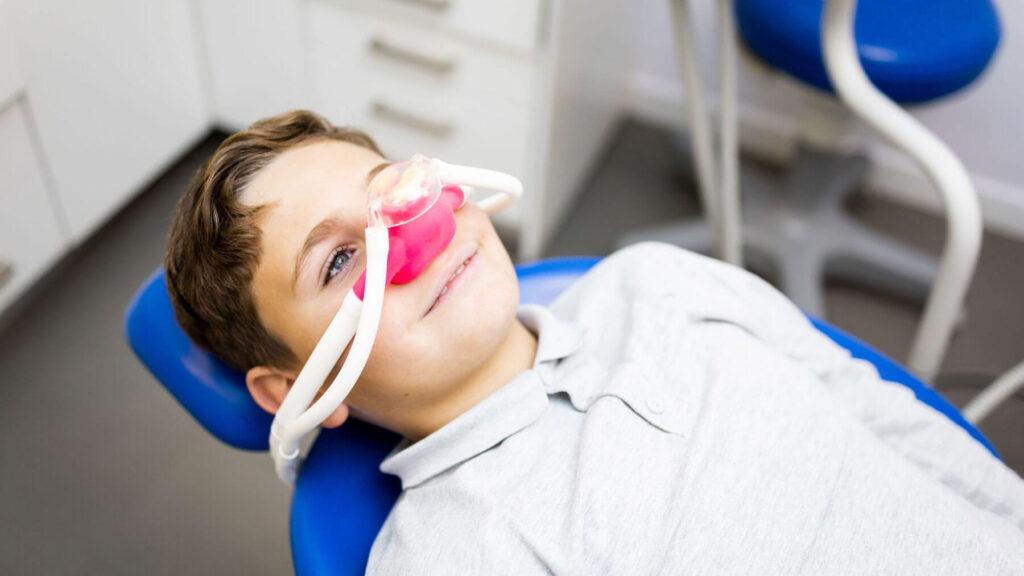
Nitrous oxide is a mild sedative you inhale through a small mask. It works quickly and wears off fast; therefore, many patients feel comfortable returning to normal activities soon after (depending on your dentist’s guidance). It can reduce anxiety and help you stay relaxed during treatment.
Common uses: cleanings, fillings, crowns, simple extractions
Best for: mild to moderate anxiety, gag reflex, and patients who want a lighter option
Oral Sedation
Oral sedation uses a prescribed pill or liquid taken before your appointment. It can help you feel drowsy and calm; however, you’ll still respond to instructions. Because it can affect coordination, you’ll need someone to drive you home.
Common uses: longer appointments, moderate anxiety, multiple procedures
Best for: patients who want deeper relaxation without IV sedation

IV Sedation
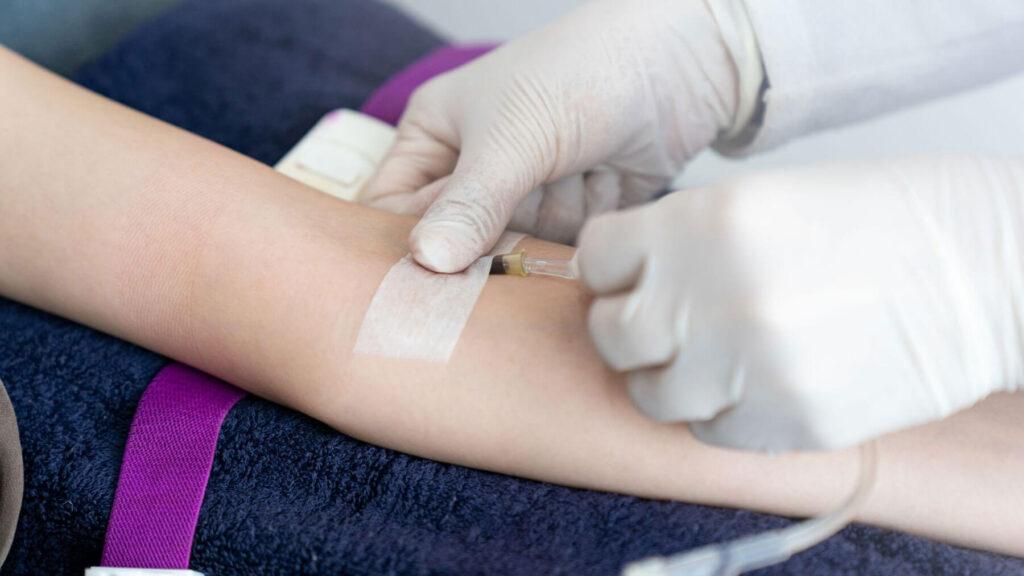
IV sedation delivers medication through a vein, which allows your provider to adjust the level of sedation during the procedure. It acts quickly and can feel “time-compressed”; in other words, many patients remember little of the appointment. Since it’s more involved, it requires appropriate monitoring.
Common uses: complex procedures, extensive treatment, high anxiety
Best for: severe anxiety, strong gag reflex, and longer surgical visits
Deep Sedation
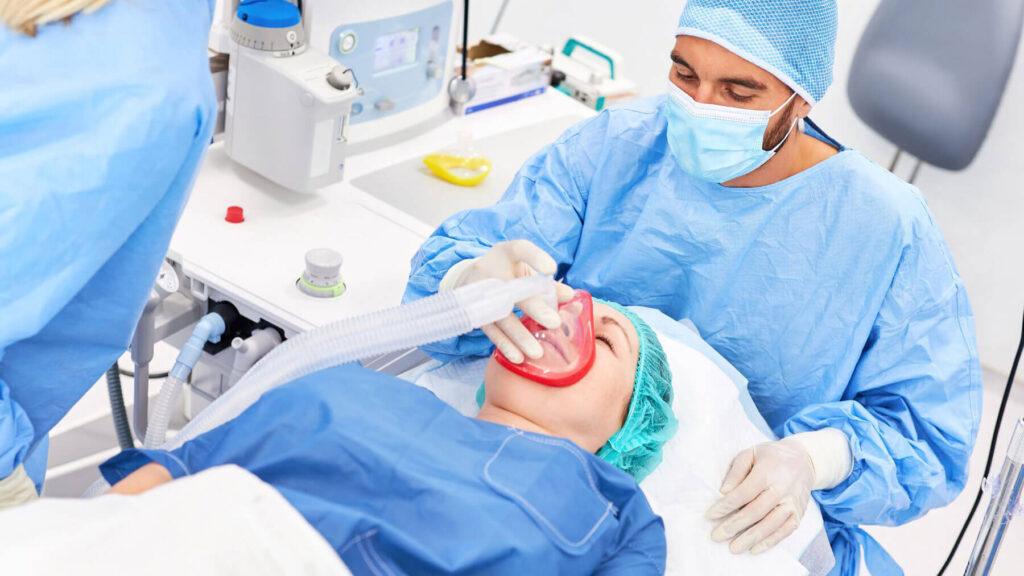
Deep sedation places you in a near-unconscious state. You may not respond easily to stimulation; therefore, your team monitors you closely. Dentists typically reserve this for complex surgical cases.
Common uses: complex extractions, major restorative or surgical treatment
Best for: situations where lighter methods won’t provide enough comfort or cooperation

General Anesthesia
General anesthesia causes full unconsciousness. It’s not the standard for routine dentistry; however, certain medical conditions, severe anxiety, or major procedures may call for it in the right setting with specialized supervision.
Common uses: major surgical cases, select special-needs or high-complexity situations
Best for: cases where other sedation methods cannot safely meet the need
How Your Dentist Chooses the Right Option
Choosing among sedation dentistry types depends on your health history, the procedure, your anxiety level, and safety considerations. Therefore, your dentist should review medications, allergies, and any conditions like sleep apnea before recommending a plan.
How to Prepare for Sedation Dentistry
Preparation depends on the method used. For example, you may need fasting instructions, medication guidance, and a driver. In addition, you’ll want to share your full medication list and any past reactions to anesthesia.
Recovery and Aftercare
With nitrous oxide, recovery is often quick; however, oral and IV sedation usually require downtime and a ride home. Your dentist will explain what to expect, how to manage soreness, and when to resume normal activity.
Sedation Dentistry at Smiles For Health (Carlsbad, CA)
At Smiles For Health, we take dental anxiety seriously. That said, we keep the plan simple: we listen, explain options clearly, and choose the safest comfort approach for your needs.
If you’re curious about sedation dentistry types or want a calmer way to complete treatment, schedule an appointment with Smiles For Health in Carlsbad, CA.