Why You Shouldn’t Ignore It
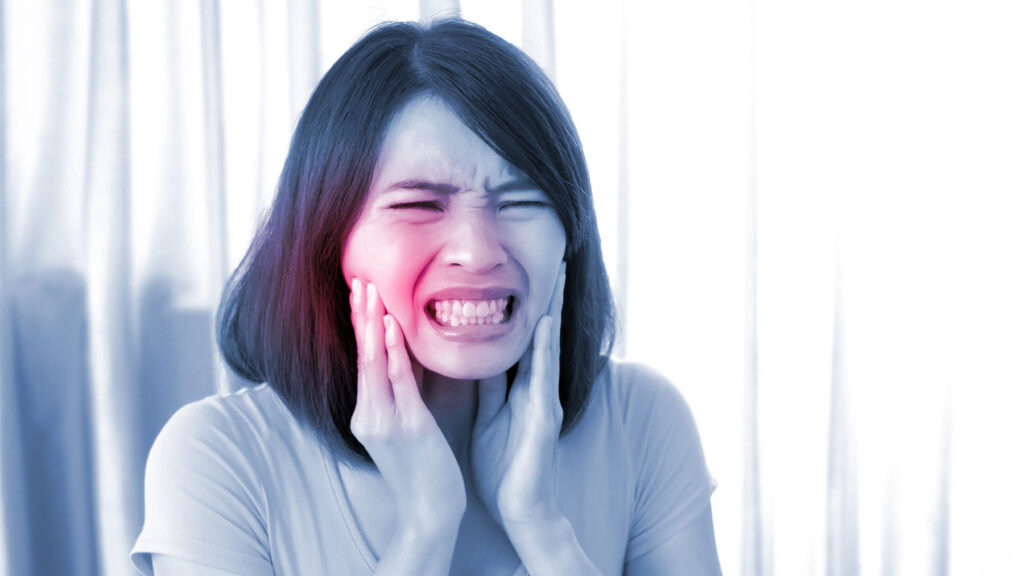
If you’re dealing with jaw pain and your health, start with this: you’re not alone. Temporomandibular disorders (TMD/TMJD) affect an estimated 5%–10% of the U.S. population and occur about twice as often in women. In addition, NIDCR reports that a study found about 11–12 million U.S. adults had pain in the temporomandibular joint (TMJ) region.
🦷 What TMD/TMJD Means For Jaw Pain And Your Health
TMD is an umbrella term for 30+ conditions that cause pain and dysfunction in the jaw joint and/or the muscles that control jaw movement. In other words, jaw pain isn’t always “just the joint”—it can also involve muscle strain, connective tissue, and movement patterns.
Moreover, experts describe TMD as complex, with multiple contributing factors rather than one single cause.
🔗 Jaw Pain And Your Health: Related Symptoms And Conditions That Often Show Up Together
This is the part many people don’t expect: TMD can occur alongside other conditions. That doesn’t automatically mean one causes the other; however, trusted sources note TMD can co-occur with issues like headaches, sleep problems, fibromyalgia, back pain, migraine, irritable bowel syndrome, and arthritis.
So, if your jaw pain comes with:
- 🤕 Frequent headaches,
- 😴 Poor sleep or waking up sore,
- 😬 Chewing fatigue or clenching,
- 🔊 Clicking, locking, or limited opening,
…it’s worth getting evaluated, because identifying the pattern helps guide the right plan.

✅ Conservative Treatments That Often Help Most
In many cases, conservative care is the first step, and patients often improve with that approach. For example, clinical guidance describes initial measures like jaw rest, a soft diet, moist warm compresses, and gentle stretching.
Depending on your situation, your plan may also include:
- 🧑⚕️ Physical therapy,
- 💊 Professionally guided medications,
- 🧊🔥Cold or heat based on your symptoms, and
- 🍲 Diet adjustments to reduce chewing strain.
Overall, the sooner you reduce muscle load and address habits, the easier it becomes to break the pain cycle.
⚠️ When Jaw Pain Needs Urgent Care
Jaw pain isn’t always an emergency. However, you should get urgent help if you notice:
- major swelling,
- fever,
- severe pain that won’t ease,
- trouble opening your mouth or swallowing.
If you need urgent guidance, start here: Emergency Dentistry.
At Smiles For Health, we take jaw pain and your health seriously, and we also understand dental anxiety. So, we’ll move at a calm pace, explain every step, and help you feel in control while we figure out what’s driving your symptoms. 💛