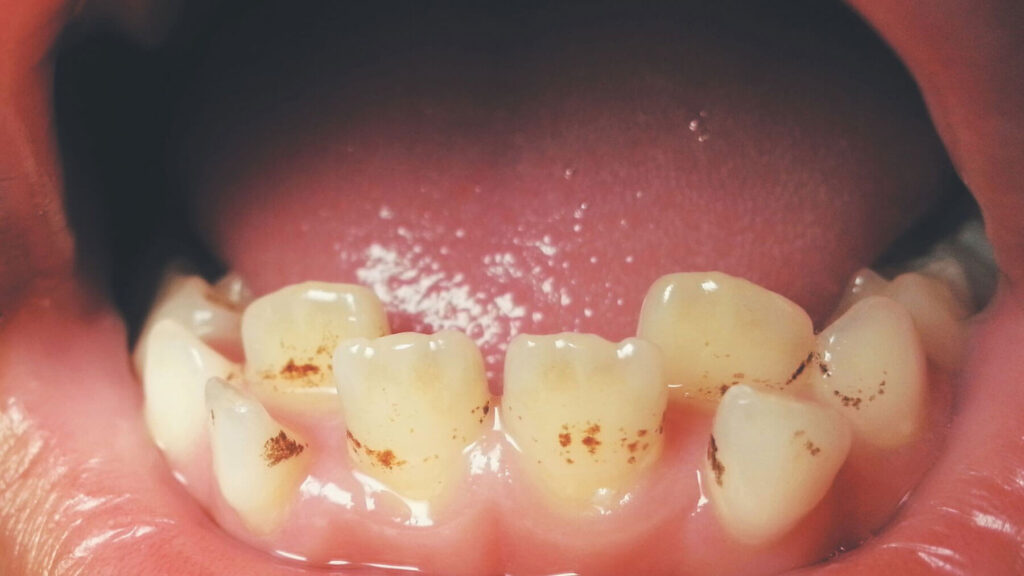
If you’ve ever noticed a rough, yellow-brown buildup on your teeth, especially near the gum line, you’re likely looking at tartar. Tartar, also known as calculus, is a hardened form of plaque that can lead to a host of dental problems if not addressed. Many people wonder how to remove tartar from teeth effectively, often hoping for simple solutions they can try at home. While certain home remedies can help manage plaque and might even offer some assistance with very minor, superficial tartar, it’s crucial to understand their limitations. At Smiles for Health DDS, we believe in empowering you with knowledge, but also in stressing the importance of professional care for optimal oral health. Understanding how to get rid of plaque and tartar is a common search, and we’re here to provide clear, actionable insights into what works and when to seek professional help to protect your smile. Whether you’re looking into preventive dentistry or addressing specific concerns like dental fillings or root canals, our comprehensive service offerings are designed for your complete dental wellness. Don’t let uncertainty about tartar compromise your oral health; contact us at Smiles for Health DDS today to schedule your comprehensive dental check-up and cleaning.
What Causes Tartar to Build Up on Teeth?
Tartar doesn’t just appear out of nowhere; it’s a direct result of plaque that hasn’t been removed. Here’s a quick breakdown of what causes it and some contributing factors:
- Plaque Hardens: Every day, a sticky, colorless film of bacteria, food particles, and saliva, called plaque, forms on your teeth. If this plaque isn’t thoroughly removed through regular brushing and flossing, it absorbs minerals from your saliva and hardens into tartar. This can happen surprisingly quickly, often within 24 to 72 hours. This process creates a rough surface that attracts even more plaque, accelerating the cycle.
- Poor Oral Hygiene: Inconsistent or ineffective brushing and flossing are the primary culprits. If you’re not reaching all surfaces of your teeth, including the back molars and along the gum line, plaque will accumulate in those missed spots, eventually turning into stubborn tartar. Regular and proper oral hygiene is your first line of defense.
- Diet: A diet high in sugary and starchy foods can significantly contribute to plaque formation because these foods feed the bacteria in your mouth, allowing them to multiply and produce more plaque. Reducing your intake of such foods can go a long way in prevention.
- Smoking: Tobacco use is a significant factor, as smokers often have more tartar buildup than non-smokers. The chemicals in tobacco can damage gum tissue and create an environment conducive to plaque and tartar accumulation.
- Dry Mouth: Saliva plays a crucial role in washing away food particles and neutralizing acids in your mouth. If you have a dry mouth, whether due to medication, health conditions, or simply not drinking enough water, plaque and tartar can accumulate more easily due to reduced natural cleansing.
Preventing tartar means being diligent about removing plaque daily. Regular exams and cleanings at Smiles for Health DDS are your best defense, as our dental hygienists can remove plaque and early tartar before it becomes a bigger problem. We also offer fluoride treatment and dental sealants to further protect your teeth, especially for our younger children’s dentistry patients. Our approach to wellness dentistry focuses on comprehensive care that keeps your smile bright and healthy.
Can You Remove Tartar From Teeth At Home Safely?
This is a really important question when considering tartar removal at home. The straightforward answer is: you can manage plaque and prevent significant tartar buildup with excellent home care, but removing hardened tartar safely and effectively usually requires a professional touch. Trying to remove hard tartar yourself can lead to serious damage to your teeth and gums.
What’s Safe at Home for Plaque Prevention (and very minor surface stains):
- Brushing Twice Daily: Use a soft-bristled brush and fluoride toothpaste. Brushing vigorously for at least two minutes, twice a day, removes plaque before it hardens into tartar. Remember to brush all surfaces of your teeth.
- Flossing Daily: This is critical for removing plaque and food particles from between your teeth and under the gum line, areas your toothbrush can’t reach. Skipping flossing allows plaque to accumulate in these tight spaces, leading directly to tartar. Consider different types of floss or interdental cleaners to find what works best for you.
- Rinsing with Mouthwash: An antimicrobial mouthwash can help reduce bacteria and plaque throughout your mouth, adding an extra layer of defense against tartar formation. Always choose a reputable brand and follow the instructions.
- Healthy Diet: Limiting sugary snacks and drinks helps starve the bacteria that produce plaque. Eating crunchy fruits and vegetables can also help naturally clean your teeth.
What’s NOT Safe (and when to seek a dentist):
- Sharp Objects/DIY Scaling Tools: Using sharp objects like dental picks, needles, or anything not specifically designed for at-home oral care to scrape tartar off your teeth is extremely dangerous. You can easily scratch your enamel, damage your gums, introduce bacteria into open wounds, or push tartar further under the gum line. This can lead to severe infections, gum recession, or even tooth loss, potentially requiring an immediate visit to an emergency dentist.
- Abrasive Pastes/Grits: While some “natural” remedies or online suggestions might recommend using highly abrasive materials like coarse salts or strong acids, these can permanently wear down your tooth enamel over time. Enamel is crucial for protecting your teeth from decay and sensitivity. Once enamel is gone, it doesn’t grow back.
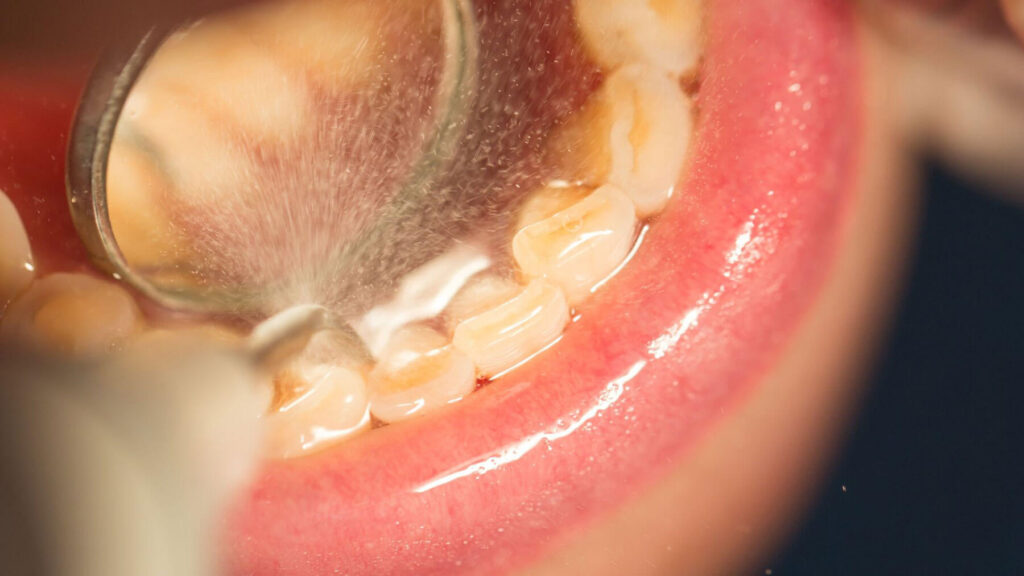
- Once Tartar Has Formed: Hardened tartar is firmly bonded to your tooth enamel. It requires professional dental tools and techniques to remove it without damaging your teeth. Professional cleaning, often called scaling, uses specialized instruments to carefully dislodge tartar without harming your enamel or gums.
If you have visible tartar, or if your gums are bleeding or inflamed, it’s definitely time to schedule a visit to Smiles for Health DDS. Our team, including Dr. Diana Zorro DDS, uses specialized instruments to safely and thoroughly remove tartar during your regular exams and cleanings. This professional cleaning is the most effective way to protect your teeth and gums from advanced issues like gum disease. Don’t risk damaging your smile with unsafe DIY methods; trust the experts at Smiles for Health DDS. Your oral health is too important to jeopardize. Contact us today for a professional cleaning and to discuss any of our other service options, such as smile makeovers or teeth whitening.

Do Certain Foods or Drinks Help Reduce Tartar Buildup?
While good old brushing and flossing are your main champions against tartar, it’s true that some foods and drinks can give your mouth an extra helping hand. Think of them as your diet’s secret agents for oral health. They work by either helping to scrub your teeth, increasing saliva production (which naturally washes away plaque), or containing compounds that fight bacteria.
Here are some oral-health-friendly choices:
- Crunchy Fruits and Vegetables: Apples, carrots, celery, and cucumbers are like nature’s toothbrushes. Their fibrous texture helps to gently scrub away food particles and plaque as you chew, stimulating saliva flow in the process. This mechanical action can be surprisingly effective for surface cleaning.
- Dairy Products: Cheese, milk, and plain yogurt are fantastic for your teeth. They contain calcium and phosphates, which help strengthen tooth enamel and can even help repair minor damage. Cheese, in particular, also helps to neutralize acids in your mouth that can contribute to plaque formation after meals.
- Green Tea: This popular beverage is packed with compounds called polyphenols, which can reduce bacterial growth and activity in your mouth, directly impacting plaque formation. Just be mindful that excessive consumption of any tea can lead to staining over time, but the benefits for fighting plaque can be significant.
- Water: Staying hydrated throughout the day is one of the simplest yet most effective ways to combat plaque and tartar. Water washes away food debris and acids, and if it’s fluoridated, it provides an extra layer of protection for your enamel.
While these foods and drinks are great allies, they are not a substitute for regular brushing, flossing, and professional cleanings. They simply complement your overall oral hygiene routine, contributing to your wellness dentistry goals. For a truly healthy smile, a balanced diet and consistent dental care go hand-in-hand. Curious about how your diet impacts your teeth or want to explore other preventive measures like dental sealants? Contact us at Smiles for Health DDS to schedule a consultation. We can help you create a personalized plan for optimal oral health.
How Effective Are Tartar Control Toothpastes and Mouthwashes?
Many people turn to tartar control toothpastes and mouthwashes hoping for an easy fix to prevent buildup. These products can indeed be a helpful part of your daily routine, but it’s important to understand what they do and, more importantly, what they don’t do.
- Tartar Control Toothpastes: These toothpastes are designed to prevent new tartar from forming, or at least slow down its accumulation, not remove existing hardened tartar. They typically contain chemical compounds like pyrophosphates (e.g., tetrasodium pyrophosphate, pentasodium triphosphate) or zinc citrate. These ingredients work by interfering with the mineralization process that turns soft plaque into hard tartar. They essentially make it harder for plaque to stick to your teeth and calcify. Most also contain fluoride, which is essential for strengthening enamel and preventing cavities, working alongside services like dental bonding or dental crowns to maintain tooth integrity.
- Tartar Control Mouthwashes: Similar to toothpastes, these mouthwashes also aim to reduce plaque buildup and inhibit tartar formation. They often contain antiseptic ingredients like essential oils (eucalyptol, thymol, menthol, methyl salicylate) or cetylpyridinium chloride, which kill bacteria that contribute to plaque. Some may also include zinc salts or other anti-calculus agents to help prevent mineralization. They can be a good addition for reaching areas that might be harder to brush or floss effectively, complementing your routine exams and cleanings.
While these products can be beneficial in preventing tartar, they cannot remove tartar that has already formed. Once tartar is present, it’s essentially a rock-hard deposit on your teeth, and no amount of brushing or rinsing with over-the-counter products will get rid of it. Think of them as excellent preventive tools, but not curative ones. For existing tartar, professional removal is always necessary. Our Smiles for Health DDS team can recommend the best oral hygiene products tailored to your needs during your exams and cleanings. Don’t compromise your smile by relying solely on over-the-counter solutions for existing buildup. Schedule a professional cleaning with us; it’s the most effective way to ensure a truly clean and healthy mouth. Visit our contact us section to book your appointment and learn more about comprehensive service options.

When Should You Get Professional Dental Cleaning for Tartar?
Even with the most diligent brushing, flossing, and use of tartar control products, regular professional dental cleanings are absolutely essential. This is because tiny amounts of plaque will always find places to hide and harden into tartar, especially in hard-to-reach areas or below the gum line. So, when should you pick up the phone and book that appointment with Smiles for Health DDS?
Here are clear signs that your home care isn’t quite enough and it’s time for a professional cleaning:
- Visible Tartar Buildup: If you can see yellowish or brownish deposits on your teeth, particularly along the gum line or between teeth, that you can’t brush away, that’s tartar. It’s rough to the touch and a sure sign you need a professional cleaning.
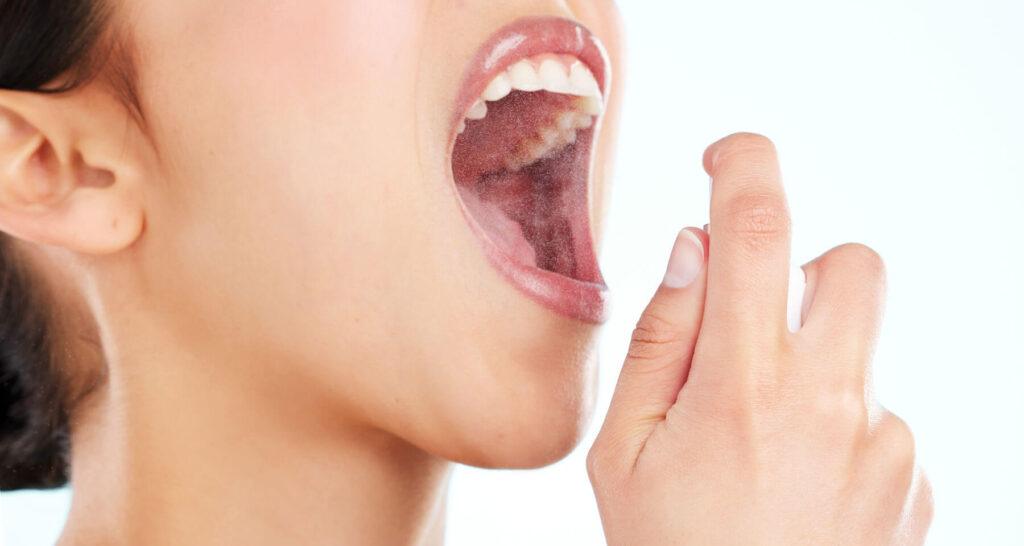
- Persistent Bad Breath: If you have chronic bad breath that doesn’t improve with brushing and flossing, it could be due to bacterial buildup in plaque and tartar. These bacteria release foul-smelling gases.
- Bleeding, Red, or Swollen Gums: These are classic signs of gingivitis, the early stage of gum disease, often triggered by plaque and tartar accumulation. Healthy gums should be pink and firm and should not bleed when you brush or floss.
- Tooth Sensitivity: Tartar buildup near the gum line can sometimes expose sensitive areas of the tooth, leading to discomfort when eating hot, cold, or sweet foods.
- Rough or Fuzzy Feeling on Your Teeth: Even if you don’t see visible tartar, if your teeth consistently feel “fuzzy” or rough despite brushing, it means there’s a plaque biofilm present that’s beginning to harden.
- It’s Been Six Months (or More!) Since Your Last Cleaning: Even without obvious signs, the American Dental Association generally recommends professional cleanings at least twice a year. This allows us to catch issues like tartar buildup, small cavities (which might need dental fillings), or signs of gum disease early. We can also perform oral cancer screenings during your regular check-up.
At Smiles for Health DDS, our dental hygienists use specialized instruments to safely and thoroughly remove all plaque and hardened tartar, both above and below the gum line. This process, called scaling, is key to preventing serious dental issues. Ignoring tartar can lead to more severe problems, including cavities, gum disease (TMJ/TMD treatment and sleep apnea treatment are also part of our comprehensive care). Don’t wait until discomfort becomes a major problem; a little preventive care goes a long way. Contact us today to schedule your next professional cleaning and maintain your healthy, beautiful smile!
Frequently Asked Questions
What is the safest way to remove tartar from teeth at home?
The safest methods for tartar removal at home include consistent brushing with tartar-control toothpaste and using dental floss daily. Smiles for Health DDS recommends these as key steps in effective tartar removal at home while emphasizing professional cleanings.
Can tartar removal at home completely replace professional dental cleanings?
No, while tartar removal at home helps manage buildup, only a dentist or hygienist can fully remove hardened tartar. Smiles for Health DDS advises regular visits to complement your home care routine.
How can I naturally remove tartar from teeth without harsh chemicals?
Natural options include brushing with baking soda or using oil pulling techniques. Smiles for Health DDS suggests these as supplementary practices but stresses their limits in managing tartar removal at home
What is the difference between plaque and tartar, and how do they affect teeth?
Plaque is a soft, sticky film of bacteria, while tartar is hardened plaque that attaches firmly to teeth. Smiles for Health DDS highlights understanding this difference is crucial for effective how to get rid of plaque and tartar strategies.
Are there specific toothpastes recommended for tartar removal at home?
Toothpastes containing pyrophosphates and fluoride are effective in controlling tartar buildup. Smiles for Health DDS recommends choosing these products as part of your tartar removal at home plan.
How often should I perform tartar removal at home to see results?
Consistent daily brushing and flossing are necessary to prevent tartar formation. Smiles for Health DDS notes that tartar removal at home is an ongoing process, best combined with professional cleanings.
Can diet impact how to remove tartar from teeth effectively?
Yes, reducing sugary and starchy foods lowers plaque formation, indirectly aiding tartar removal at home. Smiles for Health DDS advises a balanced diet to support oral hygiene efforts.
What role does mouthwash play in tartar removal at home?
Antiseptic mouthwashes help reduce bacteria and plaque, supporting tartar prevention. Smiles for Health DDS includes mouthwash as a complementary tool in tartar removal at home.
Is it safe to use dental scraping tools at home for tartar removal?
Using dental scraping tools at home is generally discouraged due to risk of gum injury. Smiles for Health DDS recommends leaving tartar removal to professionals to avoid damage.
How long does it take to notice improvements after starting tartar removal at home?
Visible improvement depends on tartar buildup severity but can take several weeks of consistent care. Smiles for Health DDS emphasizes patience and combining home efforts with dental visits.
What common mistakes should be avoided during tartar removal at home?
Overbrushing or using abrasive substances can damage enamel. It’s important to follow gentle but thorough oral hygiene routines to avoid harm.
How does smoking affect tartar buildup and removal?
Smoking increases tartar formation and complicates removal, making it harder to maintain oral health.
Are electric toothbrushes better for tartar removal at home than manual ones?
Electric toothbrushes can be more effective at plaque disruption, aiding tartar prevention when used correctly.
Can tartar buildup cause bad breath, and how can it be managed?
Yes, tartar harbors bacteria that cause bad breath; regular cleaning and tartar removal at home help manage this issue.
What signs indicate that tartar buildup requires professional dental intervention?
Signs include persistent gum inflammation, bleeding, or visible hard deposits that home care can’t remove, indicating a need for professional cleaning.