How To Fix a Cracked Tooth Naturally
A cracked tooth can be unsettling—especially when the pain comes out of nowhere. If you’re searching how to fix a cracked tooth naturally, it usually means you want fast relief and fewer complications. However, it’s important to know one key fact: a crack in a tooth doesn’t “seal back up” on its own. Still, you can take smart steps at home to reduce discomfort and protect the tooth until you get professional care.
At Smiles for Health DDS, we focus on two goals: first, helping you feel better quickly, and second, preventing the crack from turning into a bigger break or infection.
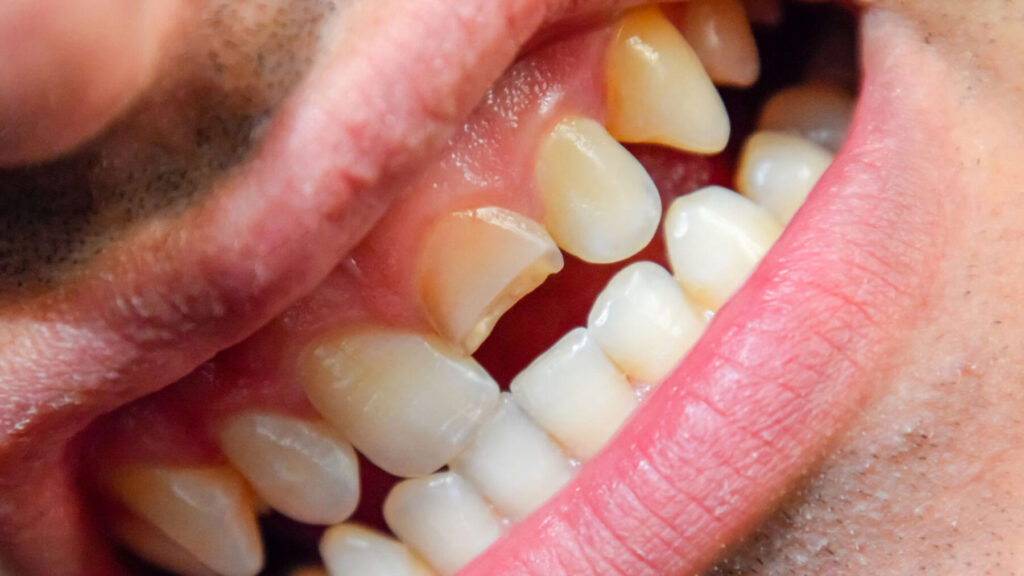
🧩 How a Tooth Crack Gets Worse Over Time
Even a hairline fracture can deepen. In other words, chewing pressure can slowly pry the crack open, especially if you bite on something hard or grind at night. As a result, the inner layers may become irritated, and sensitivity can increase.
🔍 What happens inside the tooth
When enamel is breached, the softer dentin can be exposed. Then, bacteria can sneak into microscopic spaces, which may inflame the nerve. Consequently, the pain can feel sharp, random, or hard to pinpoint.

🌿 How to Fix a Cracked Tooth Naturally: What You Can Do at Home
You can’t “repair” enamel naturally, but you can lower pain and reduce risk. Therefore, the best approach is symptom control + protection.
🧂 How to Fix a Cracked Tooth: Rinse gently to keep the area clean
Use warm salt water 2–4 times per day. It’s simple, yet it helps reduce bacteria around the crack.
🧊 Reduce swelling and throbbing
Apply a cold compress on the cheek for 10–15 minutes at a time. This can temporarily numb the area and calm inflammation.
🛑 How to Fix a Cracked Tooth Naturally: Protect the tooth from pressure
Chew on the opposite side. Also, avoid clenching if you notice you’re doing it during the day. If the tooth has a sharp edge, you can use temporary dental wax to prevent cuts.
Tip: If pain is strong, over-the-counter anti-inflammatory medication may help. Still, it’s not a fix—just a short-term bridge.

🚫 What NOT to Do If You’re Trying to Fix It Naturally
Home care can help, but certain “DIY” choices can make things worse.
❌ How to Fix a Cracked Tooth Naturally: Avoid these common mistakes
- Don’t chew ice, nuts, popcorn, or hard candy (they can spread the fracture).
- Don’t use superglue or household adhesives.
- Don’t ignore the crack just because the pain “comes and goes.” Sometimes that pattern means the nerve is being irritated.

🍽️ How to Fix a Cracked Tooth Naturally: What Foods to Avoid
Food choices matter because they change pressure on the tooth. So, keep textures soft until you’re evaluated.
🧱 Skip hard and crunchy foods
For example: chips, pretzels, crusty bread, seeds, and nuts.
🍬 How to Fix a Cracked Tooth Naturally: Avoid sticky foods
Caramels and chewy candy can tug at the tooth and pull debris into the crack.
🔥 Watch temperature triggers
Very hot or icy foods can spike sensitivity, especially if dentin is exposed.

🚨 When to See a Dentist Instead of Relying on Home Remedies
Natural steps are only for comfort and damage control. if symptoms escalate, don’t wait.
✅ How to Fix a Cracked Tooth Naturally: Seek urgent care if you have:
- pain when biting or releasing pressure
- swelling near the tooth, cheek, or jaw
- fever, fatigue, or a bad taste (possible infection)
- a visible crack or a piece that feels “loose”
- increasing sensitivity that doesn’t calm down
At that point, the safest move is a professional exam. Depending on the crack, treatment may include bonding, an onlay, a protective cap, or sometimes a root canal if the nerve is involved.

If you’re dealing with a crack and you’re not sure how serious it is, schedule an evaluation at Smiles for Health DDS. We’ll identify the type of fracture and recommend the most conservative option to protect the tooth before it worsens.
Frequently Asked Questions
What are safe at-home steps for a cracked tooth?
Start by rinsing with warm salt water, using a cold compress for swelling, and chewing on the opposite side. Meanwhile, avoid hard foods so the fracture doesn’t spread.
Do natural remedies actually repair a crack?
No. While home care can reduce discomfort, enamel and dentin don’t regenerate. Therefore, these methods are temporary support—not a permanent repair.
What if the crack is small and barely hurts?
Even if symptoms are mild, the crack can still deepen over time. So, it’s smart to get it checked early, especially if biting triggers pain.
Can oil pulling or coconut oil help?
It may reduce bacteria in the mouth. However, it won’t seal or strengthen the crack. In addition, it should never replace an exam if pain persists.
How long can home care relieve symptoms?
Relief can last hours to a day, depending on irritation. Still, if pain returns or increases, that’s a sign you need dental treatment.
Does a cold compress help with cracked tooth pain?
Yes. Cold therapy can reduce swelling and dull pain temporarily. Therefore, it’s a helpful short-term tool while you arrange care.
Is it risky to rely only on “natural fixes”?
Yes, because delaying treatment can lead to deeper fractures or infection. In other words, comfort today can become an emergency later.
Are saltwater rinses worth doing?
Absolutely. They’re gentle, they reduce bacteria, and they can soothe irritated tissue. Plus, they’re easy to repeat safely.
What should I avoid eating with a cracked tooth?
Avoid hard, crunchy, sticky, and very hot/cold foods. Instead, choose softer options until the tooth is stabilized.
Can a cracked tooth heal without treatment?
No. Teeth can’t “knit back together.” A dentist must stabilize the tooth to prevent further damage.