The first 24 hours after your wisdom teeth removal are crucial for setting the stage for good healing. During this initial period, the most important thing is to allow a blood clot to form in the extraction site. This clot acts like a natural bandage, protecting the exposed bone and nerves. Disturbing it can lead to a painful condition called “dry socket,” which can prolong your recovery and cause significant discomfort.
Here are the general rules for the first 24 hours:
- Avoid Straws: The suction created by using a straw can dislodge the blood clot. Sip liquids gently from a cup instead. This small change makes a big difference in protecting your healing site.
- No Spitting or Rinsing Forcefully: Similar to straws, forceful actions like vigorous spitting or rinsing can dislodge the clot. If you need to rinse, do so very gently with warm salt water, letting the water spill out of your mouth rather than spitting it forcefully.
- Steer Clear of Hot Liquids: Hot beverages can increase swelling and may even dissolve the delicate blood clot. Stick to cool or lukewarm drinks during this critical phase to promote proper healing.
- No Alcohol or Smoking: These substances can severely impede healing, increase inflammation, and significantly raise the risk of complications like infection or dry socket. It’s vital to avoid them completely for at least a few days.
- Stick to Very Soft Foods: Your diet should consist exclusively of liquids and extremely soft foods that require absolutely no chewing. This prevents any mechanical disruption to the surgical area.
You’ll know you’re ready to move beyond the strictest limitations when discomfort starts to decrease significantly and you feel more stable. However, even if you feel great, it’s vital to stick to our recommended soft diet for several days to ensure optimal healing. At Smiles for Health DDS, we provide detailed post-operative instructions for all our dental extractions to minimize risks and ensure you have a comfortable recovery. We want to prevent any setbacks in your healing journey. If you have any concerns or experience unexpected pain, our emergency dentist services are here for you, providing prompt care when you need it most. We’re dedicated to your well-being throughout your entire dental experience.
What Foods Can I Eat Immediately After Wisdom Teeth Removal?
Immediately after wisdom teeth removal, your diet should be limited to soft, easy-to-eat foods that won’t irritate the surgical sites or dislodge the blood clot. Think smooth, cool, and non-acidic. These choices help to keep the area undisturbed and allow proper healing to begin. Here’s a list of safe choices for the first 24-48 hours, focusing on nutrition and ease of consumption:
- Cool Liquids: Water is essential for hydration. You can also have diluted fruit juices (avoiding acidic citrus juices), milk, and non-carbonated soft drinks. Remember to sip gently from a cup.
- Broths and Soups (Lukewarm to Cool): Think clear chicken broth, vegetable broth, or creamy soups that are well-blended and without any chunky bits. Make absolutely sure they are not hot; lukewarm or cool is best to avoid irritating the healing area.
- Smoothies/Milkshakes: These are excellent for getting essential nutrients and calories. You can pack them with soft fruits, yogurt, and protein powder. A crucial reminder: no straws! Use a spoon to consume them. Avoid adding small seeds or nuts that could easily get stuck in the extraction site.
- Mashed Potatoes: Soft, creamy, and easy to swallow, mashed potatoes provide comfort and some necessary carbohydrates.
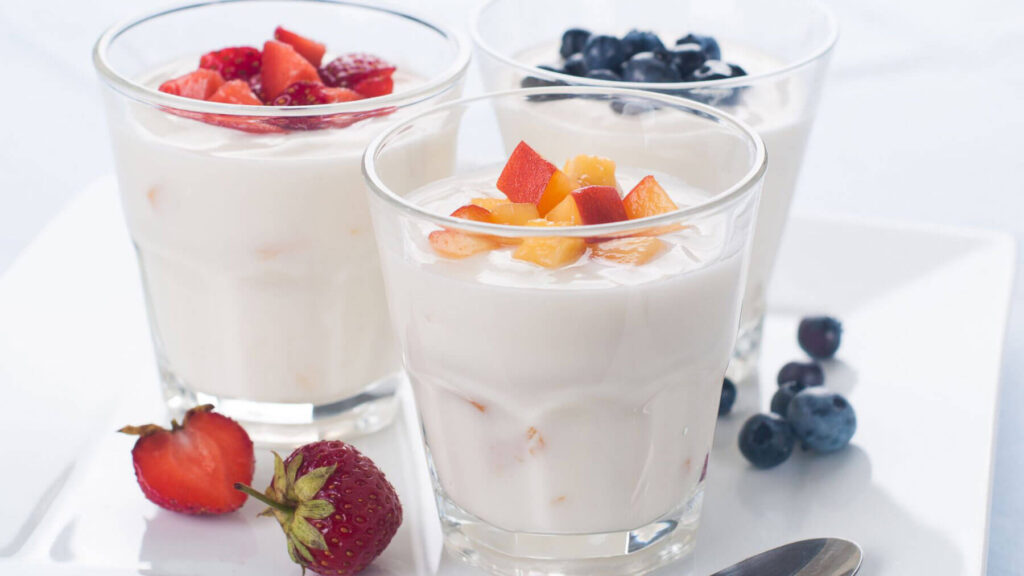
- Yogurt: Plain or fruit-flavored yogurt (without fruit chunks) is a great source of protein and calcium, and its cool, smooth texture is soothing.
- Pudding or Custard: These offer a soft, smooth, and comforting texture, making them easy to consume without chewing.
- Applesauce: Pureed fruit like applesauce is gentle on your mouth and a good way to get some fruit into your diet during recovery.
- Scrambled Eggs: Very soft and a good source of protein, but ensure they are not hot. They should be lightly cooked and easy to swallow.
- Soft Pasta: Small, well-cooked pasta shapes like macaroni or orzo, if you can gently mash them with your tongue against the roof of your mouth, can be an option. Avoid anything that requires actual chewing.
Avoid anything that is crunchy (like chips, nuts, popcorn), sticky (such as chewing gum or caramel), chewy (like steak, tough bread, or gummy candies), spicy, or highly acidic (like citrus juices, tomatoes, or vinegar-based dressings) during this initial healing period. These foods can cause pain, get lodged in the extraction site, irritate the wound, or delay healing by breaking down the protective blood clot. Our team at Smiles for Health DDS will give you specific dietary guidelines tailored to your recovery needs after your procedure, ensuring you have the best chance for a quick and uneventful healing process. Following these guidelines is a key part of your wellness dentistry journey, helping you return to full health. For questions about your recovery or other service options, like dental crowns or onlays and inlays, please contact us. We are always here to support your healthy smile and ensure your complete satisfaction with your dental care.

When Can I Return to Eating Solid Food Again?
The transition back to eating solid foods after wisdom teeth removal is a gradual process and typically takes place over several days to a week, sometimes longer for more complex extractions. There isn’t a single set day when all restrictions lift; instead, it depends on your comfort level and how well your extraction sites are healing.
Here are some general guidelines for reintroducing firmer textures:
- Days 3-5: Soft-Chew Foods: Once the initial tenderness subsides and you feel comfortable, you can slowly introduce foods that require minimal chewing. Think soft-cooked pasta, well-steamed vegetables (like green beans or carrots), soft fish, flaky baked potatoes, and tender cooked chicken (shredded). Continue to avoid anything hard, crunchy, or chewy. Avoid anything with small bits or seeds that could get stuck in the sockets.
- Days 5-7: Gradually Firmer Foods: As healing progresses, you can slowly add slightly firmer items. This might include soft breads (without hard crusts), ground meats, and soft cheeses. Pay close attention to how your mouth feels. If you experience any pain or discomfort, revert to softer foods.
- Beyond Week 1: Returning to Normal (with Caution): By the end of the first week, most people can start to return to a more normal diet. However, it’s crucial to continue exercising caution with very hard, crunchy, or sticky foods for several weeks, especially around the extraction sites. Avoid popcorn, nuts, hard candies, and anything that could potentially irritate or get lodged in the healing sockets. Continue to chew on the opposite side of your mouth if possible, and rinse gently with salt water after meals.
Listen to your body. Pain is your mouth’s way of telling you to slow down. If a food causes discomfort, don’t force it. Each person’s healing journey is unique. At Smiles for Health DDS, our team, including Dr. Diana Zorro DDS, will provide you with personalized advice based on your specific procedure. We want to ensure your recovery is smooth and free of complications, allowing you to quickly get back to enjoying all your favorite foods without worry. For any questions about your diet or recovery, or if you’re interested in smile makeovers after your recovery, please contact us. We are always here to support your optimal oral health and overall wellness dentistry.
What Foods Should I Avoid After Wisdom Teeth Surgery?
After your wisdom teeth surgery, choosing the right foods is just as important as the procedure itself for a smooth and quick recovery. There are definitely some foods that are off-limits because they can irritate the surgical sites, dislodge the crucial blood clot, or cause infection. At Smiles for Health DDS, we want to make sure you avoid any unnecessary pain or complications.
Here’s a clear list of what to steer clear of during your healing period:
- Crunchy Foods: Say goodbye to chips, popcorn, nuts, crackers, and hard candies. Bits and pieces of these foods can easily get stuck in the extraction sites, leading to irritation or infection.
- Sticky Foods: Chewy candies, gum, and even very sticky bread can pull on the delicate healing tissues and dislodge blood clots, potentially causing dry socket.
- Spicy Foods: Hot peppers, spicy sauces, and highly seasoned dishes can irritate the open wounds, causing significant pain and inflammation.
- Acidic Foods and Drinks: Citrus fruits (like oranges, lemons, grapefruits), tomatoes, sodas, and acidic juices can sting the healing tissues and delay recovery.
- Hot Foods and Liquids: Very hot soups, coffee, or tea can increase swelling and dissolve the protective blood clot. Stick to lukewarm or cool temperatures.
- Alcohol: Alcoholic beverages can interfere with blood clotting, irritate the wound, and interact negatively with any pain medication you might be taking.
- Smoking: This is a big one to avoid! The sucking motion from smoking can dislodge the blood clot, leading to dry socket. Plus, the chemicals in tobacco can severely impede healing and increase infection risk.
Following these guidelines strictly is a vital part of your post-operative care and helps ensure your wellness dentistry during this critical time. If you accidentally eat something you shouldn’t, or if you have any concerns about your diet or recovery, please don’t hesitate to contact us at Smiles for Health DDS. Our emergency dentist is also available for urgent issues.
How Can I Eat Without Disturbing the Extraction Site?
Eating after wisdom teeth removal requires a bit of strategy, especially during the first few days. The goal is to nourish your body without putting any stress on the healing areas. Our team at Smiles for Health DDS will provide you with specific guidance, but here are some general tips for eating smart:
- Chew on the Opposite Side: If you had teeth removed on both sides, this might be tricky, but if only one side was operated on, make sure to chew all food on the unaffected side of your mouth. This keeps pressure and food particles away from the healing sockets.
- Take Small Bites: Even with soft foods, taking small, manageable bites reduces the amount of chewing required and minimizes the risk of food getting into the extraction sites.
- Use a Spoon (No Straws!): For liquids and very soft foods like yogurt or applesauce, use a spoon. As we mentioned earlier, the suction from a straw is a major culprit for dislodging blood clots, leading to painful dry sockets.
- Blend Your Foods: Smoothies are your best friend! You can get a lot of nutrients by blending soft fruits, vegetables, and protein powders. Just remember to eat them with a spoon.
- Gentle Rinsing: After eating, gently rinse your mouth with warm salt water. Don’t swish vigorously or spit forcefully. Just let the water gently flow around your mouth and then slowly drain it out. This helps to keep the area clean without disturbing the clot.
- Stay Hydrated: Drink plenty of water throughout the day. This helps keep your mouth clean and promotes overall healing.
Remember, patience and gentleness are key. It’s better to be overly cautious than to suffer a setback in your recovery. Following these practical tips for eating after wisdom teeth surgery can significantly improve your comfort and speed up your healing. Our team is always here to answer your questions and provide support for your post-operative care.

Does Eating Help or Slow Down the Healing Process?
Eating, especially the right kinds of food, absolutely helps the healing process after wisdom teeth removal; it doesn’t slow it down. Your body needs proper nutrition to repair tissues, fight off potential infections, and regain strength. Think of food as fuel for your recovery! However, eating the wrong foods or using incorrect techniques can definitely slow down or even complicate healing.
Here’s how nutrition aids recovery and what to prioritize:
- Provides Essential Nutrients: Your body needs vitamins (especially C and K), minerals (like zinc), and protein to build new tissue and repair damaged areas. Soft foods like yogurt, mashed sweet potatoes, and pureed soups can pack a nutritional punch.
- Boosts Immune System: A well-nourished body has a stronger immune system, which is crucial for preventing infection in the surgical sites.
- Maintains Energy Levels: Healing takes energy. Eating regularly, even if it’s just small, soft meals, will help maintain your energy and make you feel better overall.
- Reduces Inflammation: Some foods, particularly those rich in omega-3 fatty acids (like blended salmon or avocado, once tolerated), can help reduce inflammation, which is a natural part of the healing process.
On the flip side, trying to eat foods that are too hard, sticky, or abrasive, or consuming irritating substances like alcohol or tobacco, can severely impede healing. They can:
- Dislodge the blood clot, leading to dry socket.
- Introduce bacteria into the wound, causing infection.
- Irritate tissues and increase swelling and pain.
- Damage stitches or the healing gum.
At Smiles for Health DDS, we emphasize the importance of following all post-operative instructions, including dietary guidelines, as part of your comprehensive preventive dentistry and recovery plan. While you might be eager to get back to your normal diet, prioritizing soft, nutritious foods in the initial days will pave the way for a faster, smoother recovery. If you have any doubts about what to eat or how to manage your diet during recovery, please don’t hesitate to contact us. Our team, including Dr. Diana Zorro DDS, is here to ensure your comfort and optimal healing.
Frequently Asked Questions
How long after wisdom teeth removal can I eat solid foods safely?
Most patients can start eating soft solid foods 3 to 5 days after surgery. Smiles for Health DDS recommends following guidelines on how long after wisdom teeth removal can I eat, starting with soft foods and gradually progressing as healing allows.
What types of foods are best for eating right after wisdom teeth removal?
Right after surgery, soft, cool foods like yogurt, applesauce, and mashed potatoes are ideal. Smiles for Health DDS advises these choices to support eating after wisdom teeth surgery without disrupting healing.
How soon after wisdom teeth surgery can I drink liquids like juice or water?
You can drink liquids immediately after surgery, but avoid using straws for at least a week. Smiles for Health DDS stresses this to prevent complications and properly manage when to eat post wisdom teeth extraction.
When can I eat normally again after wisdom teeth removal?
Most patients resume normal eating habits around 7 to 10 days after surgery. Smiles for Health DDS closely monitors recovery to provide personalized advice on how long after wisdom teeth removal can I eat regular foods.
Is it safe to eat crunchy or hard foods soon after wisdom teeth removal?
Crunchy or hard foods should be avoided for at least two weeks to protect the healing sites. Smiles for Health DDS cautions against these while managing eating after wisdom teeth surgery safely.
Can eating too soon after wisdom teeth removal cause complications?
Yes, eating before the recommended time can lead to dry socket or infection. Smiles for Health DDS recommends following the proper eating after wisdom teeth surgery timeline to reduce risks.
How should I eat to avoid disturbing the surgical site after wisdom teeth removal?
Chew slowly and on the opposite side of extraction to prevent irritation. Smiles for Health DDS shares tips on when to eat post wisdom teeth extraction to protect healing areas.
Are there specific foods to avoid after wisdom teeth extraction?
Avoid spicy, acidic, sticky, and crunchy foods during healing to prevent irritation. Smiles for Health DDS includes these restrictions in their eating after wisdom teeth surgery guidelines.
How does hydration affect eating after wisdom teeth removal?
Staying well hydrated supports healing, but avoid hot beverages initially. Smiles for Health DDS recommends water intake as part of managing when to eat post wisdom teeth extraction.
When can I start eating hot foods again after wisdom teeth removal?
It’s best to avoid hot foods for at least 48 to 72 hours post-surgery to prevent irritation. Smiles for Health DDS advises gradually reintroducing warm foods according to the eating after wisdom teeth surgery timeline.
Can I drink alcoholic beverages after wisdom teeth removal?
Alcohol should be avoided for at least 72 hours as it can interfere with healing and medications.
Is it normal to have a reduced appetite after wisdom teeth surgery?
Yes, swelling and discomfort can cause a temporary decrease in appetite. Eating soft, nutritious foods helps maintain energy during recovery.
Can I use a blender to prepare foods after wisdom teeth removal?
Yes, smoothies and blended soups are excellent for nourishing the body while minimizing chewing.
Should I avoid carbonated drinks after wisdom teeth extraction?
Carbonated beverages can irritate healing tissues and should be avoided until fully healed.
How can I ensure I’m getting enough nutrients while eating soft foods after surgery?
Incorporate protein shakes, mashed vegetables, and dairy to maintain balanced nutrition during your recovery.