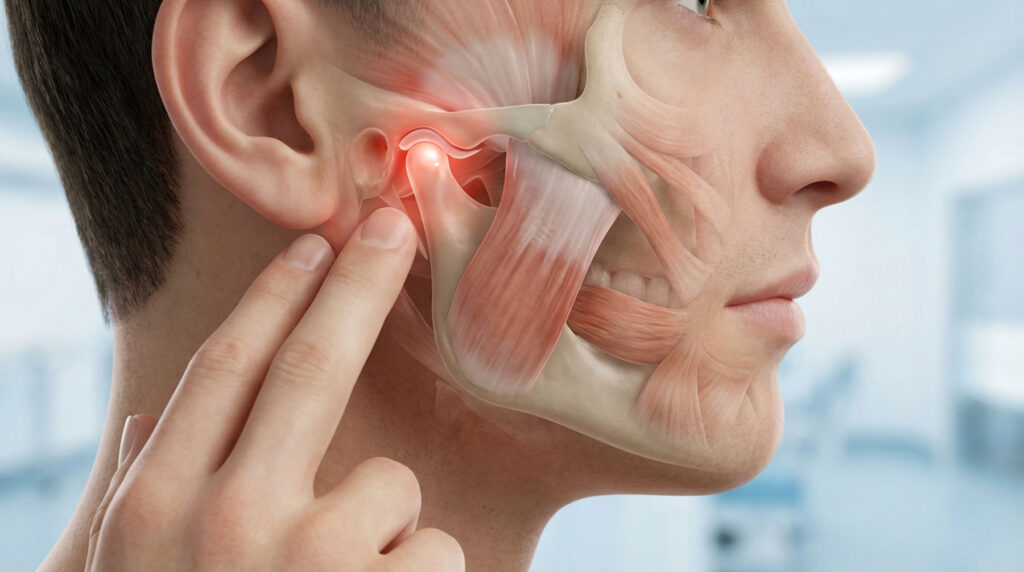
Temporomandibular Joint Disorder (TMD or TMJ), often simply referred to as TMJ, is a condition affecting the temporomandibular joint, which connects your jaw to your skull. TMJ treatment approaches can reduce jaw pain, improve chewing comfort, and ease headaches—especially when you start with the right diagnosis. Fortunately, several effective options can help you manage symptoms and feel better. In this blog post, we will explore these approaches to provide insights into effective TMJ treatment. 💛
Professional Diagnosis and Assessment (TMJ Treatment Approaches) 🩺
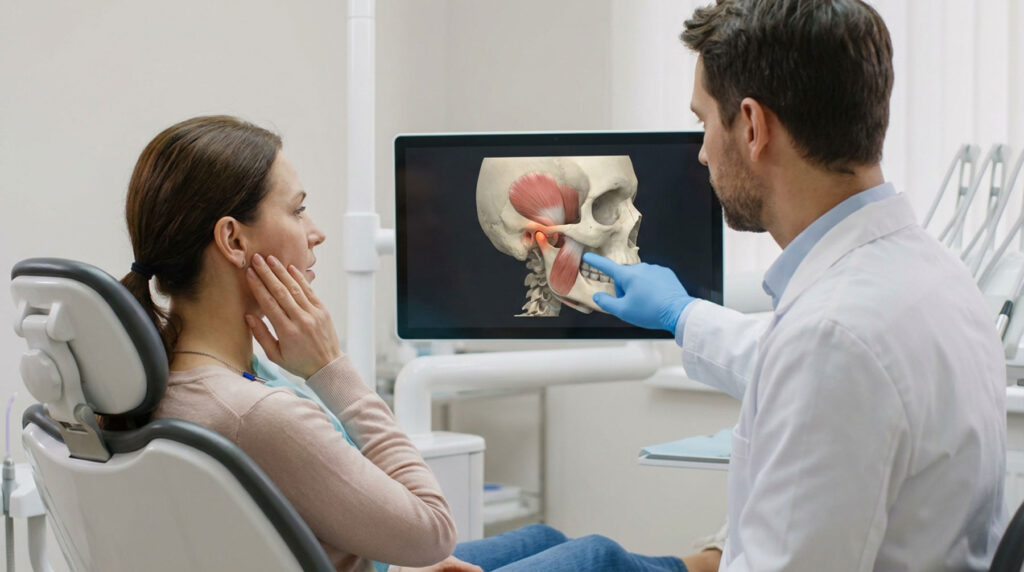
Before you start treatment, get a professional diagnosis. Your dentist can examine your jaw, check your bite, review symptoms, and ask about habits like clenching or grinding. In addition, imaging (X-rays or MRI) can help when your symptoms need deeper evaluation. As a result, you avoid guessing—and you follow a plan that fits your specific triggers.
Pain Management Techniques (TMJ Symptom Relief Options)💊
Pain relief often helps you function better while you treat the root cause. For example, you may use over-the-counter pain relievers or anti-inflammatory medications, and your provider may recommend muscle relaxants for short-term flare-ups. In some cases, clinicians use corticosteroid injections when joint inflammation needs stronger support. However, your dentist will guide you toward the most conservative option that still helps you feel relief.
Physical Therapy and Jaw Exercises (TMJ Treatment Approaches for Mobility) 🧘♀️
Physical therapy can reduce tension and improve jaw mobility. A trained provider can teach you targeted exercises, and they can also use manual therapy or massage to relax overworked muscles. Moreover, consistent practice usually brings better results than “doing it once in a while,” so build a simple routine you can maintain.
Effective Dietary Changes and Soft Diet (Reduce Jaw Strain)🍲
Chewing hard or tough foods can strain the joint and intensify symptoms. Instead, choose a softer diet—soups, mashed potatoes, yogurt, scrambled eggs, smoothies—especially during flare-ups. As a result, you give your jaw a break while inflammation calms down.

Stress Reduction and Relaxation Techniques (TMJ Pain Management Approaches) 😌
Stress can worsen clenching, tight muscles, and pain. Therefore, use calming habits like deep breathing, meditation, gentle stretching, or yoga. In addition, better sleep routines often reduce nighttime tension, so aim for consistent sleep and fewer late-night stimulants when possible.
Night Guards or Splints (Protect Teeth and the TMJ) 🛡️
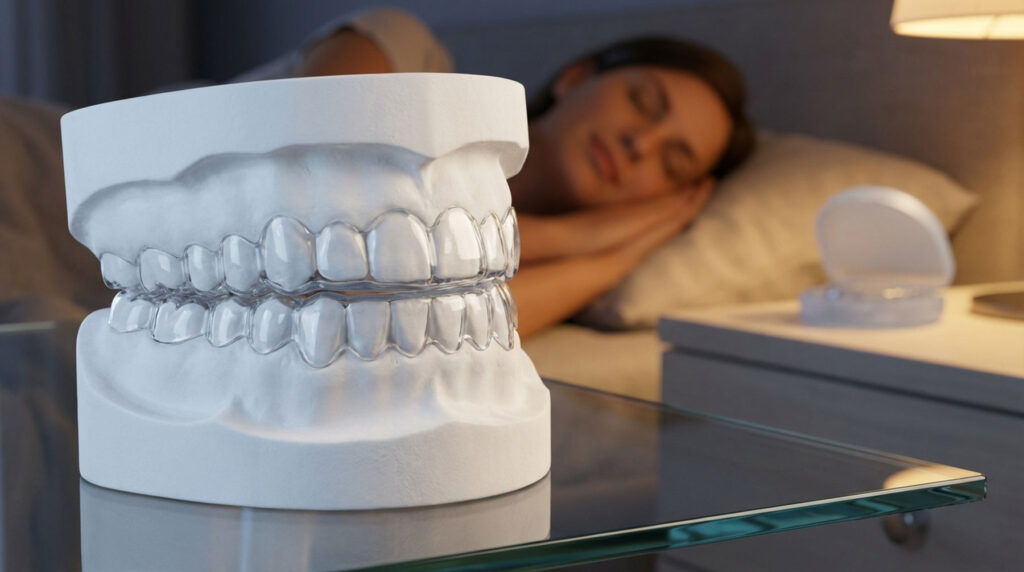
Custom night guards or splints can protect your teeth and reduce strain from grinding or clenching during sleep. Also, they can support a healthier jaw position for some patients. If you wake up with soreness, headaches, or tooth wear, ask your dentist about a custom option.
✅ Related support for clenching/grinding
Behavioral Effective Therapy (Support Long-Term Relief)🧠
Behavioral strategies can help when stress or anxiety fuels symptoms. For example, cognitive-behavioral therapy (CBT) can teach coping tools, reduce pain-related stress cycles, and improve day-to-day comfort. Moreover, when you pair CBT with physical strategies (like exercises or a night guard), you often see stronger progress over time.
Surgery as a Last Resort (When Conservative Care Fails)🏥
Most people start with conservative care. However, if symptoms stay severe and other treatments don’t help, a specialist may consider procedures such as arthrocentesis (joint flushing) or arthroscopy (a small camera-guided procedure). In rare cases, joint replacement becomes an option. Still, your care team will typically reserve surgery for situations where conservative care truly fails.
Acupuncture and Alternative Therapies (Complementary Support for TMJ) 🌿
Some people add acupuncture, chiropractic care, or osteopathy to their plan. These approaches can complement conventional care, especially when muscle tension plays a big role. However, use them as support—not as a replacement for proper dental evaluation and a clear treatment plan.

Effectively managing TMJ requires a tailored approach that addresses the specific symptoms and causes for each individual. Therefore, work closely with professionals—dentists, oral surgeons, physical therapists, and pain specialists—so you choose the safest and most effective path. By combining treatments and lifestyle adjustments, many patients reduce symptoms and improve quality of life. If you suspect you have TMJ, seek professional help to start on the path to effective treatment and long-term comfort.
Seek relief from TMJ pain today! Visit Smiles for Health for expert care and a healthier, pain-free smile. Your journey to comfort starts here!