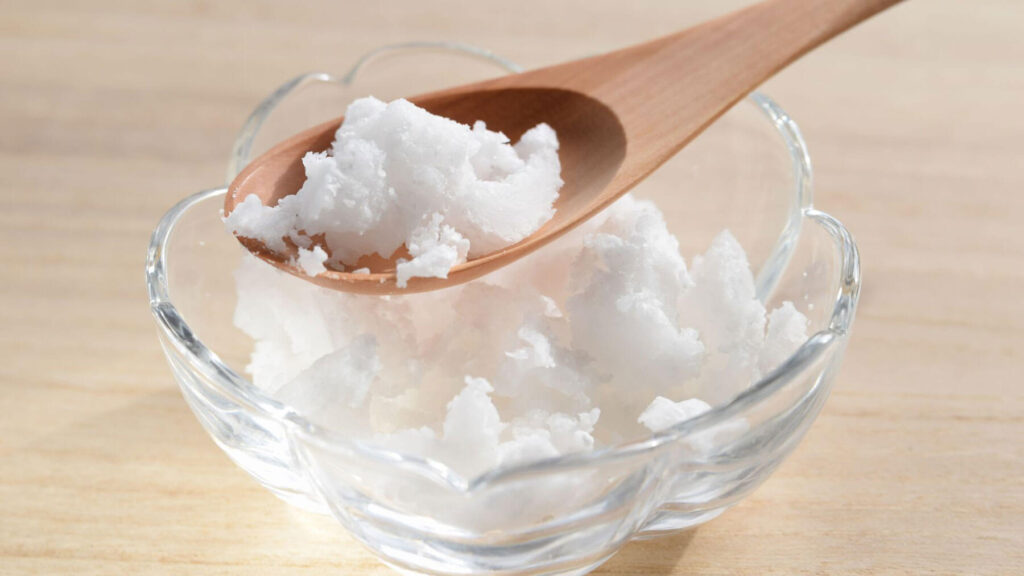
Does Coconut Oil Whiten Teeth? The Truth About Oil Pulling

Stay inspired. Stay smiling.

The idea of a natural, easy way to brighten your smile is definitely appealing, and lately, you might have heard a lot about coconut oil and its supposed teeth-whitening powers. The question, “does coconut oil whiten teeth?”, pops up a lot, especially for those looking for natural remedies. This practice, often referred to as “oil pulling,” has been around for centuries, primarily in traditional medicine. It involves swishing oil around your mouth for an extended period. While there’s a lot of buzz online about coconut oil teeth whitening and its ability to deliver a dazzling smile, it’s important to separate fact from fiction. At Smiles for Health DDS, we believe in providing you with clear, science-backed information about your oral health. We understand the appeal of a simple solution like oil pulling for white teeth, and we’re here to give you the honest truth about what coconut oil can and cannot do for your pearly whites. Whether you’re looking into preventive dentistry or addressing specific concerns like dental fillings or root canals, our comprehensive service offerings are designed for your complete dental wellness. Don’t let uncertainty about natural remedies compromise your oral health; contact us at Smiles for Health DDS today to schedule your comprehensive dental check-up and cleaning! We also offer advanced options like dental implants for lasting solutions.

How Does Coconut Oil Interact with Teeth and Gums?

Coconut oil interacts with your mouth in a few interesting ways, mainly due to its unique composition, particularly its high concentration of lauric acid. This fatty acid is known for its antimicrobial properties.

  • Antimicrobial Properties: When you swish coconut oil, the lauric acid reacts with the enzymes in your saliva, creating a soap-like substance that’s effective at breaking down the outer layer of bacteria. This action can help reduce the amount of harmful bacteria, plaque, and toxins in your mouth. Less bacteria means less plaque buildup, which is the precursor to tartar.
  • pH Balance: Some proponents suggest that oil pulling helps balance the pH levels in your mouth. A more neutral pH can create an environment less favorable for acid-producing bacteria, which are responsible for tooth decay and gum disease.
  • Oral Health Benefits: While it might not be a direct whitener, the reduction of harmful bacteria and plaque can certainly contribute to overall oral health. A cleaner mouth with less plaque can make your teeth appear brighter because there’s less film covering them. This general improvement in oral hygiene can indirectly support a healthier-looking smile and complement your regular exams and cleanings. It’s a natural addition to your wellness dentistry routine.

It’s important to remember that these benefits are primarily related to general oral hygiene and not necessarily a direct whitening effect on the tooth enamel itself. For specific concerns about your gums or any unusual symptoms, our emergency dentist services are always available. Thinking about your oral health beyond just whitening? Contact us at Smiles for Health DDS to learn about all our services, from dental bonding to clear aligners offers. Don’t miss out on a truly comprehensive dental care plan!

What is Oil Pulling and How is It Done Correctly?

Oil pulling is an ancient Ayurvedic technique that involves swishing a tablespoon of edible oil in your mouth for a sustained period, typically 15-20 minutes, on an empty stomach. The idea is that the oil “pulls” toxins and bacteria from your mouth. If you’re interested in trying oil pulling for white teeth or just for general oral hygiene, here’s how it’s traditionally done:

  • Choose Your Oil: Virgin coconut oil is the most popular choice due to its pleasant taste and antimicrobial properties, but sesame oil or sunflower oil can also be used.
  • Measure It Out: Take about one tablespoon of coconut oil. If it’s solid, it will liquefy quickly in your mouth.
  • Swish, Don’t Guzzle: Gently swish the oil around your mouth. Don’t swallow it, as it will contain bacteria and toxins. Make sure to get it between your teeth and all around your gums.
  • Time It: Aim for 15-20 minutes. If you’re new to it, start with 5 minutes and gradually increase the time. The oil will become thinner and milky as it mixes with saliva.
  • Spit It Out: When you’re done, spit the oil into a trash can (not the sink, as it can clog pipes, especially in colder climates). Do not swallow it.
  • Rinse Thoroughly: Rinse your mouth several times with warm water, possibly with salt water, to ensure all residue is removed.
  • Brush Your Teeth: Follow up with your regular brushing and flossing routine.

While the practice is simple, consistency is key if you’re hoping for any potential benefits. It should always be seen as a complementary practice to your established oral hygiene routine, not a replacement. Our team at Smiles for Health DDS can advise you on how various methods fit into a comprehensive dental care plan. For persistent concerns or if you’re looking for other service options like teeth whitening, veneers, or even sleep apnea treatment, we are always here to help. Discover the difference professional guidance can make for your smile. Contact us at Smiles for Health DDS to schedule your consultation and explore your options today!

Can Coconut Oil Really Whiten Teeth or Is It a Myth?

This is the million-dollar question for many interested in coconut oil teeth whitening. The short answer is: while coconut oil offers oral health benefits, it’s not a direct teeth whitener in the way that peroxide-based products are. The idea that it whitens teeth stems from its ability to reduce plaque and bacteria. When plaque and surface stains (from coffee, tea, etc.) are removed, your teeth can appear brighter and cleaner. It’s an indirect “whitening” effect due to improved cleanliness, rather than a bleaching of the tooth enamel itself. Scientific studies on oil pulling have shown promise in reducing plaque and gingivitis, but direct evidence proving it can change the inherent color of your teeth (i.e., bleach them) is largely lacking. Professional teeth whitening treatments work by using active ingredients like hydrogen peroxide or carbamide peroxide that penetrate the enamel and break down stain molecules, literally changing the shade of your teeth. Coconut oil doesn’t contain these active bleaching agents. So, while it can contribute to a healthier-looking smile by reducing surface film, don’t expect dramatic shade changes like you might get from professional treatments or even over-the-counter whitening strips. At Smiles for Health DDS, our experienced team, including Dr. Diana Zorro DDS, can assess your smile and recommend the most effective and safe whitening solutions for you. For truly noticeable and lasting whitening results, we recommend discussing our professional options. Don’t hesitate to contact us to explore personalized solutions for your brightest smile!

How Long Does It Take to See Results From Coconut Oil Teeth Whitening?

If you decide to try oil pulling for white teeth, it’s important to set realistic expectations regarding timelines and results. Since any “whitening” effect from coconut oil is indirect (due to plaque and stain reduction), the changes you might notice will be gradual and subtle, if at all. Many anecdotal reports suggest that consistent daily oil pulling for several weeks or even months might lead to teeth appearing cleaner and slightly brighter. However, these results are highly individual and not guaranteed. You might see some improvement in the overall cleanliness and freshness of your mouth before any perceived change in tooth shade. For instance, if you have significant plaque buildup, removing that film can make your teeth look noticeably better. But if your goal is to lighten the intrinsic color of your teeth or remove deep-seated stains, you’re unlikely to achieve satisfying results with coconut oil alone. For noticeable and reliable teeth whitening, professional solutions offered at Smiles for Health DDS, such as in-office teeth whitening or custom take-home kits, are far more effective and produce results much faster. We can discuss realistic expectations for any cosmetic service you might be interested in, from veneers to smile makeovers. Remember, healthy teeth are beautiful teeth, and consistent exams and cleanings are always the foundation of a bright smile. If you’re considering enhancing your smile, let us guide you. Contact us today for a personalized consultation!

Are There Any Risks or Side Effects of Using Coconut Oil for Teeth?

Generally, using coconut oil for oil pulling is considered safe for most people, especially since it’s an edible product. However, like anything, there are a few potential risks or side effects to be aware of:

  • Choking Hazard: This is the most significant concern, particularly for children or individuals with difficulty controlling liquids in their mouth. It is crucial never to swallow the oil, as it will be full of bacteria and toxins that you’re trying to remove.
  • Allergic Reactions: While rare, some individuals may have an allergic reaction to coconut oil. If you experience itching, swelling, or rash in or around your mouth, discontinue use immediately.
  • Digestive Upset: Accidentally swallowing some of the oil, especially if it’s laden with bacteria, can sometimes lead to an upset stomach or diarrhea.
  • Facial Muscle Soreness: Swishing for 15-20 minutes daily can lead to jaw fatigue or soreness in the facial muscles, especially when you first start. This usually subsides as your muscles get used to the activity.
  • No Replacement for Brushing/Flossing: The biggest “risk” is if people view oil pulling as a substitute for traditional oral hygiene. It is not. Neglecting consistent brushing twice a day and daily flossing can lead to serious dental problems despite oil pulling.

Coconut oil will not cause tooth sensitivity in the way some peroxide-based whitening agents might, as it does not affect the tooth enamel’s composition. However, if you already have sensitive teeth or any underlying oral health concerns, you should always consult with our Dr. Diana Zorro DDS or our team at Smiles for Health DDS before trying new at-home remedies. We prioritize your wellness dentistry and can help you avoid any potential pitfalls while seeking a healthier smile. If you experience any persistent discomfort or unusual symptoms after trying oil pulling, please contact us immediately. Your safety and oral health are our top priority. For reliable, evidence-based dental care, trust Smiles for Health DDS.

Frequently Asked Questions

Coconut oil teeth whitening is popular in natural health circles, but scientific evidence is limited. Smiles for Health DDS explains that while oil pulling for white teeth may reduce bacteria and surface stains, it’s not a substitute for professional whitening treatments.

Oil pulling helps remove bacteria and plaque from the mouth, which can indirectly improve the appearance of teeth. Smiles for Health DDS notes this method can support oral hygiene but isn’t a guaranteed whitening solution.

No. Coconut oil pulling should be an addition to, not a replacement for, daily brushing and flossing. Smiles for Health DDS advises maintaining a thorough oral hygiene routine alongside any natural remedies.

Some users practice daily oil pulling for 5-20 minutes, but results vary. Smiles for Health DDS recommends consistency but managing expectations about the degree of whitening.

Coconut oil is generally safe, but excessive swishing can cause jaw soreness or upset stomach if swallowed. Smiles for Health DDS advises proper technique and caution with oil pulling for white teeth.

Professional whitening uses stronger agents for faster and more noticeable results. Coconut oil teeth whitening offers milder benefits mainly through oral health improvements. Smiles for Health DDS emphasizes that natural methods should complement, not replace, clinical care.

Oil pulling mainly affects surface bacteria and light stains; it’s unlikely to remove deep discoloration from coffee or smoking. Smiles for Health DDS recommends professional treatments for more stubborn stains.

Yes, by reducing oral bacteria, oil pulling can improve breath freshness, which is often a welcome side effect of coconut oil teeth whitening. Smiles for Health DDS includes this as a benefit of maintaining oral hygiene.

Generally, coconut oil is gentle, but those with sensitive gums should start slowly to avoid irritation. Smiles for Health DDS suggests consulting your dentist if you experience discomfort.

Some people report subtle changes after a few weeks, but it varies widely and is usually less dramatic than clinical treatments. Smiles for Health DDS advises patience and combining oil pulling with professional care.

Oils like sesame or sunflower are also used, but coconut oil is popular due to its antimicrobial properties.

No, oil pulling doesn’t affect artificial dental materials.

There is no evidence that warming coconut oil improves its whitening or antimicrobial effects.

Some studies suggest oil pulling reduces inflammation, indirectly supporting healthier gums and better overall oral appearance.

Yes, it’s best to discuss any new oral care practice with your dentist to ensure it fits your individual needs.

Table Of Content

Experience the Future of Dentistry at Smiles for Health!

Discover a new level of dental care at Smiles for Health! Enjoy bio-compatible materials, free 3D x-rays for new patients, and clear aligner pricing $700 lower than average.

Experience ultimate comfort with amenities like massage chairs and heavy blankets. With convenient hours and in-house financing, your smile is in good hands. Book now!

Related Blog Posts