If you’ve ever felt your stomach drop before an appointment, dental anxiety may be part of your story. You’re not “dramatic,” and you’re definitely not alone. In fact, many people delay care because worry feels easier than facing the chair. However, postponing visits often leads to bigger problems later—so the goal is to make the experience feel manageable, not overwhelming.
At Smiles For Health, Dr. Zorro and our team support anxious patients with a calm, patient-first approach. Therefore, instead of pushing you through, we focus on helping you feel informed, respected, and in control from the moment you walk in.
Why Dental Anxiety Happens
Dental anxiety can come from past experiences, fear of pain, the sounds of instruments, or even not knowing what will happen next. Moreover, feeling “stuck” in the chair can trigger stress fast. That said, once you identify your triggers, you can choose strategies that actually help—before and during your visit.
If you want a trusted, patient-friendly overview of why dental fear happens and what can help, the American Dental Association shares practical guidance on dental anxiety and coping strategies here: https://www.mouthhealthy.org/en/all-topics-a-z/dental-anxiety
How Dental Anxiety Can Affect Your Oral Health
When fear leads you to skip cleanings, small issues can quietly grow into bigger ones. For example, a minor cavity can turn into a deeper problem that needs more time and treatment. Therefore, reducing dental anxiety isn’t just about comfort—it helps protect your long-term oral health.
Practical Ways to Reduce Dental Anxiety
You don’t need to “power through.” Instead, try a few simple steps that give you more control. Avoiding visits can feel like relief in the moment; however, delaying care often makes treatment more complex later. For a clear, research-backed look at why routine dental care matters for long-term oral health, the NIDCR explains the basics here: https://www.nidcr.nih.gov/health-info
Talk to Your Dentist First
Tell your dentist what makes you uncomfortable—needle fear, gag reflex, sounds, or uncertainty. In addition, ask questions and request a quick pause signal (like raising your hand). When you feel heard, dental anxiety often eases because the unknown feels smaller.
Use Sound to Your Advantage
Noise can amplify stress; however, you can change the atmosphere. Bring earbuds, play calming music, or use earplugs so the tools feel less intense. This small switch can make the appointment feel more personal and less clinical.
Make the Chair Setup Work for You
If your neck, back, or breathing position feels off, tell us. A small adjustment—tilt, pillow, or short breaks—can reduce tension quickly. Moreover, when your body feels supported, your mind usually follows.
Try Visualization or Grounding
Before the appointment, picture the end result: a clean mouth, peace of mind, and fewer “what ifs.” During treatment, focus on your breathing, count slowly, or ground yourself by noticing small details (feet on the chair, hands relaxed). As a result, your nervous system can settle little by little.
When Medication or Sedation May Help
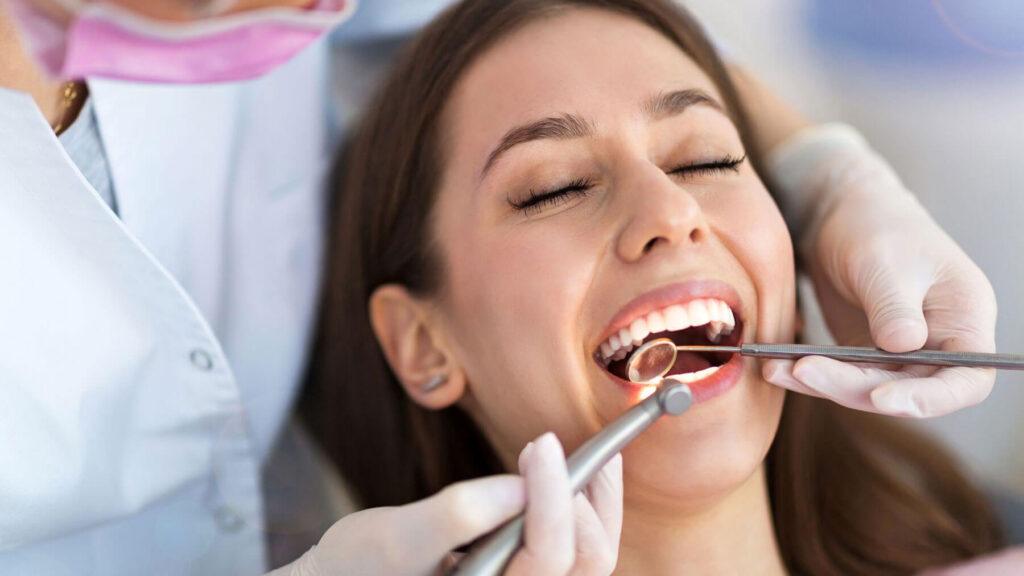
Sometimes, coping tools aren’t enough—and that’s okay. If your dental anxiety feels intense or you’ve avoided care for a long time, medication or sedation options may help you get through treatment comfortably. Therefore, talk with your dentist about what’s appropriate for your health history and the procedure.

A Calmer Dental Experience at Smiles For Health (Carlsbad, CA)
You deserve a dental visit that feels safe, not scary. Our team keeps the pace gentle, explains what’s happening, and checks in often—because your comfort matters.
If dental anxiety has kept you from scheduling, contact Smiles For Health in Carlsbad, CA. We’ll talk through your concerns and create a plan that feels doable—step by step.