🦷 Common Problems of Impacted Wisdom Teeth
Teeth are sadly one of the most overlooked parts of our bodies—until something hurts. Teeth are sadly one of the most overlooked parts of our bodies. Well, that is the case until problems start to arise with our teeth. One of the biggest problems is the eruption of wisdom teeth. In many cases, a dentist or oral surgeon eventually has to remove them surgically.
Over time, humans have less and less need for wisdom teeth. We can bite and chew our food comfortably without those extra back molars. For many people, this extra set of teeth simply gets in the way and can become painful.
📌 What Are Wisdom Teeth and Why Do They Get Impacted?
Wisdom teeth are actually the third set of molars that usually grow in between the ages of 17 and 21, at the very back of the mouth. By that time, most people already have a full mouth of adult teeth. Because of this, wisdom teeth often try to erupt in a space that’s too small, so they grow in an impacted environment.
Impacted wisdom teeth are very common and nothing to feel embarrassed about. In fact, theAmerican Association of Oral and Maxillofacial Surgeons estimates that most people have at least one impacted wisdom tooth. It may feel fine now, but it can cause issues later.
It’s best to talk with a dental professional to review your options before committing to surgery. Knowledge is power in situations like these. Dentists can evaluate your mouth, explain impacted wisdom teeth problems, and give you the information you need to make an informed choice.
That said, try to catch and report a potentially impacted wisdom tooth early. As wisdom teeth grow and develop, the risk to your oral health increases. There is usually a window where extraction is simpler than if you wait.
When they begin to erupt, untreated impacted wisdom teeth can push through in the wrong direction and cause pain. They can also lead to infections, cleaning issues, decay, and more. Anyone experiencing these symptoms should discuss them with their dentist and seek appropriate treatment.
😖 Pain from Impacted Wisdom Teeth
Pain is the most common—and least pleasant—symptom. When teeth grow in at the wrong angle, they can press against neighboring teeth and their roots, irritating both the tooth and surrounding tissues.
Pain doesn’t always stay localized to the tooth. The gums around the area may start to hurt, and discomfort can spread to the jaw.
No two people’s experiences are exactly alike. One person may feel a dull throb, another might feel sharp, stabbing pain. Simply masking the pain with medication can hide an underlying problem that needs real treatment.
The timing of pain also varies. Some people feel it only occasionally; others feel it daily. In any case, ongoing pain usually means something is wrong—and with wisdom teeth, that often points to inflammation or infection.

🧼 Cleaning Issues and Increased Infection Risk
Even before you notice obvious problems, trouble can start quietly. Our mouths host hundreds of kinds of bacteria. Wisdom teeth face exposure to those bacteria as soon as they begin to erupt.
Because of their position far back in the mouth, wisdom teeth are harder to clean than other teeth. Reaching all surfaces with a toothbrush and floss is difficult, especially when the tooth is only partially erupted.
Food can easily get stuck between crowded teeth. This makes brushing and flossing even more complicated, since these areas are hard to reach and even harder to see.
When food gets trapped around a wisdom tooth, it can sit in small spaces between the tooth and the gums called “pseudo pockets.” Bacteria from the trapped food and your mouth can then cause an infection or a cavity.
If you don’t keep the area clean, wisdom teeth can develop different types of infection, and the problem usually spreads beyond just one tooth.Two specific infections to know about are pericoronitis and periodontitis.
🔥 Pericoronitis Around Impacted Wisdom Teeth
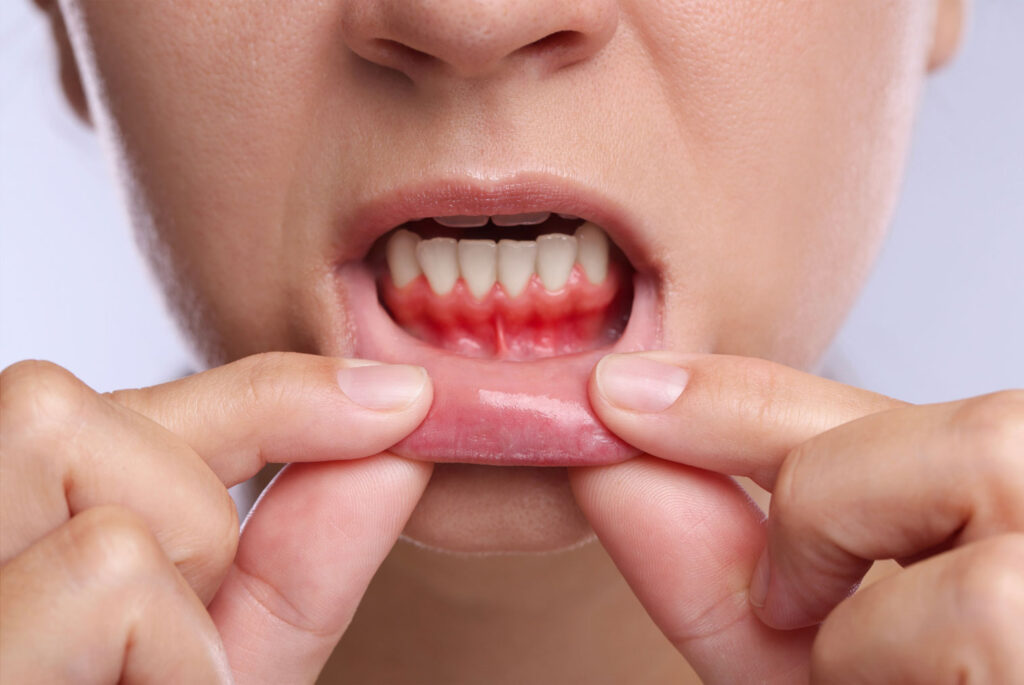
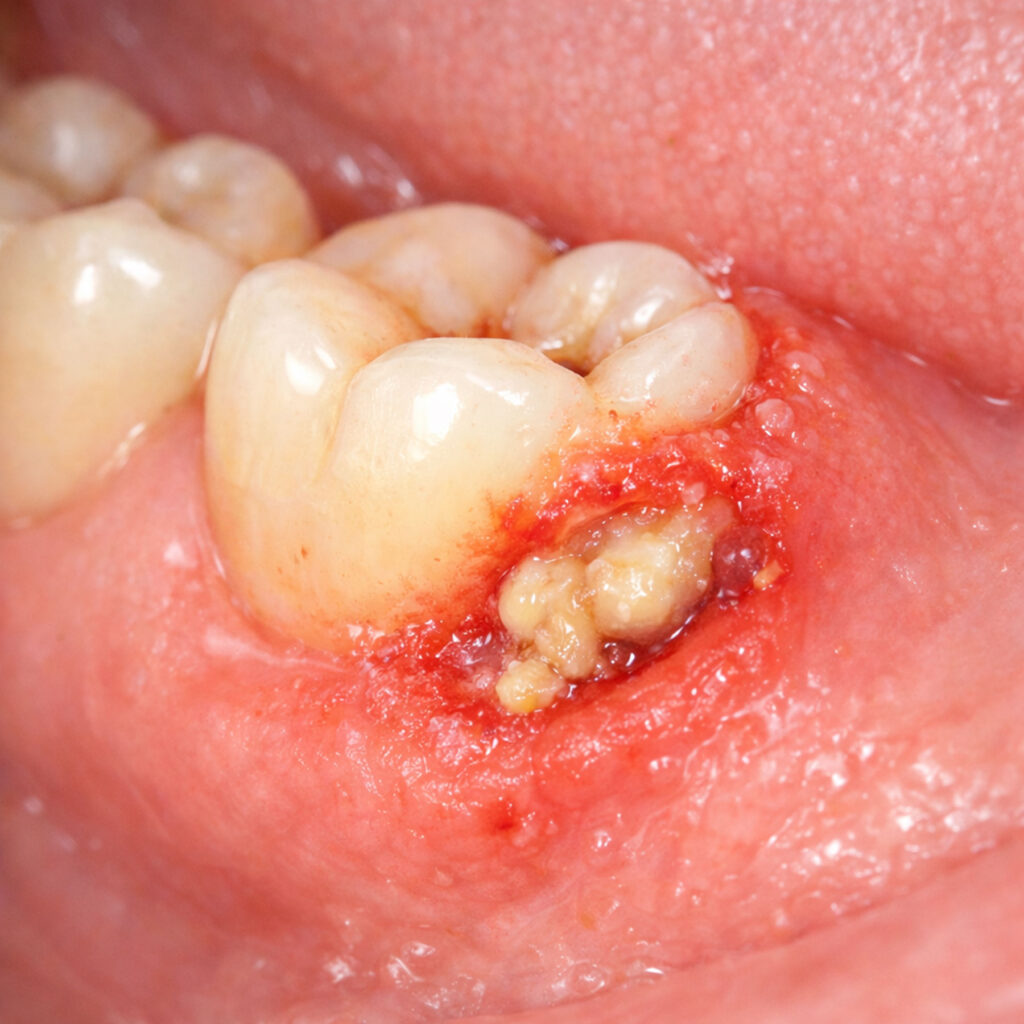
Pericoronitis is inflammation of the gum tissue around a partially erupted tooth, which is why it frequently affects wisdom teeth. It usually develops in and around the small flap of gum tissue over the tooth.
Pericoronitis often stems from the environment where the tooth is trying to grow and from bacteria trapped between the gum flap and the tooth.
Common symptoms include:
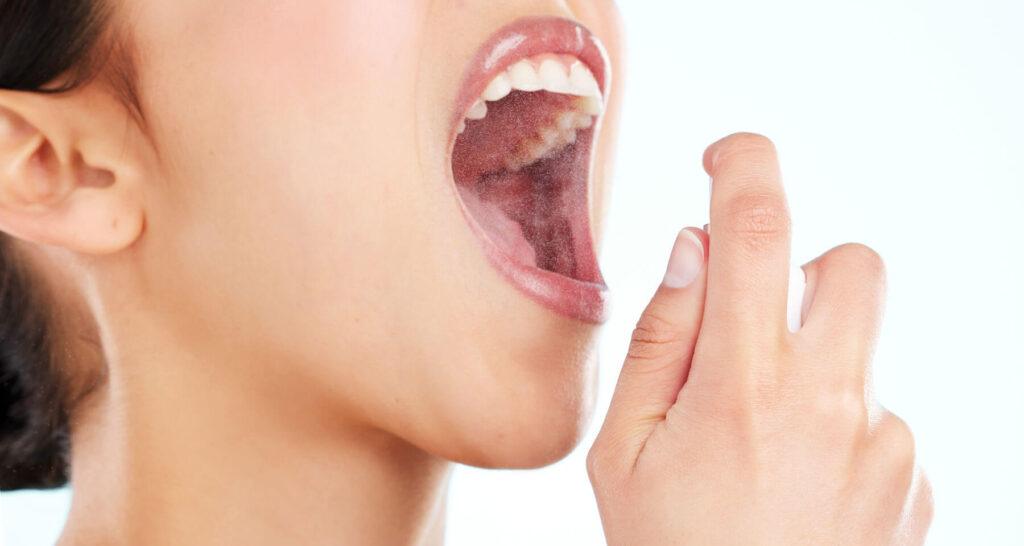
- Bad breath or a bad taste in the mouth
- Pain or swelling near the wisdom tooth
- Discomfort when biting, chewing, or closing the mouth
In more severe cases, people may experience:
- Swelling in parts of the face
- Fever
- Difficulty swallowing
- Loss of appetite
Everyone’s symptoms are a bit different, but pericoronitis always means the gum tissue is inflamed and irritated.
Professional treatment is needed to clear the infection and reduce the risk of it returning. Cleaning around the tooth, irrigating under the gum flap, and sometimes using medication can help. In many cases, removing the impacted wisdom tooth is the best long-term way to prevent future infection.
🦠 Periodontitis and Gum Disease Around Wisdom Teeth
Another infection to watch for is periodontitis, more commonly called gum disease. This condition usually starts when bacteria slip into the space between the gums and the tooth and stay there. If left untreated, periodontitis can lead to bone loss, loose teeth, and even tooth loss.
While periodontitis can develop around any tooth, impacted or partially erupted wisdom teeth can make it easier for bacteria to hide and harder for you to keep the area clean.
Gum disease doesn’t just stay in your mouth. Infections can spread and may affect other parts of the body. That’s one reason why dentists take persistent gum inflammation and bleeding seriously.
If you experience severe tooth or gum pain, swelling, or bleeding that doesn’t improve, it’s important to contact a dentist or doctor before it turns into a bigger systemic problem.
🌡️ General Wellness and Impacted Wisdom Teeth Problems
As mentioned, untreated impacted wisdom teeth can lead to different types of infection. Infections may affect several areas in your body, not just the mouth.
Common general symptoms include:
- Jaw pain or mouth pain
- Swelling in the face or around the jaw
- Fever or feeling generally unwell
Serious infections can spread to the bloodstream or place extra strain on your immune system.
There are different stages to tooth-related problems—ranging from irritation, to decay, to infection, to cyst formation. In many cases, removing impacted wisdom teeth can help protect your long-term comfort and quality of life. No one wants to live with ongoing pain, recurrent infections, or cysts.

🦷 Increased Risk of Tooth Decay and Cysts
When teeth don’t get proper cleaning—whether due to poor access, crowding, or hidden bacterial infection—they become more vulnerable to decay.
Decay happens when bacteria break down a tooth layer by layer. Over time, this process can create a cavity or even an abscess.
A cavity often develops as a result of persistent infection or plaque that’s not removed. If brushing and flossing can’t reach the area, the tooth may develop multiple small cavities. Each new opening lets more bacteria in and increases the risk of deeper infection and larger problems later.
In some cases, the sac that surrounds an unerupted wisdom tooth can fill with fluid and form a cyst. If a cyst grows, it can damage the jawbone and nearby teeth.

📍 What to Do If You Suspect Impacted Wisdom Teeth Problems
If you notice:
- Pain in the back of the jaw
- Swelling or redness around back molars
- Bad breath or bad taste you can’t brush away
- Food constantly getting stuck behind your last molars
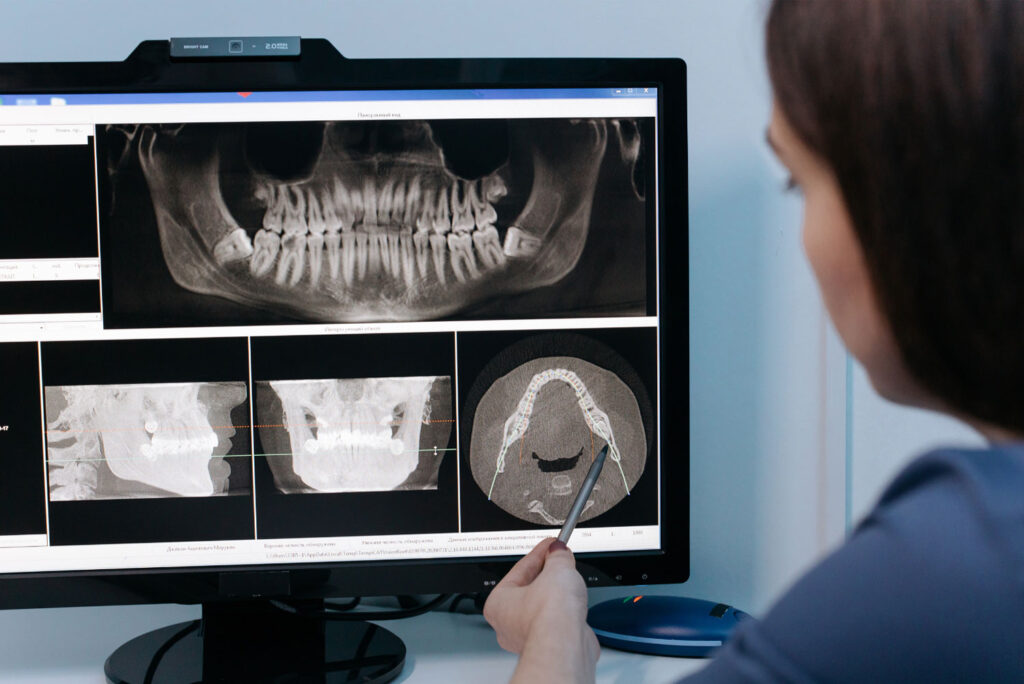
Then it’s a good idea to schedule a visit with your dentist. An exam and X-ray can show whether you have impacted wisdom teeth problems and what type of treatment makes the most sense—monitoring, cleaning strategies, or removal
Proper care of teeth becomes essential here. Infections must be prevented and improper alignment of teeth minimized to maintain good oral health. An unhealthy wisdom tooth is capable of more damage than it might seem. Vigilance is key.
Come in today so we can assess your teeth! Also ask us about our other services!