Cold Sensitivity and Tooth Pain ❄️🦷
Do you ever flinch while sipping a refreshing iced beverage? Does a scoop of ice cream send a jolt of pain through your teeth? If so, you’re likely experiencing tooth sensitivity to cold.
This discomfort can range from a minor annoyance to a sharp, interrupting pain. However, once you understand what causes it, you can take the right steps to reduce it and protect your smile with Smiles For Health! 😌
What is Tooth Sensitivity to Cold?
Tooth sensitivity is a sudden, short-lived pain or discomfort that starts in the tooth. This “zing” can happen with cold beverages, hot drinks, sweets, acidic foods, or even a breath of cold air. In other words, your tooth reacts quickly to a trigger—and then settles once the trigger goes away.
Why Does Cold Trigger Sensitivity?
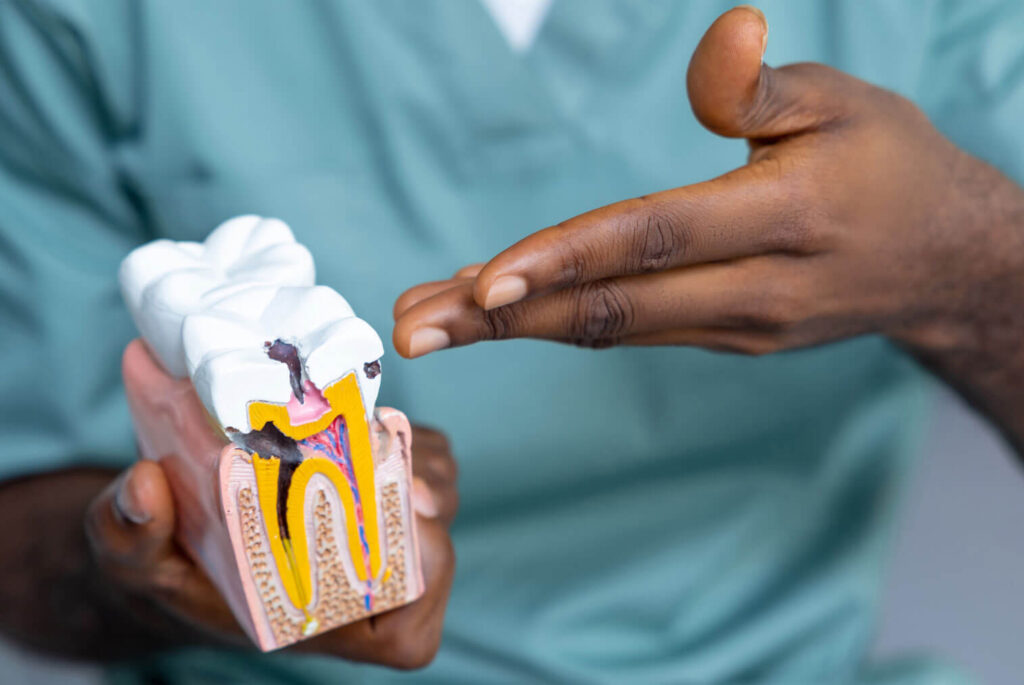
Healthy teeth stay protected by a tough outer layer called enamel. Beneath enamel sits dentin, a softer layer that contains tiny microscopic tubes leading toward the tooth’s nerve.When enamel thins or wears down, these tubules become exposed. As a result, cold can shift the fluid inside the tubules and stimulate the nerve, which creates that sharp discomfort.

The Tooth’s Anatomy and Sensitivity 🧠🦷
Understanding tooth structure helps you understand cold sensitivity. Let’s break it down:
The Role of Enamel in Tooth Sensitivity to Cold
Importance of enamel for protection: Enamel acts like armor, shielding teeth from temperature extremes, acids, and wear.
How enamel gets worn down: Acidic foods/drinks (soda, citrus), aggressive brushing, bruxism (grinding), and some medications can wear enamel down. Therefore, daily habits matter more than most people realize.
Dentin, Microtubules, and Cold Tooth Sensitivity
Dentin’s role in the tooth: Dentin forms the core structure that supports the tooth.
Microtubules and their connection to nerves: Microtubules connect toward the nerve. So, when enamel erosion or gum recession exposes them, external stimuli can trigger pain.
Common Causes of Tooth Sensitivity to Cold ⚠️
Several common issues can trigger cold sensitivity. For example:
Thinning or Weakened Enamel
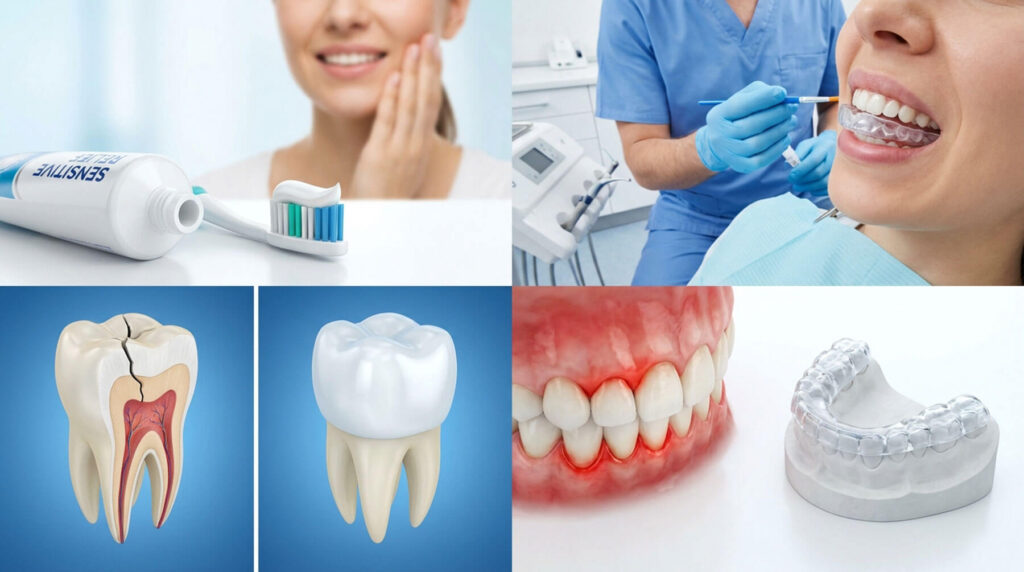
This is one of the leading causes. Once enamel erodes, dentin becomes exposed and sensitivity increases. Additionally, acidic diets and harsh brushing can speed this up.
Receding Gums
Healthy gums seal around teeth. However, gum disease can cause recession and expose root surfaces, which do not have the same enamel protection. That exposure can make cold sensitivity feel intense.
Cracked or Fractured Teeth
A crack can expose inner layers and irritate the nerve. As a result, cold (and biting pressure) can trigger sharp pain.
Worn-Down Fillings
Fillings can wear down over time. Then, the tooth underneath may react more strongly to cold.
Recent Dental Procedures
Cleanings and certain treatments can temporarily increase sensitivity. In most cases, this improves within a few days.

Identifying Tooth Sensitivity to Cold ✅
Not all tooth pain is the same—so it helps to recognize the pattern.
Symptoms of Cold Sensitivity:
- A sharp, brief pain when cold touches the tooth (drink, ice cream, cold air)
- The pain fades quickly after you remove the cold stimulus
Differentiating from Other Dental Issues:
Toothaches can be constant, throbbing, or worsening. If your pain lingers, it may signal a deeper issue. Therefore, contact Smiles for Health promptly for an exam. can be constant, throbbing pains and may indicate a more serious underlying issue. If you experience persistent or severe pain, consult your dentist at Smiles for Health promptly.
Diagnosing Tooth Sensitivity to Cold 🩺
Even if symptoms seem obvious, a dental exam gives you a clear answer. During a visit, your dentist will:
- Examine teeth and gums for enamel erosion, recession, cracks, or worn fillings
- Test sensitivity and identify which tooth (or area) causes the pain
- Recommend a targeted plan based on the cause

Management and Treatment Options 💡
Thankfully, you have several effective options.
Desensitizing Toothpastes
Desensitizing toothpastes can reduce sensitivity by blocking pathways in dentin. For best results, use them consistently and choose products with the ADA Seal of Acceptance.
Fluoride Treatments
Fluoride strengthens enamel and helps protect underlying dentin. In addition, professional fluoride can boost protection when enamel is vulnerable.
Dental Crowns or Fillings
If cracks, fractures, or worn restorations expose dentin,crowns or new fillings can restore structure and reduce sensitivity triggers.
Addressing Underlying Causes
If gum disease drives sensitivity, treating it becomes essential. Likewise, if grinding is the cause, a night guard can protect enamel and reduce stress on teeth.
Preventing Tooth Sensitivity ✅
Prevention is often the simplest win.
Maintaining Good Oral Hygiene
- Brush twice daily with a soft-bristled brush and fluoride toothpaste (gentle circular motion)
- Floss daily
- Keep regular dental cleanings (often every 6 months)
Dietary Habits
Limit acidic and sugary foods and drinks. If you do have them, rinse with water afterward to reduce lingering acidity.
Using Proper Brushing Tools
Use a soft toothbrush and avoid aggressive brushing. Additionally, consider an electric toothbrush with a pressure sensor to protect enamel.
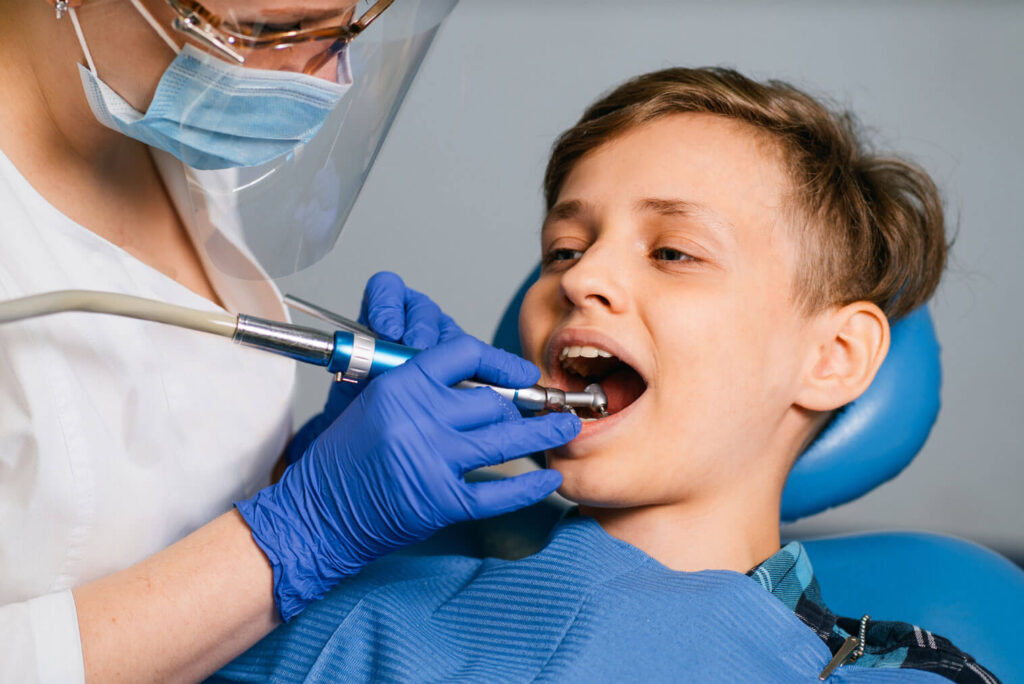
When to See a Dentist 🚨
Early care helps you avoid bigger problems later.
Persistent or Severe Sensitivity
If sensitivity stays persistent, feels severe, or disrupts daily life, schedule an exam. That way, your dentist can treat the cause—not just the symptom.
Pain Accompanied by Swelling or Bleeding
If sensitivity comes with gum swelling, redness, or bleeding, you may need prompt care.
Sensitivity After a Dental Procedure (if prolonged)
Some sensitivity after treatment is normal. However, if it lasts beyond a few days, follow up to confirm proper healing.
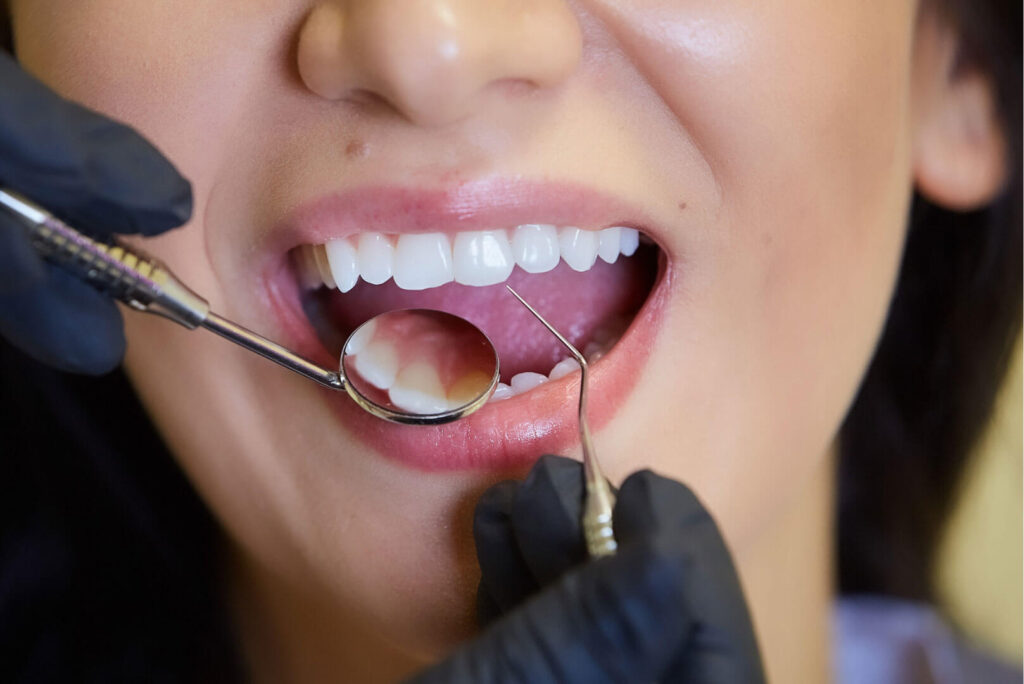
Your Partner in Optimal Oral Health 💛
At Smiles for Health, our Carlsbad team provides personalized care for tooth sensitivity and all your dental needs. So, whether your sensitivity is mild or intense, we’ll help you find the cause and build a plan that keeps your smile comfortable and healthy.
Conclusion ✅
Tooth sensitivity to cold can feel frustrating. However, once you understand the causes and treatment options, you can regain control and enjoy cold foods and drinks with confidence. Remember, Smiles for Health is here to support your oral health journey—reach out today!