Let’s get straight to the point: no, it is not possible for wisdom teeth to grow back after they have been properly removed by a dentist or oral surgeon. Once a wisdom tooth, or any permanent tooth, is fully extracted from its socket, the tooth-forming cells are gone. Your body doesn’t have a backup set of tooth buds waiting to develop and replace them.
Here’s why the idea of regrowth of wisdom teeth is a myth:
- Dental Anatomy: Humans typically have two sets of teeth: primary (baby) teeth and permanent teeth. Wisdom teeth are part of your permanent dentition. Once a permanent tooth erupts and is then extracted, that’s it for that specific tooth. There are no more tooth buds waiting in your jawbone to replace it.
- Tooth Bud Development: Teeth develop from specific structures called tooth buds during fetal development and childhood. By the time wisdom teeth emerge (usually in your late teens or early twenties), the process of forming new tooth buds for those positions is long complete.
- Complete Extraction: When a wisdom tooth is removed, the entire tooth, including its root and the surrounding tooth-forming tissue, is taken out. There’s simply nothing left behind to regenerate a new tooth.
So, if you’ve had your wisdom teeth extracted at Smiles for Health DDS, you can rest assured that you won’t have to go through the procedure for the same tooth again. This applies whether it was a straightforward dental extraction or a more complex removal. Our Dr. Diana Zorro DDS and our team ensure thorough extractions to prevent any such misconceptions. If you’re experiencing any new sensations or concerns post-extraction, it’s likely due to something else, which we can help you figure out. Contact us if you have any questions about your healing or any other dental needs, from dental implants to clear aligners offers.
Why Do Some People Feel Pressure or Pain After Extraction?
If wisdom teeth can’t grow back, then why do some people feel sensations like pressure or even pain in the area where their wisdom teeth used to be? It’s a common experience, and it can certainly lead to the misconception that wisdom teeth can come in again. These sensations are usually part of the normal healing process or are related to other dental changes happening in your mouth.
Here are some reasons why you might feel pressure or pain after extraction:
- Phantom Pain: Just like people can experience phantom limb pain after an amputation, some individuals might feel residual sensations or a dull ache in the area where a tooth was removed. This is often due to nerve healing or the brain’s adjustment to the missing tooth. It usually fades over time.
- Healing Process: The extraction site itself takes time to fully heal. Bone and gum tissue need to fill in the socket. During this process, you might feel sensations as the area remodels. This is why we provide thorough post-operative instructions for all dental extractions.
- Adjacent Tooth Movement: After a wisdom tooth is removed, the teeth next to the empty space might subtly shift or tilt over time. This natural movement can sometimes cause pressure or a feeling of misalignment. This is a common reason why some people consider clear teeth aligners like Invisalign or SureSmile Aligners after extractions to maintain alignment.
- Referred Pain: Pain from other areas, such as clenching or grinding (TMJ/TMD treatment may help here), sinus issues, or even other teeth with underlying problems (like a cavity needing dental fillings or a root canal), can sometimes be felt in the area of a past extraction.
- Infection or Dry Socket: While less common after the initial healing period, a lingering infection or a delayed dry socket could cause persistent pain. If you experience severe, worsening pain, bad taste, or swelling, contact our emergency dentist immediately.
At Smiles for Health DDS, our team will always thoroughly investigate any post-extraction discomfort you’re experiencing. We want to ensure your continued wellness dentistry and peace of mind. Don’t hesitate to contact us if you have any lingering concerns about sensations after your wisdom tooth removal.
Can You Have Extra Wisdom Teeth That Grow Later?
While the notion that wisdom teeth can grow back after proper removal is a myth, it’s true that in very rare cases, some people might develop extra teeth, sometimes referred to as supernumerary teeth. These extra teeth can sometimes emerge in the wisdom tooth area, long after the primary wisdom teeth have been extracted. This is a different phenomenon than true regrowth of wisdom teeth.
Here’s what to know about extra wisdom teeth and rare anomalies:
- Supernumerary Teeth (Hyperdontia): This is a condition where a person develops more teeth than the usual number. These extra teeth can appear anywhere in the mouth, but occasionally, they can form behind or near the typical wisdom tooth locations. They develop from separate tooth buds, not from the regeneration of a previously extracted tooth.
- Fourth Molars: Sometimes, these supernumerary teeth are specifically called “fourth molars” because they appear behind the third molars (wisdom teeth). They are relatively rare but do occur.
- Impacted Supernumerary Teeth: Just like regular wisdom teeth, these extra teeth can become impacted, meaning they don’t have enough room to erupt properly and can cause pain, infection, or damage to adjacent teeth. This would be similar to issues that lead to needing dental extractions for regular wisdom teeth.
- Diagnosis through X-rays: The presence of supernumerary teeth is typically discovered through routine dental X-rays during exams and cleanings. This is one of the many reasons why regular check-ups are so important – they help our team identify potential issues before they cause problems.
So, while your original wisdom teeth won’t make a comeback, the possibility of an entirely new, extra tooth forming later in life is a very rare genetic anomaly, not a regrowth. If you have any concerns about new sensations or the possibility of extra teeth, our Dr. Diana Zorro DDS and the Smiles for Health DDS team are always here to provide thorough examinations and expert advice. Whether it’s preventive care, or discussing options like dental implants to replace missing teeth, or perhaps a smile makeover after addressing all health concerns, we are dedicated to your comprehensive oral well-being. Don’t hesitate to contact us for an appointment to address any new concerns about your oral health or to explore our full range of service offerings, from dental sealants for children’s dentistry to advanced restorative options like dental bridges. Your dental health is our priority!

What’s the Difference Between Regrowth and Residual Roots?
When we talk about whether “can wisdom teeth grow back,” it’s important to understand the difference between a tooth actually growing back (which doesn’t happen) and the presence of residual roots or fragments. This distinction is key to clearing up any confusion after your dental extractions. At Smiles for Health DDS, our goal is to ensure you fully understand your post-operative care and any findings during your check-ups.
Here’s the difference:
- Regrowth (Myth): As we’ve established, true regrowth of wisdom teeth is not possible. Once a permanent tooth, including a wisdom tooth, is completely removed from its socket, the tooth-forming tissue is gone. Your body doesn’t have the biological capacity to create a whole new tooth from scratch in that spot. So, if you’re wondering “do wisdom teeth come in again,” the answer for a fully extracted tooth is no.
- Residual Roots or Fragments: This is a different scenario entirely. Sometimes, during a complex extraction, a tiny piece of the tooth root might break off and remain in the jawbone. This is usually very small and might happen if the root is extremely curved, fragile, or intertwined with nerves or sinus cavities, making its complete removal riskier than leaving a tiny fragment.
- Partial Extraction: In very rare cases, a dentist or oral surgeon might intentionally leave a small root tip behind if removing it would cause significant damage to adjacent nerves or structures. This is a calculated decision made to protect your health.
- When Follow-Up is Needed: Most of the time, these small residual root fragments cause no problems. The body often walls them off, and they remain dormant. However, occasionally, a fragment can cause pain, become infected, or migrate. If this happens, our team at Smiles for Health DDS will monitor it through X-rays. If it causes issues, further intervention might be necessary, but this is about removing a piece that was already there, not about new regrowth of wisdom teeth.
The key takeaway is that sensing something in the area of a past extraction does not mean your wisdom teeth can grow back. It’s much more likely to be part of the healing process, or in rare cases, an existing fragment. If you have concerns, always contact us for a professional assessment. Our commitment to your wellness dentistry means we’re here to provide clarity and care.
Do X-Rays Confirm If All Wisdom Teeth Were Fully Removed?
Yes, absolutely. Dental X-rays are an indispensable tool for dentists, and they are the primary way we confirm if wisdom teeth were fully removed and to monitor the healing process. At Smiles for Health DDS, we rely heavily on advanced imaging to ensure everything goes smoothly before, during, and after your dental extractions.
Here’s how imaging helps our dentists monitor bone and root development:
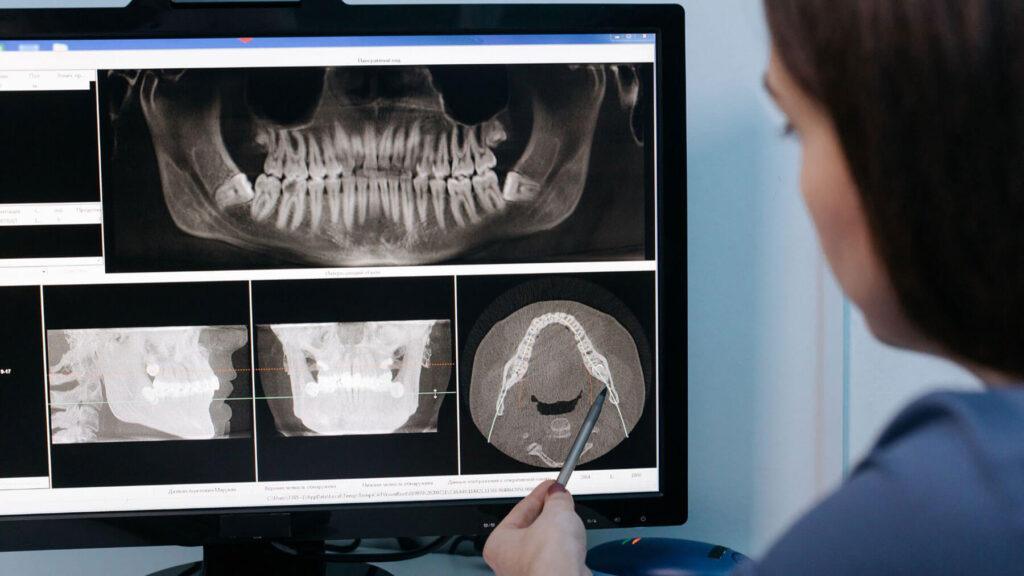
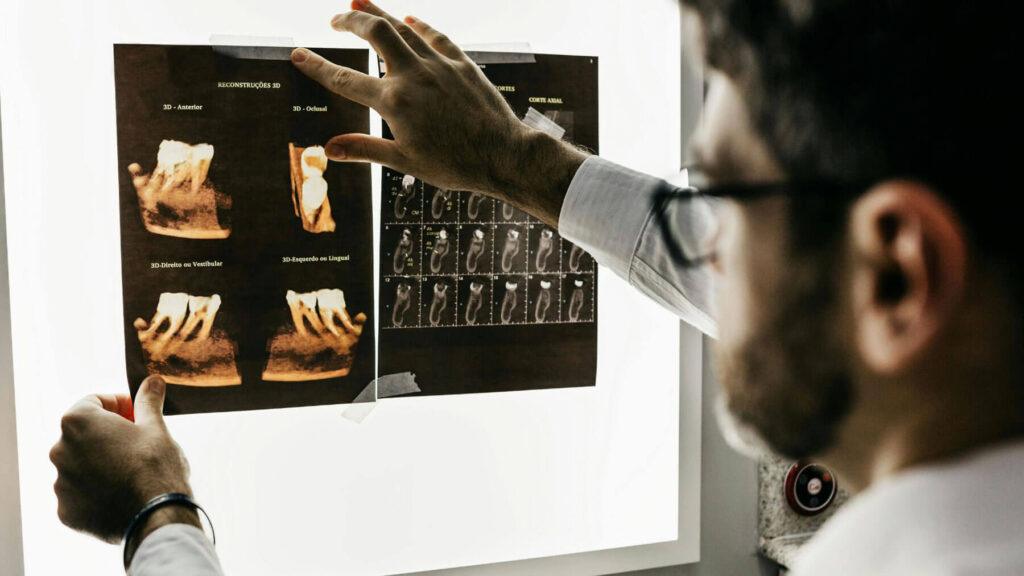
- Pre-Extraction Assessment: Before any wisdom tooth removal, we take detailed X-rays (often panoramic or 3D scans). These images allow our team to see the exact position of your wisdom teeth, the shape and number of their roots, their proximity to nerves or sinuses, and to plan the extraction meticulously. This helps us anticipate potential challenges and ensure a complete removal.
- Post-Extraction Confirmation: Immediately after the procedure, or during a follow-up visit, we may take another X-ray. This image helps confirm that the entire tooth, including all root fragments, has been successfully removed. It’s our way of visually verifying the completeness of the extraction.
- Monitoring Healing Over Time: Even if the extraction was complete, follow-up X-rays during your routine exams and cleanings can be useful. These images allow us to monitor how the bone is filling in the socket and to ensure there are no unexpected developments. They help confirm that the possibility of “can wisdom teeth grow back” is entirely off the table by showing complete healing.
- Identifying Residual Fragments: As mentioned, if a tiny root fragment was intentionally or unintentionally left behind (a rare occurrence), X-rays are how we identify and monitor it. We can track its position and ensure it’s not causing any issues.
X-rays provide us with a clear picture of what’s happening beneath the gum line, giving both us and you peace of mind. They unequivocally confirm the status of your wisdom tooth removal and help us ensure there’s no “regrowth of wisdom teeth.” If you have any questions about your X-rays or post-operative healing, our Dr. Diana Zorro DDS is always happy to explain them. Contact us to schedule your next appointment and keep your oral health on track!

Should I Be Concerned If My Gums Swell Where Wisdom Teeth Were?
Some swelling after wisdom teeth removal is completely normal and expected. It’s a natural part of your body’s healing process as blood rushes to the area to begin repair. However, distinguishing between normal swelling and concerning swelling is important. At Smiles for Health DDS, we want you to know what to look for and when to contact us.
Here’s a breakdown of normal vs. abnormal healing, infection signs, and when to check in with your dentist:
- Normal Swelling:
- Expected Timeline: Swelling is usually most noticeable on days 2-3 after surgery. It then gradually begins to subside.
- Appearance: It might look like a puffy cheek or jaw area. You can manage it with ice packs applied to the outside of your face (15-20 minutes on, 15-20 minutes off) for the first 24-48 hours.
- Pain Level: Pain should be manageable with prescribed or over-the-counter pain medication and should decrease daily.
- Gradual Improvement: The key sign of normal healing is that the swelling and discomfort are progressively getting better, not worse.
- Abnormal Swelling and Infection Signs:
- Increasing Swelling: If swelling continues to increase significantly after day 3, or if it suddenly reappears after having gone down, this is a concern.
- Intense, Throbbing Pain: Severe, throbbing pain that is not alleviated by pain medication, especially if it starts a few days after surgery, could indicate a dry socket (as discussed previously) or an infection.
- Redness and Heat: If the area around the extraction site becomes excessively red and feels hot to the touch, this is a strong sign of infection.
- Pus or Discharge: Any visible pus, foul taste, or bad odor coming from the extraction site is a definite sign of infection and requires immediate attention.
- Fever: A fever, especially if accompanied by other symptoms, suggests a systemic infection.
- Difficulty Swallowing or Breathing: While rare, severe swelling that impacts your ability to swallow or breathe is a dental emergency and requires immediate medical attention.
- When to Check In with Your Dentist:
- Always attend your scheduled follow-up appointments at Smiles for Health DDS. Our team will check your healing progress.
- If you experience any of the abnormal symptoms listed above, or if you’re simply concerned about your healing, do not hesitate to contact us or use our emergency dentist services. It’s always better to be safe than sorry when it comes to potential complications. We want to prevent severe issues like needing a root canal or additional dental extractions due to untreated infection.
Understanding these signs helps you proactively manage your recovery and avoid unnecessary worry about “can wisdom teeth grow back” when it’s really about healing. We are committed to your wellness dentistry every step of the way.
Frequently Asked Questions
Can wisdom teeth grow back after removal?
No, once wisdom teeth are completely removed, they cannot grow back. Smiles for Health DDS explains that regrowth of wisdom teeth is a myth, though sometimes leftover root fragments may cause confusion.
Why do some people feel like their wisdom teeth are growing back?
Sensations of regrowth often result from healing processes or pressure from neighboring teeth shifting. Smiles for Health DDS clarifies that do wisdom teeth come in again is extremely rare.
Is it possible to have extra wisdom teeth appear after removal?
Rarely, some individuals have supernumerary teeth, which are extra teeth that can develop later. Smiles for Health DDS advises that this is different from true regrowth of wisdom teeth.
Can incomplete removal of wisdom teeth cause symptoms similar to regrowth?
Yes, residual roots or tissue can cause pain or swelling that feels like the tooth is coming back. Smiles for Health DDS recommends follow-up imaging to confirm.
How soon after removal should I expect to stop feeling any wisdom tooth-related pain?
Pain usually subsides within days to weeks, but persistent discomfort should be checked by your dentist. Smiles for Health DDS monitors healing to rule out complications related to regrowth of wisdom teeth.
Can impacted wisdom teeth cause problems even if some teeth were removed?
Yes, remaining impacted teeth can cause symptoms. Smiles for Health DDS evaluates each case to manage concerns about whether can wisdom teeth grow back effectively.
Does wisdom tooth regrowth happen more often in younger patients?
No, wisdom teeth do not regrow regardless of age. Smiles for Health DDS explains that early removal does not lead to regrowth of wisdom teeth.
Can dental X-rays detect if any wisdom tooth fragments remain after surgery?
Yes, X-rays help identify retained roots or fragments that might mimic regrowth. Smiles for Health DDS uses imaging to ensure complete removal and clarify if do wisdom teeth come in again.
What should I do if I suspect my wisdom teeth have grown back?
Contact your dentist for an evaluation to rule out other causes of pain or swelling. Smiles for Health DDS provides diagnosis to differentiate regrowth of wisdom teeth from other issues.
Are wisdom teeth more likely to regrow if only partially removed?
Teeth do not regrow, but incomplete removal can leave parts that cause symptoms. Smiles for Health DDS emphasizes thorough extraction to prevent concerns about can wisdom teeth grow back.
Can jawbone changes after extraction make it feel like wisdom teeth are growing back?
Yes, bone remodeling or shifting teeth can cause sensations mistaken for regrowth of wisdom teeth.
Are there conditions that cause extra teeth to develop after adulthood?
Supernumerary teeth can develop but are uncommon and not true cases where can wisdom teeth grow back.
How do dentists distinguish between regrowth and other oral issues?
Through clinical exam and imaging, dentists identify the source of symptoms accurately to answer if do wisdom teeth come in again.
Can wisdom teeth symptoms return years after extraction?
Symptoms years later may indicate other dental issues, not regrowth of wisdom teeth.
What follow-up care is recommended to monitor for problems after wisdom teeth removal?
Regular dental visits and X-rays help ensure healing and detect any complications early related to wisdom teeth or potential regrowth.