
If you’ve been Googling can a tooth infection kill you, the honest answer is: rarely, but yes—especially if the infection spreads and you delay care. Most tooth infections start inside the tooth (in the pulp) or around the root, and they don’t “just go away.” Therefore, the safest move is to get a diagnosis early, before swelling, fever, or worsening pain turns into an emergency.

Can A Tooth Infection Kill You If It Spreads?
A severe dental infection can spread into nearby tissues, the jaw, and in rare cases, deeper spaces in the neck or bloodstream. As a result, serious complications can occur—such as airway blockage, sepsis, or infection spreading to distant areas. This is why dentists treat dental abscesses and rapidly spreading swelling as urgent problems, not “wait-and-see” issues.
For a patient-friendly overview of dental abscesses and why they matter, you can review the American Dental Association’s guidance
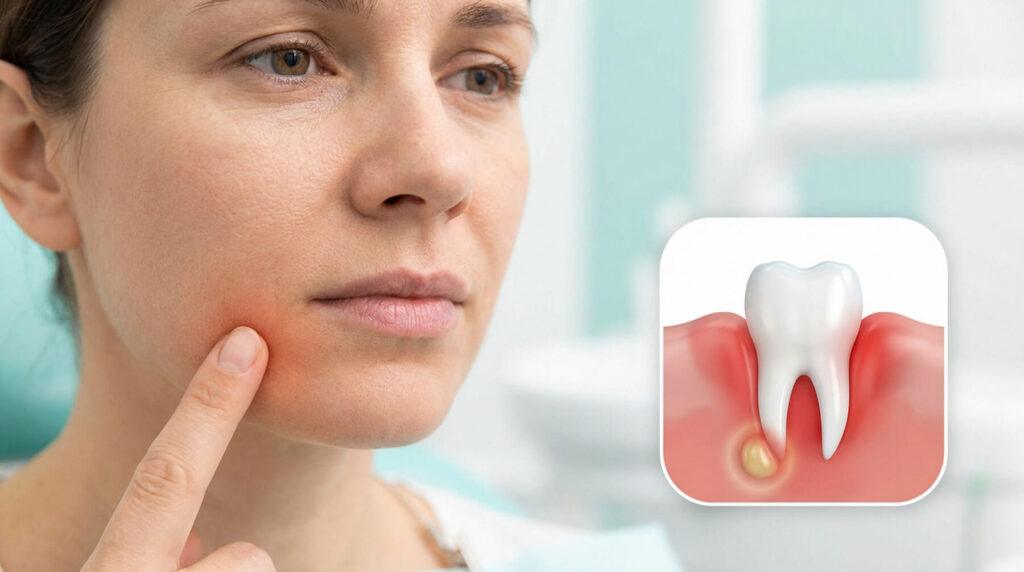
How A Tooth Infection Spreads
A tooth infection can travel in a few ways; moreover, the risk rises when swelling spreads quickly or symptoms escalate.
- It can spread into the jaw and soft tissues, causing facial or neck swelling.
- It can spread into the sinuses, especially with upper back teeth.
- In very rare situations, it can spread into deeper neck spaces, which can affect breathing.
For clinical context on how odontogenic (tooth-related) infections can progress and why airway symptoms matter, the NIH/NCBI resource is a strong reference.
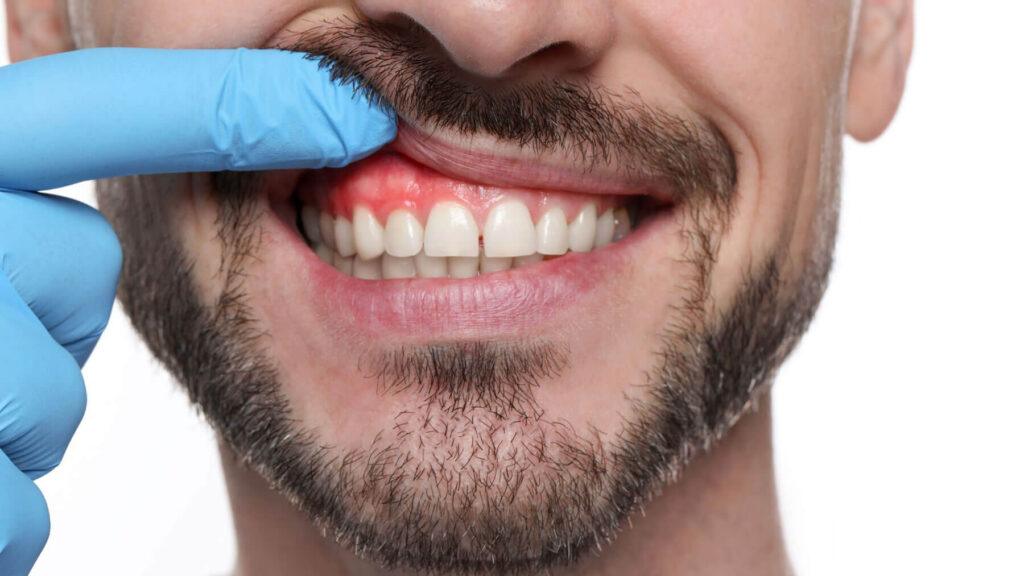
Warning Signs That Mean “Don’t Wait”
Some toothaches stay localized; however, these symptoms can signal a more serious situation:
🚩 Seek urgent dental or medical care if you have:
- Swelling that’s spreading (face, jaw, under the tongue, or neck)
- Fever, chills, or feeling weak
- Trouble swallowing or breathing
- Rapidly worsening pain that doesn’t respond to OTC meds
- A “pimple” on the gum with pus, or a bad taste that keeps returning
When people ask can a tooth infection kill you, it’s usually because symptoms feel like they’re escalating. However, the biggest risk shows up when swelling spreads, fever appears, or swallowing and breathing feel harder—so those signs should always be treated as urgent.

How Fast Can It Become Dangerous?
There isn’t one universal timeline. Still, infections can worsen faster than people expect—especially with lower molars, reduced immunity, or delayed treatment. Therefore, treat spreading swelling, fever, or breathing/swallowing difficulty as time-sensitive.
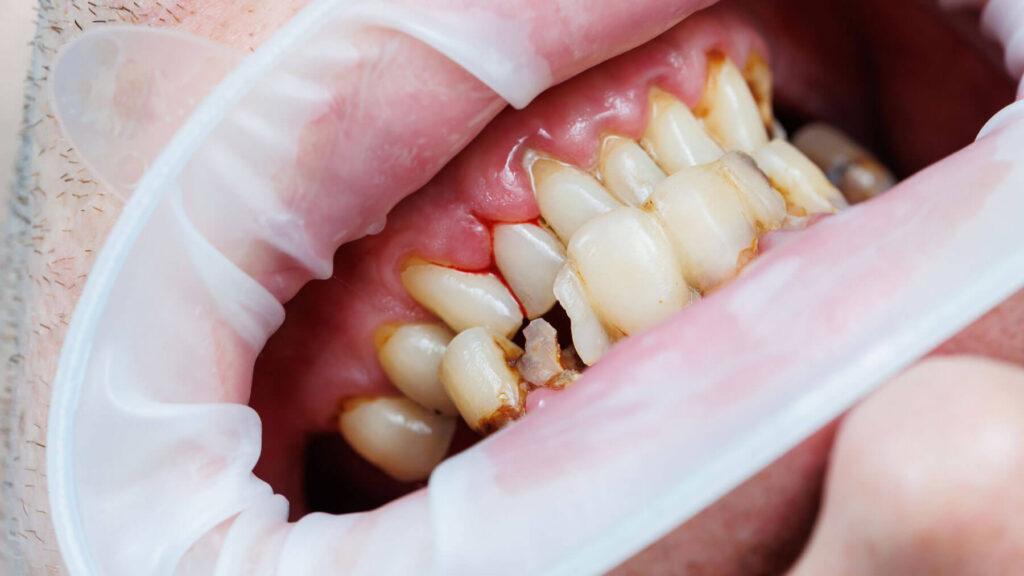
What Treatments Stop A Tooth Infection From Spreading?
Professional care targets the source of the infection; in other words, treatment isn’t just about “calming it down.”
✅ Common treatment paths include:
- Root canal therapy to remove infected pulp and seal the tooth
- Extraction when the tooth can’t be saved
- Drainage of an abscess when needed
- Antibiotics to help control spread; however, antibiotics alone usually don’t remove the source
For evidence-based guidance on antibiotics and why they’re not always a standalone fix, the CDC’s antibiotic stewardship information is a helpful reference.
How To Lower Your Risk Going Forward
Prevention isn’t about perfection—it’s about consistency. Moreover, early care is usually simpler and less stressful.
✨ Simple steps that help:
🪥 Brush twice daily and floss once daily
🦷 Keep regular exams and cleanings
🍬 Limit frequent sugary snacks/drinks
⏱️ Treat small cavities early before they reach the nerve

When To Call Smiles For Health
If you suspect an infection—especially with swelling, fever, or pain that’s escalating—don’t try to tough it out. Therefore, reach out for an evaluation so we can confirm the cause and guide you to the safest next step.

If you’re worried about an infection, we’re here to help. Schedule an appointment with Smiles For Health DDS in Carlsbad, CA, so we can evaluate what’s happening and get you relief quickly and safely.
Frequently Asked Questions
Can a dental infection become life-threatening?
Rarely, yes; however, the risk rises if swelling spreads or you develop fever and systemic symptoms
What’s the biggest red flag that it’s an emergency?
Difficulty breathing or swallowing is urgent; therefore, seek immediate care right away.
Can the pain stop even if the infection is still there?
Yes. Pain can fade as the nerve dies; still, infection may continue and spread.
Do antibiotics cure the problem by themselves?
They can help control spread; however, you usually still need dental treatment to remove the source.
How do I know if it’s an abscess?
Swelling, a gum “pimple,” and a bad taste are common; therefore, get it examined promptly.
Can facial swelling mean the infection is spreading?
Yes; consequently, spreading swelling should be treated as time-sensitive.
Are kids or people with diabetes at higher risk?
They can be more vulnerable; moreover, faster evaluation is a smart choice if symptoms escalate.
What should I do while waiting to be seen?
Avoid heat, don’t poke the area, and use OTC meds as directed; meanwhile, seek urgent care if swelling spreads.