When a tooth feels infected or diseased, pulling it can seem like the easiest choice—especially when you’re in pain. However, the benefits of saving your tooth can be significant. That’s why, before you decide to “pull your tooth or save it,” it helps to understand what can happen after an extraction and what you may protect by keeping your natural tooth.

⚖️ Pull Your Tooth Or Save It: Benefits Of Saving Your Tooth
So what are the real benefits of saving your tooth? Endodontists—specialists who focus on preserving natural teeth—often share a simple philosophy: if the tooth can be saved safely, it’s usually worth considering first.
💪 Benefits Of Saving Your Tooth: Stronger Bite And Better Function
Natural teeth often feel and function better than many artificial replacements. Even with modern materials, a healthy natural tooth that’s properly restored can deliver a more natural bite and easier day-to-day care.
🔁 Avoid Shifting Of Teeth
When you pull a tooth, you create a gap. Over time, nearby teeth may drift into that space. As a result, your bite can change, chewing can feel off, and some areas become harder to clean.
👶 Maintain Your Youthful Appearance
Teeth and roots help support your jaw structure. Therefore, when you lose a tooth and that support decreases, you may notice subtle changes around the mouth over time.
😄 No Loss Of Confidence
If the missing tooth shows when you smile, the gap can affect confidence quickly. On the other hand, saving and restoring the tooth helps keep your smile looking natural and consistent.
😮💨 Less Pain
After an extraction, many patients feel soreness for several days. In addition, some cases develop dry socket. By contrast, saving a tooth focuses on removing the infection and relieving pain without leaving an extraction site.
📅 Fewer Visits To The Dentist
After pulling a tooth, your dentist often recommends replacing it to prevent shifting. That can mean more appointments and more steps. However, saving the tooth can simplify the overall path.
💸 Benefits Of Saving Your Tooth: Less Pain And Fewer Long-Term Visits
Pulling a tooth can feel cheaper upfront. Still, replacing it (implant, bridge, etc.) typically adds time and cost later. And if you don’t replace it, bite changes may create other issues down the road.

🛟 How To Save A Tooth: Root Canal And Crown Treatment
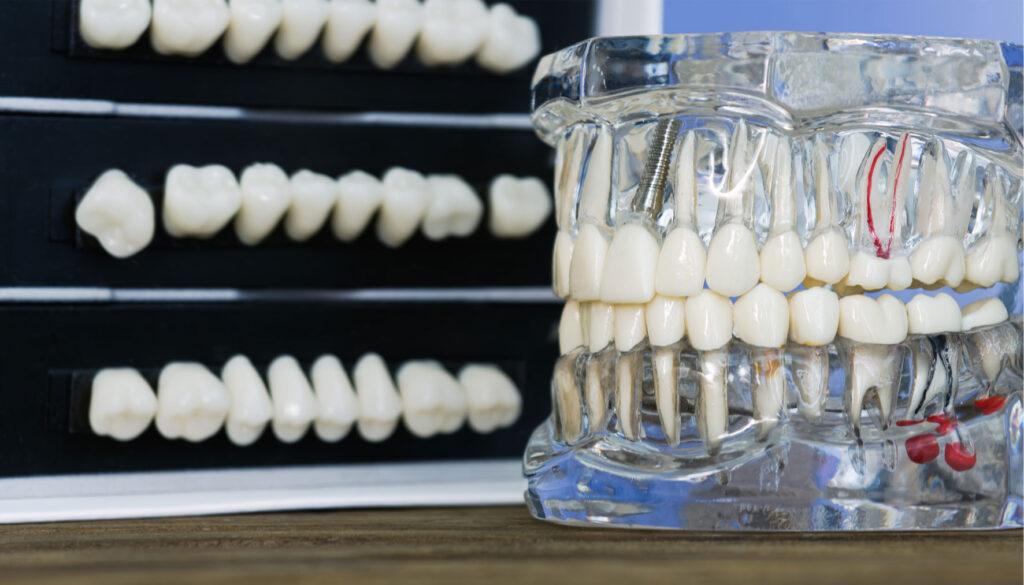
If decay or infection reaches the inside of the tooth, saving it often involves a root canal. During this procedure, your provider cleans and disinfects the inside of the tooth to remove inflamed or infected tissue. Next, the tooth is filled for strength and often protected with a crown, so it can function like a normal tooth again.
Not only do you keep your natural tooth, but you also address the source of pain. Plus, recovery is usually brief when you follow aftercare instructions.
🧩 Pull Your Tooth Or Save It: When To Have It Extracted
Although saving a tooth is often ideal, extraction can be the safer option in certain situations. For example:
- A deep crack (especially below the gumline)
- Multiple fractures
- A tooth that’s too weak to restore predictably
If your dentist recommends extraction, ask: “Can a root canal and crown save it instead?” That conversation helps you choose the best next step with clarity.At Smiles For Health, we’ll walk you through your options, explain the “why,” and help you choose what makes the most sense for your health, comfort, and budget.