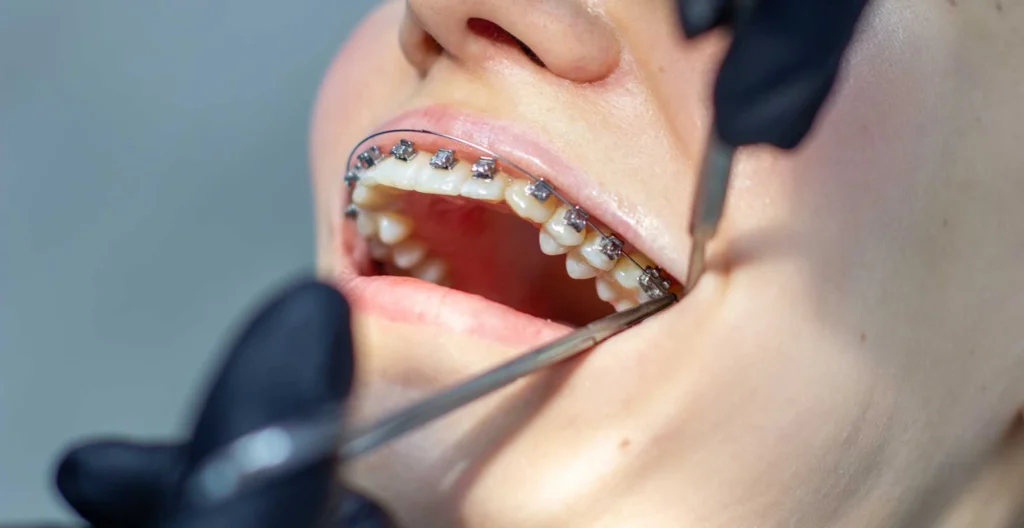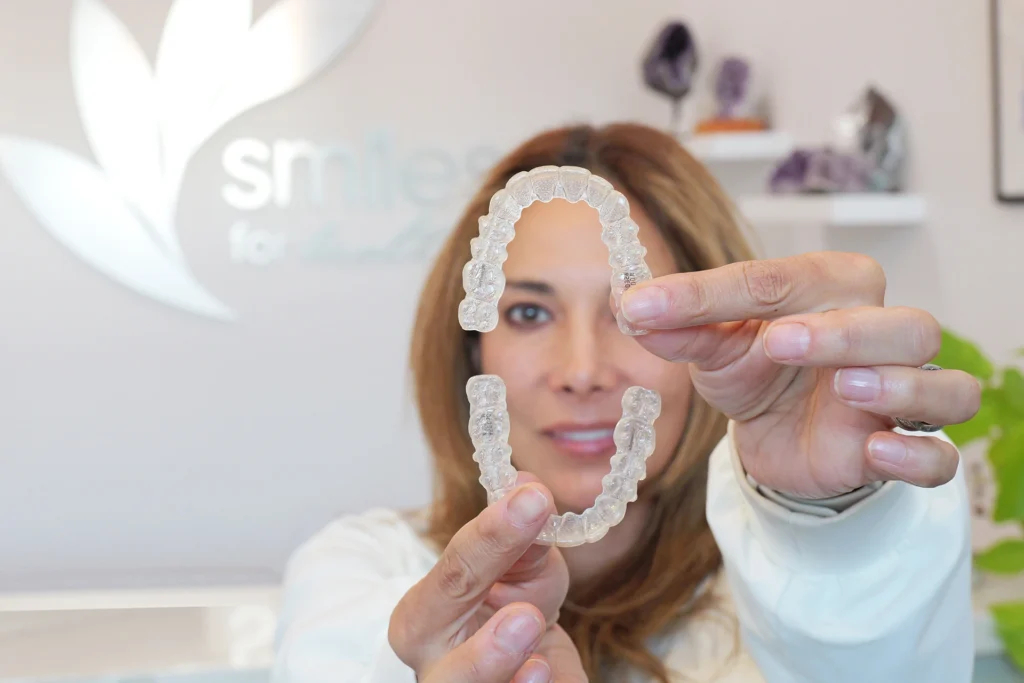
Having a tooth replaced can be expensive and often requires multiple visits to the dentist. When it comes to tooth replacement options likebridges,implants, and dentures, it’s easy to feel confused about which option is best for you. Full and partial dentures are both excellent options to consider when you want to replace missing teeth. Modern dentures are more comfortable and natural-looking than ever. Today, they compete with other replacement options as convenient and effective solutions, and many patients prefer them because the procedures are minimally invasive.
Let’s take a closer look at the two main types of dentures available.
🦷 What Are Full Dentures?
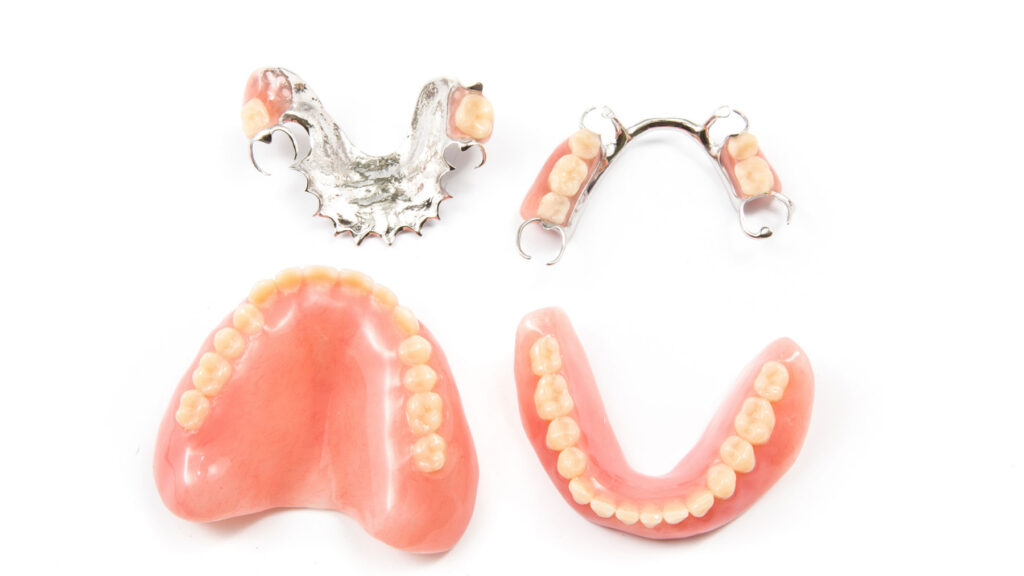
If you are missing all your teeth in the upper or lower arch, you can choose a complete denture, also called a traditional full denture. There are two main varieties of full dentures: conventional and immediate dentures.
Conventional Full Dentures
If you wait eight to twelve weeks after your final tooth removal, your dentist can make conventional dentures for you. This gap gives your gums time to heal and stabilize. After that, the dentist takes impressions and designs a full denture that fits your healed mouth more accurately.
Immediate Full Dentures
If you don’t want to wait for your gums to heal before replacing your teeth, you can opt for immediate dentures. These are ready for use as soon as your remaining teeth are removed. Many people prefer immediate dentures because they don’t want to be without teeth, even for a short period.
However, while immediate dentures are a very convenient way to close the gaps left by missing teeth, they often need frequent adjustments. Your gums and bone change shape as they heal, so the fit of an immediate denture can shift. In many cases, immediate dentures serve as a temporary solution until a more stable conventional full denture is made.
🧩 What Are Partial Dentures?
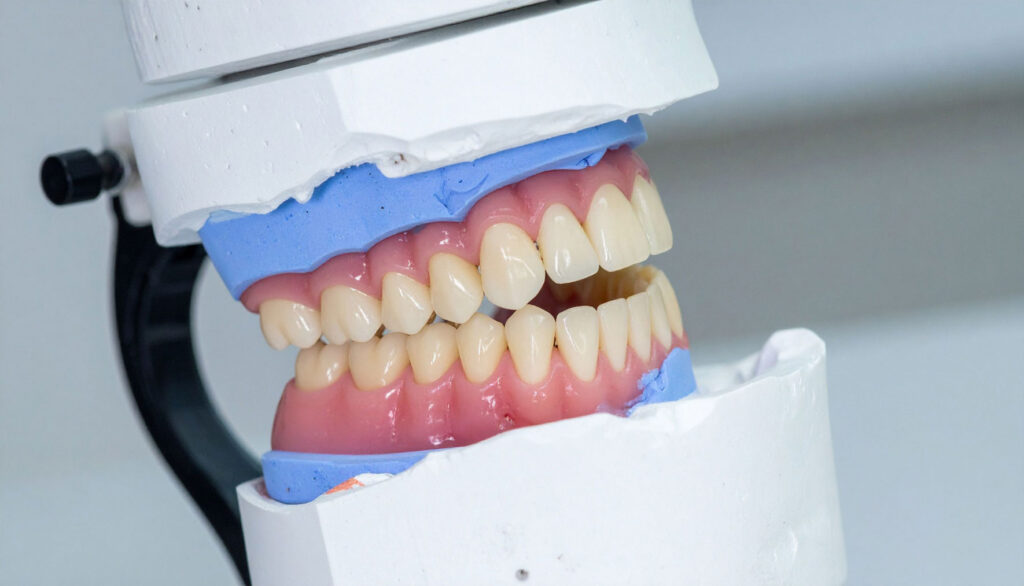
If you still have some healthy teeth, you may be a candidate for a partial denture instead of a full denture. Partial dentures can be removable or fixed.
Removable Partial Dentures
Removable partial dentures are held in place by a metal framework and clasps that attach to your remaining teeth. These prostheses fill in the empty spaces left by missing teeth while allowing you to remove the denture for cleaning and at night.
Fixed Partial Dentures (Dental Bridges)
If you prefer something that stays in place, you can choose a fixed partial denture, commonly known as a dental bridge. A fixed partial denture is supported by crowns placed over neighboring healthy teeth, which act as anchors. The replacement tooth or teeth fill the gap between them.
If you have some remaining teeth and they are strong enough to support a bridge, a fixed partial denture can be a very good option. It helps preserve the shape of your dental arch and restores chewing function in a more permanent way than a removable appliance.
🆚 Full and Partial Dentures: Which Is Right for You?
Full and partial dentures are both excellent options to consider when you need teeth replacements. If you still have several healthy teeth, a partial (especially a fixed partial denture) can help retain the health and position of remaining teeth and bone.
If you are missing all teeth in an arch, full dentures provide a complete solution. In both cases, you will need some time to get accustomed to the appliance, since dentures feel unusual at first. The more you wear them, the more comfortable they tend to become.
Both full and partial dentures can:
- Improve your chewing ability
- Help you speak more clearly
- Support your facial structure and smile
At the beginning, you may face challenges when eating or speaking and need some practice. Over time, most people adapt and feel much more confident.
🏗️ How Have Dentures Improved?
Dentures have existed for over a century. Implants and bridges have become very popular, but they have not replaced dentures completely. Today’s full and partial dentures use high-quality materials that are more durable, resilient, and attractive than older versions.
Your choice between full and partial dentures depends on how many teeth you still have, your bone health, your budget, and your goals. A professional evaluation helps you compare all options before deciding which type fits your needs.

💰 How Much Do Cost?
Dentures are often the most affordable option for tooth replacement. While bridges or implants can cost around $2,000 per tooth or more, you can usually get a complete denture at a more accessible price.
Newer tooth replacement options like implants and implant-supported bridges are excellent and offer important benefits, but they have not replaced the value and reliability that dentures have provided for decades. In many cases, full and partial dentures still offer an effective, budget-friendly way to restore your smile.
😄 Next Steps
If you are missing teeth and wondering whether full or partial dentures are right for you, a personalized consultation can help you decide. Your dentist will evaluate your oral health, bone structure, remaining teeth, and lifestyle to recommend the best option.
At Smiles For Health, we offer cosmetic and restorative dentistry services so you can smile with confidence.