If you’re researching dental crown, here’s the key idea: restorative dentistry focuses on saving your natural tooth and keeping it strong for as long as possible. Therefore, when a tooth becomes weak, cracked, heavily worn, or cosmetically compromised, a crown can help protect it and restore function.
In addition, some patients choose crowns because they feel unhappy with how a tooth looks. However, the best first step is still a diagnosis, because the “right” fix depends on your tooth, your bite, and your goals.
👑 What Are Dental Crowns?
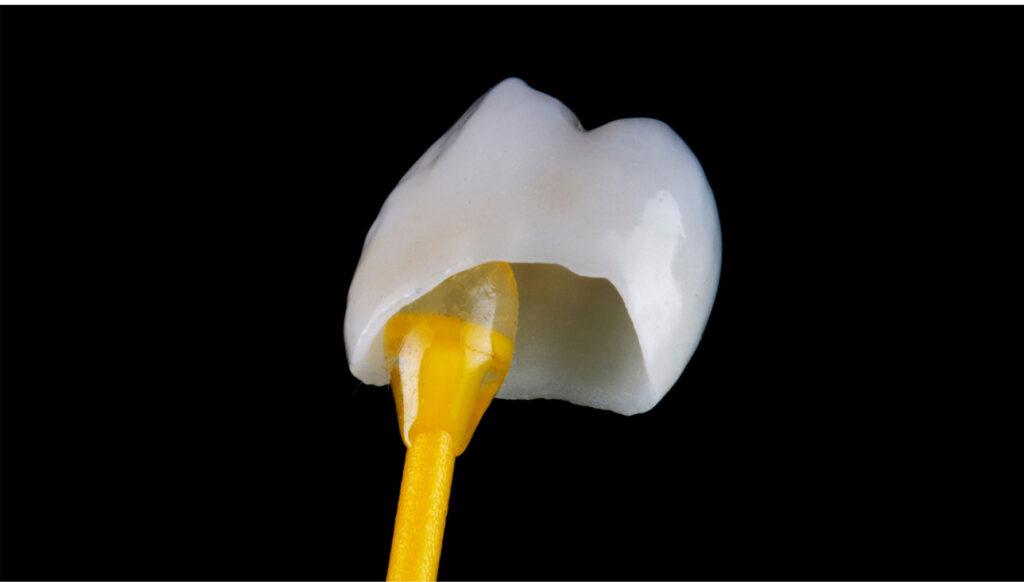
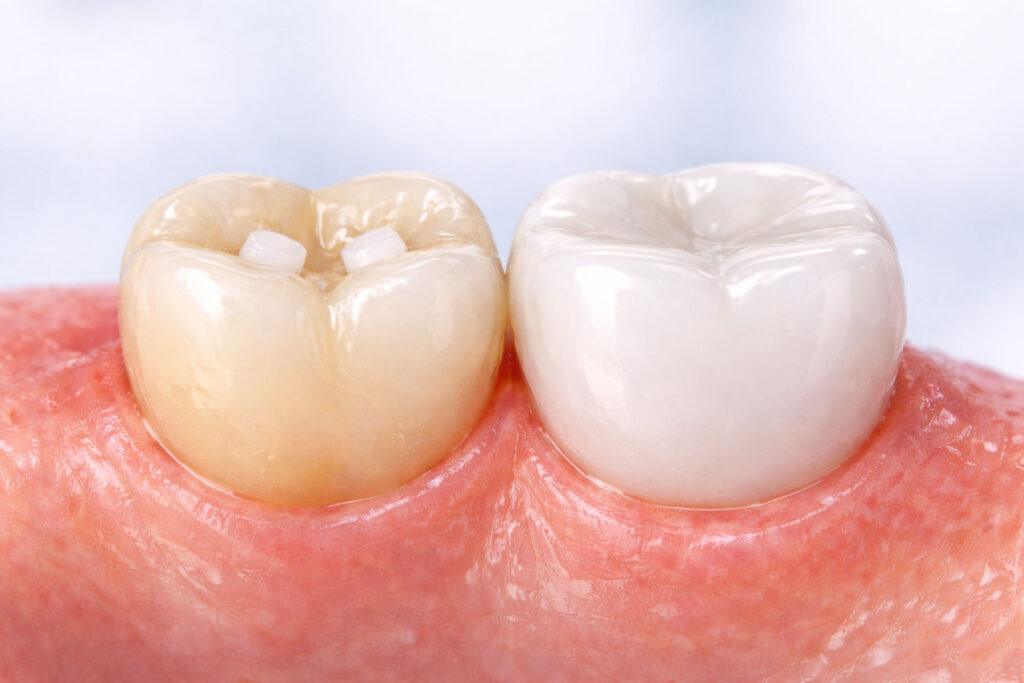
Dental crowns are tooth-shaped restorations that fit over a tooth like a protective cap. In other words, a crown covers the outside of the tooth and helps restore its shape, strength, and appearance.
Importantly, crowns differ from fillings. While a filling repairs a specific area, a crown typically covers the entire visible surface of the tooth. As a result, crowns often provide more protection when a tooth needs reinforcement.
Related options:
- Dental crowns
- Dental fillings
✅ When Do You Need a Dental Crown?
Sometimes patients choose crowns for appearance. More often, however, a dentist recommends them for protection and long-term stability. Below are common reasons:
🔧 Cracked Tooth: A Dental Crown For Protection
A crack can create a cosmetic concern, especially on a front tooth. More importantly, it weakens the tooth. Consequently, chewing pressure can worsen the damage. A crown can reinforce the tooth and help lower the risk of further fracture.
🧱 Broken Tooth: A Dental Crown For Strength And Coverage
A broken tooth often needs prompt care. Otherwise, bacteria may reach deeper layers and trigger sensitivity or infection. With a crown, your dentist can restore shape and strength while also improving appearance.
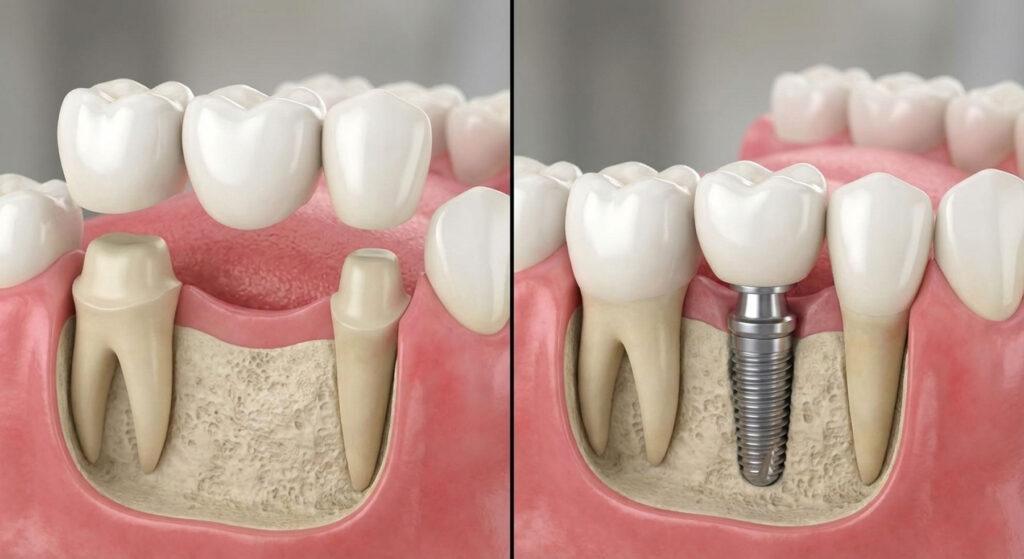
🦷 Missing Tooth Replacement: Dental Crowns With Bridges Or Implants
Losing an adult tooth can make chewing uncomfortable and lower confidence. Also, a gap can affect nearby teeth over time.
Since a crown is a “cap,” it needs support to replace a full missing tooth. For instance:
🦠 Tooth Decay: Dental Crowns For Large Cavities
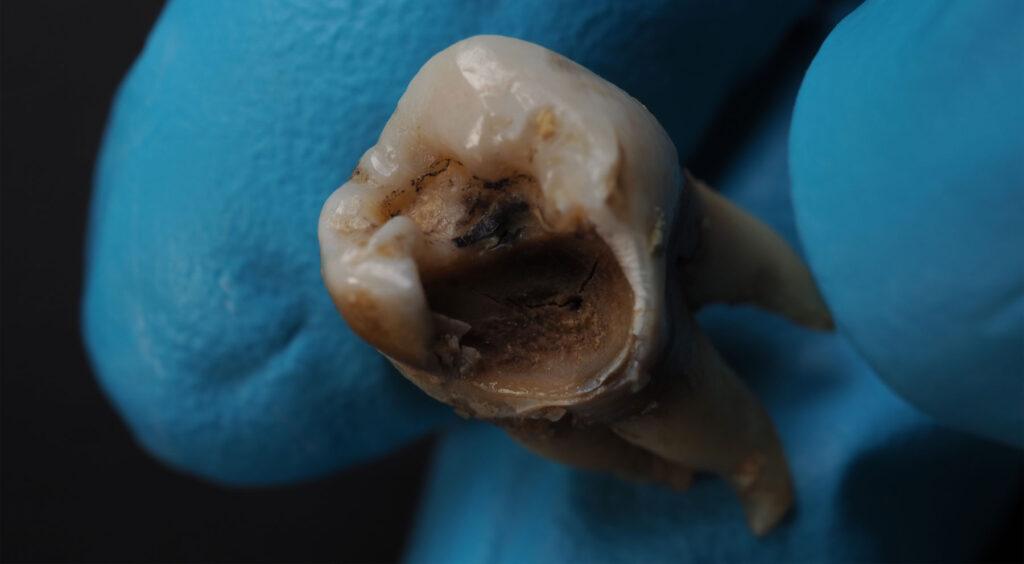
Tooth decay is common. However, extracting an adult tooth is not always the first choice. Often, your dentist removes the decay and then protects the remaining tooth structure with a crown. As a result, you keep more of your natural tooth while replacing the damaged outer structure with a durable restoration.
🎨 Discolored Teeth: Dental Crowns For Stains That Don’t Lift
Not all stains respond well to whitening. Therefore, when discoloration stays stubborn, a crown can cover the tooth and improve appearance quickly. If you’re exploring cosmetic options, see: Cosmetic dentistry.
🧩 Misshapen Or Worn Teeth: Dental Crowns For A More Even Smile
Some teeth look uneven due to natural shape, accidents, or grinding. In those cases, a crown can cover flaws and create a more balanced, consistent look.
At Smiles For Health, we help you decide whether dental crowns fit your goals—whether you want protection, function, or a more confident smile. 📞 Book an evaluation in Carlsbad and we’ll explain your options clearly, without pressure.