😴 What is bruxism—and Why Does it Happen?
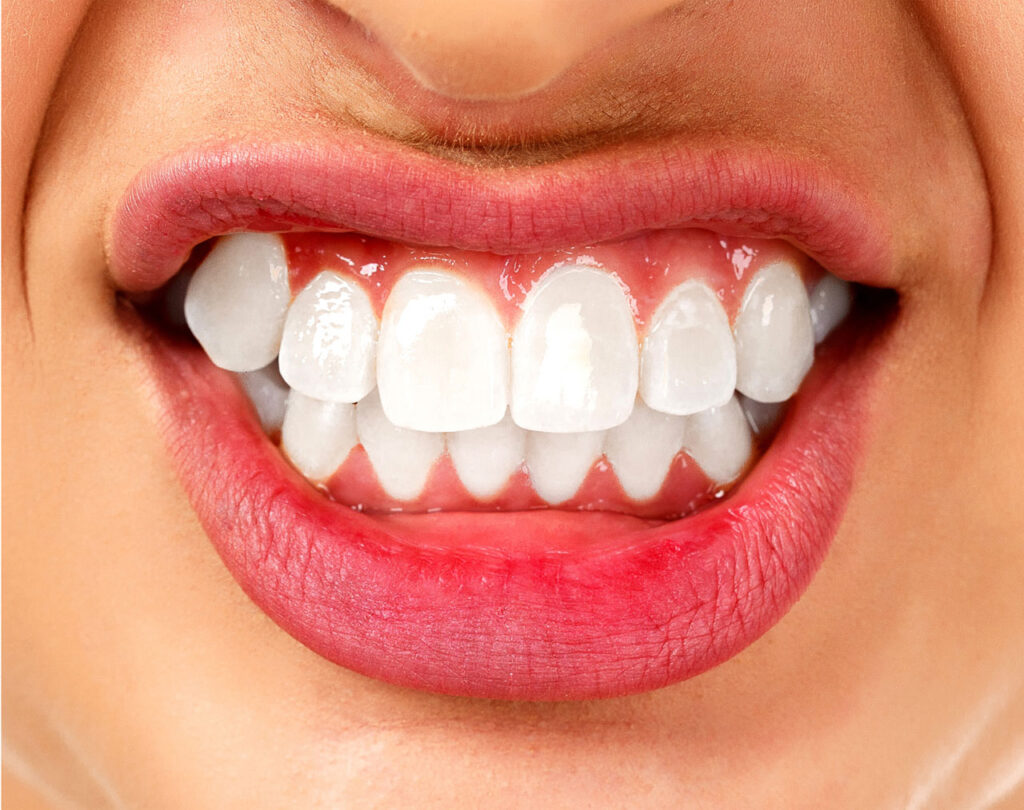
If you’re looking for bruxism remedies, it helps to start with how bruxism shows up. Bruxism is teeth grinding or jaw clenching, and it can happen during sleep (sleep/nocturnal bruxism) or while you’re awake without noticing (awake bruxism).
For many people, bruxism comes from a mix of factors—stress, anxiety, daytime clenching habits, bite issues, or muscle tension. The good news: there are effective teeth grinding remedies, and the best option depends on what’s driving your symptoms.
🛡️ Bruxism Remedies That Protect Your Teeth and Jaw
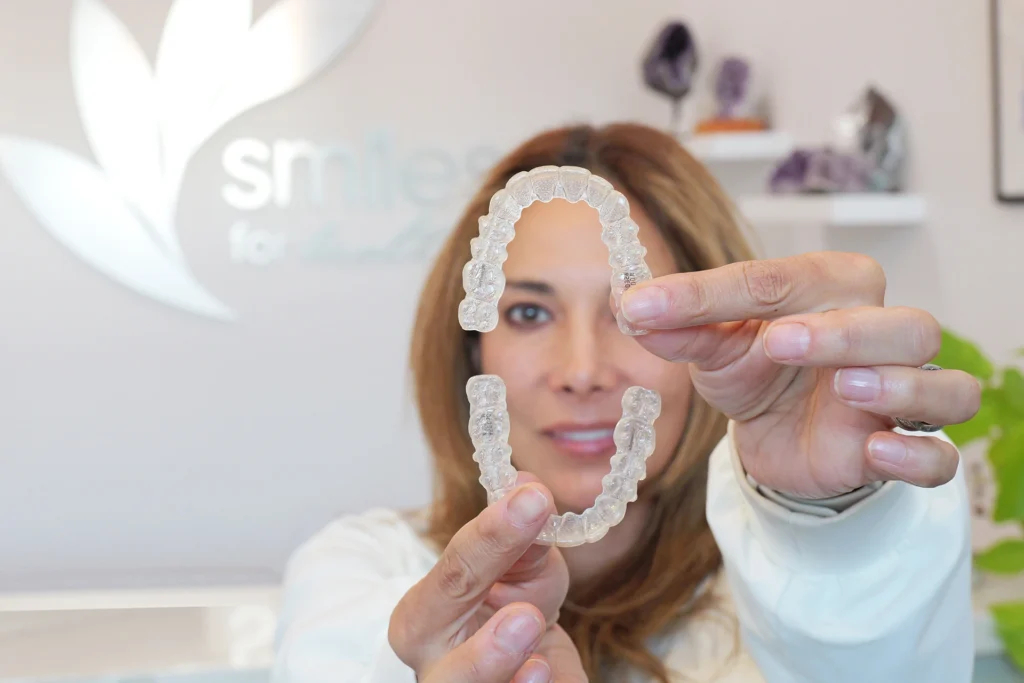
🦷 1) Night Guard for Bruxism: Mouthguards and Splints for Teeth Grinding
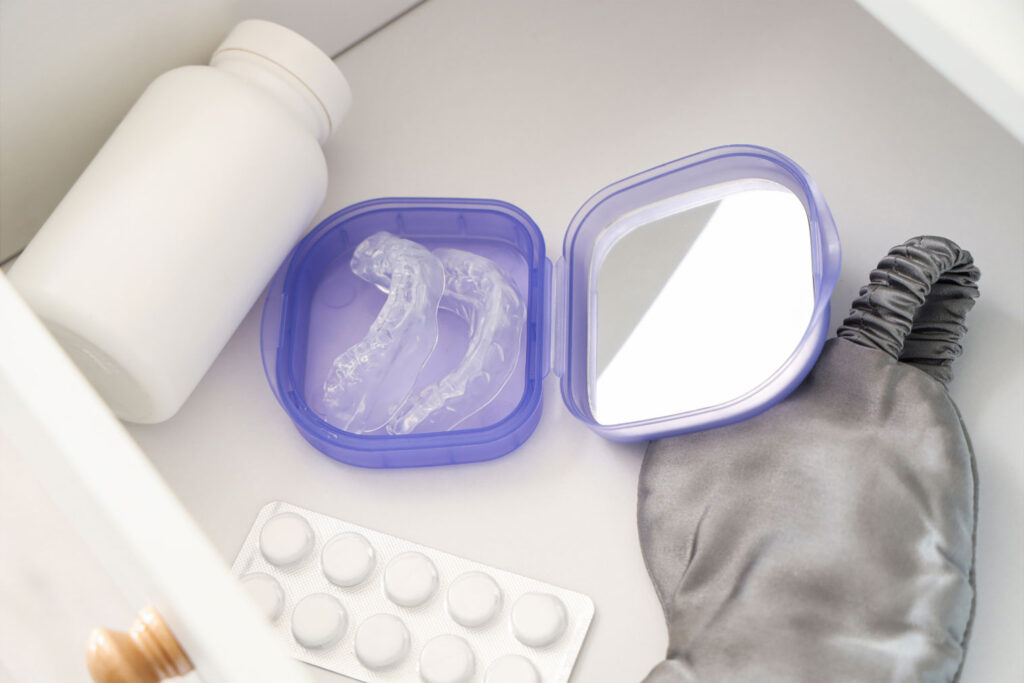
One of the most common bruxism remedies for sleep grinding is an occlusal splint (night guard). It cushions your teeth and helps stop them from grinding against each other while you sleep.
✅ Custom night guard (made by your dentist)
- More comfortable (fits your bite precisely)
- Better protection for frequent or intense bruxism
- May reduce jaw strain
✅ Over-the-counter (OTC) guard
- Lower cost
- Can help mild grinding
- Note: poor fit or rigid plastic can increase tension for some people
If you wake up with jaw pain, headaches, or visible wear, a custom guard is often the most reliable option for long-term protection.
🧠 2) Stress-Reduction Bruxism Remedies for Jaw Clenching Relief
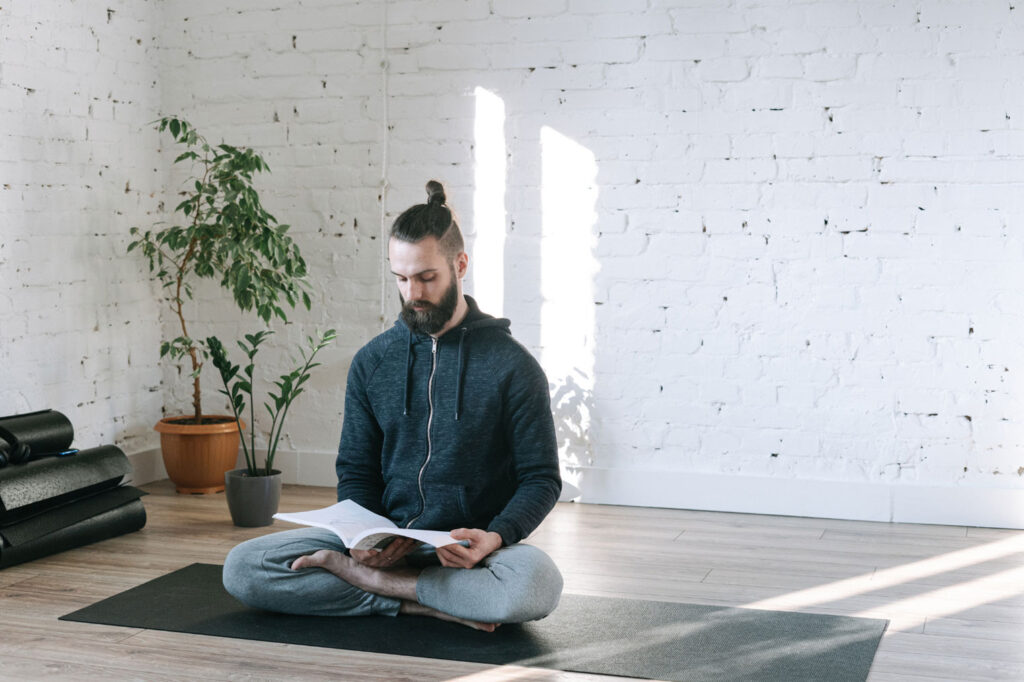
For some people, bruxism connects to stress, anxiety, or emotional tension. While stress management doesn’t “cure” bruxism on its own, it can reduce intensity for many patients—especially during high-stress seasons.
Try:
- 🧘 Short guided breathing or meditation before bed
- 🚶 Daily movement (walks, gentle stretching)
- 💬 Talk therapy or counseling when stress feels heavy
- 🛌 A steady sleep routine (consistent bedtime, fewer screens late)
😬 3) Jaw Exercises for Bruxism Relief: Tongue and Muscle Techniques
Jaw tension often feeds the clenching cycle. These exercises can help:
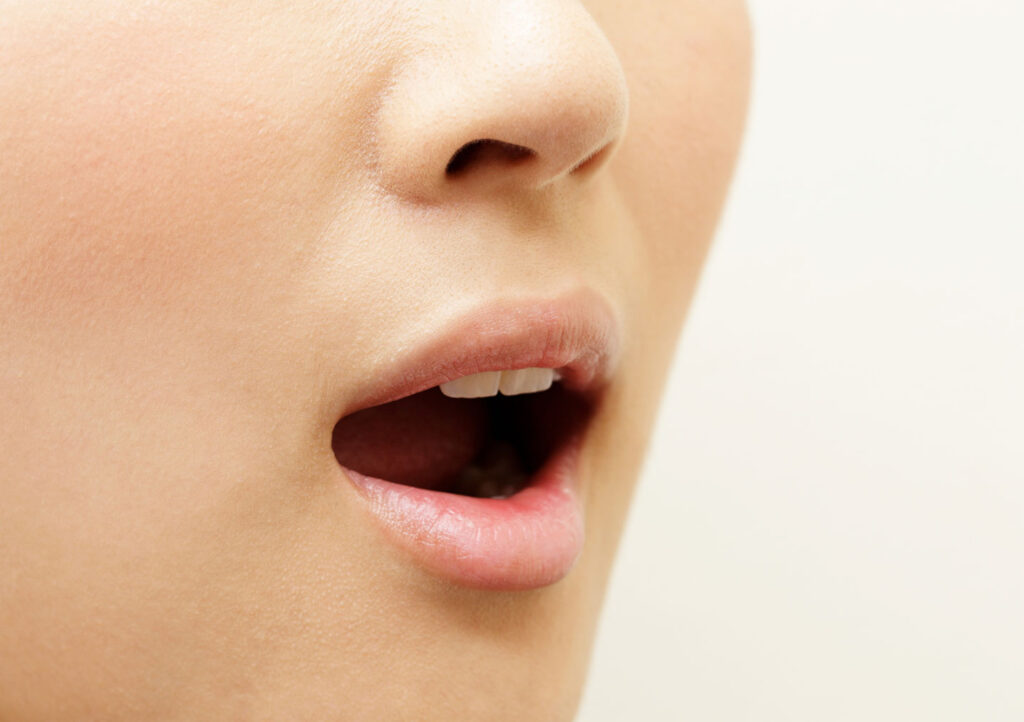
- Open wide gently while touching your tongue to your front teeth (encourages relaxation).
- Say the letter “N” out loud repeatedly to keep teeth from touching at rest.
- Massage your jaw muscles gently in circular motions.
If pain is persistent or intense, get professional guidance to avoid aggravating the joint or muscles
🦷 4) Bite Adjustment Bruxism Treatment: Reductive Coronoplasty for Grinding
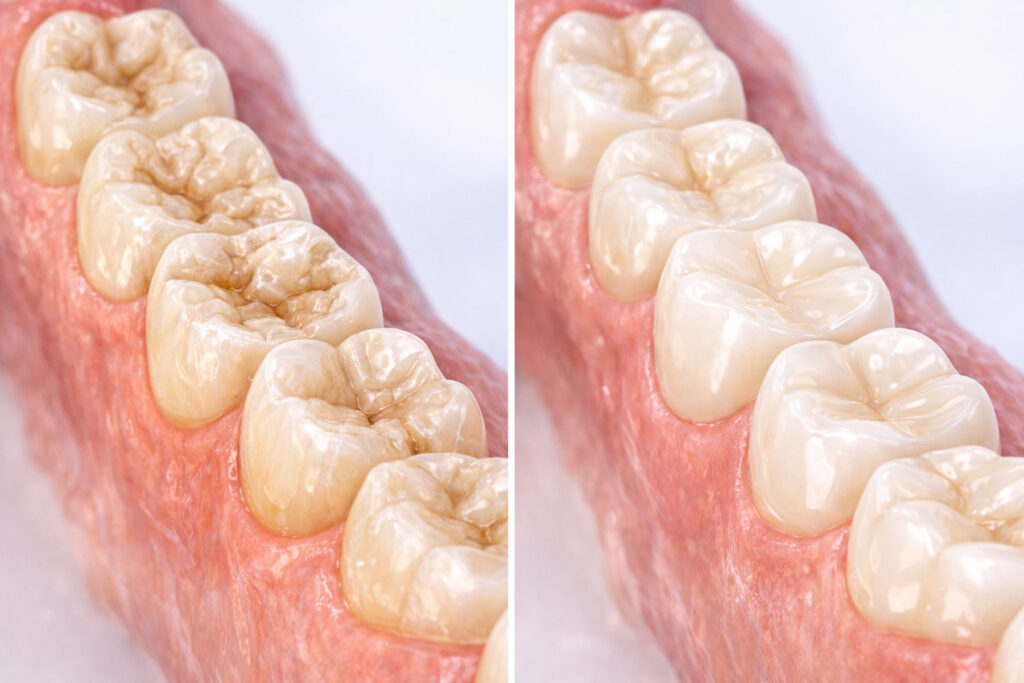
In some cases, bruxism worsens due to crowding, misalignment, or uneven bite contacts. Your dentist may consider reshaping or leveling specific bite points (reductive coronoplasty) if it fits your case.
This isn’t for everyone—your dentist should determine it after evaluating your bite and wear pattern.
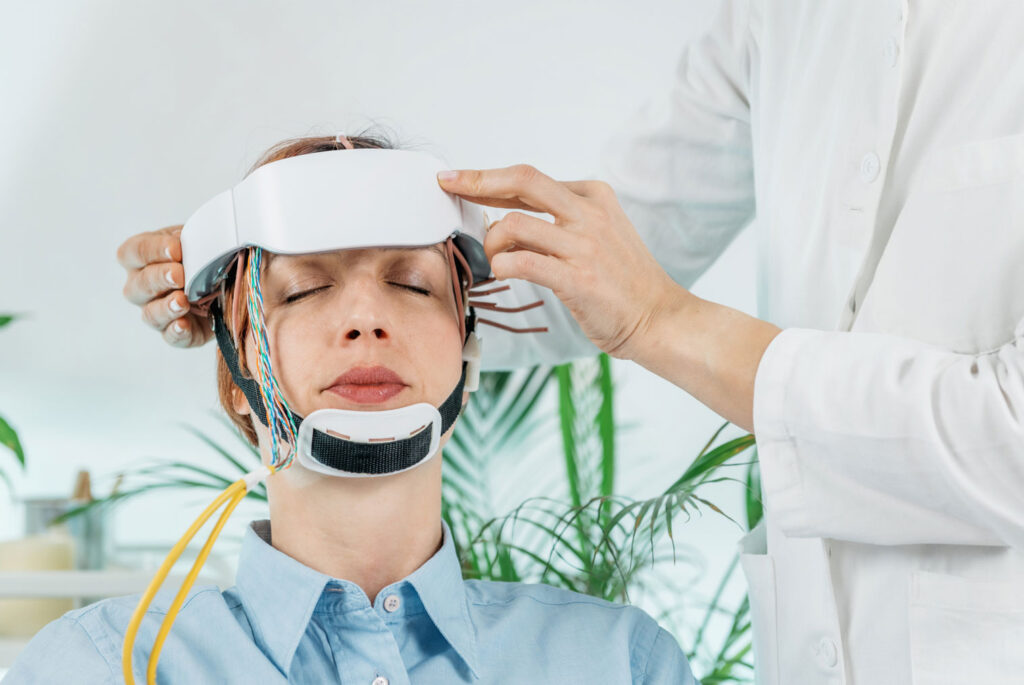
🎯 5) Biofeedback Bruxism Remedy: Training Yourself to Stop Clenching
Biofeedback helps you notice and reduce clenching behaviors, especially during the day. It may use visual, sound, or vibration cues to alert you when jaw muscles tighten.
It can help some patients, but research is still limited—many people do best with it as part of a broader plan.
💉 6) Botox for Bruxism (for select cases)
In certain cases, a qualified provider may recommend botulinum toxin (Botox) injections into the masseter muscle to reduce clenching force. Botox doesn’t cure bruxism, but it can lessen pain and grinding frequency for some people.
This option requires a careful discussion of benefits, risks, and expectations—and repeat treatments may be needed.

🚩 When to See a Dentist for Bruxism Remedies
Book a visit if you notice:
- morning jaw pain 😣
- frequent headaches (especially temples) 🤕
- flattened, chipped, or sensitive teeth 🦷
- clicking/tension when opening or closing
- someone hears you grinding at night 😴
At Smiles For Health, we’ll help you choose bruxism remedies that match your symptoms, your bite, and your comfort—without pressure and with a clear plan to protect your teeth and ease jaw tension. If dental anxiety is part of the picture, we’ll take things at a calm, human pace.
Also ask us about our teeth whitening services!