



🥗 Oral Health Foods for a Healthier Smile
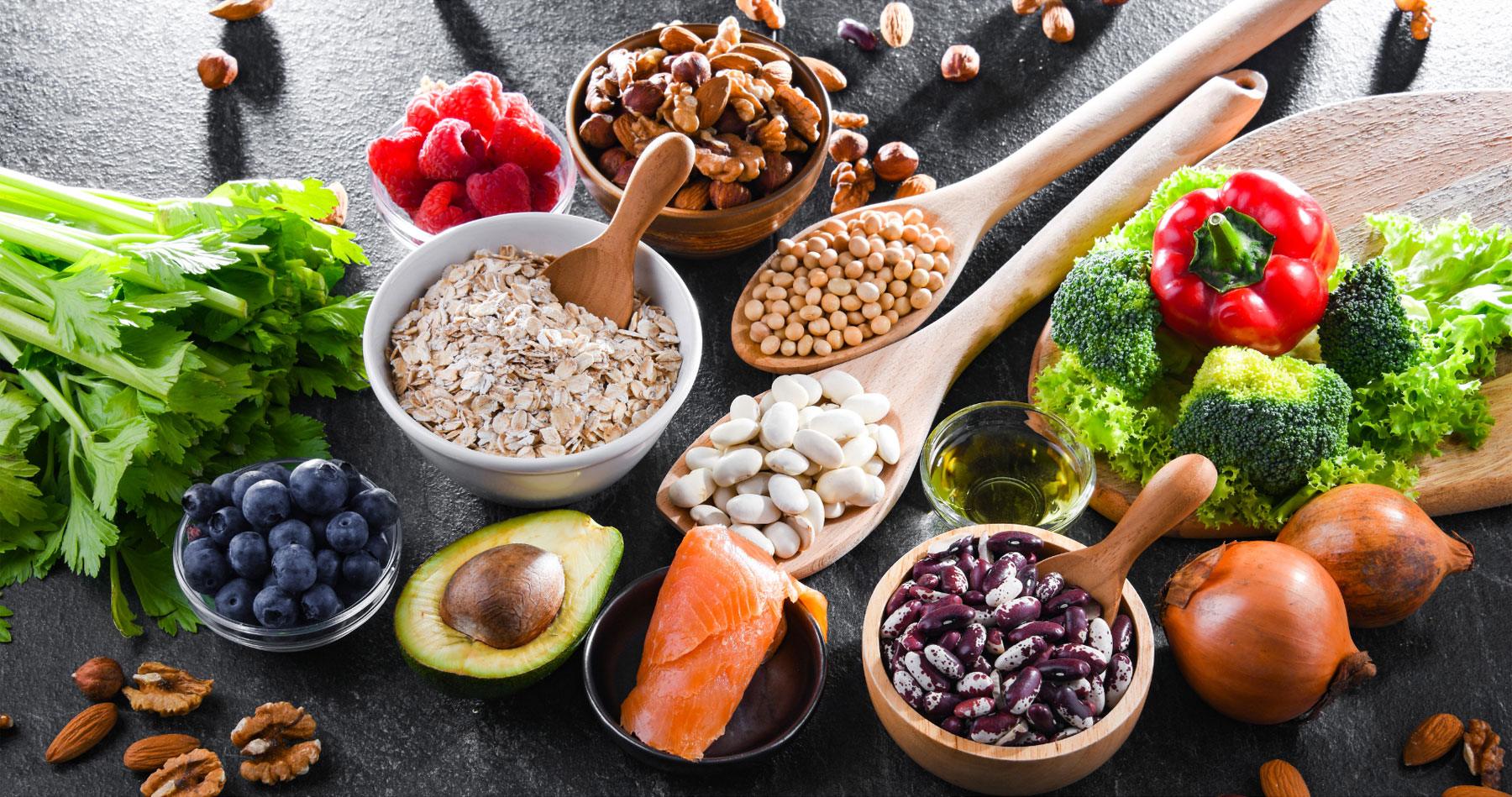
Below are just a few foods that are good for your oral health, but there are many more out there to be explored. Also, just by eating healthy, it does not give you perfectly healthy teeth. We still recommend making an appointment twice a year to see your dentist in combination with a good diet.
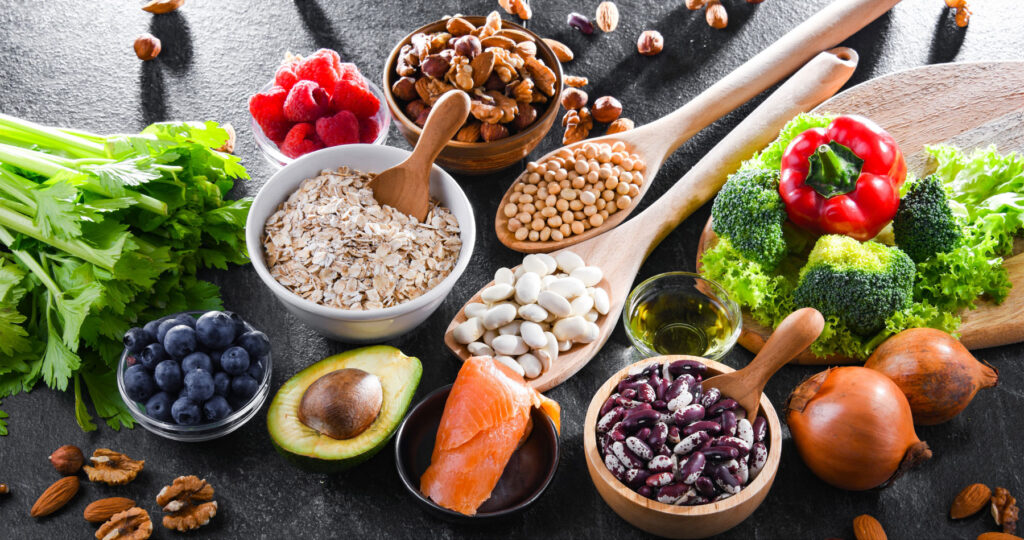
🥕 Oral Health Foods: Raw Fruits and Vegetables
Why: tooth scrub, mild stain removal, plaque scraped away
If you were to make one change to your diet to benefit your teeth, choose a steady intake of raw fruits and vegetables. Crunchy produce can help mechanically: biting and chewing fibrous plant flesh can “scrub” teeth and provide mild, ongoing stain removal. Many fruits and vegetables also provide vitamin C and other nutrients that support strong teeth.
🥩 Steak
Why: jaw exercise, gum support, phosphorus for teeth and bones
Chewing steak can give your teeth a workout while providing nutrients. Steak contains phosphorus, which helps support strong teeth and bones. Additionally, chewing can strengthen your jaw and the massaging action may support gum health.
🍫 Oral Health Foods: Dark Chocolate
Why: antioxidants, supports bacterial control, helps prevent sticking, supports enamel.
Dark chocolate can be surprisingly tooth-friendly compared to sugary milk chocolate. It contains antioxidants and may help fight bacteria linked with gum and tooth decay. It may also make it harder for bacteria to stick to teeth. Choose low-sugar dark chocolate or cacao nibs.
🐟 Fatty Fish Filets
Why: vitamin D and potential support against decay (evidence is mixed)
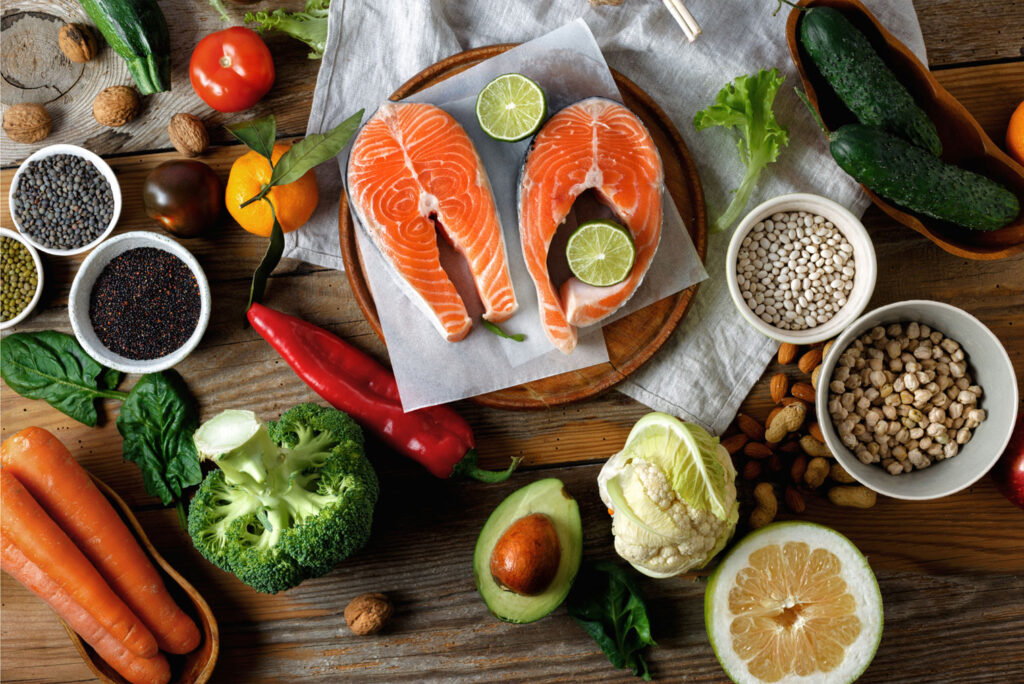
Fatty fish like salmon, mackerel, tuna, and trout provide omega-3s and vitamin D. Research has explored vitamin D’s relationship with dental caries, with mixed findings across studies
🥛 Grass-Fed Dairy
Why: vitamin K2 (discussed topic) + calcium delivery pathways
Some nutrition discussions connect vitamin K2 with how the body handles calcium alongside vitamins A and D. If you choose dairy, prioritize lower-sugar options.
🍊 Foods for Gum Health: Citrus Fruit
Why: vitamin C support, but watch acid exposure
Citrus is debated for oral health. On one hand, it relates to vitamin C and gum support. On the other hand, citric acid and sugars can affect enamel if exposure is frequent. Enjoy citrus, but rinse after so sugar and acid don’t linger.
🌰 Almonds
Why: calcium-rich, fibrous, increases saliva
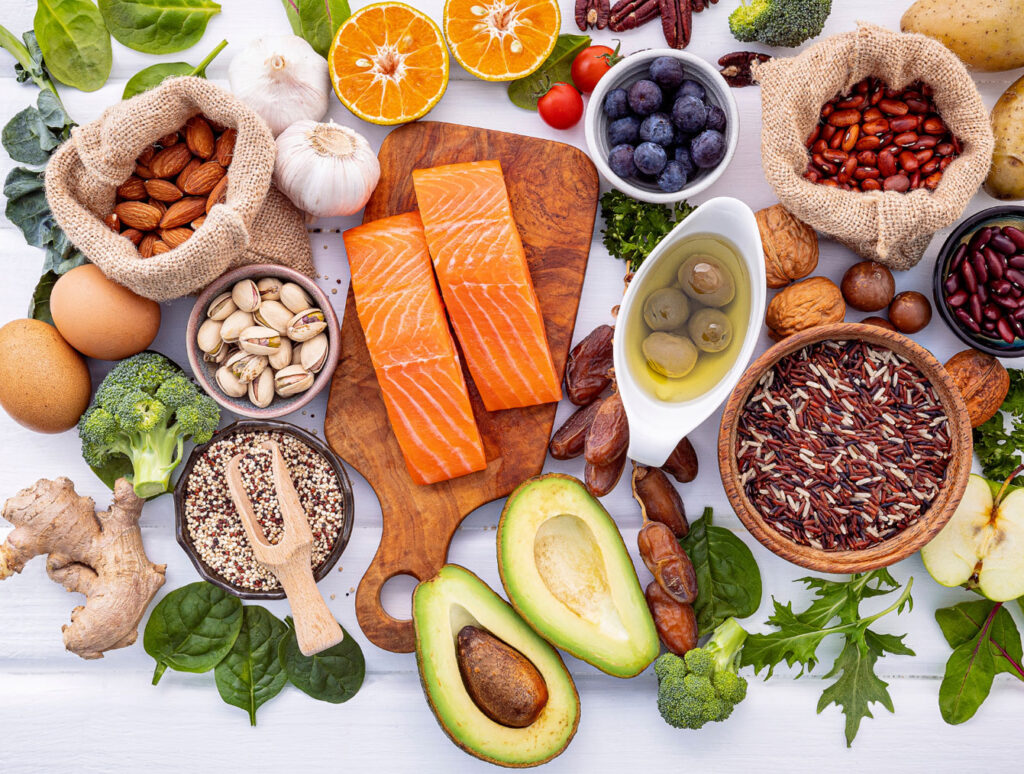
Almonds provide calcium and make a non-sugary snack. Chewing nuts can also increase saliva, which supports your mouth’s natural self-cleaning.
🍓 Strawberries
Why: malic acid and saliva; antioxidants
Strawberries contain malic acid, which can increase saliva production. Like other berries, they also provide antioxidants and compounds often discussed in relation to gum health.
🥣 Yogurt
Why: calcium + beneficial cultures for the oral microbiome
Yogurt provides calcium and cultures that can support a more balanced oral microbiome. Some studies have evaluated probiotic yogurt and changes in markers related to caries risk.
🍇 Foods for Healthy Teeth: Raisins
Why: phytochemicals, but sticky sugar
Raisins may provide phytochemicals, but they’re sticky and contain sugar. Brush and floss after so they don’t sit on teeth for long.
🍄 Shiitake Mushrooms
Why: bioactive compounds linked with cavity/gum support
Some research discusses bioactive compounds in shiitake mushrooms in relation to oral health. Including them regularly as part of a balanced diet can be a smart option.
🧀 Cheese
Why: calcium + minerals that help neutralize plaque acids
Cheese provides calcium and can help neutralize acids in the mouth. As a snack, it often fits better than high-sugar alternatives.
🌾 Oats and Other Whole Grains
Why: fiber; better sugar processing patterns
Whole grains like oats and barley provide fiber and can be better than refined flour. They also often pair with lower-added-sugar meals.
🥬 Oral Health Foods: Leafy Green Salads
Why: calcium and minerals that support teeth
Leafy greens provide calcium and minerals that support strong teeth. Adding them often can support a tooth-friendly diet.
Cinnamon
Why: aromatic compounds linked with antibacterial activity
Cinnamon contains aromatic compounds often discussed for antibacterial activity. Use it in cooking and warm drinks without adding extra sugar.

✅ Oral Health Foods: A Quick Reminder About Checkups
These oral health foods can support your smile. Still, daily hygiene, limiting added sugar, and twice-yearly dental visits do the heavy lifting.
Don’t be afraid, give us a call today so we can not only help you with your oral care, but also help you with your dental care anxiety. Come in to Smiles for Health so we can assess your teeth and help you get ahead of your dental care. Also ask us about our dental whitening services!