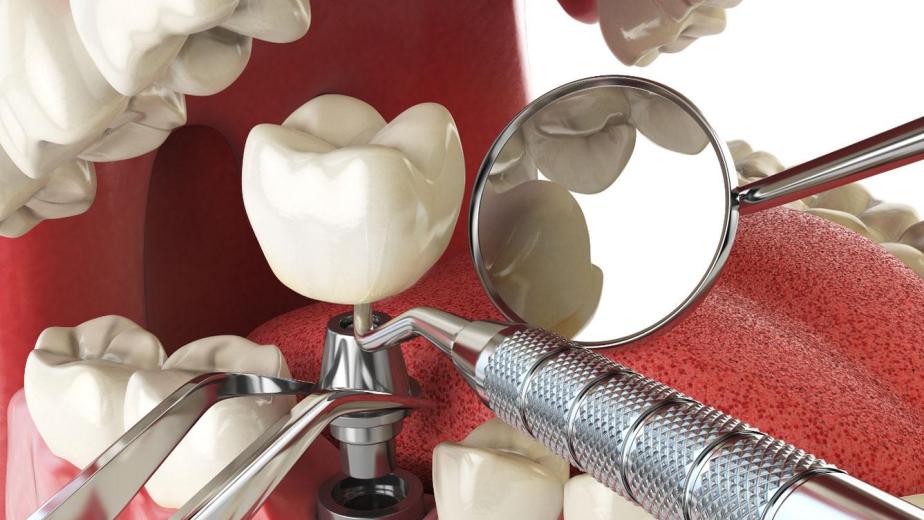




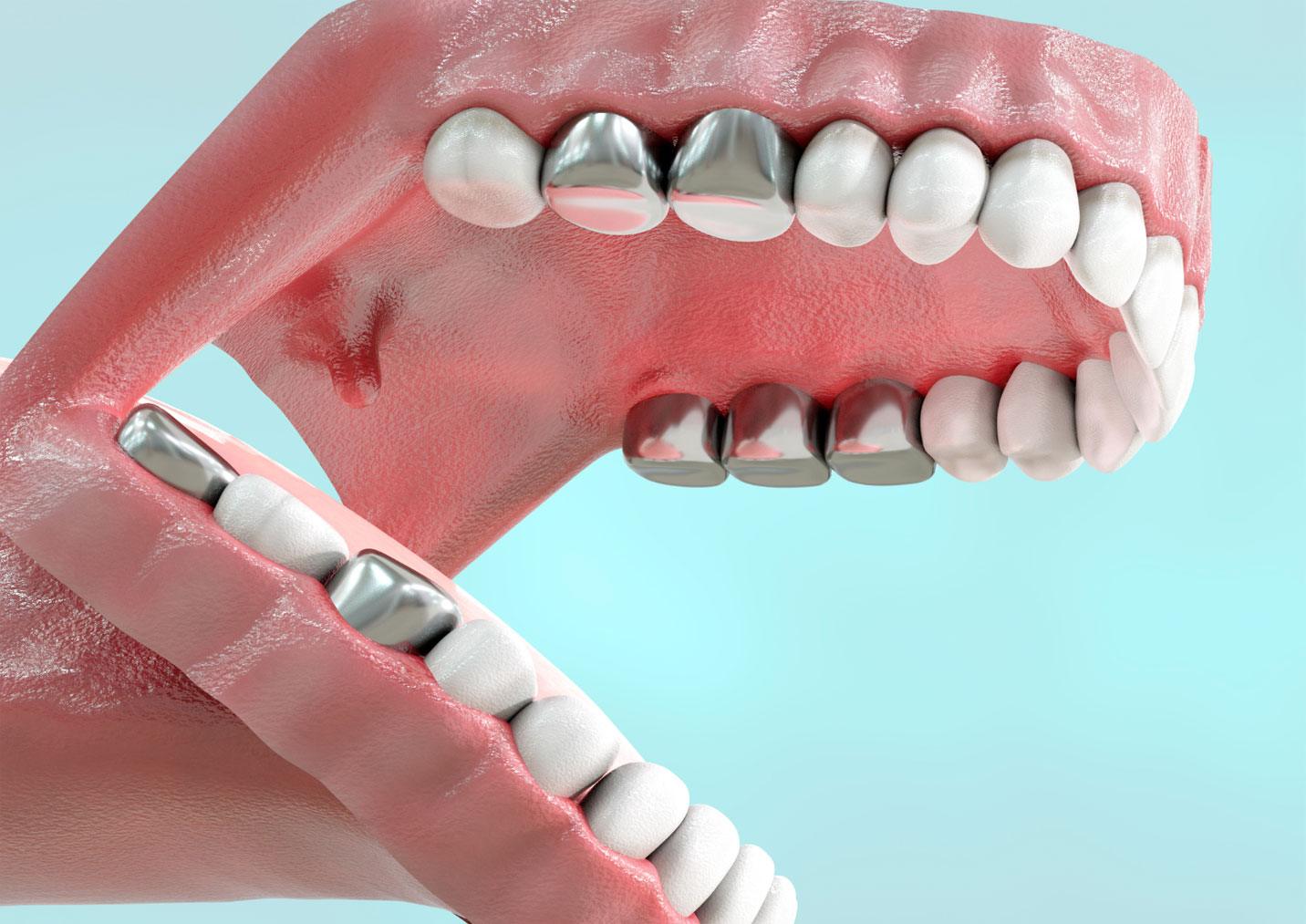
Since the 19th century, dental amalgam, also known as silver fillings, has been a preferred filling material for dental cavities. If you’re researching Dental Amalgam Carlsbad, you’re not alone—many patients want clear facts before deciding what to do. Its use became popular because it treats tooth decay effectively, costs less than many alternatives, and lasts a long time. Despite its success, controversy has followed its use. This article addresses concerns raised about dental amalgam and advises patients on the way forward.
❓What is Dental Amalgam?
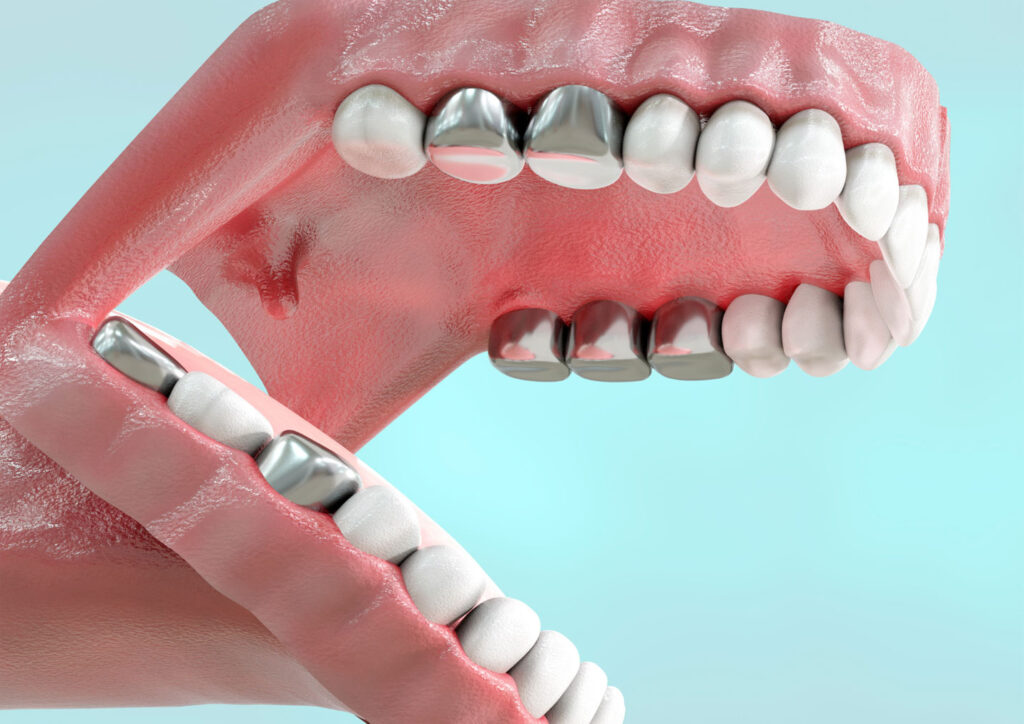
Dental amalgam is a combination of metals that creates a filling material used to seal cavities. It consists of a mixture of copper, tin, and silver dissolved in liquid mercury. In some cases, amalgam may also contain trace amounts of zinc, palladium, and indium.
Because amalgam has a silver color, many people assume it is mostly silver. This is not the case; silver is only one of the alloys used, and about 50% of amalgam is mercury.
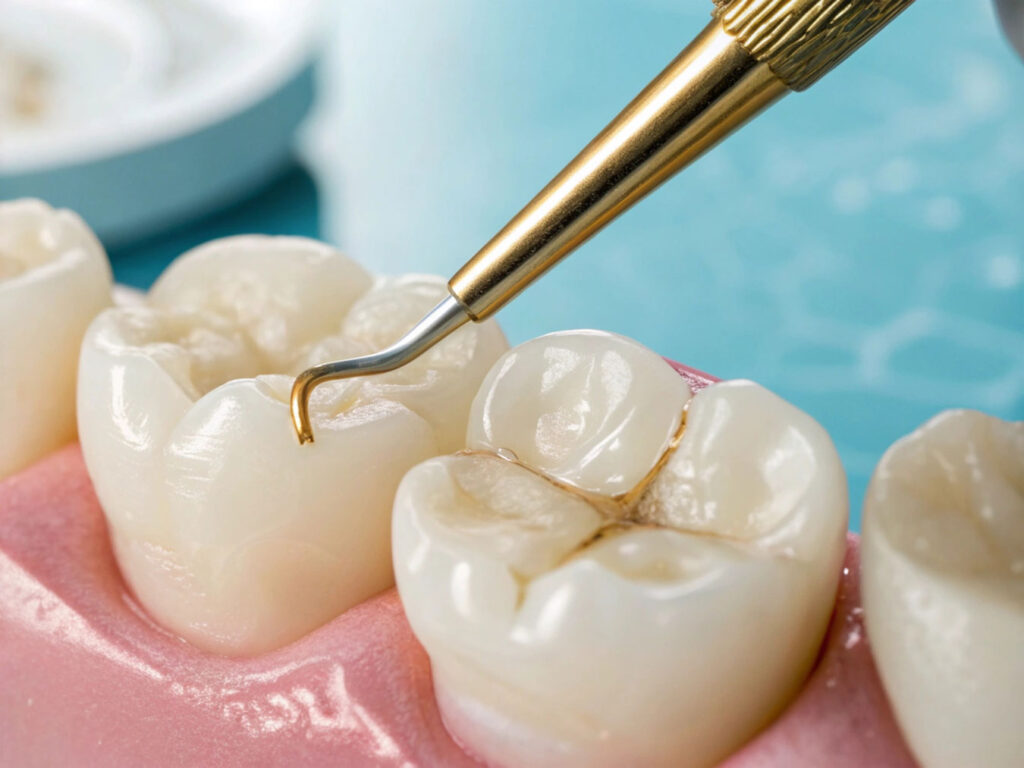
Besides sealing cavities, dental amalgam has also proven versatile. Dentists can use it to repair worn-down teeth or teeth that have cracked, chipped, or broken.
⚗️ What is Mercury?
Mercury is a chemical element also known as quicksilver, and it exists in the environment in many forms. Two main types of mercury include methylmercury and elemental mercury.
Methylmercury forms when mercury combines with carbon, and you cannot see it with the naked eye. You will mostly find it in water, soil, plants, and some animals, especially fish, as well as in certain household items.
Elemental mercury refers to mercury before it reacts with other substances. It appears as a metallic silver liquid and can evaporate into toxic vapor when heated. People have commonly used it in thermometers and barometers—and it is also present in silver fillings.
🧪Why Is Mercury Used in Dental Amalgam?
Mercury is the only metal element available in a liquid state at standard conditions. It creates a flexible compound that dentists can easily manipulate to fit into a tooth that needs repair. It also hardens quickly and resists chewing forces over time.

🛡️ Safety Concerns About Dental Amalgam
Because mercury occurs naturally in the environment, most people have had some exposure through air, water, soil, or food. Some experts compare exposure from dental amalgam to the kind of exposure people experience in daily life.
In 2017, the FDA concluded that amalgam fillings are safe for both adults and children. The FDA found no indication that dental amalgam compromises health or that mercury amalgam removal benefits health. However, the FDA advised caution for certain groups, including pregnant women and people with sensitivity to mercury, and suggested that dentists consider other treatment options for those patients.
At the same time, debate continues. Some studies suggest fillings may release low levels of mercury vapor over time, which the lungs can inhale and absorb. Brushing teeth, chewing gum, and drinking hot beverages may contribute to releasing small amounts. If the body accumulates too much mercury over time, some people may experience adverse effects such as memory problems, numbness, tremors, anxiety, or vision changes. In severe cases of mercury poisoning, patients may suffer permanent brain and kidney damage.
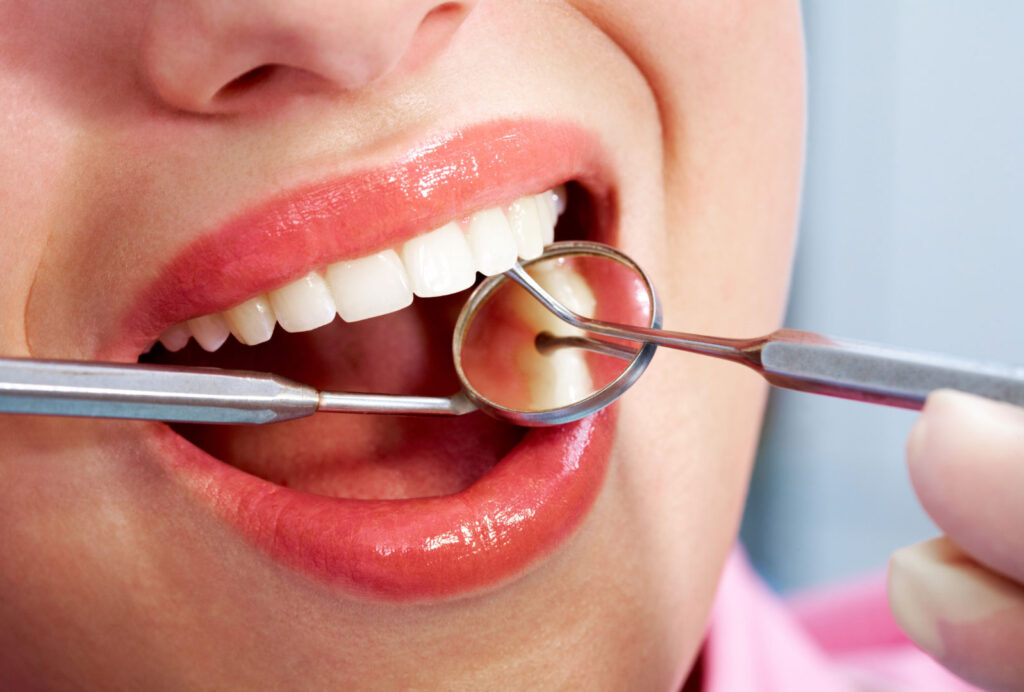
🌿 Dental filling options in Carlsbad at Smiles for Health
At Smiles for Health, we focus on wellness-centered dental care and clear guidance. If you feel torn about Dental Amalgam Carlsbad Treatment, you can choose from modern options that work well. Our dentist in Carlsbad may recommend tooth-colored composite resin fillings, which blend with the tooth’s enamel for a natural look. Other filling options may include porcelain and silver amalgam, depending on your needs. We explain the benefits and drawbacks of each filling method so you can make an informed decision.
✅ In summary
Dental amalgam has served as a reliable filling material for many decades, but some patients still worry about mercury exposure. The best next step is a personalized evaluation that considers your health history, symptoms, and preferences.