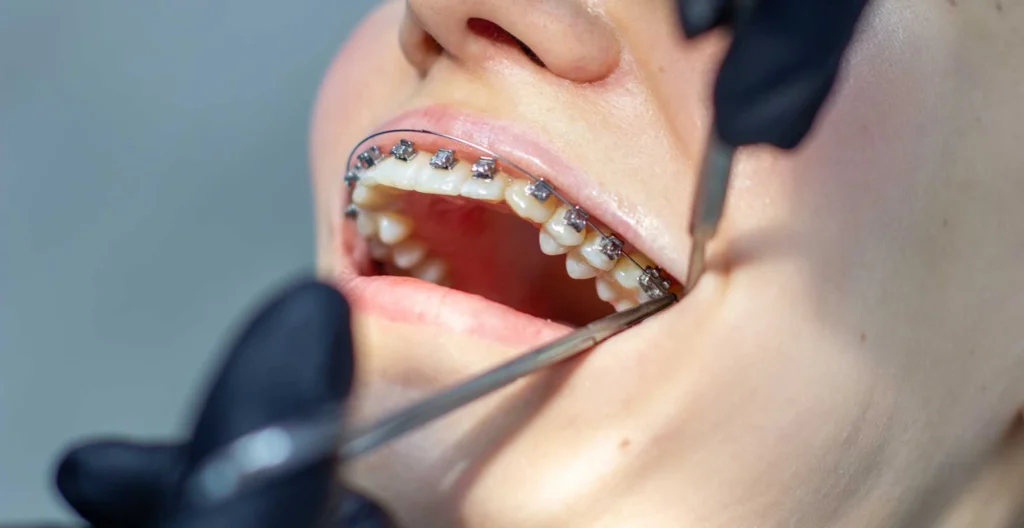
If you’re dealing with tooth filling pain months later, it usually means your tooth needs a closer look—not that you did something wrong. Mild sensitivity right after a filling can be normal; however, pain that shows up long after the appointment often signals a bite issue, a small leak, or nerve irritation. Therefore, the best next step is a quick evaluation so we can pinpoint the cause and help you feel comfortable again.
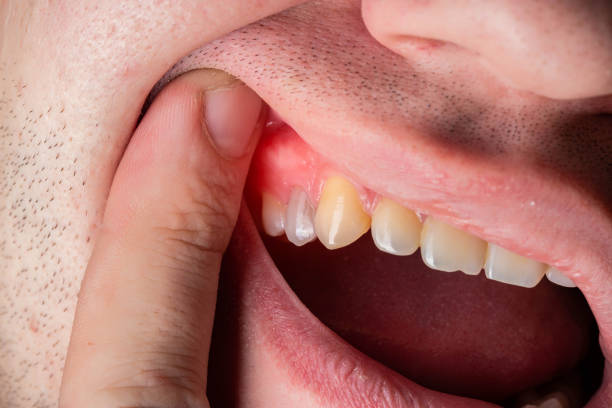
Tooth Filling Pain Months Later: What’s Normal vs. Not
Some sensitivity can linger for a short time, especially after a deep filling; still, it should steadily improve. In other words, if your symptoms are getting worse instead of better, that’s a clue the tooth may need an adjustment or additional treatment.
✅ A checkup is especially important if you notice:
😬 Sharp pain when biting
🧊 Lingering sensitivity to cold or heat
💓 Throbbing pain that comes and goes (or stays)
😣 Swelling, a bad taste, or tenderness in the gum
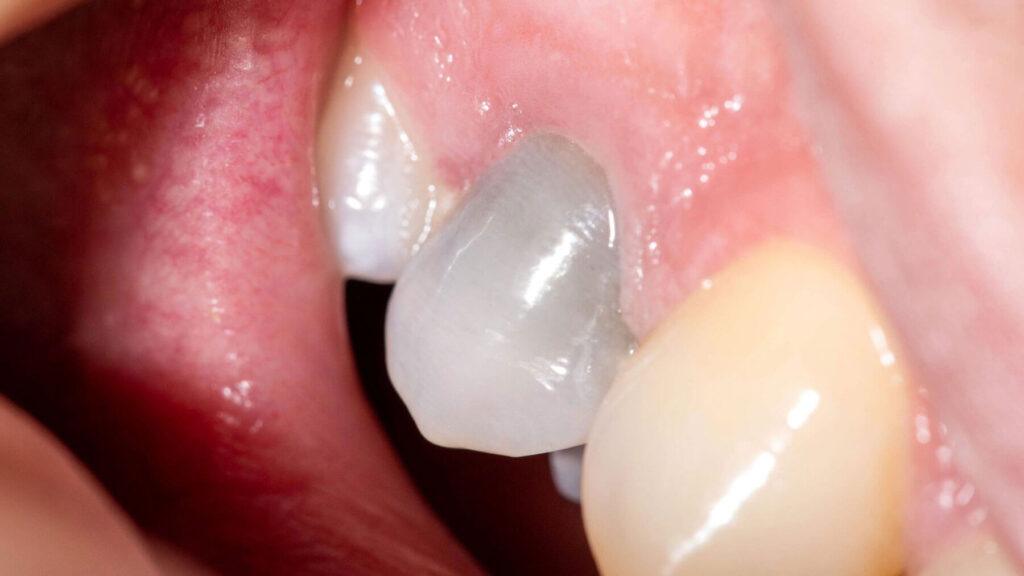
Common Reasons A Filled Tooth Starts Hurting Months Later
Sometimes a filling sits slightly high, so your bite hits it first; as a result, chewing can cause sharp pain, and a quick adjustment may fix it. Tiny gaps can also form over time; therefore, bacteria may slip in and trigger sensitivity that can turn into aching.
What Else Can Cause Pain Months Later?
In addition, clenching or hard foods can cause small cracks; consequently, you may feel an on-and-off “zing.” Deep fillings can also irritate the nerve; that said, throbbing pain or hot/cold sensitivity may mean the tooth needs more care.

Tooth Filling Pain Months Later: Bite Adjustment And High Spots
Home care can help temporarily; however, it won’t fix the underlying cause if the bite is off or decay is present.
- 😌 Use an OTC pain reliever as directed; therefore, you can reduce inflammation and discomfort.
- 🧊 Apply a cold compress for swelling; in addition, it can numb the area for short periods.
- 🧂 Rinse with warm salt water; moreover, it can soothe irritated gum tissue.
- 🍬 Avoid very hot/cold, sugary, or acidic foods; as a result, you may reduce symptom flare-ups.

When A Root Canal Might Be Needed After A Filling
Sometimes a filling solves the problem; still, if the nerve remains inflamed or becomes infected, symptoms can persist. For example, constant throbbing pain, pain that wakes you up, swelling, or lingering hot/cold sensitivity may point to nerve involvement. Therefore, a root canal can relieve pain, remove infection, and help save the tooth—often followed by a crown for protection.
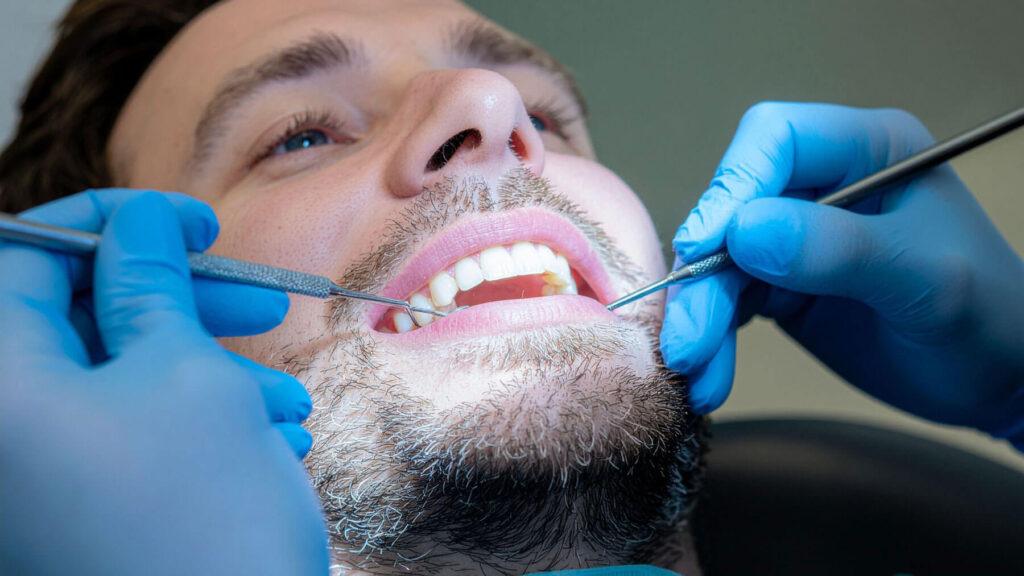
Tooth Filling Pain Months Later: When To See A Dentist In Carlsbad
Once we identify the cause, we aim for the simplest effective solution. For example, if the bite is high, we can adjust it quickly. If there’s new decay or leakage, we may recommend replacing the filling to restore a tight seal. If the tooth is cracked, we might protect it with a crown or onlay; meanwhile, if the nerve is involved, root canal therapy can be the most direct path to relief.
When To Schedule A Dental Exam
If pain is persistent or worsening, it’s time to come in. In other words, tooth filling pain months later is your tooth’s way of asking for a re-check—especially if chewing hurts or sensitivity lingers.

If your filled tooth still doesn’t feel right, we’re here to help. Schedule an appointment with Smiles For Health in Carlsbad, CA, and we’ll find the cause, calm the discomfort, and get you back to chewing with confidence.
Frequently Asked Questions
Is it normal for a filling to hurt months later?
Not usually; therefore, delayed pain often means the bite, seal, or nerve needs evaluation.
Why does it hurt when I bite on that tooth?
Often the filling is slightly high; however, a crack can feel similar, so an exam matters.
Can a deep filling cause lingering sensitivity?
Yes, because the nerve may stay irritated; still, worsening symptoms should be checked.
Could new decay form around an existing filling?
Yes; consequently, leakage at the edges can lead to sensitivity or aching over time.
Do composite fillings cause sensitivity months later?
Sometimes, because small gaps can develop; therefore, your dentist may check the seal and bite.
When does pain suggest a root canal might be needed?
If pain throbs, lingers, or wakes you up; moreover, swelling is a red flag.
Can clenching or grinding make a filled tooth hurt later on?
Yes, because extra pressure stresses the tooth; as a result, cracks or bite trauma can develop.
What should I avoid until I’m seen?
Avoid chewing hard foods on that side; meanwhile, choose softer foods and lukewarm drinks.