

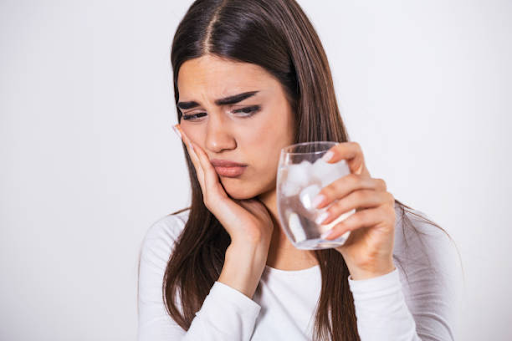
It’s a curious habit, isn’t it? If you find yourself asking, “is chewing ice bad for your teeth?” you might also wonder why so many people do it in the first place. You’re not alone—ice chewing is surprisingly common, and it can stem from stress, habit, or simply liking the cold crunch. However, even though it’s “just water,” the force and temperature can create real chewing ice dental risks over time; therefore, understanding why you do it is a smart first step toward protecting your teeth.

Is Chewing Ice Bad for Your Teeth? Why People Do It (And Why It’s Still Risky) 🧊
Here are some reasons why people chew ice and why it’s indeed a problem:
Behavioral Reasons 🧠
Stress Relief: For some, crunching feels calming; however, the enamel impact is real.
Habit/Boredom: It can become mindless over time; in addition, people often underestimate the bite force involved.
Thirst/Coolness: After finishing a drink, ice can feel refreshing; therefore, it’s easy to turn it into a routine.
Common Misconceptions 🚫
“It’s just water, so it’s harmless!” Ice is hard, brittle, and extremely cold; as a result, it can crack enamel or damage dental work.
“My teeth are strong; they can handle it!” Even healthy teeth aren’t designed to crush rigid substances repeatedly; consequently, damage from eating ice can accumulate quietly.
Potential Health Link (Pagophagia) 🩺
In some cases, a persistent craving to chew ice (pagophagia) can be associated with iron deficiency (with or without anemia). Therefore, if the urge feels intense or hard to control, it’s worth mentioning to your primary care doctor.
Regardless of the reason, is chewing ice bad for your teeth has a clear answer: yes. The repeated impact and cold shock raise chewing ice dental risks—and even if you don’t feel pain today, the micro-damage can still be happening.
What Happens to Your Teeth When You Chew Ice? ❄️
So, you’ve established that “is chewing ice bad for your teeth?” is a valid question—and yes, it is. But what exactly happens when you crunch ice? The short answer: nothing beneficial. The chewing ice dental risks can show up fast or build over time.
Damage From Eating Ice: The Most Common Problems ⚠️
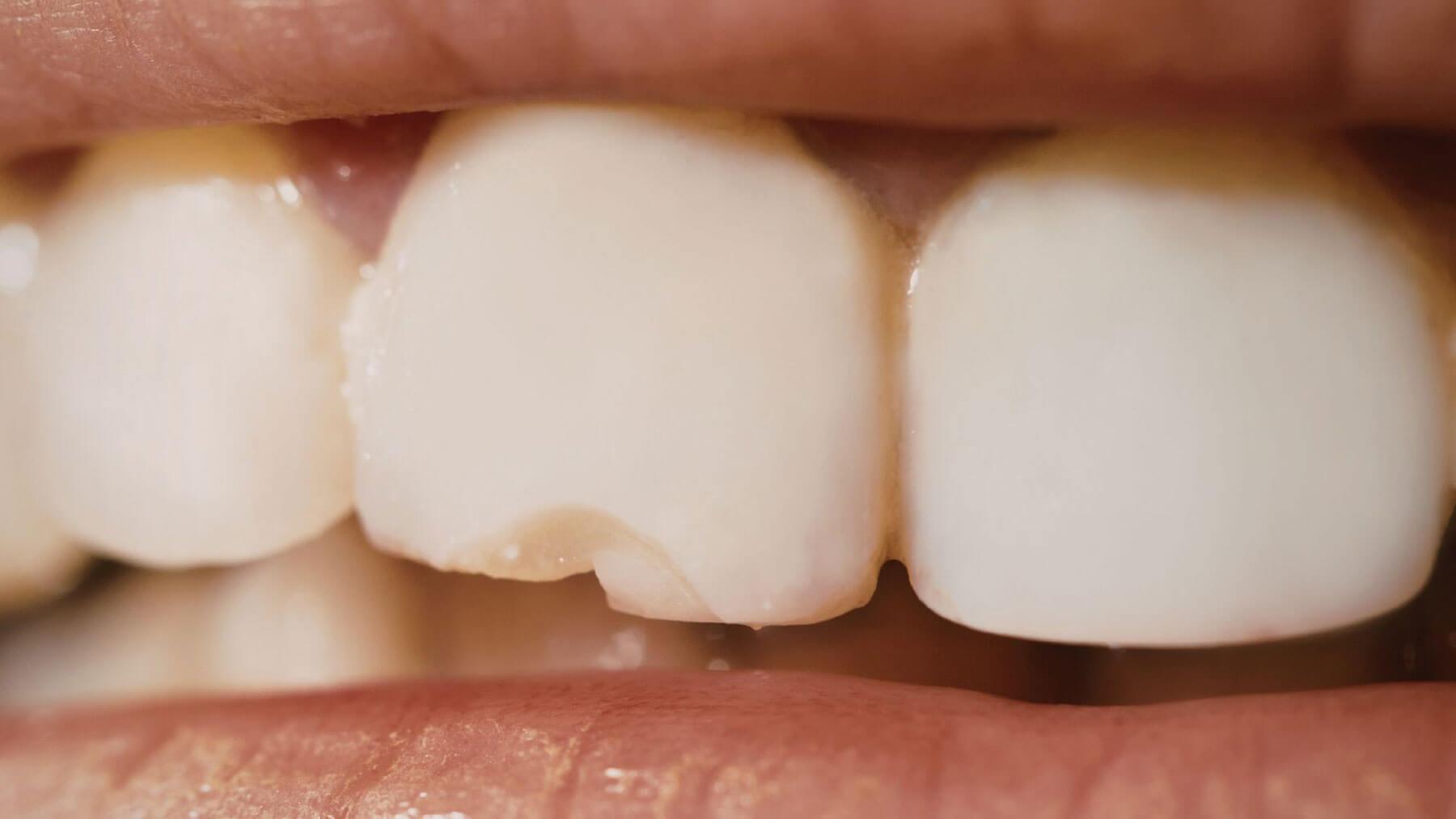
- Enamel Cracks (Microfractures): Enamel is strong but brittle; therefore, biting ice can create tiny cracks that weaken the tooth surface.
- Chipped Teeth: Larger cubes or repeated stress can chip enamel; as a result, sensitivity and rough edges become more likely.
- Gum Irritation/Damage: Sharp edges can nick gums; meanwhile, repeated trauma may contribute to recession and sensitivity.
- Damage to Existing Dental Work: Fillings, crowns, veneers, and bonding can crack or loosen; consequently, repairs can be costly.
- Temperature Sensitivity: The extreme cold can trigger or worsen sensitivity; therefore, pain may show up even if the tooth looks “fine.”
If you’re still wondering is chewing ice bad for your teeth, this is the key point: even “small” cracks can become bigger problems if you keep stressing the tooth.
Can Chewing Ice Cause Long-Term Dental Issues? 🧱
You might be thinking, “Okay, but will it really cause lasting problems?” Yes. The damage from eating ice is cumulative; therefore, repeated chewing increases your long-term risk.
Long-Term Chewing Ice Dental Risks 📉
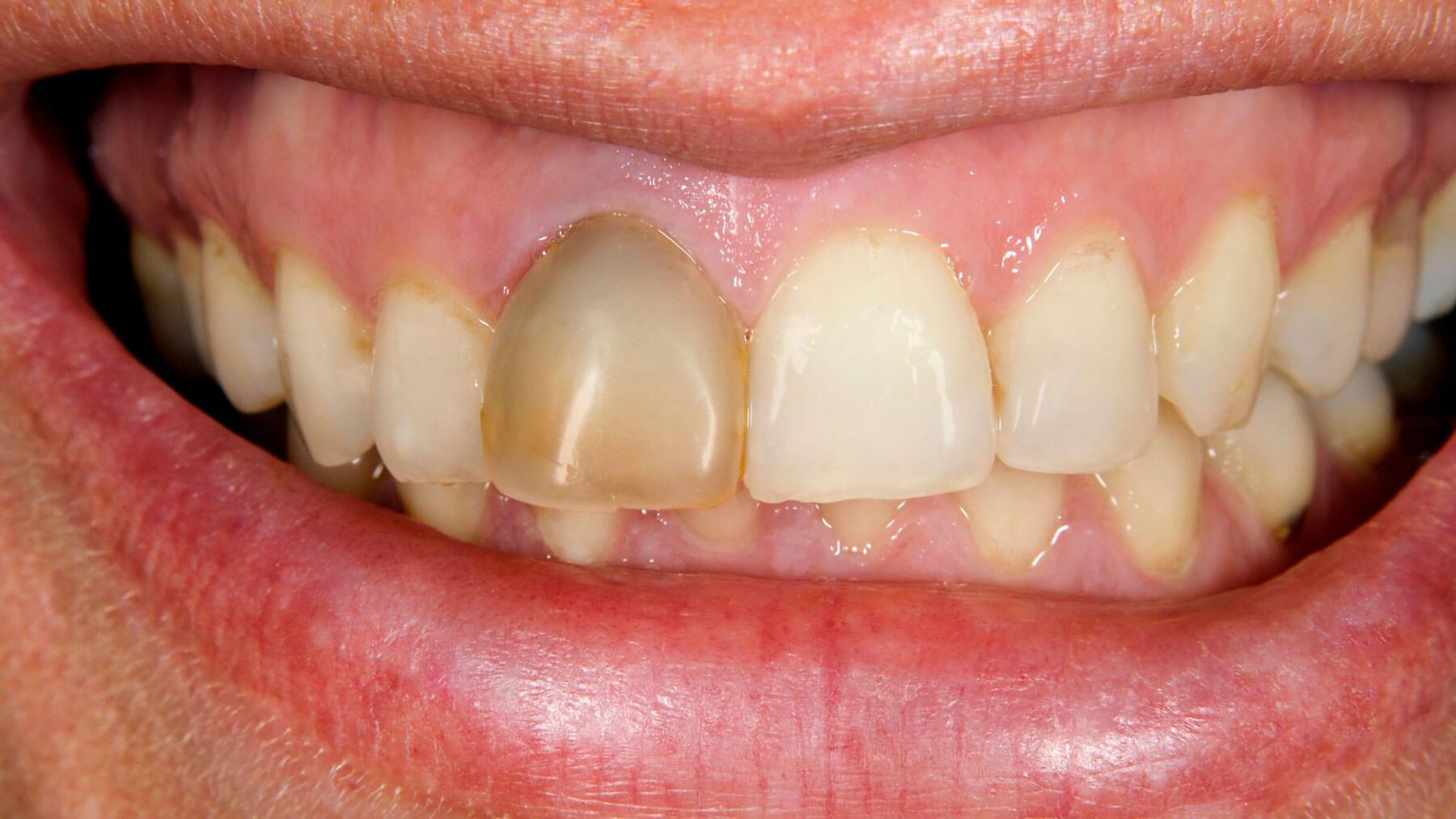
- Higher cavity risk: Cracks and chips give bacteria a place to settle; as a result, decay becomes easier to start.
- Tooth fractures: Microfractures can spread; consequently, a tooth may need a crown—or, in severe cases, extraction.
- Repeat restoration failures: Dental work isn’t built for ice-crushing force; therefore, repairs and replacements can repeat.
- Gum recession and sensitivity: Trauma can worsen recession; meanwhile, exposed roots can be more sensitive and cavity-prone.
- Jaw pain / TMJ strain: Ice chewing overloads the jaw; as a result, headaches or jaw tension may increase.
Are Certain People More at Risk for Ice-Chewing Damage? 🎯
While is chewing ice bad for your teeth applies to everyone, some people face higher risk; in other words, ice can be the “last straw” for already-stressed teeth.
Higher-Risk Groups 🚨
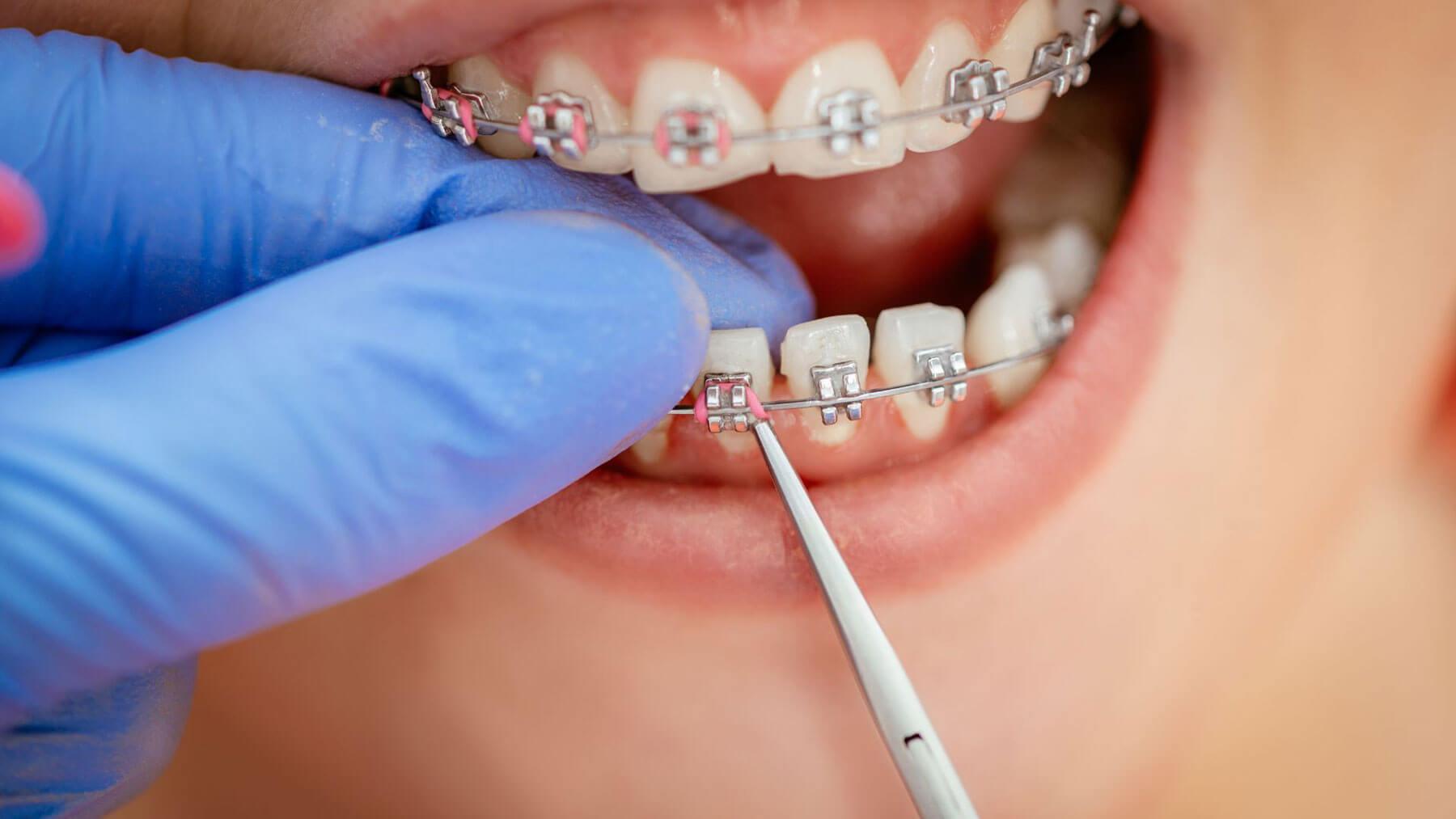
- People with braces or aligners: Ice can bend wires or crack trays; therefore, it can cause painful emergencies and delays.
- People with restorations (fillings/crowns/veneers/bonding): These materials can chip or loosen; consequently, damage happens faster.
- People with weakened enamel or grinding: Existing wear makes cracks spread; as a result, teeth break more easily.
- People with sensitive teeth: Cold triggers are stronger; therefore, discomfort can escalate quickly.
- Implants or bridges: Durable, yes; however, extreme force can still strain components and nearby teeth.
What Are Safer Alternatives to Chewing Ice? ✅
If you still crave the cold crunch, you can swap the habit without the same chewing ice dental risks; therefore, quitting feels more doable.
Tooth-Friendly Alternatives 🥶
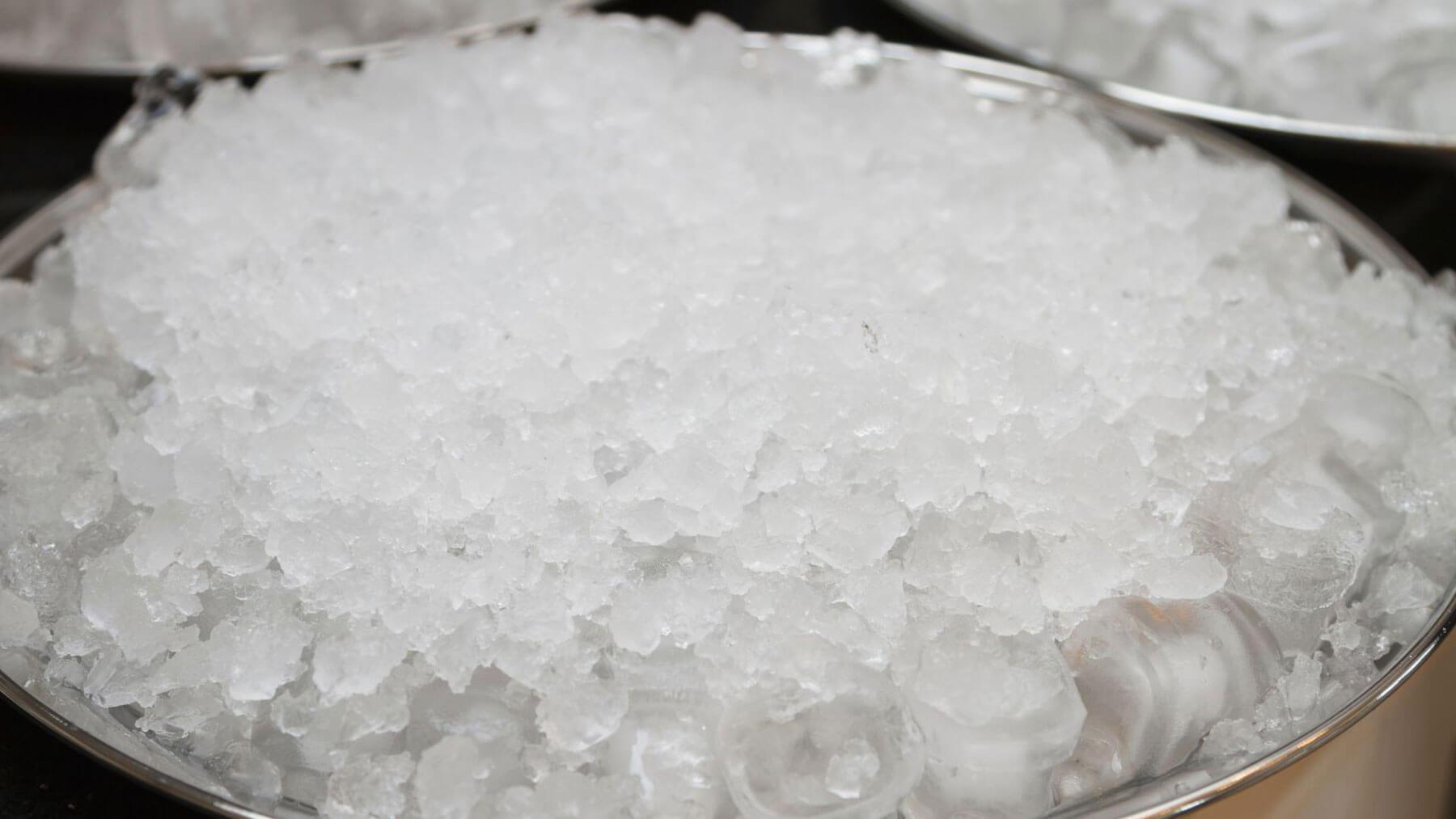
- Crushed ice: Softer than cubes; however, try letting it melt instead of crunching.
- Suck, don’t chew: You still get the cold sensation; therefore, you avoid the damaging force.
- Frozen grapes: Cold and chewy; in addition, they’re far less risky than ice cubes.
- Chilled crunchy produce: Apple slices or celery can satisfy the crunch; consequently, your teeth take less stress.
- Frozen yogurt bites / fruit puree cubes: Cold and soft; therefore, they’re a safer “ice-like” option.
Should You See a Dentist If You’ve Been Chewing Ice Often? 🦷
If you’ve been chewing ice regularly, it’s smart to get checked—even if you have no pain. That said, these signs are strong reasons to book an exam sooner:
Signs You Should Get Checked 🔎
- Increased sensitivity: If cold or sweets suddenly hurt, microcracks may be involved; therefore, don’t ignore it.
- Visible chips or cracks: Small damage can spread; consequently, early repair matters.
- Loose or damaged fillings/crowns: If something feels off, it likely is; in addition, delay can lead to bigger fractures.
- Jaw pain or headaches: Strain can build; therefore, it’s worth evaluating bite and jaw function.
- Gum recession: Exposed roots raise sensitivity and decay risk; as a result, prevention becomes more important.
If you’ve been chewing ice and you’re noticing sensitivity, chips, or jaw tension, schedule an exam at Smiles for Health DDS in Carlsbad. We’ll check for early cracks and help you protect your smile before small damage turns into a big repair.
Frequently Asked Questions
Can chewing ice cause tiny tooth cracks even if nothing hurts?
Yes; in fact, microcracks can form without pain at first. Therefore, early checks help prevent a bigger fracture later.
What are early signs of a cracked or chipped tooth?
You may notice a rough edge or sharp pain on biting; however, it can come and go. As a result, don’t wait for constant pain.
Can ice crunching damage crowns, fillings, or veneers?
Yes; moreover, restorations can loosen or fracture under sudden force. Therefore, repairs may be needed even if the tooth looks “fine.”
Why do my teeth feel more sensitive after chewing hard things?
Cold sensitivity can spike when enamel is stressed; in other words, tiny cracks may expose sensitive layers. Therefore, sensitivity is a real warning sign.
What should I do if I notice a chip, rough edge, or new sensitivity?
Stop hard biting on that side; meanwhile, schedule a check to evaluate the area. Therefore, small fixes stay small.
What are safer ways to get a cold crunch without risking damage?
Try frozen grapes or chilled apple slices; in addition, let small ice chips melt instead of crunching. Therefore, you keep the sensation with less risk.
Could craving ice be linked to something medical?
Sometimes, yes; for example, persistent ice cravings may relate to low iron. Therefore, consider discussing it with your doctor