




To understand how to remineralize teeth, it helps to know the daily push-and-pull happening on your enamel. Every day, acids lower your mouth’s pH and pull minerals out of enamel (demineralization). Meanwhile, saliva helps bring minerals back (remineralization), which can strengthen early weak spots before they turn into a full cavity.
How To Remineralize Teeth: Why Enamel Demineralization Happens
Acids come from two main places: bacteria breaking down sugars and acidic foods/drinks. As a result, minerals like calcium and phosphate leave the enamel surface, making it more porous and sensitive.
Remineralization: Your Mouth’s Built-In Repair System
Remineralization is the natural “patch job” your body uses to reinforce enamel with minerals—especially calcium and phosphate—and, importantly, fluoride. Fluoride supports rebuilding and can help reverse early decay signs when used correctly.

Signs You May Need To Strengthen Enamel
Sometimes the warning signs feel subtle; however, they tend to stack up over time. For example:
- Sensitivity to cold, sweets, or acidic foods
- Chalky “white spot” areas on teeth
- A rough or dull look to enamel
- More frequent cavities than usual
That said, enamel can’t “grow back” like skin—so the goal is to restore minerals in enamel early and protect what you have.
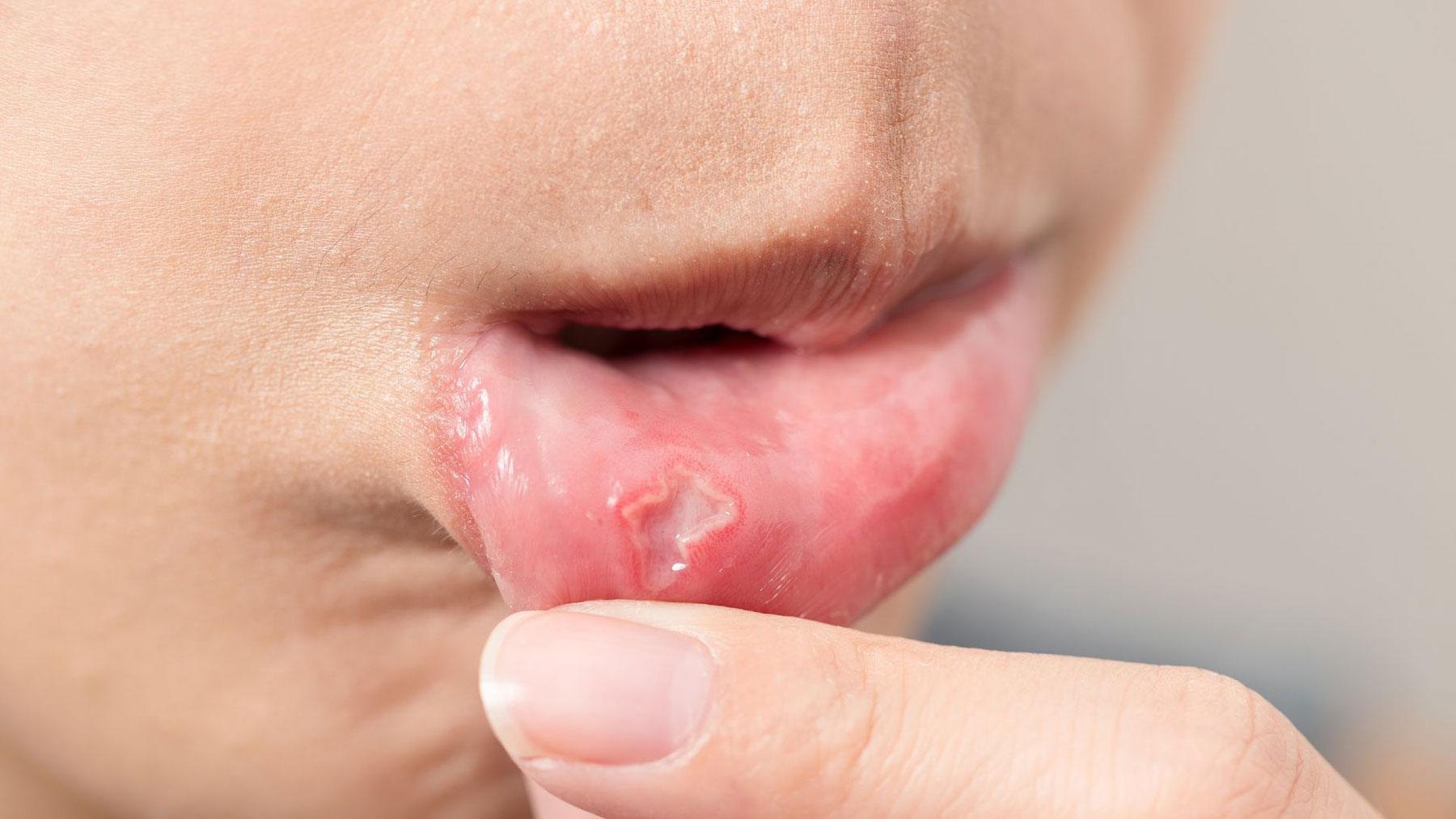
✅How To Remineralize Teeth Naturally At Home
If you’re learning how to remineralize teeth, consistency matters more than perfection. These steps support your saliva, lower acid exposure, and give enamel the minerals it needs.
Fluoride For Tooth Remineralization: Why It Works
Brush twice daily with fluoride toothpaste, and consider a fluoride rinse if your dentist recommends it. In addition, fluoride helps slow mineral loss and supports mineral replacement in enamel.
How To Remineralize Teeth: Calcium And Phosphate As Enamel Building Blocks
- Limit frequent sipping on soda, sports drinks, or citrus beverages; therefore, your mouth spends less time in an acidic state.
- After acidic foods, rinse with water; then wait ~30 minutes to brush so you don’t scrub softened enamel.
Restore Minerals In Enamel With Diet And pH Balance
Calcium- and phosphate-rich foods support the raw materials enamel needs. For example: dairy, leafy greens, nuts, eggs, and fish. Plus, crunchy vegetables can stimulate saliva, which helps neutralize acids.
Saliva And Tooth Remineralization: How To Support It
Dry mouth makes remineralization harder; therefore, hydration and saliva stimulation matter. Try sugar-free gum (xylitol if tolerated), and talk to your dentist if dryness is frequent.
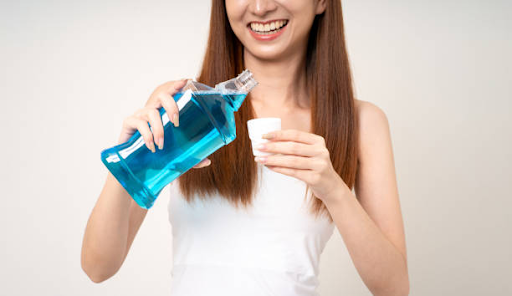
Professional Options That Can Speed Up Remineralization
Home habits help a lot; however, some enamel needs a stronger boost.
- Professional fluoride treatments: higher concentration than over-the-counter options, which can help strengthen vulnerable enamel.
- Dental sealants: a protective coating for deep grooves on back teeth that helps block bacteria and reduce decay risk.
- Targeted sensitivity care: varnishes or bonding can seal exposed areas when sensitivity won’t calm down.
At Smiles For Health, we focus on prevention-first care—so you can protect enamel early and avoid bigger repairs later.
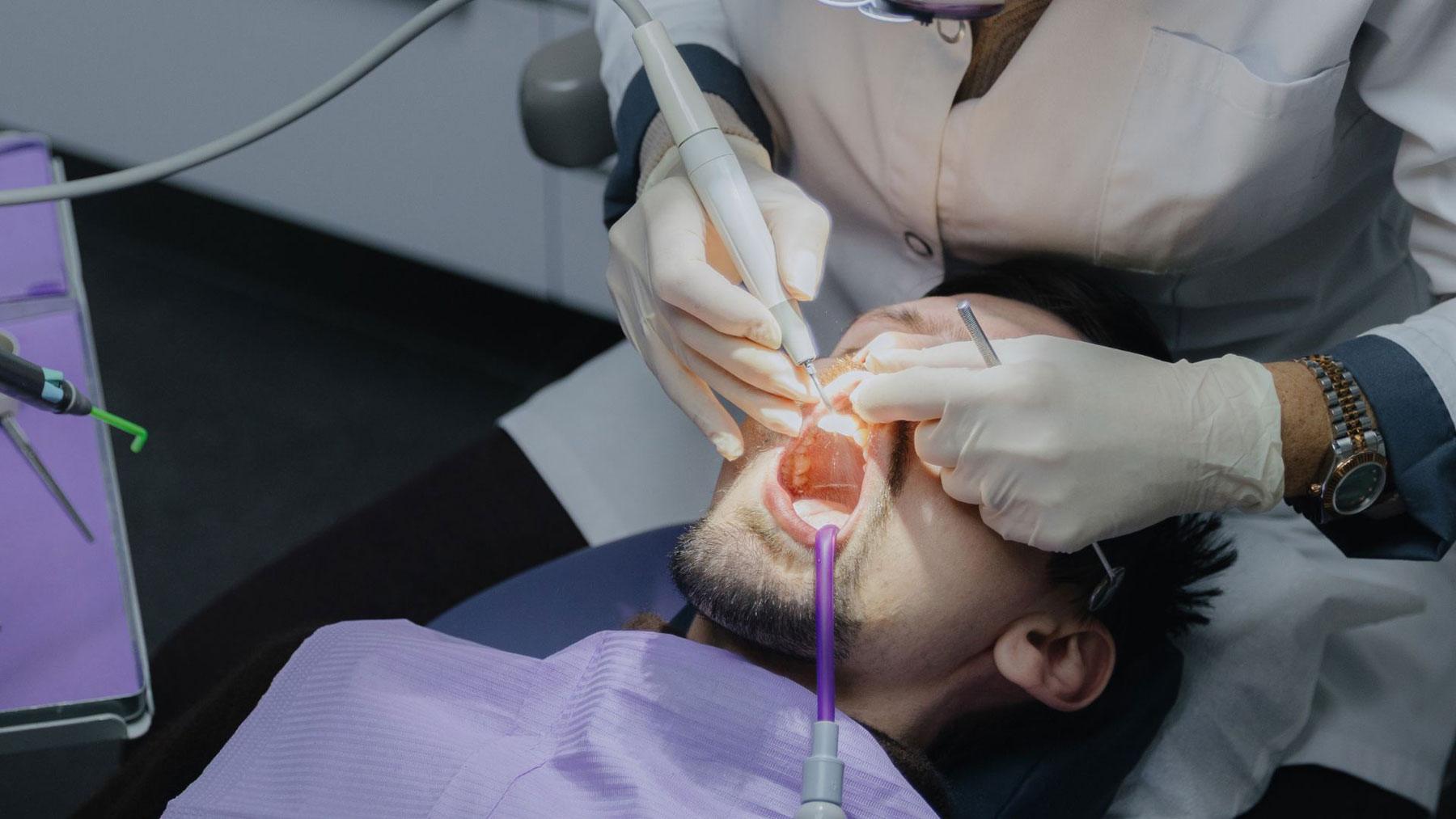
How Long Does It Take To Remineralize Teeth?
It depends on the starting point. Early “white spot” demineralization may improve within weeks to a few months with consistent fluoride, better diet timing, and reduced acid exposure. On the other hand, once a cavity forms (a true hole), remineralization alone usually won’t fix it—so an exam matters.
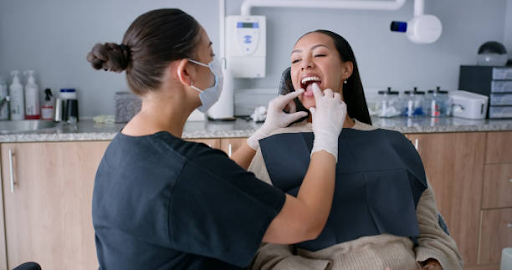
When To See A Dentist For Weak Enamel Or Tooth Decay
If sensitivity worsens, you see pits/dark spots, or you notice chips or cracks, schedule a visit sooner rather than later. In other words, the earlier we catch enamel changes, the more conservative your options tend to be.
Wondering if your enamel can still be strengthened? Come in for a preventive visit at Smiles For Health and we’ll give you a clear, personalized plan.
Frequently Asked Questions
How to remineralize teeth if I already have sensitivity?
- Start with fluoride toothpaste; however, if pain persists, professional fluoride varnish can help therefore you get relief faster.
Can I restore minerals in enamel if I already have a cavity?
Sometimes early decay can reverse; that said, a true hole won’t “rebuild,” so an exam is needed to choose the right fix.
Do “natural remedies” replace fluoride for remineralization?
Some habits support saliva; however, fluoride has the strongest evidence, therefore use remedies only as a complement.
Which foods help remineralization the most?
Dairy, leafy greens, nuts, and eggs help; in addition, water supports saliva so minerals can redeposit.
How long until I notice improvement?
With daily fluoride and fewer acids, some notice changes in weeks; however, deeper weakness can take months therefore consistency matters.
Does drinking fluoridated water help?
Yes; in addition, it supports enamel defense over time, therefore it’s a simple daily advantage.
When should I ask about professional treatments?
If you’re getting new cavities or constant sensitivity; therefore, ask about fluoride treatments or sealants at your next visit.