How Long After Wisdom Teeth Removal Can I Eat? Eating Timeline & Food Tips 🦷🍲
If you’re asking how long after wisdom teeth removal can I eat, you’re not alone—and the timing matters more than most people realize. During the first few days, your goal is simple: protect the blood clot, reduce irritation, and keep healing on track. As a result, choosing the right foods (and the right way to eat them) can help you avoid painful setbacks like dry socket. For personalized guidance, you can always contact our team at Smiles for Health DDS.

Eating After Wisdom Teeth Removal: First 24 Hours
The first 24 hours after wisdom teeth removal set the foundation for healing. Your body forms a blood clot in each socket, and that clot protects exposed bone and nerves. Therefore, anything that loosens it can increase your risk of dry socket and prolonged pain.
Here are the general rules for the first 24 hours:
- Avoid straws: Suction can dislodge the clot, so drink from a cup instead.
- No forceful spitting or rinsing: If you rinse, do it gently and let the water fall out of your mouth.
- Skip hot liquids: Choose cool or lukewarm drinks to avoid bleeding and irritation.
- No alcohol or smoking: Both can slow healing and raise complication risk.
- Stick to very soft foods: Aim for foods that require little to no chewing.
Even if you feel better quickly, keep your diet gentle for several days. If pain suddenly spikes (especially 1–3 days after surgery), call your dentist to rule out dry socket.

What Foods Can I Eat Immediately After Wisdom Teeth Removal? 🥣✅
Right after surgery, choose foods that are smooth, cool, and non-acidic. That way, you avoid irritating the sockets while still giving your body the nutrition it needs.
Here are safe choices for the first 24–48 hours:
- Cool liquids: Water, milk, and non-citrus diluted juices (no straw).
- Broths and soups (lukewarm/cool): Blended and smooth—no chunks.
- Smoothies/milkshakes: Use a spoon; avoid seeds and crunchy add-ins.
- Mashed potatoes: Soft and easy to swallow.
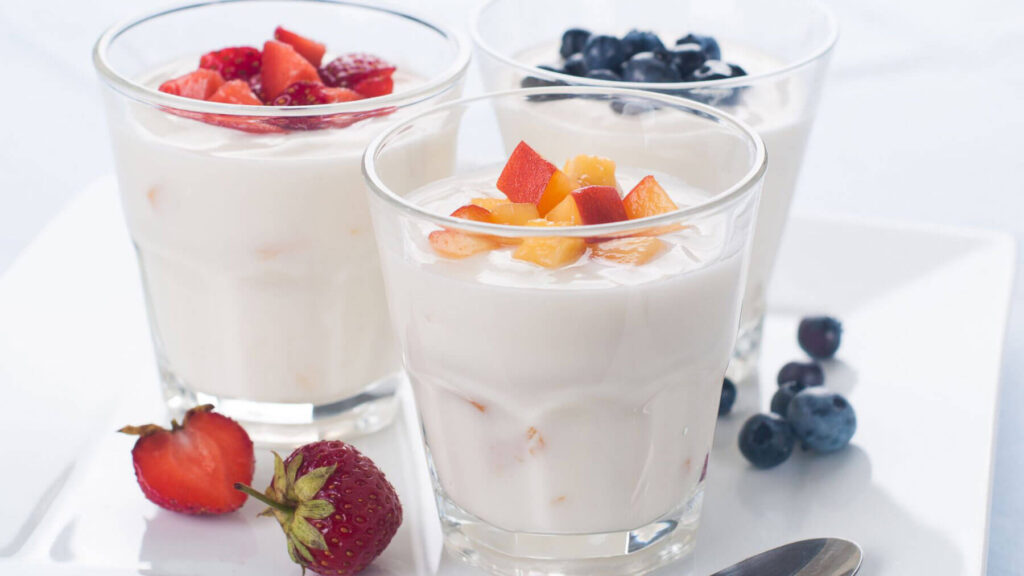
- Yogurt: Choose smooth options without fruit chunks.
- Pudding/custard: Gentle texture, easy calories.
- Applesauce: A simple, soothing option.
- Scrambled eggs: Soft protein—serve warm, not hot.
- Soft pasta: Well-cooked shapes you can mash easily.
Meanwhile, avoid crunchy, sticky, spicy, and highly acidic foods because they can irritate tissue or get trapped in the sockets. If you want more ideas, our related guide on what to eat after extraction can help.
When Can I Return to Eating Solid Food Again? 🍽️
The transition back to solid foods happens gradually over several days to a week, and sometimes longer after complex extractions. In other words, there’s no single “magic day”—your comfort and healing guide the timeline.
So, if you’re wondering how long after wisdom teeth removal can I eat solid foods again, most people progress step-by-step rather than all at once.
Here are general guidelines for reintroducing firmer textures:
- Days 3–5: Soft-chew foods
Try soft pasta, steamed vegetables, flaky fish, shredded chicken, or baked potatoes. However, avoid tiny bits (seeds, rice-like grains) that can lodge in sockets. - Days 5–7: Gradually firmer foods
Add soft breads (no hard crust), ground meats, soft cheeses, and tender cooked foods. If anything causes pain, step back to softer options. - Beyond week 1: Return to normal with caution
Many people eat more normally after a week, but continue avoiding very hard/crunchy foods (popcorn, nuts, hard chips, hard candy) for longer if sockets feel tender.
Listen to your body—pain is a clear signal to slow down. If you’d like a broader timeline, you can also reference our wisdom teeth removal resources on the site.

What Foods Should I Avoid After Wisdom Teeth Surgery? 🚫
Certain foods can irritate healing tissue, trap debris, or dislodge the clot.
Avoid:
- Crunchy foods: chips, popcorn, nuts, crackers, hard candy
- Sticky foods: caramel, gum, chewy candy, very sticky bread
- Spicy foods: hot sauces, peppers, heavily seasoned dishes
- Acidic foods/drinks: citrus, tomatoes, sodas, vinegar-based items
- Very hot foods/drinks: hot soups, coffee, tea early on
- Alcohol and smoking: both raise complication risk
If something accidentally gets stuck near a socket, don’t panic—rinse gently with warm salt water (after the first day) and avoid aggressive swishing.

How Can I Eat Without Disturbing the Extraction Site? 🍴
Eating after wisdom teeth removal takes strategy—especially in the first few days.
- Chew on the opposite side (if possible): This helps keep food away from sockets.
- Take small bites: Smaller bites reduce chewing and irritation.
- Use a spoon (no straws): This protects your clot and lowers dry socket risk.
- Blend foods for nutrition: Smoothies can be nutrient-dense—just avoid seeds.
- Rinse gently after meals: Warm salt water can keep things clean without disrupting healing.
- Stay hydrated: Water supports healing and comfort.

Does Eating Help or Slow Down the Healing Process? 💪
At the same time, eating helps healing—when you choose the right foods. Your body needs protein, vitamins, and minerals to rebuild tissue and fight infection. For example, soft foods like yogurt, eggs, smoothies, and blended soups can provide nutrition without stressing the surgical sites.
However, the wrong foods (hard, crunchy, sticky) can dislodge the clot, introduce debris, and cause inflammation. As a result, careful eating supports recovery, while risky eating can delay it.
If you still feel unsure about how long after wisdom teeth removal can I eat normally, we can guide you based on how your sockets look and how you’re healing.
Book a quick follow-up with Smiles for Health DDS anytime.
Need peace of mind during recovery—or want us to check how things are healing? Schedule an appointment with our Carlsbad team today.
Frequently Asked Questions
How long after wisdom teeth removal can I eat solid foods safely?
Most people start soft solid foods around days 3–5; however, progress only as comfort and healing allow.
What types of foods are best for eating right after wisdom teeth removal?
Choose cool, smooth foods (yogurt, applesauce, mashed potatoes) because they protect the clot and reduce irritation.
How soon after wisdom teeth surgery can I drink liquids like juice or water?
You can sip liquids right away; however, avoid straws for at least 7 days to lower dry socket risk.
When can I eat normally again after wisdom teeth removal?
Many patients return to a near-normal diet in 7–10 days; still, hard foods may need more time depending on your case.
Is it safe to eat crunchy or hard foods soon after wisdom teeth removal?
Not yet—avoid crunchy or hard foods for about 2 weeks, because they can irritate sockets and trap debris.
Can eating too soon after wisdom teeth removal cause complications?
Yes—eating the wrong foods too early can raise dry socket or infection risk; therefore, follow a gradual timeline.
How should I eat to avoid disturbing the surgical site after wisdom teeth removal?
Chew slowly on the opposite side and take small bites; additionally, rinse gently after meals to keep sockets clean.