Does Coconut Oil Whiten Teeth? The Truth About Oil Pulling 🥥🦷
The idea of a natural, easy way to brighten your smile is definitely appealing—so it’s no surprise people ask, does coconut oil whiten teeth? Oil pulling (swishing oil in your mouth for several minutes) has been around for centuries, and it’s trending again online. However, before you rely on coconut oil teeth whitening claims, it helps to separate fact from fiction. At Smiles for Health, we share clear, science-backed guidance so you can protect your smile while choosing what actually works.

How Does Coconut Oil Interact with Teeth and Gums? 🧼✨
Coconut oil interacts with your mouth in a few interesting ways, largely because it contains lauric acid, which may have antimicrobial effects.
Antimicrobial Properties: When you swish coconut oil, it can mix with saliva and help disrupt surface bacteria and plaque. As a result, your mouth may feel cleaner, and you may reduce the film that can dull teeth.
pH Balance: Some people claim oil pulling supports a healthier mouth environment. Still, experts stress that evidence remains limited and it should never replace brushing and flossing.
Oral Health Benefits: Even if it doesn’t “bleach” teeth, reducing surface plaque can make teeth look a bit brighter because less buildup covers enamel. In other words, any “brightening” usually comes from improved cleanliness—not a true shade change.
If you ever notice gum swelling, tooth pain, or sudden sensitivity, don’t guess—get checked.

What is Oil Pulling and How is It Done Correctly? 🕒
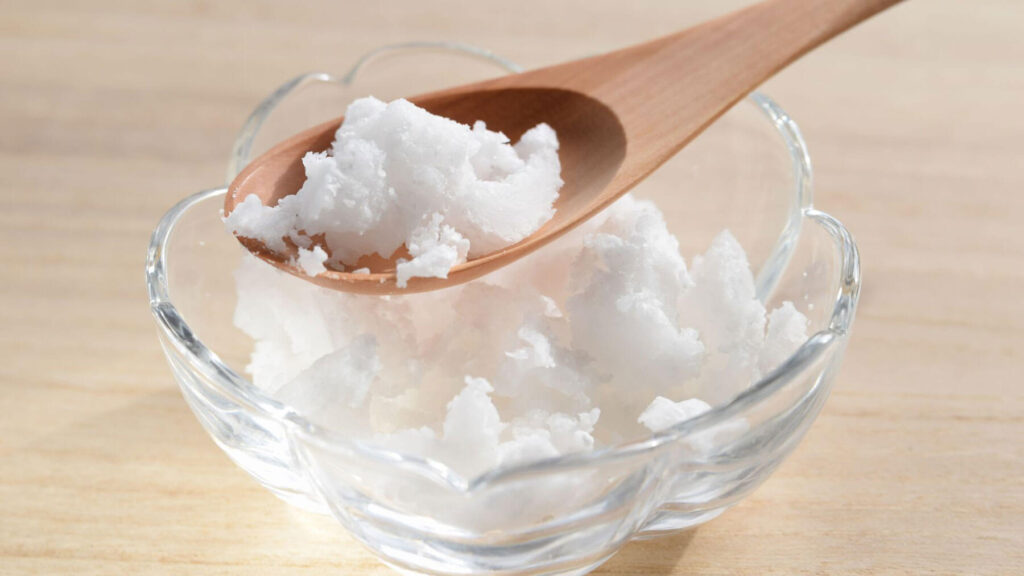
Oil pulling is an Ayurvedic technique that involves swishing a tablespoon of edible oil in your mouth for about 15–20 minutes, typically on an empty stomach.
- Choose Your Oil: Coconut oil is popular, although sesame or sunflower oil also appears in traditional use.
- Measure It Out: Use about one tablespoon (it liquefies quickly).
- Swish Gently: Move it around your mouth and between teeth—don’t swallow it.
- Time It: Start with 5 minutes if you’re new, then build up gradually.
- Spit It Out: Spit into a trash can (not the sink).
- Rinse + Brush: Rinse well, then brush and floss as usual.
Most importantly, treat oil pulling as a bonus habit—not a replacement for professional care.

Can Coconut Oil Really Whiten Teeth or Is It a Myth? 🤔
Here’s the honest answer: coconut oil does not whiten teeth the way peroxide-based whitening does. Authoritative dental sources note there’s no reliable scientific evidence that oil pulling whitens teeth.
So why do some people feel it “works”? Because oil pulling may reduce plaque and surface film, teeth can look cleaner—and therefore slightly brighter. Still, coconut oil doesn’t contain bleaching agents like hydrogen peroxide that penetrate enamel and break down stain molecules.
If your goal is a real shade change, talk to a dental team about safe whitening options.
⏳How Long Does It Take to See Results?
If you try oil pulling, keep expectations realistic. Since any “whitening” effect is indirect, you may only notice subtle changes after weeks of consistent use—if you notice any at all. For example, if plaque buildup makes teeth look dull, reducing that film can improve brightness a little.
However, if you want noticeable whitening (especially for deeper stains), professional treatments work faster and more predictably.

Are There Any Risks or Side Effects? ⚠️
Oil pulling is generally low-risk for most adults, but a few concerns still matter:
- Choking risk: Avoid for children or anyone who struggles with swishing liquids.
- Allergy risk: Rare, but stop if you notice itching, swelling, or rash.
- Stomach upset: Swallowing oil (especially after swishing) may upset your stomach.
- Jaw fatigue: Long swishing can tire your jaw at first.
- Biggest risk: Replacing brushing/flossing with oil pulling—don’t do that.
If you have sensitivity or ongoing discomfort, get a real diagnosis so you don’t miss a cavity or infection.
Want a brighter smile without the guesswork? Book an exam and talk through safe whitening options with our team. 😁
📞 760-297-6216
Frequently Asked Questions
Does oil pulling actually make teeth look whiter?
It can reduce bacteria and surface film; however, it won’t whiten teeth like peroxide-based treatments.
How does oil pulling work for oral hygiene?
Swishing can lower plaque-causing bacteria; as a result, teeth may look cleaner, not truly “bleached.”
Can oil pulling replace brushing and flossing?
No. It may complement your routine; still, brushing and flossing do the real work against cavities and gum disease.
How often do people try oil pulling for a brighter look?
Many do it daily for 5–20 minutes; however, results vary and changes are usually subtle.
Are there any downsides to swishing oil?
It’s generally safe; however, jaw soreness can happen, and swallowing oil may upset your stomach.
How does this compare to professional whitening?
Professional whitening delivers faster, noticeable shade changes; meanwhile, oil pulling mainly supports freshness and cleanliness.
Can it remove coffee or smoking stains?
Not usually. It may help with light surface buildup; therefore, deeper stains often need professional whitening.
When should I choose professional whitening instead?
If you want predictable shade improvement; in addition, a dentist can recommend the safest option for your enamel.