How to Remove Tartar from Teeth: Home Remedies That Work 🦷✨
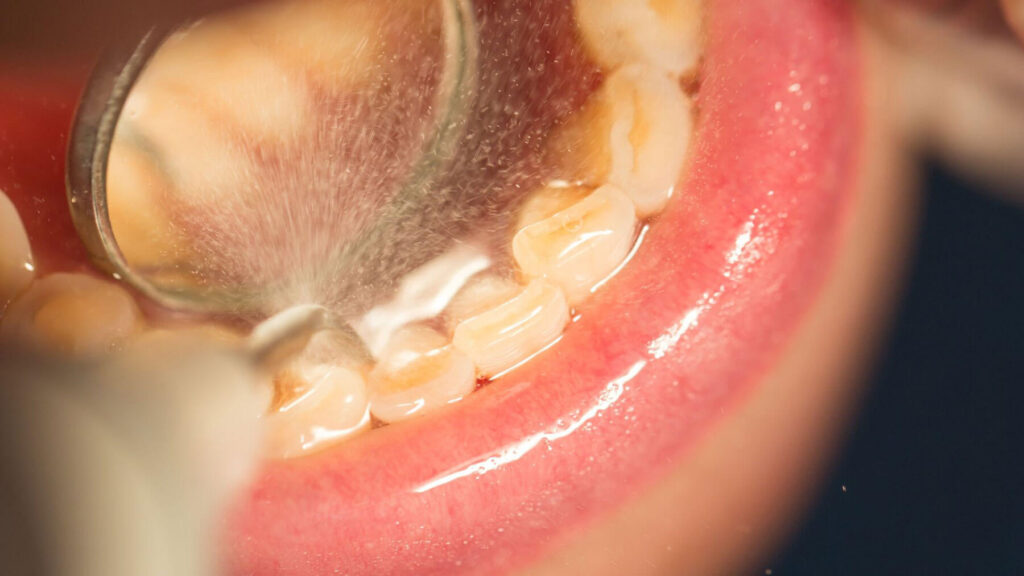
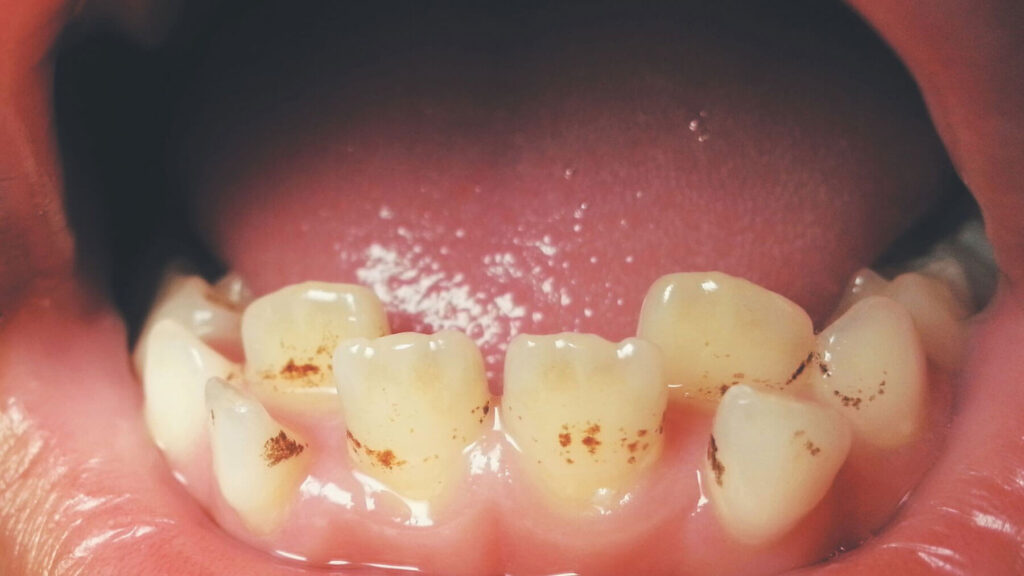
If you’ve ever noticed a rough, yellow-brown buildup on your teeth—especially near the gum line—you’re likely seeing tartar (also called calculus). Because tartar is hardened plaque, it can raise your risk for dental problems if it stays in place. Many people ask how to remove tartar from teeth and hope for an easy at-home fix. However, while home care can reduce plaque and slow new buildup, hardened tartar typically needs professional removal.
At Smiles for Health, we love empowering you with practical guidance—and helping you know exactly when to schedule a cleaning to protect your smile.
What Causes Tartar to Build Up on Teeth? 🧠
Tartar doesn’t appear randomly—it forms when plaque stays on teeth long enough to harden.
- Plaque hardens quickly: Plaque is a sticky film that forms daily. If it isn’t removed thoroughly, it can harden into calculus (tartar), which becomes much harder to clean at home.
- Inconsistent brushing/flossing: When plaque sits along the gumline or between teeth, it has time to mineralize.
- Diet: Sugary and starchy foods feed plaque-forming bacteria; as a result, buildup accelerates.
- Smoking: Tobacco can increase buildup and make gums more vulnerable.
- Dry mouth: Less saliva means less natural “rinsing,” so plaque clings longer.
✅ Tip: Professional cleanings remove plaque and tartar safely—therefore, they’re one of the easiest ways to prevent bigger issues.
Schedule your cleaning
Can You Remove Tartar From Teeth At Home Safely? ⚠️
Here’s the honest, helpful breakdown:
What’s safe at home (for plaque control + preventing new tartar) ✅
- Brush twice daily: Use a soft-bristled brush and fluoride toothpaste. In addition, take a full two minutes so you reach every surface.
- Floss daily: This disrupts plaque where brushes can’t reach; therefore, it’s one of the strongest anti-tartar habits.
- Use an antimicrobial mouthwash: This can lower bacteria levels; however, it won’t “lift” hardened calculus.
- Choose smart snacks: Less sugar = less plaque fuel; as a result, tartar forms more slowly.
What’s NOT safe (and why) ❌
- DIY scraping tools or sharp objects: These can scratch enamel and injure gums, and they can push buildup deeper under the gumline.
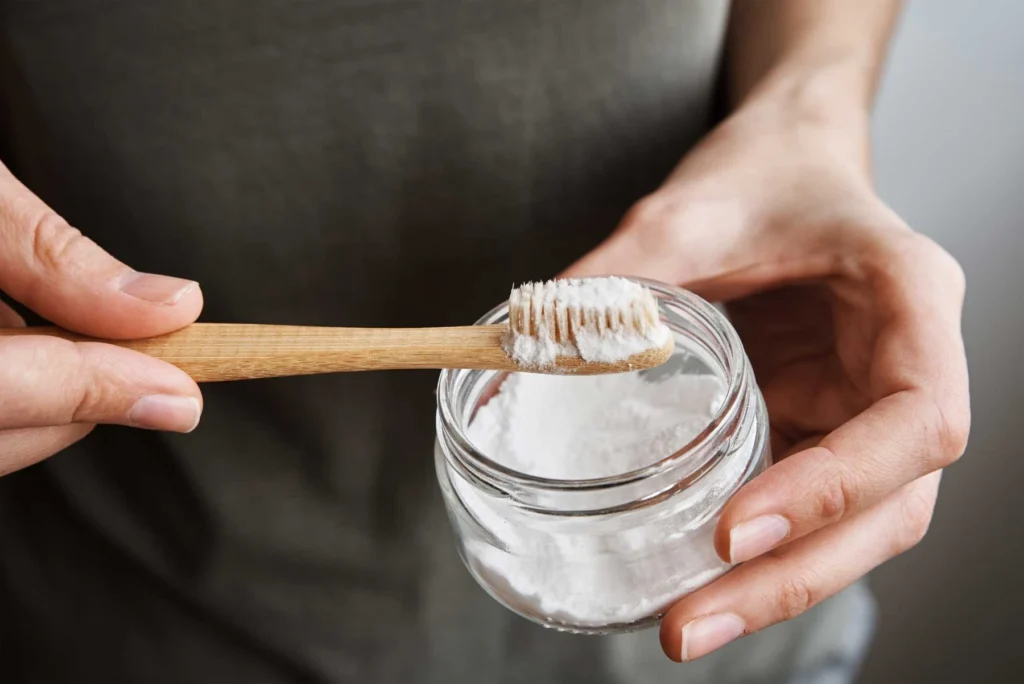
- Highly abrasive DIY pastes: Some “gritty” hacks can wear enamel over time—and enamel doesn’t grow back.
Most importantly: Once tartar hardens, brushing and flossing won’t remove it—professional tools are needed.
📣 If you can see or feel tartar, book a professional cleaning so we can remove it safely.

Do Certain Foods or Drinks Help Reduce Tartar Buildup? 🥕💧
Food won’t remove hardened tartar, but it can support a cleaner mouth between brushings:
- Crunchy fruits and vegetables: Apples, carrots, celery, and cucumbers help scrub surfaces while boosting saliva.
- Dairy (cheese, milk, yogurt): Calcium and phosphates support enamel strength; plus, cheese can help neutralize acids.
- Green tea: Contains compounds that may reduce bacterial activity; still, moderate use helps avoid staining.
- Water: Rinses away debris and supports saliva flow—therefore, it’s an underrated daily win.
✅ If you’re building tartar quickly, a hygiene check can help you personalize prevention.

How Effective Are Tartar Control Toothpastes and Mouthwashes? 🪥
These products can help prevent tartar—but they don’t erase what’s already hardened.
- Tartar control toothpaste: Often uses ingredients that slow mineralization; as a result, plaque is less likely to harden quickly.
- Mouthwash: Can reduce plaque bacteria levels; however, it can’t reach under tartar deposits.
If you’re choosing products, look for reputable options and consider the ADA Seal when available.

When Should You Get Professional Dental Cleaning for Tartar? 🏥
Even with great home care, tartar can form in tight or hidden areas. So, it’s time to book a professional cleaning if you notice:
- Visible yellow/brown buildup along the gumline or between teeth
- Bleeding, red, or swollen gums
- Persistent bad breath that doesn’t improve
- A rough/fuzzy feeling that returns quickly after brushing
Professional cleanings remove tartar safely—and if gum pockets are involved, deeper cleaning may be recommended.
Frequently Asked Questions
What is the difference between plaque and tartar, and how do they affect teeth?
Plaque is a soft bacterial film, while tartar is hardened plaque that irritates gums and is harder to remove.
How often should I perform tartar removal at home to see results?
Brush twice daily and floss once daily; therefore, consistency is the key to preventing tartar from forming.
What role does mouthwash play in tartar removal at home?
Mouthwash can reduce bacteria and plaque; however, it cannot remove tartar once it hardens.
Is it safe to use dental scraping tools at home for tartar removal?
Generally no—scraping tools can injure gums or damage enamel, so leave tartar removal to professionals.
How long does it take to notice improvements after starting tartar removal at home?
Many people notice healthier gums in a few weeks; still, visible tartar often requires a professional cleaning.
What common mistakes should be avoided during tartar removal at home?
Avoid overbrushing and abrasive substances; instead, use a soft brush and gentle technique.
Are electric toothbrushes better for tartar removal at home than manual ones?
Often yes—electric brushes disrupt plaque more effectively when used correctly, which helps tartar prevention.
Can tartar buildup cause bad breath, and how can it be managed?
Yes—tartar traps bacteria; therefore, brushing, flossing, tongue cleaning, and regular cleanings help.