Are you or your teen starting to feel some shifts in your mouth? Perhaps a dull ache at the back of the jaw, or a strange pressure you can’t quite place? These could be clues that your wisdom teeth are making their grand entrance. For many, the arrival of these final molars can be a bit of a mystery, leading to questions about when do wisdom teeth come in and what the whole process involves. At Smiles for Health DDS, we understand these concerns and are here to guide you through what to expect. We believe that understanding the wisdom teeth eruption timeline can help you feel more prepared, allowing you to proactively manage any discomfort or issues that might arise. Our goal is to ensure your dental health journey is as smooth as possible, from preventive care to addressing specific needs like wisdom teeth.
When Do Most People Get Their Wisdom Teeth?
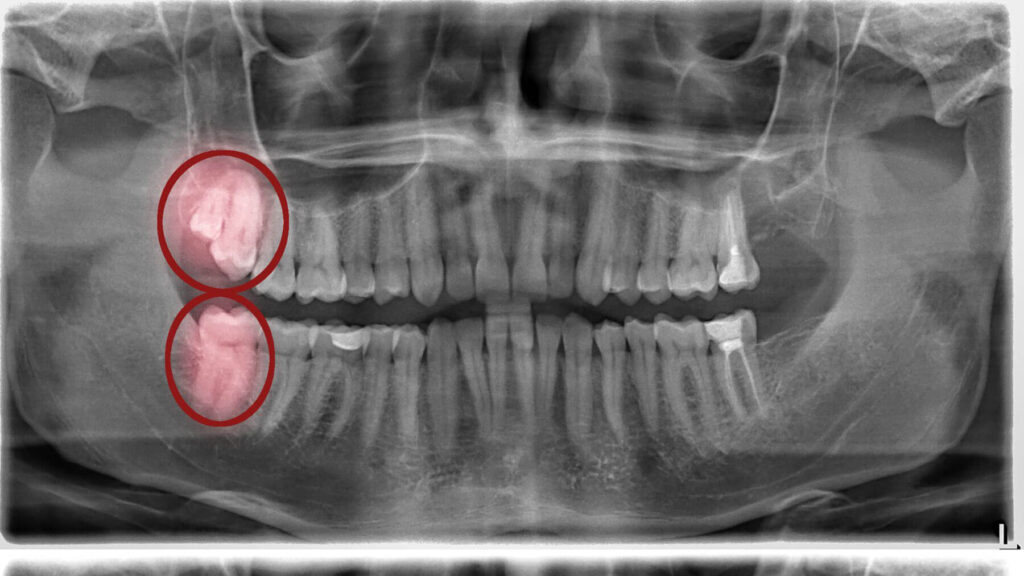
It’s a common question, and the answer is usually within a specific age range. Most individuals begin to notice their wisdom teeth—or third molars—erupting sometime between the ages of 17 and 25. This period often coincides with late adolescence or early adulthood. However, it’s important to remember that this isn’t a strict rule. Some people might experience their wisdom teeth coming in earlier, while for others, they might not emerge until their late twenties or even later. Genetics play a significant role here, influencing not only when wisdom teeth start to grow but also how many you develop and if they come in at all. About a third of the population may not develop all four wisdom teeth, and some don’t develop any! Early signs can sometimes be subtle, a slight tenderness in the back of your gums or a feeling of pressure. Regular check-ups at Smiles for Health DDS can help us monitor the development of these teeth, often with X-rays that can show us if they’re present and how they’re positioned long before you feel them. Our team is dedicated to providing comprehensive preventive dentistry to keep you informed and healthy. Don’t let uncertainty about your wisdom teeth cause you stress. Contact us at Smiles for Health DDS today to schedule your consultation and get clear answers!
What is the Typical Wisdom Teeth Eruption Timeline?
The wisdom teeth eruption timeline can vary, but generally follows a pattern. As mentioned, the 17-25 age bracket is typical. During this time, your jaw has usually reached its adult size, which ideally provides enough space for these last molars to emerge without issues. The process isn’t usually sudden; it’s a gradual unfolding. You might feel a tooth partially erupt, then stop for a while, and then continue its journey weeks or even months later. This on-again, off-again pattern is completely normal. Dental development involves a complex sequence, and wisdom teeth are the final act. Sometimes, due to lack of space, these teeth might only partially emerge, leading to what’s known as an impaction. Our approach at Smiles for Health DDS focuses on anticipating these developments. By utilizing diagnostic tools, we can get a clear picture of how your wisdom teeth are developing. If there’s a risk of impaction or other complications, we’ll discuss options like dental extractions to prevent future problems. We believe in being proactive, ensuring your long-term oral health.
How Do I Know If My Wisdom Teeth Are Coming In?
Recognizing the signs of when wisdom teeth start to grow can help you address potential issues early. The most common early symptoms include:
- Gum Tenderness or Swelling: You might notice your gums at the very back of your mouth becoming sore, red, or swollen. This is often the first hint as the tooth pushes through the gum line.
- Jaw Pain or Stiffness: A dull, persistent ache in your jaw, particularly towards the back, can indicate wisdom teeth movement. This pain might sometimes extend to your ear or temple.
- Difficulty Opening Your Mouth: In some cases, swelling or inflammation around an erupting wisdom tooth can make it uncomfortable or difficult to fully open your mouth.
- Crowding or Shifting of Other Teeth: As wisdom teeth push through, they can exert pressure on existing teeth, potentially leading to noticeable shifting or increased crowding in the front of your mouth.
- Bad Breath or Unpleasant Taste: If food particles get trapped around a partially erupted wisdom tooth, it can be difficult to clean, leading to bacterial buildup, bad breath, or a strange taste.
If you experience any of these symptoms, it’s a good idea to schedule an appointment with us at Smiles for Health DDS. Our emergency dentist services are available for urgent discomfort, but for typical wisdom teeth concerns, a regular exam and cleaning appointment allows us to properly assess the situation. We can perform an examination and take X-rays to confirm if your wisdom teeth are indeed coming in, assess their position, and recommend the best course of action to ensure your comfort and continued oral health. Don’t wait until the discomfort becomes unbearable. Contact us at Smiles for Health DDS right away to get the immediate care you deserve!

Can Wisdom Teeth Come In Earlier or Later Than Expected?
It’s true that while there’s a general window for when wisdom teeth make their appearance—typically between ages 17 and 25—it’s not a one-size-fits-all situation. Some people might find their wisdom teeth coming in a bit earlier, perhaps in their mid-teens, while for others, they might not show up until well into their late twenties or even beyond. This variation is quite normal and can depend on a number of factors, including individual genetic makeup and the overall development of your jaw and other teeth. An early arrival isn’t necessarily a cause for alarm, but it does mean that monitoring is even more crucial to ensure proper development and alignment with the rest of your bite. Likewise, a later eruption doesn’t automatically signal trouble, but we’ll want to keep an eye on things to make sure they’re not causing issues below the gum line. Regardless of when your wisdom teeth decide to arrive, understanding their presence and potential impact on your oral health is key. At Smiles for Health DDS, our comprehensive patient care approach means we regularly check for these developments during your routine exams and cleanings, helping us anticipate and address any concerns, no matter the timeline. Don’t leave your dental health to chance – contact us at Smiles for Health DDS today to schedule your comprehensive wisdom teeth assessment!

Do All Wisdom Teeth Erupt Completely?
Unfortunately, no, not all wisdom teeth erupt completely, and this is where potential problems can arise. Often, there isn’t enough space in the jaw for these final molars to emerge fully and properly align with your other teeth. When a wisdom tooth only partially breaks through the gum line, it’s known as a partial eruption. This can create a small flap of gum tissue over the tooth, which is a perfect breeding ground for bacteria and can lead to infections, pain, and swelling. Even more commonly, wisdom teeth can become impacted, meaning they are trapped beneath the gum line or bone, unable to erupt at all or growing in at an awkward angle. This impaction can lead to a range of issues, from chronic pain and damage to neighboring teeth to the development of cysts or tumors. Knowing when to see a dentist is crucial if you suspect a partial eruption or impaction. If you experience persistent discomfort, swelling, or difficulty opening your mouth, it’s important to schedule an appointment. Our team at Smiles for Health DDS can assess the situation with X-rays and recommend the best course of action, which might include dental extractions to prevent further complications and protect your overall wellness dentistry. Don’t let impacted wisdom teeth disrupt your life – secure your slot for a consultation with Smiles for Health DDS now before discomfort escalates! Visit our contact us or call us directly.
Is It Necessary to Remove Wisdom Teeth Once They Come In?
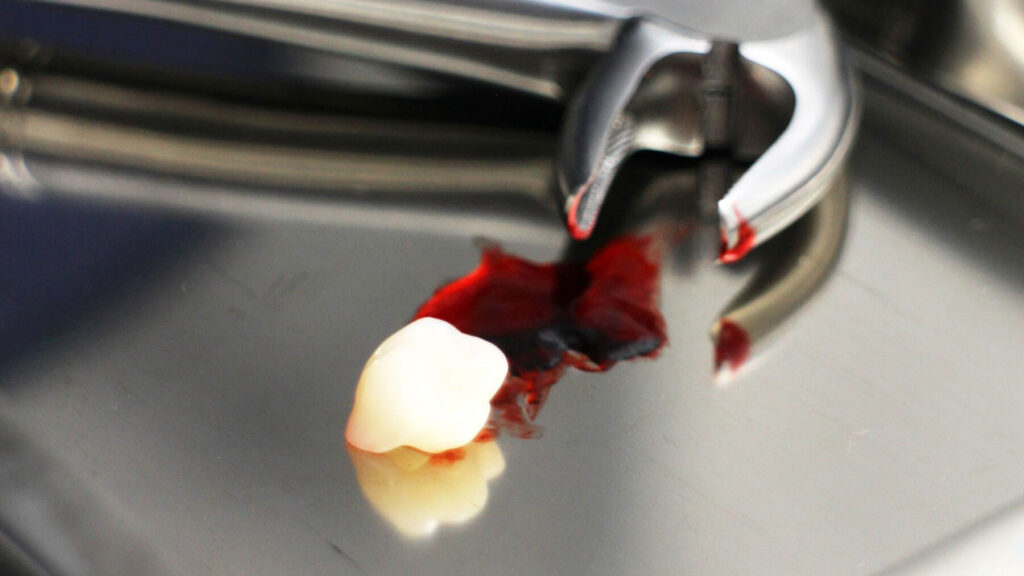
The question of whether to remove wisdom teeth once they come in is a common one, and the answer isn’t always a straightforward “yes.” It largely depends on their position, health, and whether they are causing or are likely to cause problems. If your wisdom teeth erupt completely, are properly aligned, and you can clean them effectively, they may not need to be removed. In these cases, regular monitoring with X-rays during your routine check-ups at Smiles for Health DDS is usually sufficient. However, extraction becomes necessary if the wisdom teeth are impacted, causing pain, infection, damaging adjacent teeth, or contributing to alignment issues. They can also create pockets where food and bacteria get trapped, leading to cavities or gum disease, even in your healthy molars. Our skilled team, including Dr. Diana Zorro DDS, will conduct a thorough examination and discuss all your options, ensuring you understand why a particular course of action is recommended. We prioritize your comfort and long-term oral health, making decisions that are truly in your best interest.. Ready to discuss your wisdom teeth options? Contact us today and let Smiles for Health DDS help you achieve optimal oral health!
Frequently Asked Questions
When do most people typically feel their wisdom teeth coming in for the first time?
Most people notice their wisdom teeth around ages 17 to 25. Smiles for Health DDS helps track when do wisdom teeth come in so we can act early if problems arise.
Can my wisdom teeth start growing even if I don’t feel anything unusual?
Yes, it’s possible for wisdom teeth to develop without discomfort. Smiles for Health DDS monitors the wisdom teeth eruption timeline closely using imaging and dental exams.
What are the earliest signs that my wisdom teeth are starting to grow?
Early signs include gum tenderness, pressure in the jaw, or visible bumps. At Smiles for Health DDS, we know how to identify when wisdom teeth start to grow before pain sets in.
Is it common for wisdom teeth to erupt at different ages for different people?
Yes, genetics and oral development vary widely. Smiles for Health DDS uses the wisdom teeth eruption timeline to assess each patient’s situation individually.
Do all wisdom teeth come in fully or can some stay below the surface?
Some wisdom teeth stay impacted or only partially erupt. Smiles for Health DDS evaluates when do wisdom teeth come in and whether extraction is necessary based on your X-rays.
What should I do if I only feel one wisdom tooth coming in?
It’s not uncommon. Smiles for Health DDS checks if additional wisdom teeth are forming and monitors when wisdom teeth start to grow in unevenly.
Can wisdom teeth start growing in as early as the teenage years?
Yes, some people show signs as early as 14. Smiles for Health DDS keeps a close eye on the wisdom teeth eruption timeline during adolescent dental visits.
Are there ways to prevent complications when wisdom teeth begin to erupt?
Monitoring and early intervention are key. Smiles for Health DDS offers guidance based on your personal timeline for when do wisdom teeth come in.
Can a dental X-ray confirm if my wisdom teeth are about to erupt?
Absolutely. At Smiles for Health DDS, we use X-rays to determine when wisdom teeth start to grow and whether they’ll cause crowding or impaction.
Do wisdom teeth always need to be removed once they come in?
Not always. If they come in straight and healthy, they can stay. Smiles for Health DDS reviews the wisdom teeth eruption timeline and dental alignment to make informed recommendations.
Why don’t my wisdom teeth hurt even though they’re coming in?
Not all wisdom teeth cause pain right away. Some grow in quietly, which is why regular dental checkups are important to monitor when do wisdom teeth come in.
Could my sinus pressure be a sign of wisdom teeth growth?
Yes, upper wisdom teeth can press against sinus cavities. This can cause discomfort that sometimes signals when wisdom teeth start to grow.
Do wisdom teeth always erupt in the same order?
Not necessarily. Some people get upper or lower wisdom teeth first. The wisdom teeth eruption timeline varies from person to person.
Can stress delay the eruption of wisdom teeth?
Stress doesn’t directly delay eruption, but poor oral health related to stress may cause complications. Overall dental wellness impacts when do wisdom teeth come in.
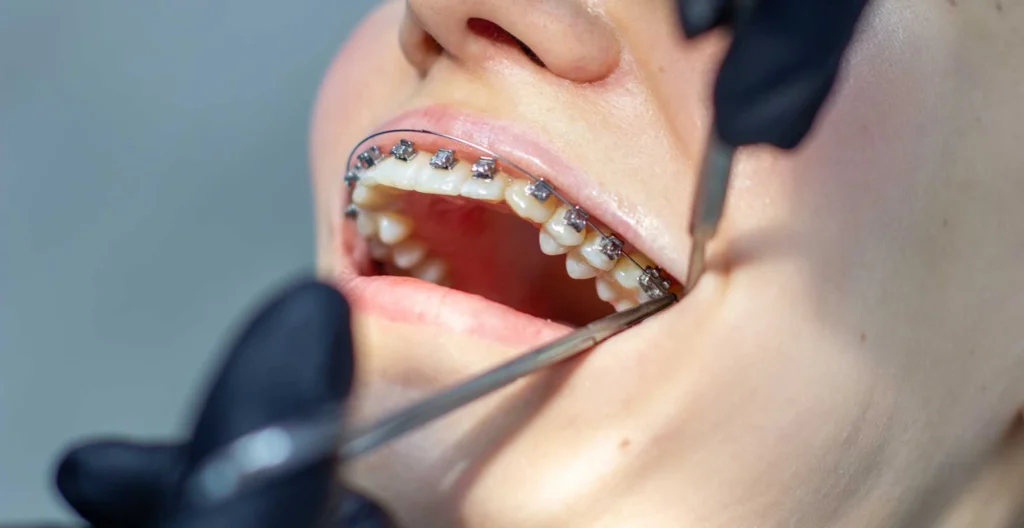
What should I do if my wisdom teeth erupt while I have braces?
This situation requires careful dental coordination. Orthodontists and dentists monitor when wisdom teeth start to grow to avoid misalignment issues.