😬 What To Eat With Braces: A Simple Guide That Protects Your Brackets
If you’re searching what to eat with braces, the goal is straightforward: avoid hard, sticky, and crunchy foods, and choose softer options—especially right after adjustments. In other words, smart food choices protect brackets and wires. Plus, they can lower plaque buildup around brackets. For example, the ADA notes it’s best to avoid foods like popcorn, corn on the cob, chewing gum, whole apples, and other sticky foods while you have braces.
🚫 Food To Avoid If You Have Braces
Braces are delicate, so foods that are sticky, chewy, or hard can easily break them. For that reason, it helps to know what to skip, including:
- Ice
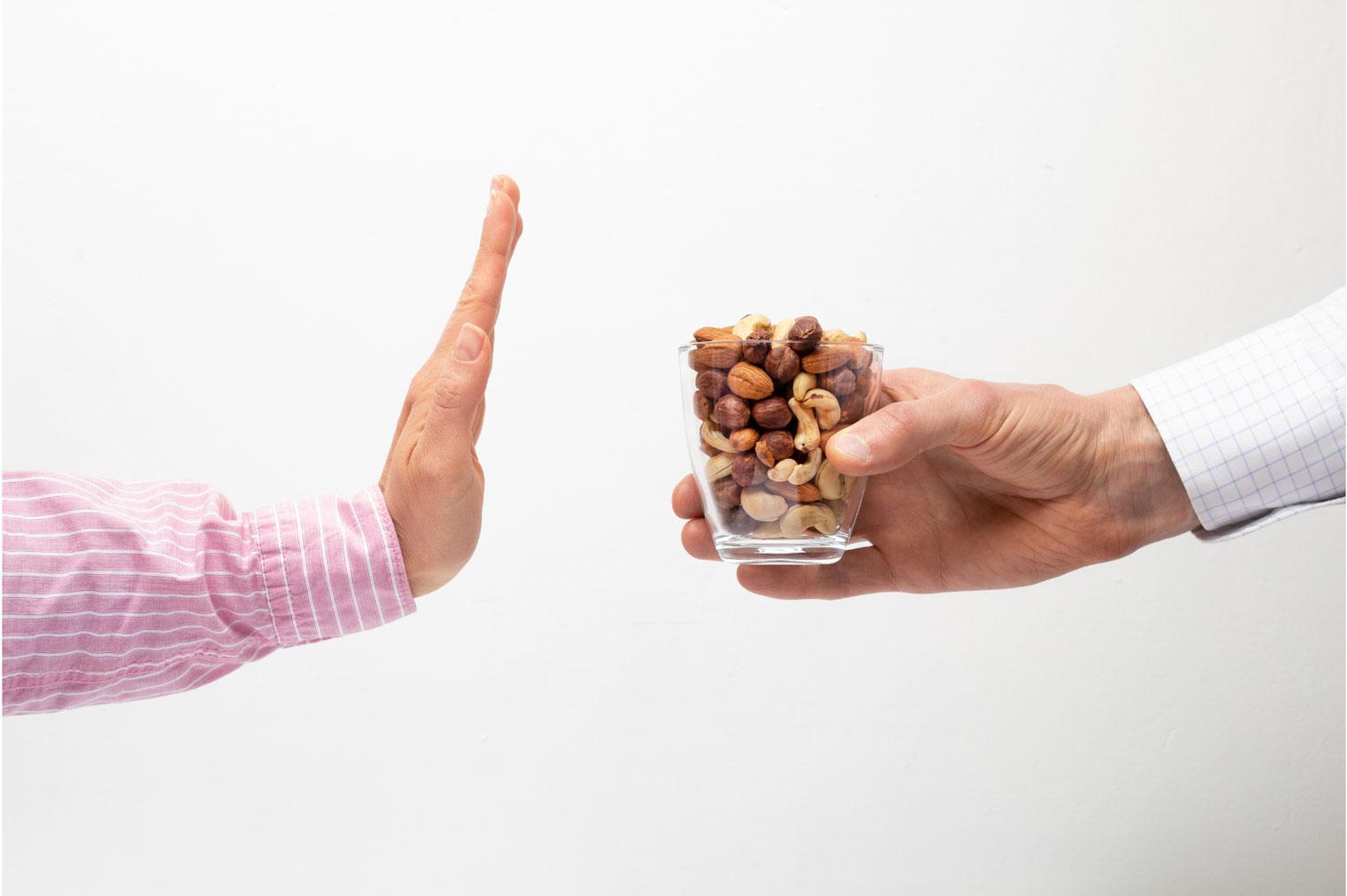
- Nuts
- Popcorn
- Hard candy
- Gum
- Chewy candy like caramel or gummy bears
- Whole hard fruit like apples and pears and hard, raw veggies like carrots
- Corn on the cob
- Hard pretzels
- Peanut brittle
- Pizza crust
- Hard rolls or bagels
- Ribs
In general, any food you need to bite into is more likely to damage braces. However, you can often work around this by changing how you prep it. For instance, cut corn off the cob, cut rib meat off the bone, slice apples, and chop carrots into small bite-size pieces. That way, you protect your braces while still enjoying your favorites.
✅ Things You Can Eat
You may also have trouble eating after your braces are tightened because teeth can feel sore. Because of that, the first few days are usually the hardest. So, stick with softer foods until the soreness settles. For example, choose:
- Scrambled eggs
- Oatmeal
- Soup with soft vegetables or pureed or cream soups
- Soft cheeses, including cottage cheese
- Smoothies and milkshakes
- Pudding and custard
- Meatloaf
- Mashed potatoes
- Sorbet and frozen yogurt
- Tortillas (soften by microwaving or steaming)
- Yogurt
- Soft-cooked, shredded chicken and meat
- Protein shakes
- Tofu
- Ripe fruits, such as peaches and nectarines, cut into bite-size pieces
- Couscous, quinoa, bulgur, soft-cooked rice
- Pasta and noodles
- Polenta
- Baked apples
- Peanut butter
- Chicken or tuna salad
- Refried beans
- Avocado
- Applesauce
- Macaroni and cheese
- Pancakes
- Soft bread
- Saltines and matzoh
- Mashed bananas
- Cooked veggies
- Hummus
- Canned or cooked fruit
Additionally, if something feels too firm, simply cut it smaller or cook it a bit longer. As a result, you’ll chew more comfortably and put less pressure on brackets.
To supplement your at-home care, keep up with regular checkups. Also, if you have soreness after an adjustment or you’re dealing with a loose bracket, our team can help you stay on track. In the meantime, keep meals soft, sip water often, and avoid crunchy snacks💛
And finally, if you’re thinking ahead about whitening, ask us what options make sense after braces, since timing matters for the best results.