


If you’re researching preventive dental treatments, here’s the simple truth: prevention isn’t optional—it’s the foundation of a healthy smile. That’s why a routine dental visit goes beyond “checking for cavities.” Instead, we look for early warning signs, reduce risk factors, and help you avoid bigger problems later.
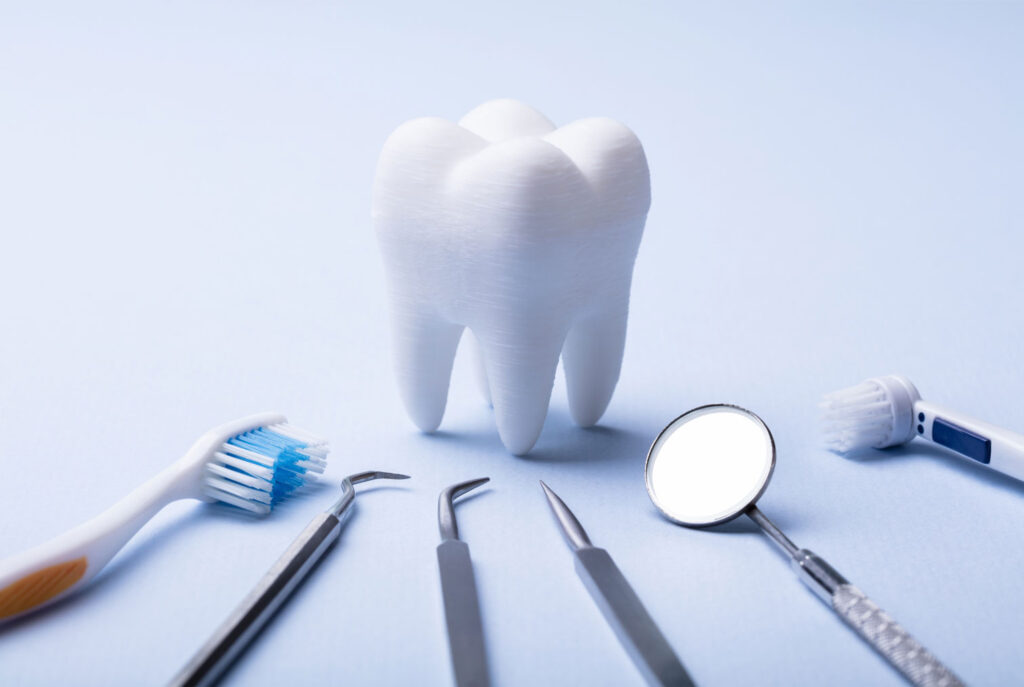
🔍 Comprehensive Oral Exam: A Core Part Of Preventive Dental Treatments
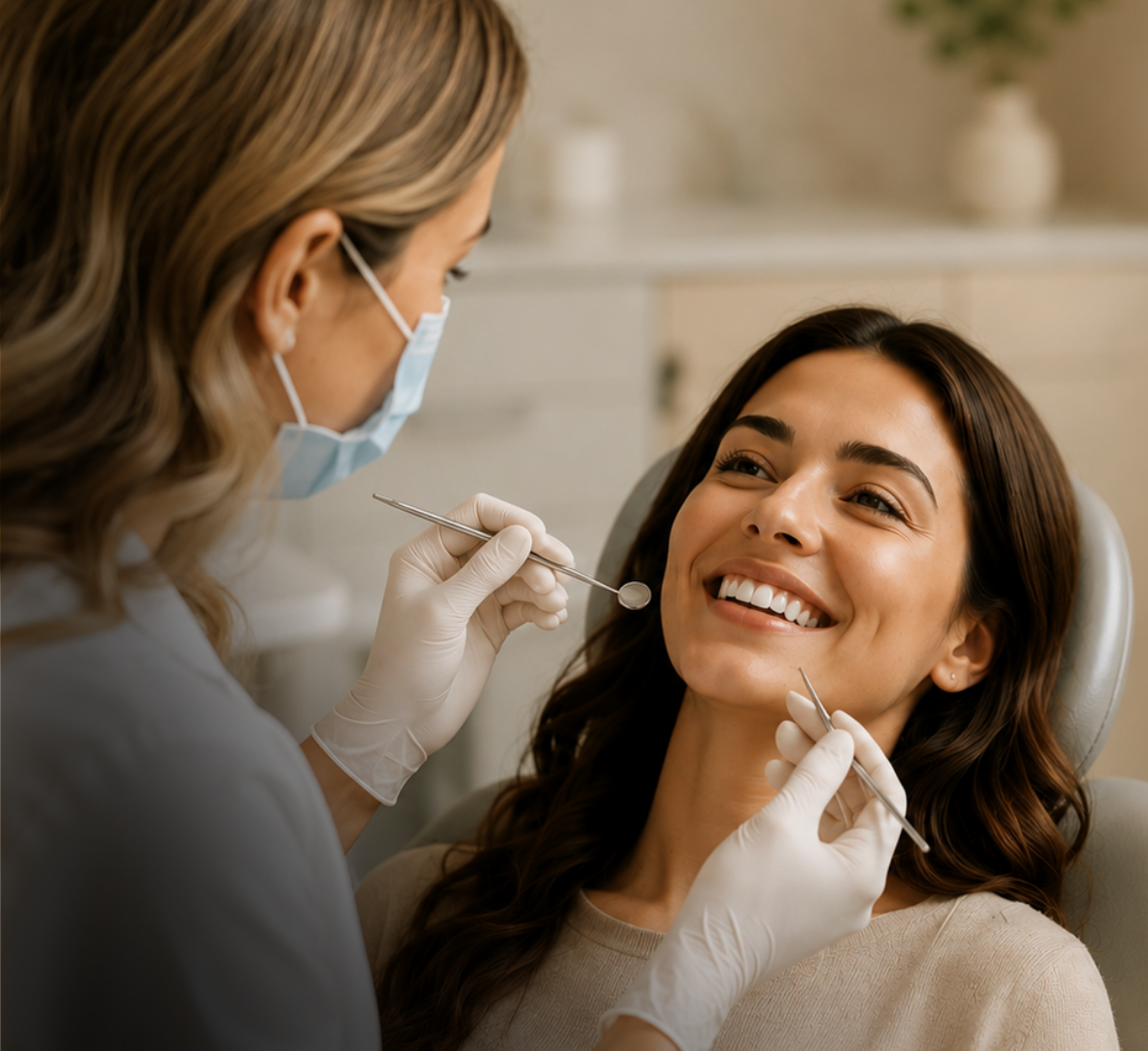
During your appointment, your dentist may perform a complete evaluation that includes:
🧪 Oral Cancer Screening
First, we examine the neck, lips, tongue, face, throat, gums, and surrounding tissues for anything that may need follow-up. Additionally, this step is quick and valuable when done consistently.
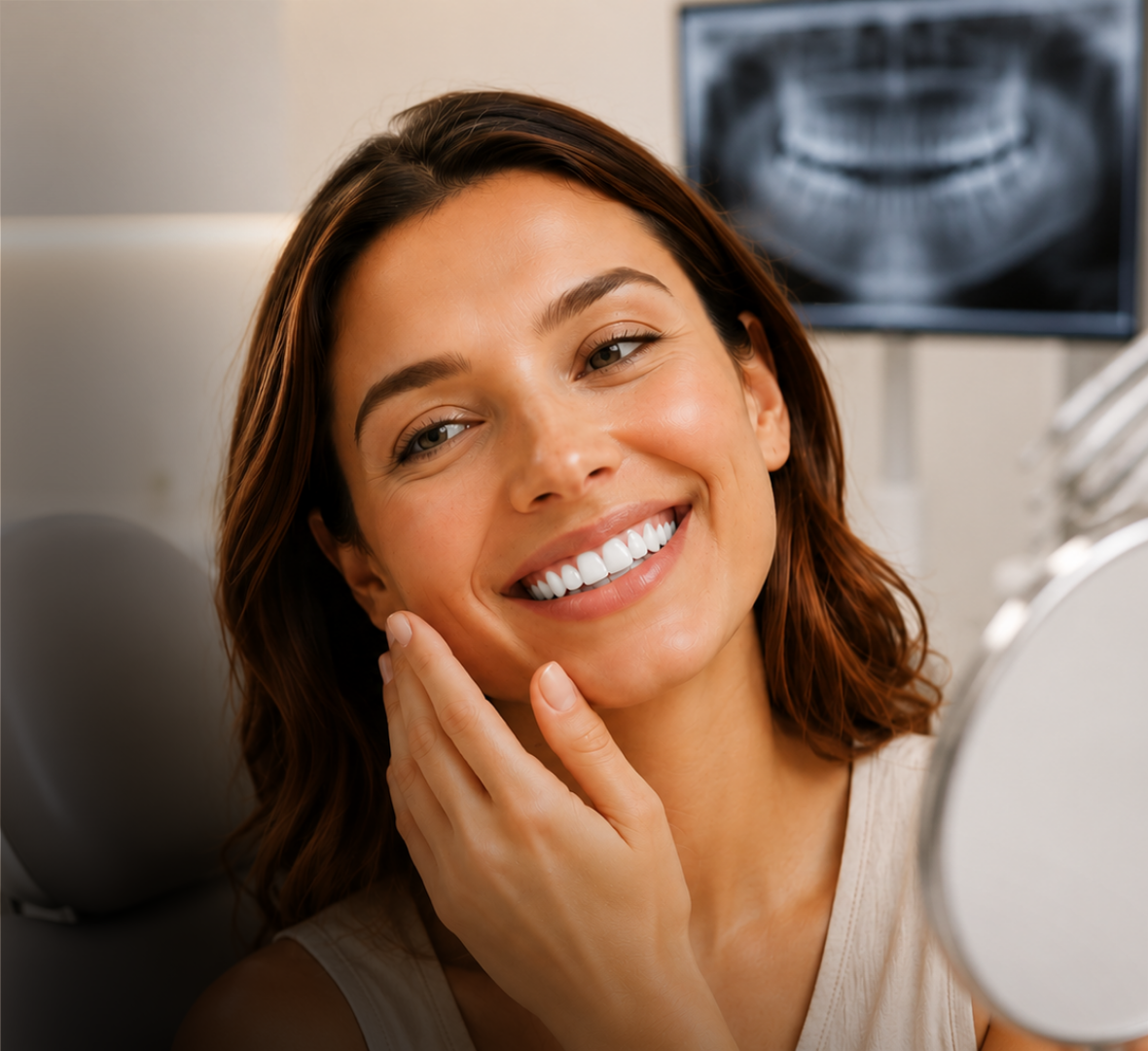
🩻 Diagnostic X-Rays (Radiographs)
Sometimes X-rays help us see what the eye can’t. For example, they can reveal cavities between teeth, bone loss, cysts, or other concerns. Moreover, dentists also use X-rays to understand root and tooth positions for certain procedures.
🪥 Preventive Dental Treatments: Gum Disease Evaluation
We also check the gums and the bone supporting your teeth. After all, a healthy smile depends on gum health, too. Therefore, catching inflammation early often keeps treatment simpler.
👑 Checking Current Restorations
If you have fillings, crowns,or implants, we check them for stability and defects. That way, we can address small issues before they become bigger (and more uncomfortable) ones.
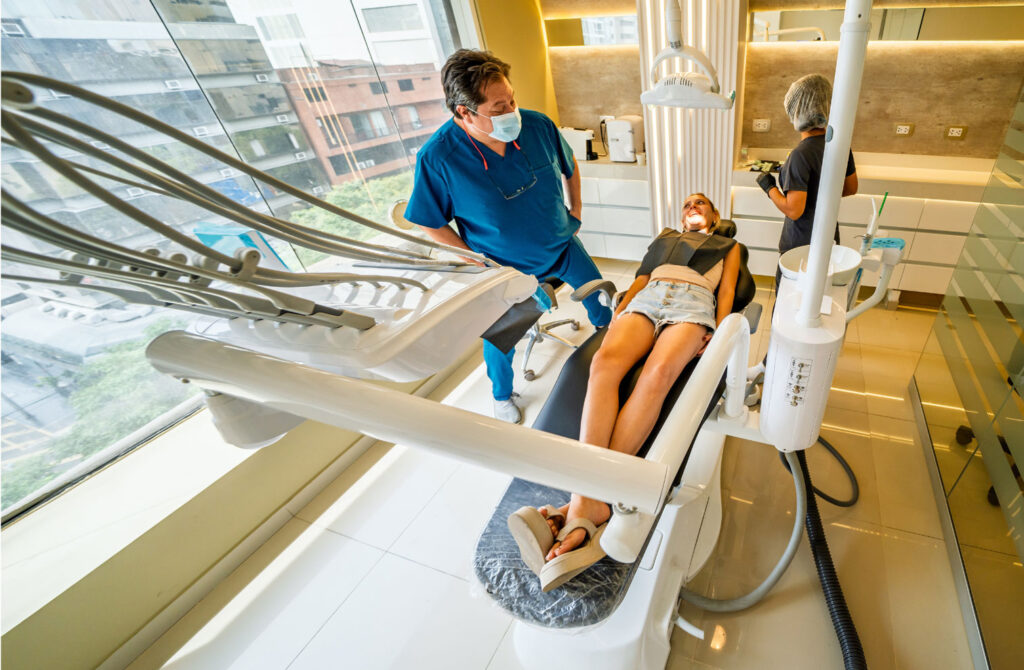
✨ Oral Hygiene And Cleaning: Professional Preventive Dental Cleaning
As part of preventive dental treatments, professional cleaning is one of the most important steps.
🟡 Plaque Removal
Plaque is a sticky film formed by bacteria, food debris, and saliva. Consequently, if plaque stays in place too long, it can contribute to cavities and gum inflammation.
🪨 Elimination Of Calculus (Tartar)
Once plaque hardens into tartar, brushing alone can’t remove it. So, we use specialized tools to clean it safely—above and below the gumline—because tartar buildup can irritate gums over time.
🌟 Teeth Polishing
Finally, polishing helps remove surface stains and lingering plaque so your teeth feel cleaner and look brighter. While it doesn’t replace daily hygiene, it’s a helpful finishing step.

🛡️ Dental Sealants: A Preventive Dental Treatments For Cavity Protection
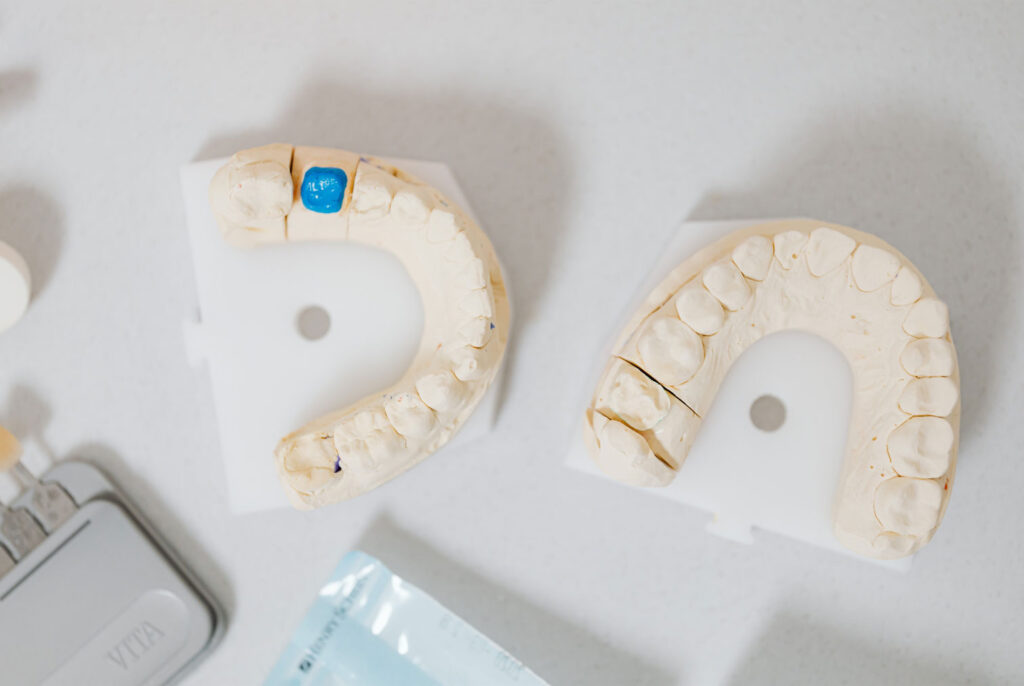
A dental sealant is a thin protective coating placed into the grooves of back teeth (molars), where chewing surfaces trap food easily. As a result, sealants help block bacteria and debris that can lead to cavities.
⏱️ What To Expect During Sealant Placement
Sealant placement often takes 30 minutes to one hour. First, we clean the teeth thoroughly. Next, we prepare the surface so the sealant bonds well. Then we apply the sealant into the grooves and harden it with a curing light (depending on the system). Finally, we check the seal to confirm a secure, protective finish.
🏡 Home Care Education: Prevention Between Visits
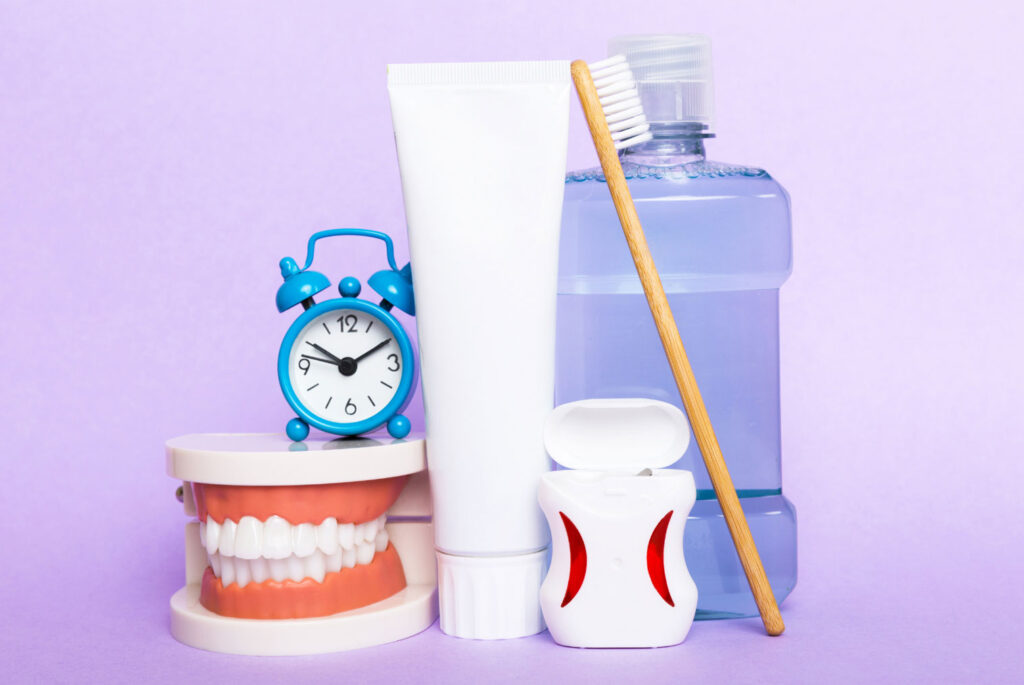
Prevention doesn’t end in the dental chair. In fact, what you do at home protects your results between appointments. That’s why we share simple, realistic guidance on brushing, flossing, rinsing, diet habits, and routine.
👉 Helpful resource: Properly Take Care Of Your Teeth At Home
💧 Fluoride Treatment: Strengthening Enamel As Preventive Care
Fluoride strengthens enamel through remineralization, which helps reinforce weakened areas before they turn into bigger cavities. In addition, fluoride can reduce the acids bacteria produce. Therefore, it’s a budget-friendly preventive step that can help you avoid more expensive treatments later.
In many cases, you only need one visit for a fluoride application as part of your preventive plan. At Smiles For Health, we focus on preventive dental treatments that keep your smile strong: catch concerns early, protect your teeth, and lower your long-term risk.