





You don’t need to do a lot to prepare for a root canal. Depending on the type of sedation used, your dentist may ask you to avoid eating for a few hours before your appointment, and you might need someone to drive you home. Let your dental team know about any medications or health conditions before the procedure.
Most routine root canal treatments take about an hour or less to complete, depending on the tooth and the complexity of the case.
😌 Comfort, Anesthesia, and Sedation
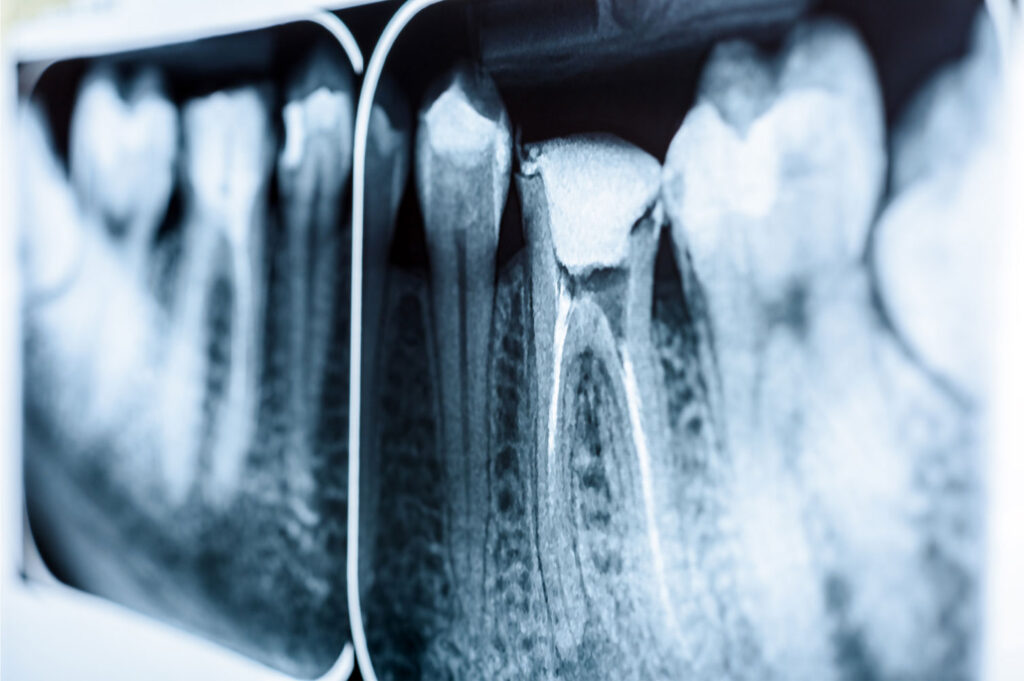
At Smiles For Health, we offer options to prevent pain and help you stay relaxed and comfortable during your root canal. A local anesthetic usually provides enough numbing to block any pain during the procedure.
If you feel very anxious about treatment, we can also discuss sedative options to help you relax.
Once your root canal is finished and the numbing wears off, you might notice some soreness or mild discomfort. Over-the-counter pain relievers often work very well. You can also apply ice packs on the cheek over the treated area to reduce inflammation.
If you didn’t receive any sedative medication, you can usually return to your normal routine afterward. Still, many people prefer to take the rest of the day to rest and let their body adjust.
🧩 Root Canal 101: What the Procedure Involves
Sometimes, when you get a cavity, decay only reaches the outer layers of your tooth. In those cases, once your dentist removes the decay, a simple filling usually solves the problem.
Other times, the decay goes deeper into the central pulp portion of your tooth, where the nerves and blood vessels live. In the past, dentists often had to extract the tooth in these situations, which left a gap and increased the risk of future problems.
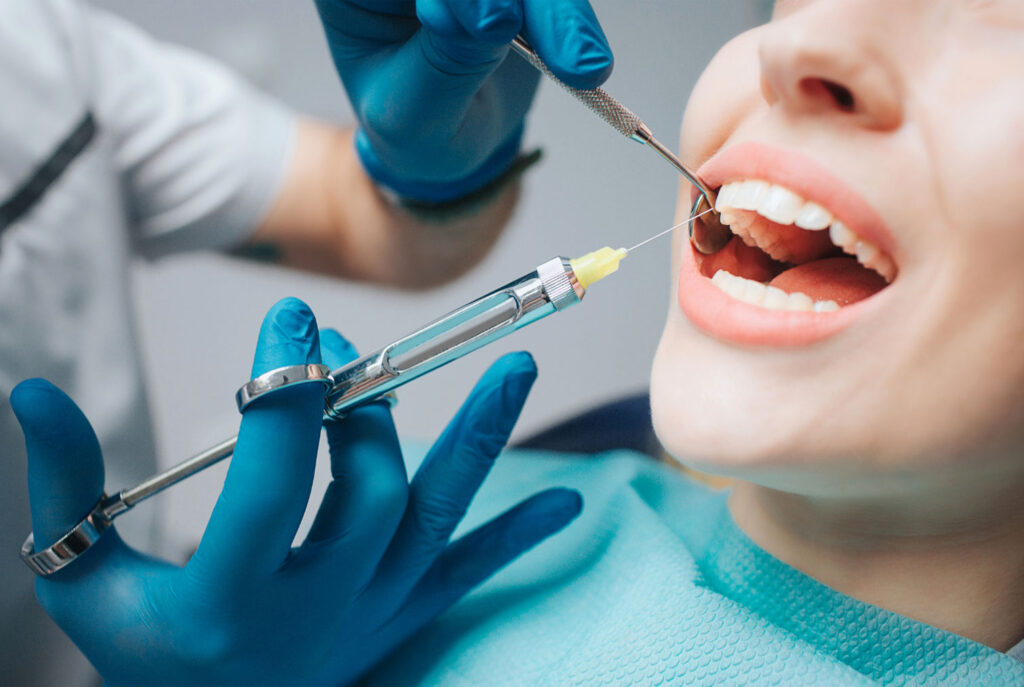
Today, however, root canal therapy lets your dentist save the tooth. During a root canal, your dentist enters the central pulp area and removes the decay and infected tissue from inside the tooth.
After your dentist removes the damaged tissue, they clean and shape the canals. Then they fill the space with a special rubber-like material and seal the tooth. In most cases, your dentist finishes the treatment by placing a dental crown to protect and strengthen the tooth.
🛡️ Why a Crown After a Root Canal?
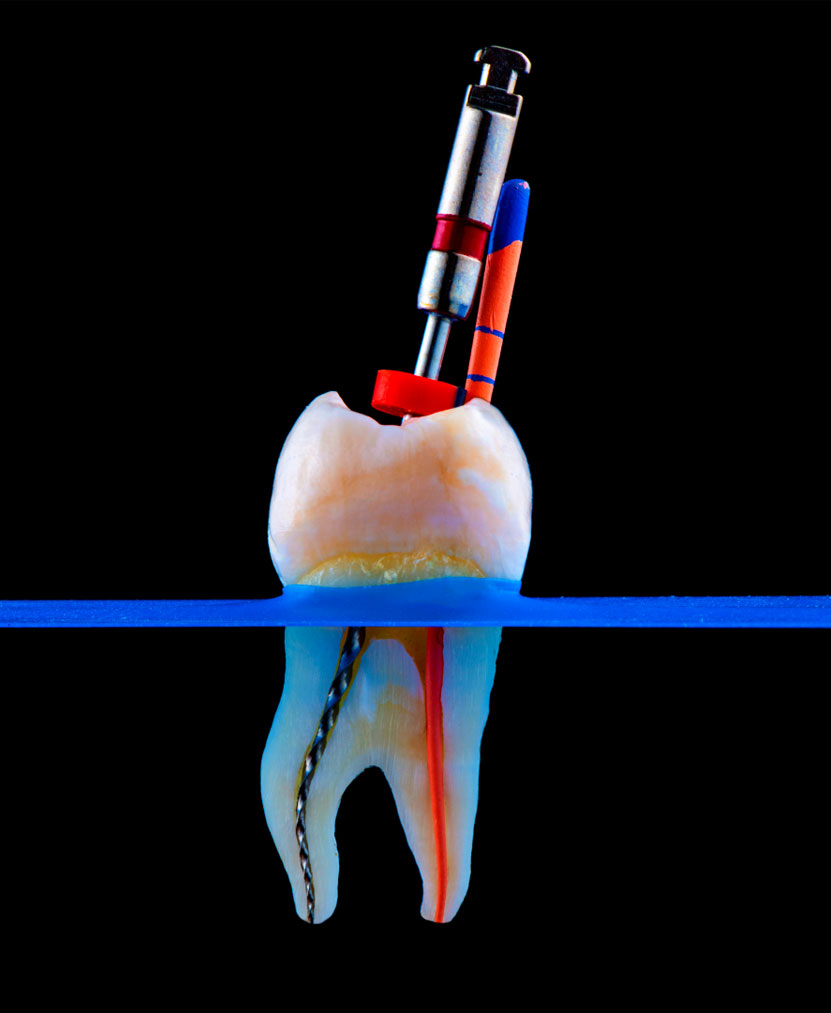
A crown after root canal treatment helps for two main reasons:
- Strength and protection
After a root canal, the tooth can become weaker and more brittle. A crown covers the tooth and helps it withstand the forces of biting and chewing. - Appearance and color
Once the pulp is removed, the tooth may darken or discolor over time. A custom-tinted crown can match your neighboring teeth so your smile looks natural, healthy, and even.
😄 Preserve Your Smile with Root Canal Treatment
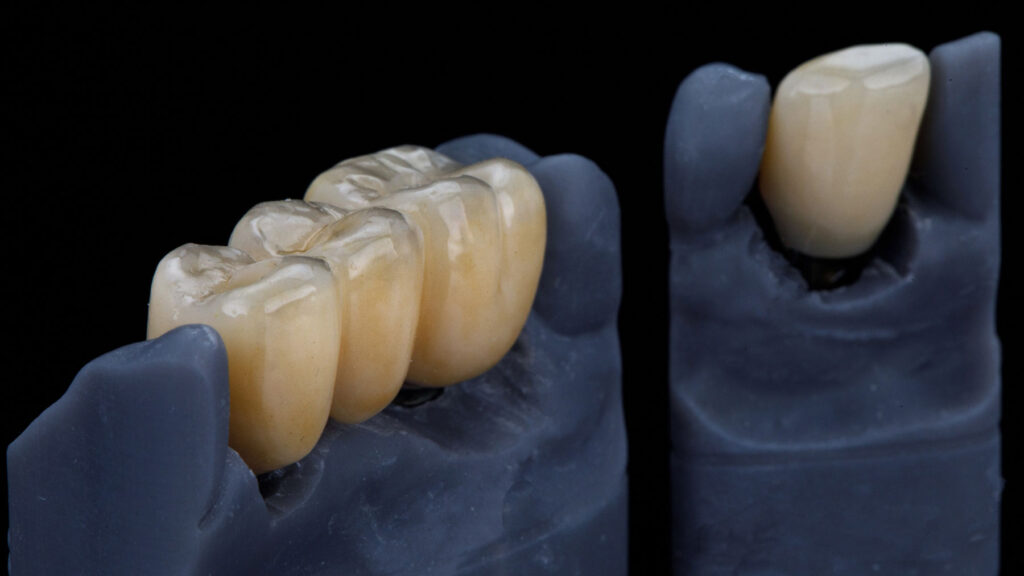
Root canal therapy is a safe and effective way to treat deep infection, relieve pain, and preserve your natural tooth instead of losing it.
At Smiles For Health we offer restorative and cosmetic dentistry services so you can smile with confidence. Call today to schedule your appointment and learn more about how to prepare for a root canal and what to expect before, during, and after treatment.