



When most people hear about dental implants, they immediately think about surgery and shy away from it. With modern technology, our dentist can make the process as comfortable and pain-free as possible. Opting for other dental restorative procedures may not give you the durability and function of dental implants. Many of these options are temporary, and some—like certain types of veneers—may even require removing or altering healthy tooth structure. Dental implants are safe, and when a qualified dentist places them, they can last for many years. Before you rush to any dentist near you, it’s vital to check the qualifications and certification of the provider who will perform your dental implant procedure.
📋 Dental Implant Facts
Still skeptical about dental implants? Here are a few reasons not to be:
Procedure Is Planned
Before the procedure, our dentist will give you a clear “surgical map” of what to expect, including the procedure timeline, the risks involved, and pre- and post-surgery instructions.
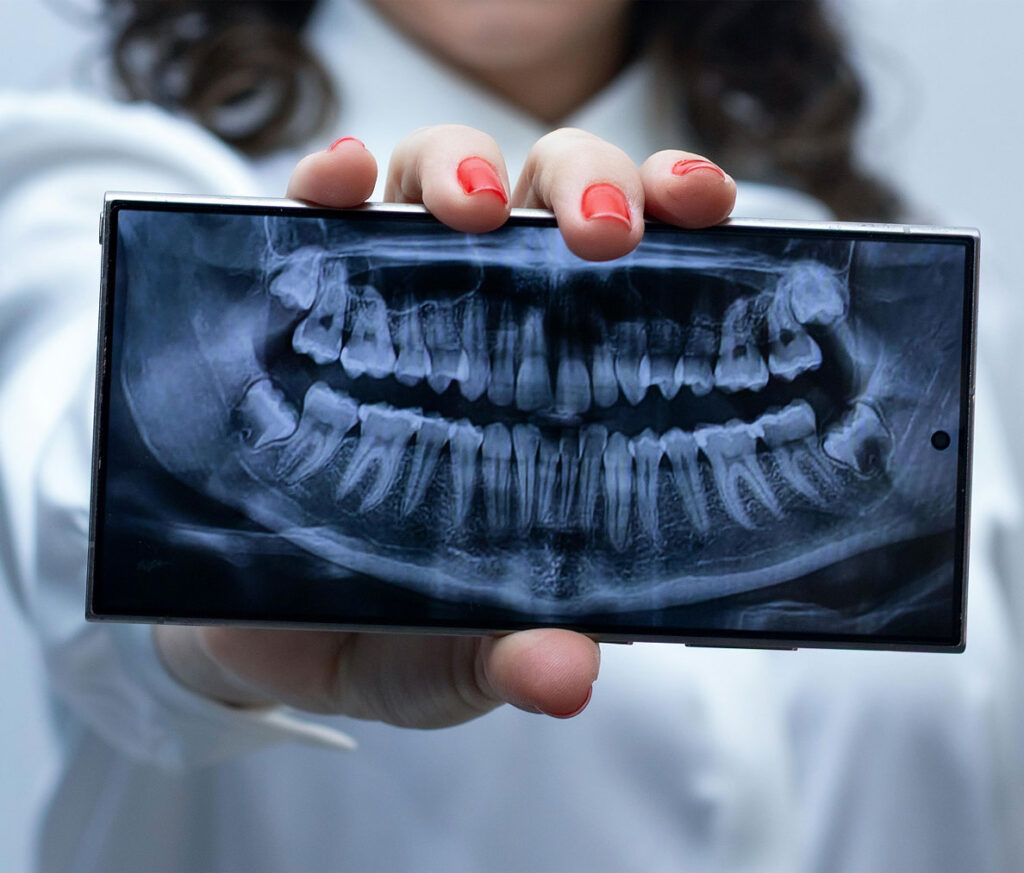
Our dentist also performs a full dental assessment to determine if you have enough jawbone to support the implants and whether your gums are healthy. Through this assessment, the dentist can decide:
- If you need a bone graft
- The type of dental implants you need (whether All-on-4 dental implants or full mouth implants)
No Pain During the Procedure
Our dentist will use local anesthesia to numb the area. We can also provide dental sedation to reduce anxiety. Many mild to moderate dental surgeries use IV sedation. If your case requires a bone graft, the dentist may recommend deeper sedation, which allows you to sleep through the procedure.
3. Yes, There’s Slight Discomfort After
You will not experience pain during the dental implant procedure because of the anesthesia, but as the numbness wears off, you can feel slight discomfort or soreness. The pain usually lasts a few days and often improves faster with the use of pain relievers recommended by your dentist. You may also receive antibiotics to help prevent infection.
If the pain continues for more than a week, should be a sign do you need a root canal, but first you visit our dentist in Carlsbad, CA, for an assessment.
🧩 An Overview of Procedure
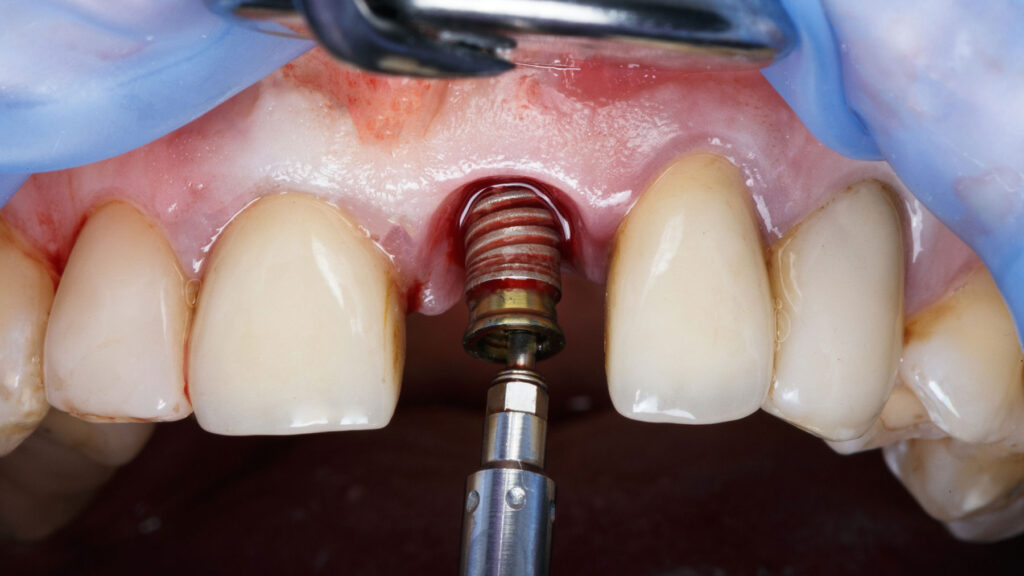
Our dentist surgically fixes dental implants in the jawbone, and the procedure happens in a few steps:
Dental Examination and Assessment
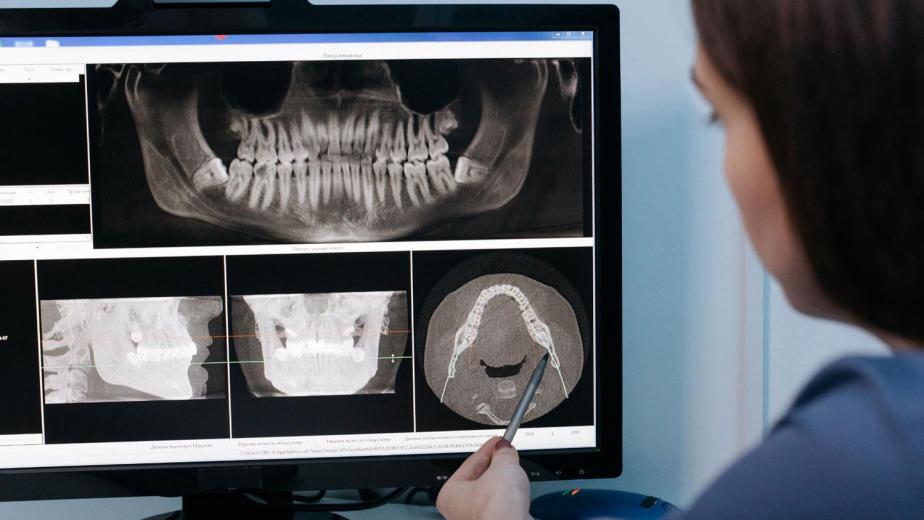
This is the pre-surgery step where the dentist checks if you are eligible for dental implants. The dentist uses X-rays and other diagnostic tools to determine the location, the health of the gums, and bone density. If you are a good candidate, the dentist will carefully drill into the bone to place the titanium post.
In some cases, the dentist also places bone granules that they take from your body or a donor source into your jawbone. This step promotes healthy bone growth to support the titanium implant post.
Normally, the dental implant takes about three to nine months to fuse to the bone. If the dentist performs a bone graft, healing and integration can take up to 12 months.
Fixing of the Abutment and Crown
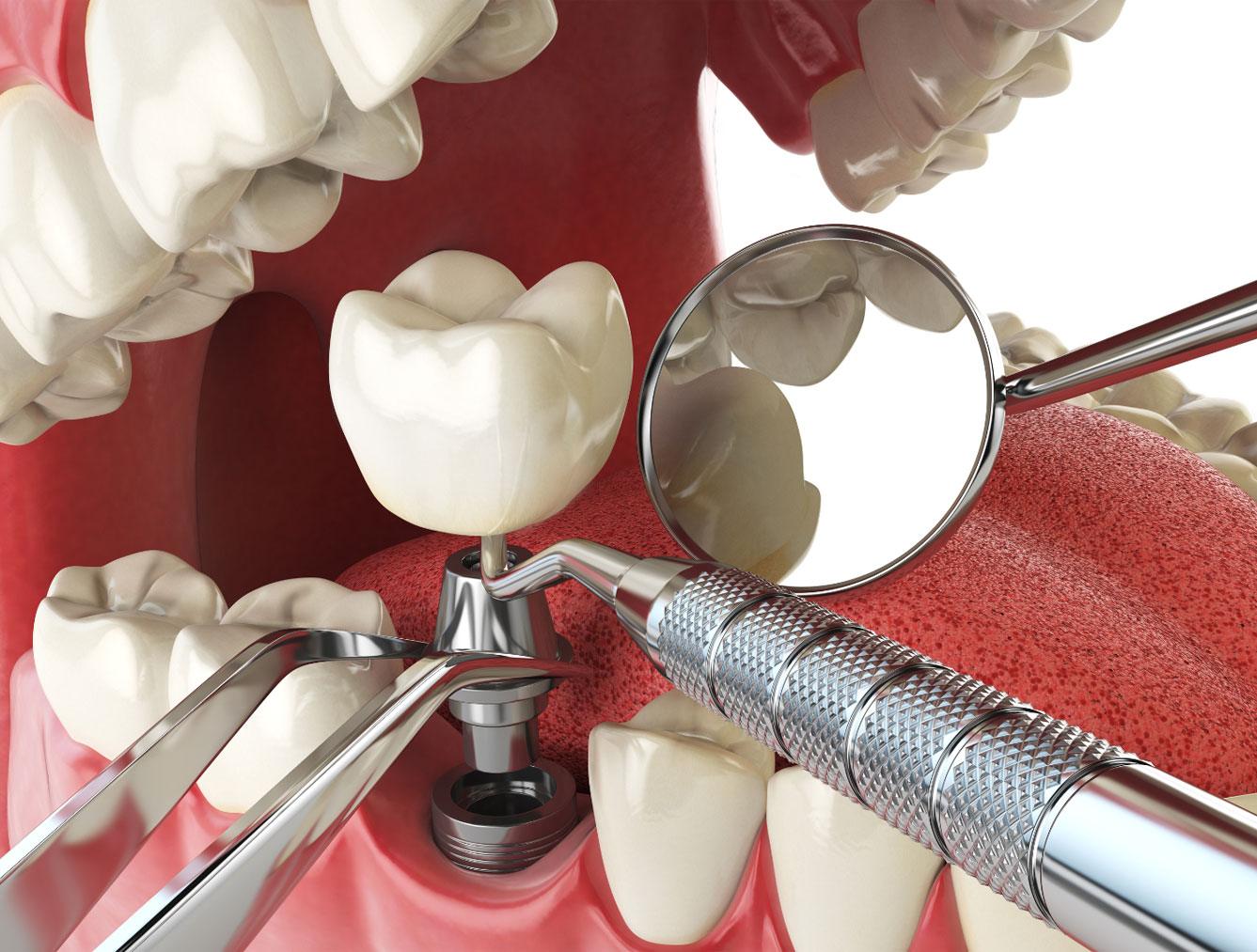
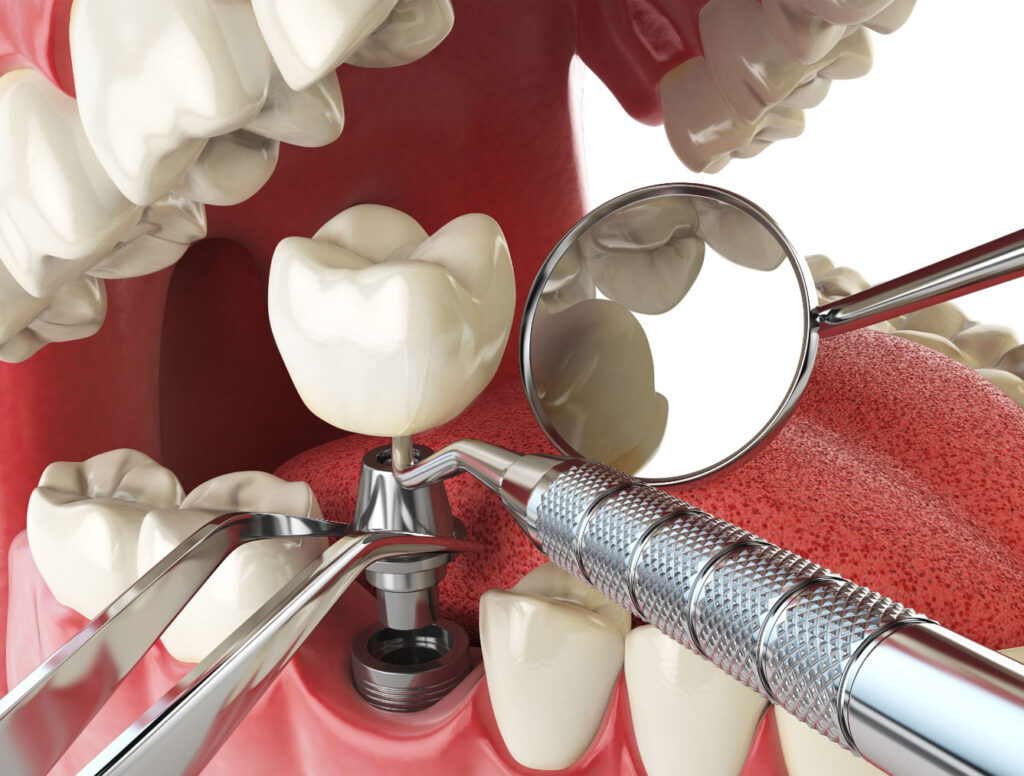
Your dentist places the abutment and crown on separate days. After the implant fuses to the bone, the dentist places the abutment (or connector) to link the implant and the crown.
Once the gum has completely healed around the area, the dentist attaches the crown or artificial tooth. At that point, your dental implant looks and functions very much like a natural tooth.
✅ Advantages of Dental Implants
Not only is the dental implant procedure designed to be pain-free with modern techniques, but it also provides other long-term benefits:
- Dental implants can last for over 25 years and, with proper care, even a lifetime. The implants are made of titanium, which is strong and resistant to fracture.
- Although the crown can chip or fracture, your dentist can usually repair or replace it easily.
- Implants are very natural-looking. They mimic the luster, appearance, and function of your natural teeth.
- They are easy to care for because they function like natural teeth—brushing, flossing, and regular checkups are usually all you need.
- They help preserve your jawbone and support your facial structure by replacing missing tooth roots, not just the visible part of the tooth.
Don’t be afraid of dental implants—they are often more beneficial and longer-lasting than other dental restorations. Contact us, and our dentist will explain the dental implant procedure step by step and help you decide if implants are right for you.