

Sleep Apnea And Quality Of Life: Why It’s Not “Just Snoring” 😴
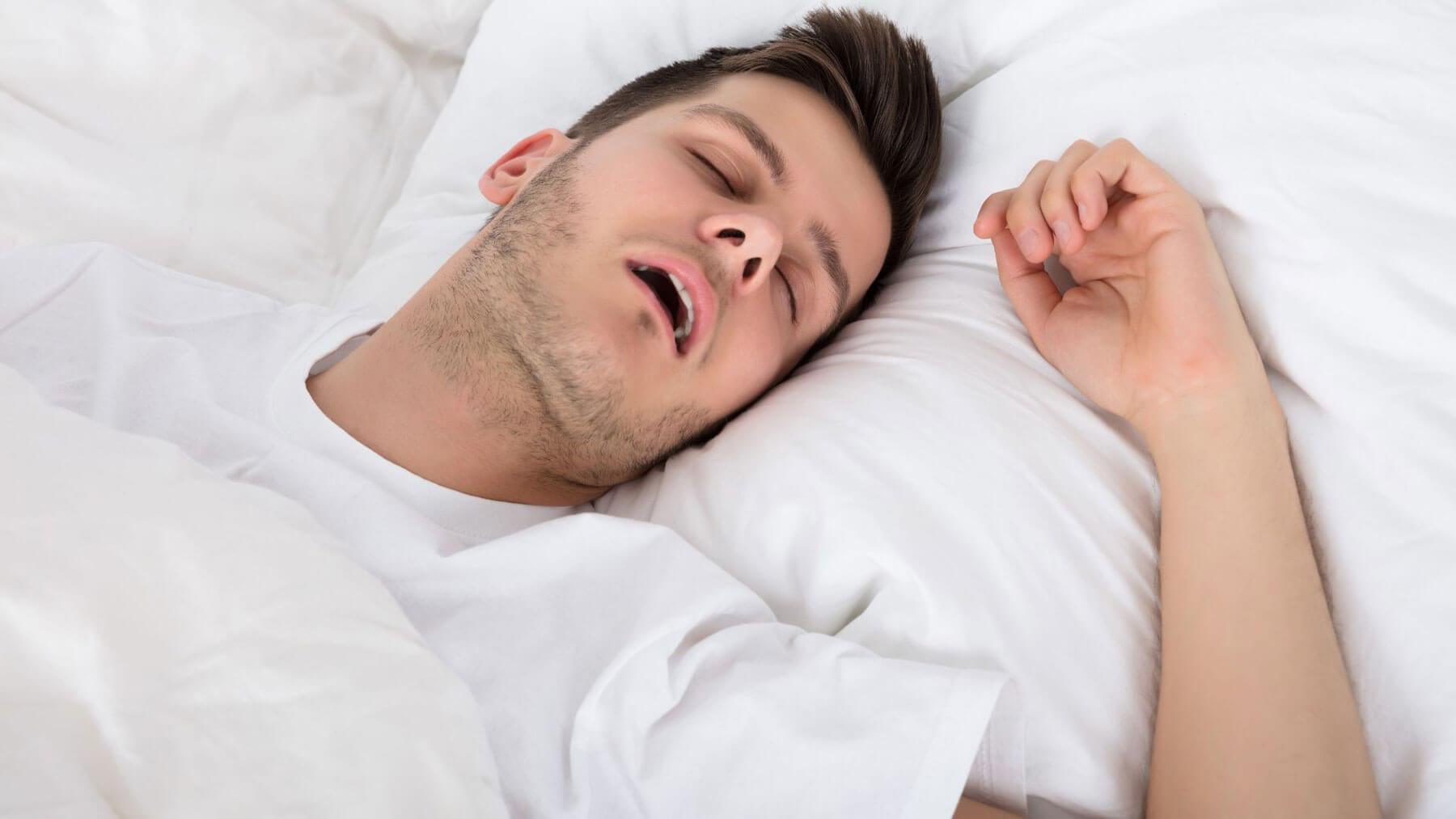
Sleep apnea and quality of life are closely connected; in fact, when breathing repeatedly pauses at night, your body triggers micro-awakenings to keep you safe. As a result, even if you spend plenty of hours in bed, you can wake up tired, irritable, and feeling like you never truly rested.
Why You Feel Tired Even After “Enough” Sleep
In addition, this pattern can reshape your days—lower energy, less stress tolerance, and reduced concentration. That said, spotting early signs often leads to meaningful improvements.
Daytime Signs You Shouldn’t Ignore 📌
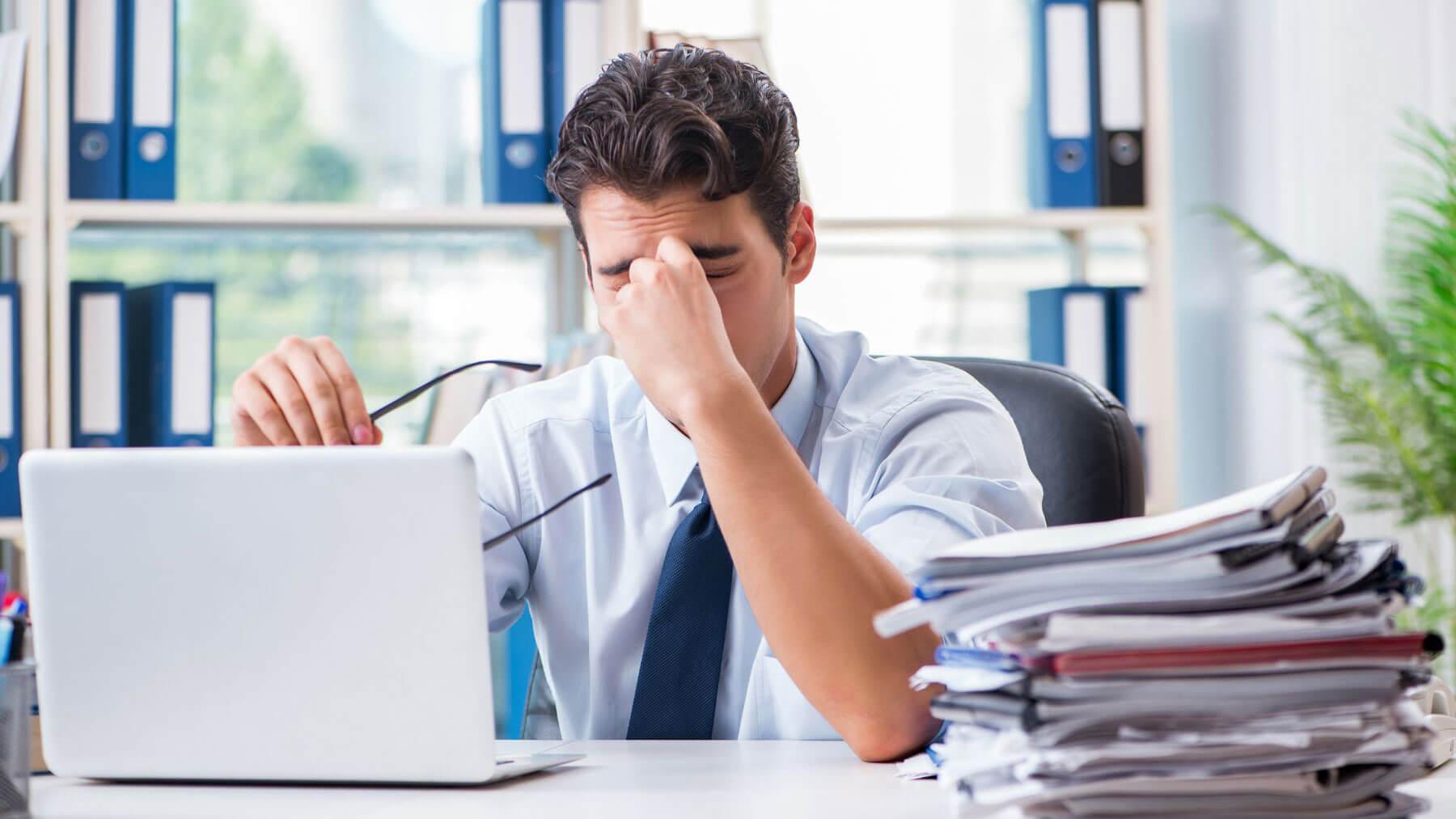
It may not feel like a “big issue” at first; however, symptoms can build over time. For example:
- Daytime sleepiness and ongoing fatigue; consequently, staying active feels harder.
- Mood changes and low patience; in other words, your emotional “buffer” gets thinner.
- Trouble focusing; therefore, “brain fog” becomes more common.
- Morning headaches.
- Frequent waking or light sleep; as a result, you rest less even when you sleep.
Sleep apnea and quality of life: Hidden risks in your body ⚠️
When sleep doesn’t reach deeper restorative stages, your body can’t recover the same way; therefore, nighttime physiological stress lingers and affects health and performance. Over time, sleep apnea is associated with:
- Higher blood pressure and cardiovascular strain; consequently, long-term risk increases.
- A higher chance of accidents due to sleepiness; in addition, lower performance.
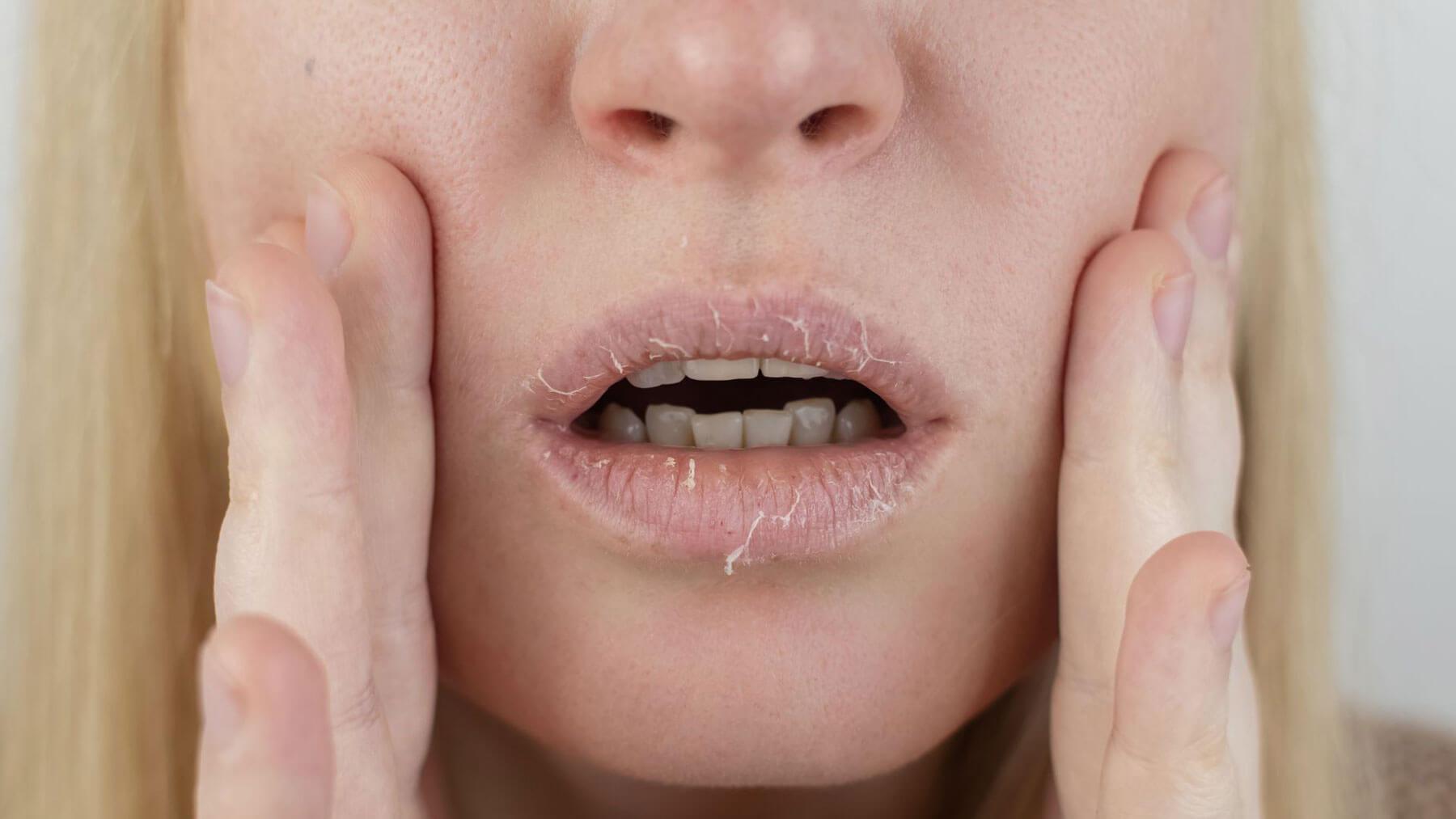
- Dry mouth from mouth breathing; as a result, cavity risk and gum inflammation can rise.
- Bruxism and jaw tension in some patients; meanwhile, dental wear may increase.
Sleep Apnea And Quality Of Life Options: Where To Start ✅
To improve sleep apnea and quality of life, the best first step is a medical sleep evaluation to confirm the diagnosis and determine severity; therefore, you’re not guessing—you’re choosing a clear path.
Sleep Apnea And Quality Of Life: How CPAP Works (And Why the Mask Isn’t the Machine)
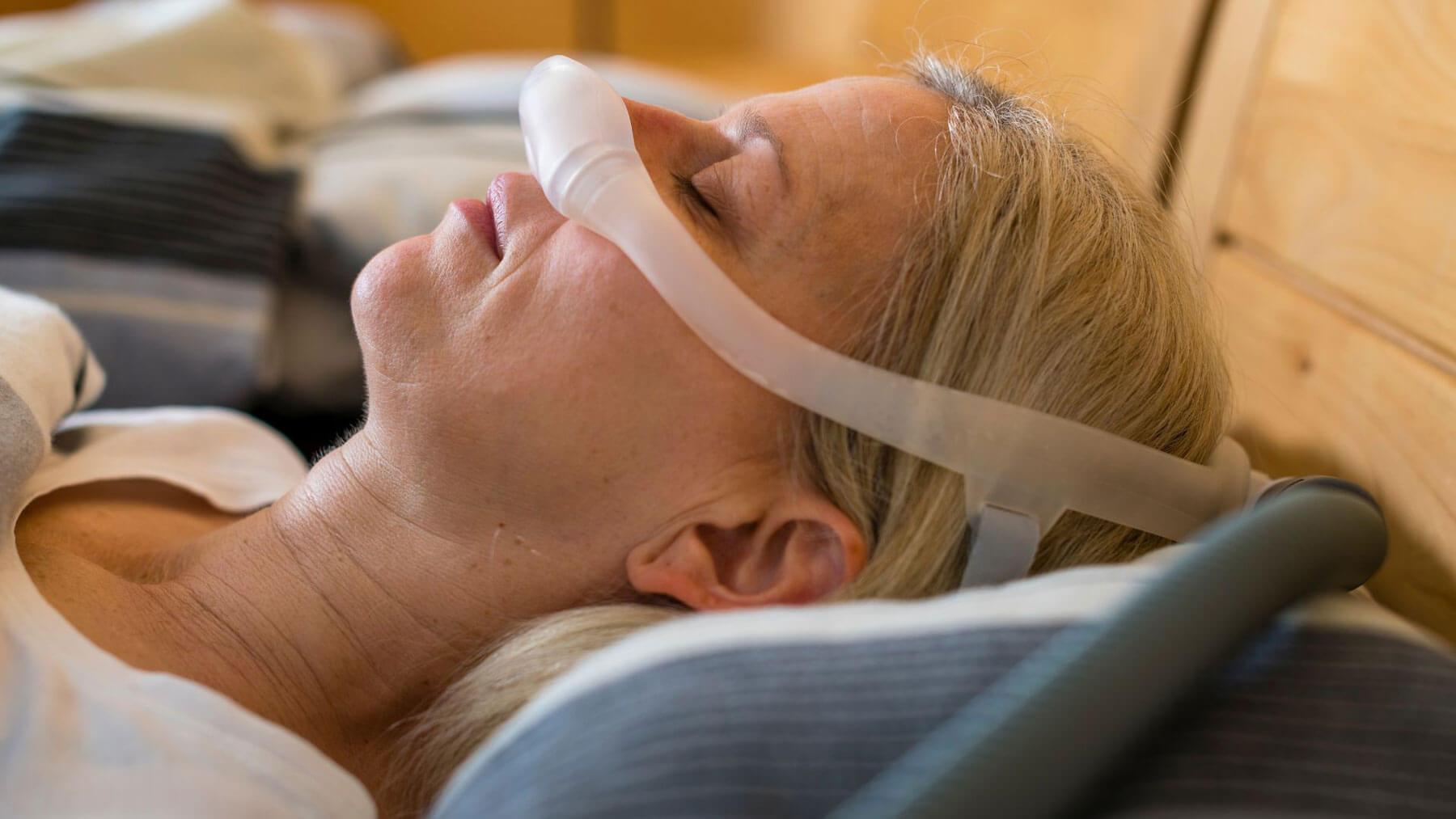
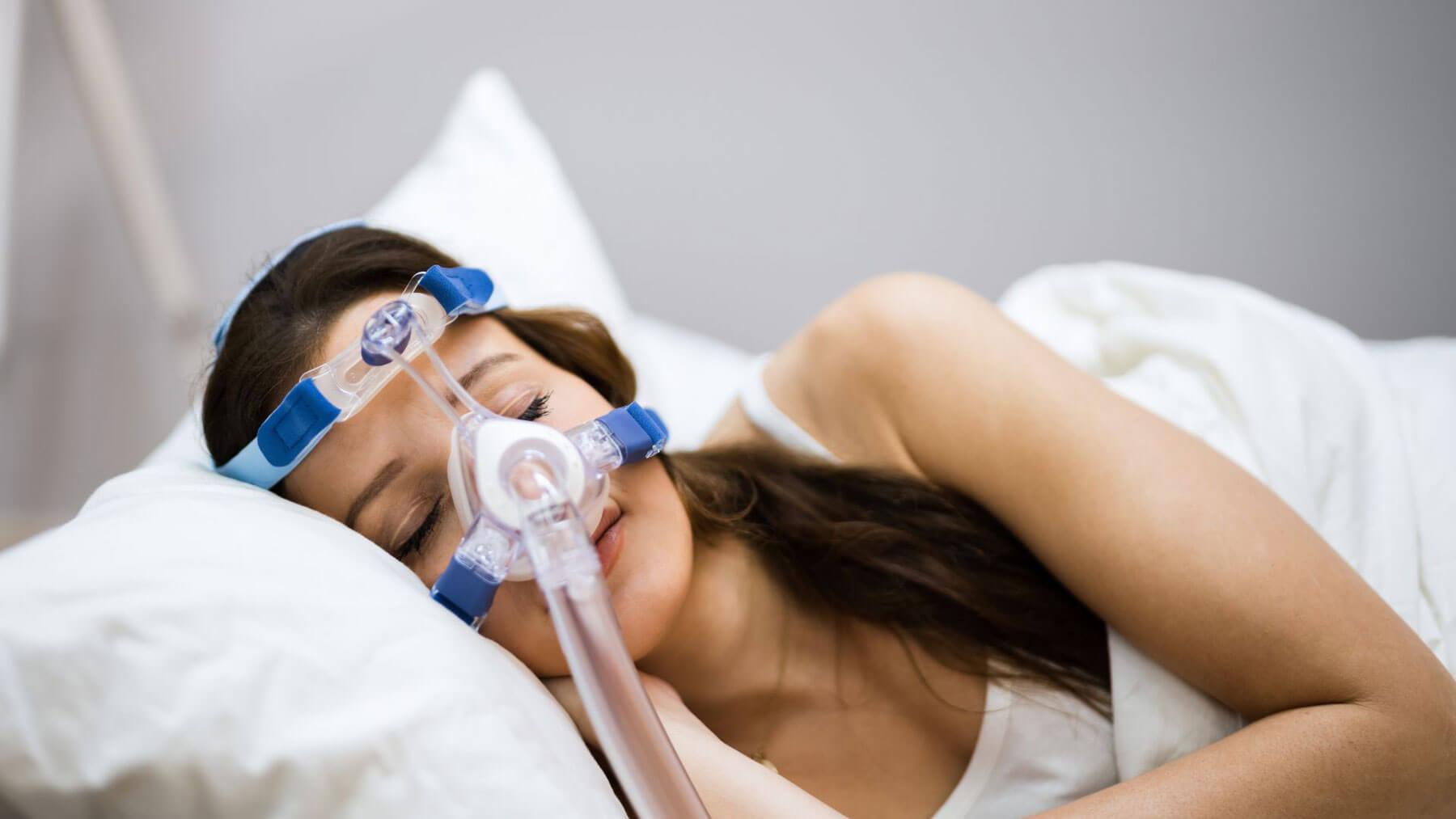
Treatment often includes CPAP, which is the machine that keeps the airway open using gentle air pressure, and here’s the key detail: the mask isn’t “the CPAP,” it’s simply the interface that delivers the air.
CPAP Masks: Fit Changes Everything 😷
Many people think they “can’t tolerate CPAP”; fortunately, the issue is sometimes the mask—not the therapy itself. In addition, a proper fit reduces leaks and dryness; therefore, sleep can feel much more manageable.
Common CPAP Mask Types
- Nasal Pillows: Minimal contact at the nostrils; however, congestion can make them uncomfortable.
- Nasal Mask: Covers only the nose; in addition, it’s often stable and comfortable.
- Full-Face Mask: Covers nose and mouth; therefore, it can help if you breathe through your mouth.
- Hybrid / Under-The-Nose Styles: Designed to reduce pressure points; consequently, some people tolerate them better.
If you’d like to see how it works—and who it may be a fit for—we explain it in more detail here:
Dental Support for Sleep Apnea 🦷✨
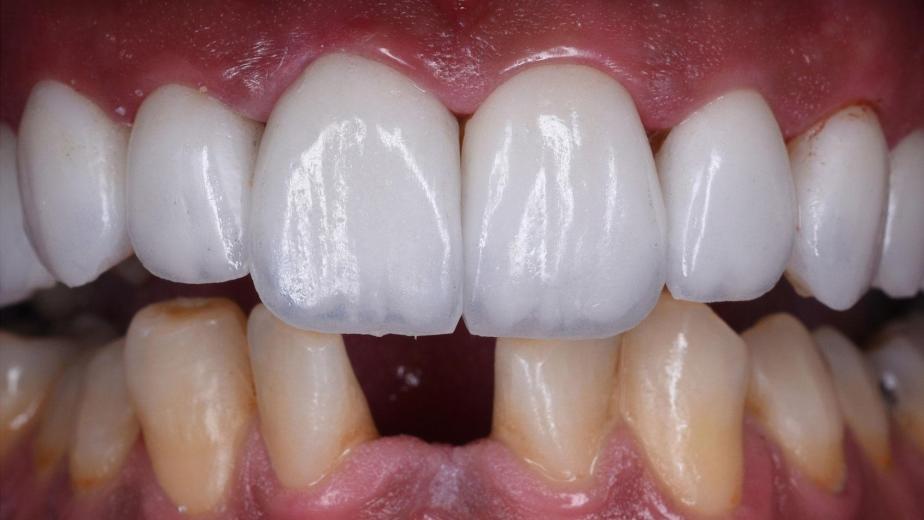
Sometimes the most frustrating part isn’t “sleeping”… it’s waking up tired. That feeling like your body rested, but you didn’t. At Smiles for Health (Carlsbad), we don’t diagnose sleep apnea—that’s done by a sleep specialist—but we do notice something many people don’t connect to sleep: oral signs that can sometimes overlap with fragmented sleep, like tooth wear, micro-fractures, or jaw tension.
And this is where a different kind of conversation can begin—not from fear, but from clarity. Because when sleep is interrupted night after night, sometimes the body “shows it” in the mouth. If you’d like to understand that connection more calmly, this article may help: The connection between oral health and sleep apnea
how can we support you at Smiles for Health For Improve to Quality Life?
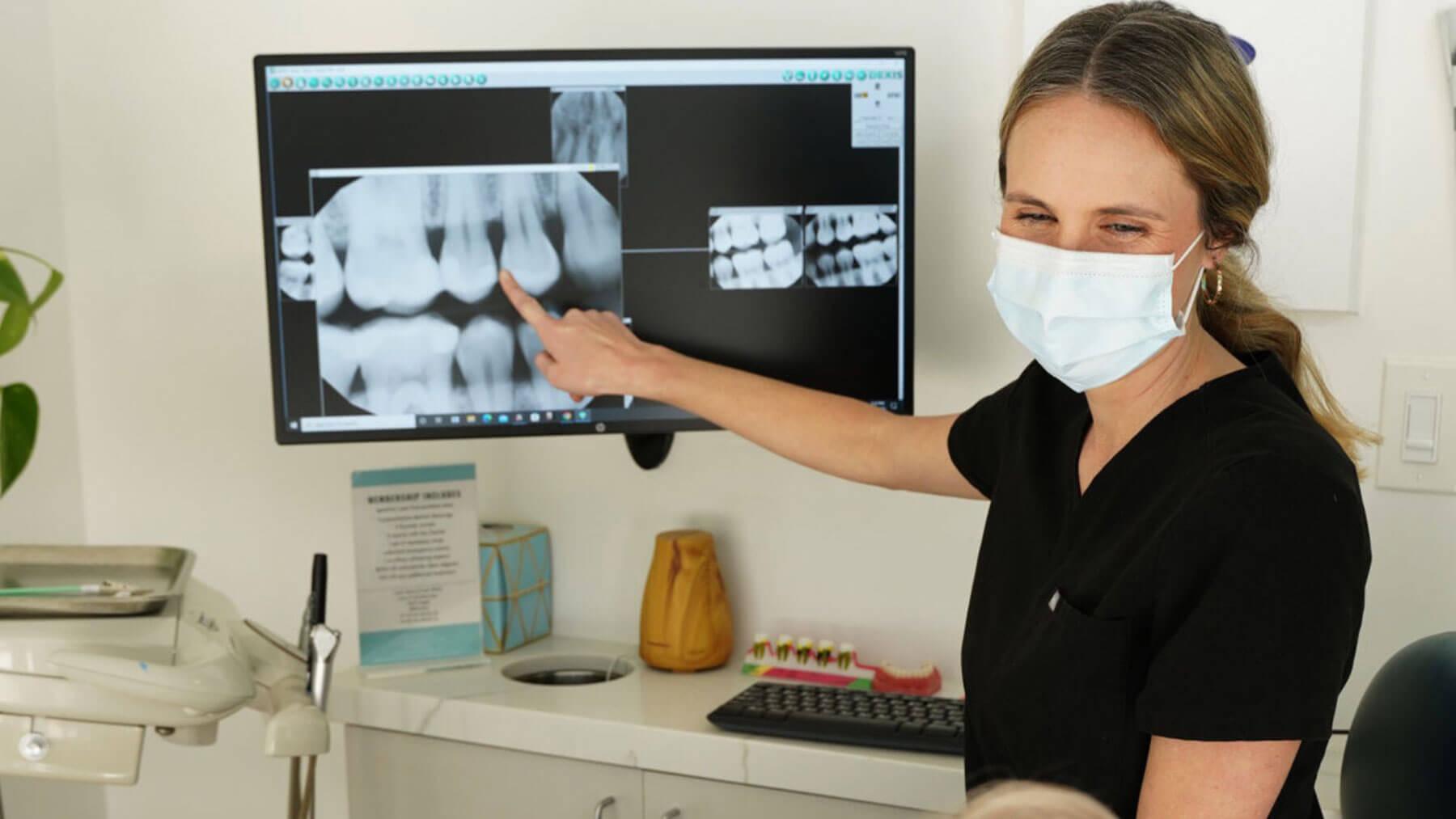
- We check for wear patterns and bruxism, and we can spot early cracks before they become bigger problems.
- We evaluate your bite and jaw function to better understand where tension may be building.
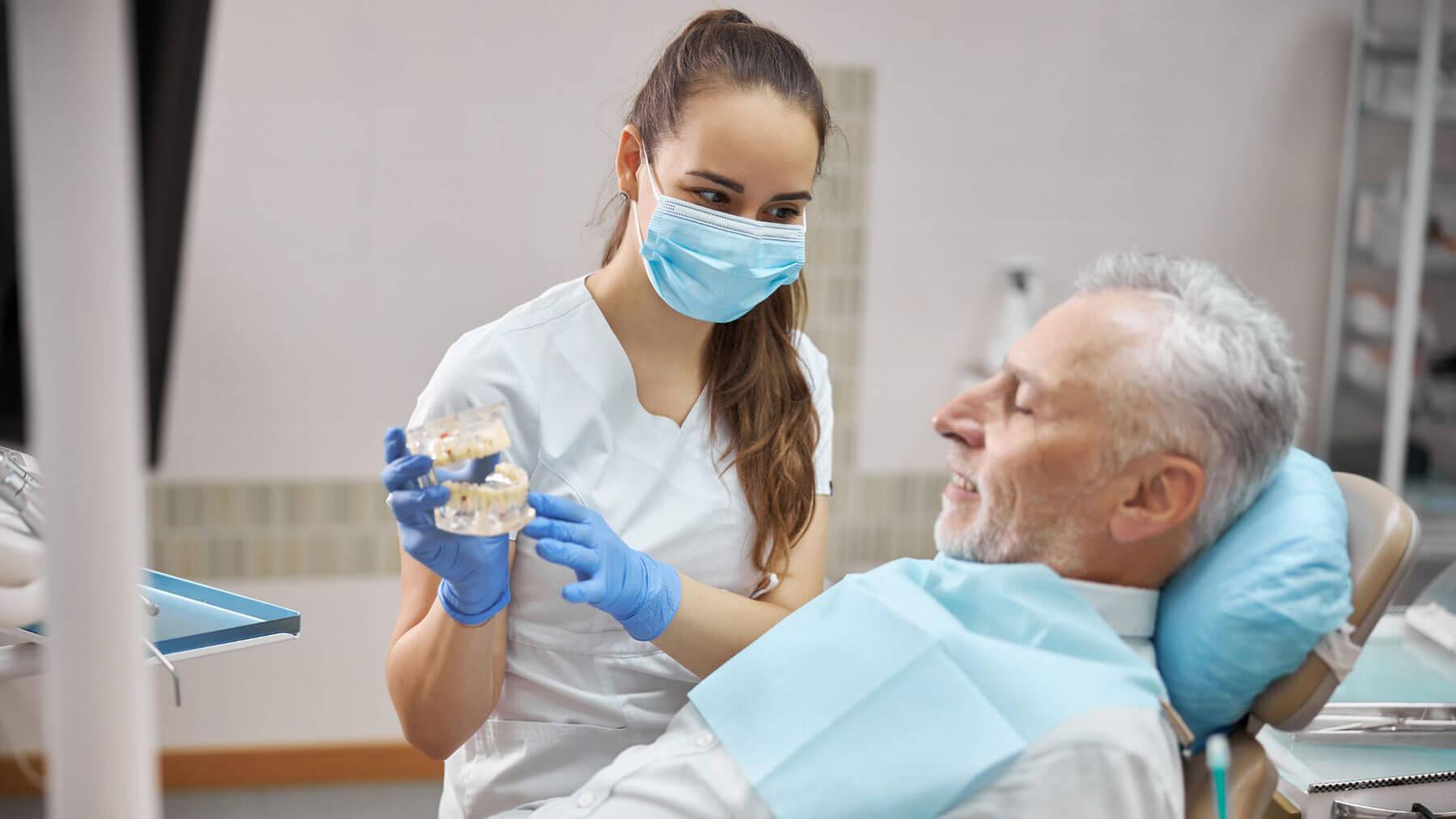
If you already have a diagnosis confirmed by your sleep physician, we can coordinate with you and your specialist to see whether oral therapy is appropriate—because this kind of care works best as a team approach.
Next Steps To Improve Your Quality Of Life 📍
Don’t normalize waking up exhausted. If you snore loudly, have breathing pauses, headaches when you wake up, or persistent fatigue, see your doctor. And if you also grind your teeth or feel tension in your jaw, don’t ignore it, as these signs may be affecting your rest and your teeth.
Make an appointment at Smiles For Health in Carlsbad. We will review the results with you and help you move forward with precise and coordinated dental treatment. Better sleep changes your day.
Frequently Asked Questions
Can sleep apnea and quality of life improve with treatment?
Yes, however, it depends on the cause and severity, so a medical evaluation guides the plan and often improves energy and focus.
How do I know if I need CPAP or an oral appliance?
It depends on your diagnosis, for example, CPAP is commonly recommended, while an oral appliance may help in selected cases—plus it should be coordinated with your sleep physician.
Can sleep apnea and quality of life improve with treatment?
Yes. The right treatment can often improve sleep quality, daytime energy, focus, and overall well-being. Since every case is different, a proper evaluation helps guide the next best step.
How does untreated sleep apnea affect overall quality of life?
Untreated sleep apnea can leave you feeling tired, unfocused, and less like yourself during the day. Over time, it may affect your energy, sleep quality, and how well you feel overall.
How does undiagnosed sleep apnea affect daily productivity and mood?
Many people with undiagnosed sleep apnea notice low energy, brain fog, irritability, and trouble staying productive. When sleep is repeatedly interrupted, it can take a real toll on both mood and daily routines.
What lifestyle changes can significantly reduce sleep apnea symptoms?
In some cases, healthy weight management, better sleep habits, avoiding alcohol before bed, and sleeping in a different position may help reduce symptoms. These changes can be helpful, but they work best when paired with a proper diagnosis and treatment plan.
How does sleep apnea affect mental health and personal relationships?
Poor sleep can affect more than your energy. Over time, sleep apnea may contribute to irritability, mood changes, and strain in personal relationships, especially when sleep is disrupted night after night.
Why do I still feel tired after a full night of sleep if I have sleep apnea?
Sleep apnea can interrupt your breathing many times during the night, even if you do not fully wake up or remember it. That broken sleep can leave you feeling tired, foggy, and unrested the next day.