

A cavity often begins quietly—a slight sensitivity, a small spot on the tooth, or a mild discomfort that comes and goes. However, if left untreated, it can progress quickly and affect deeper layers of the tooth, your gums, and even your overall well-being. At Smiles for Health in Carlsbad, many patients come in thinking it was “nothing serious,” until the discomfort grows. The good news is that with modern and biocompatible treatments, it’s possible to stop a cavity comfortably while preserving your long-term health.
🧩 What Is a Cavity and Why Does It Happen?
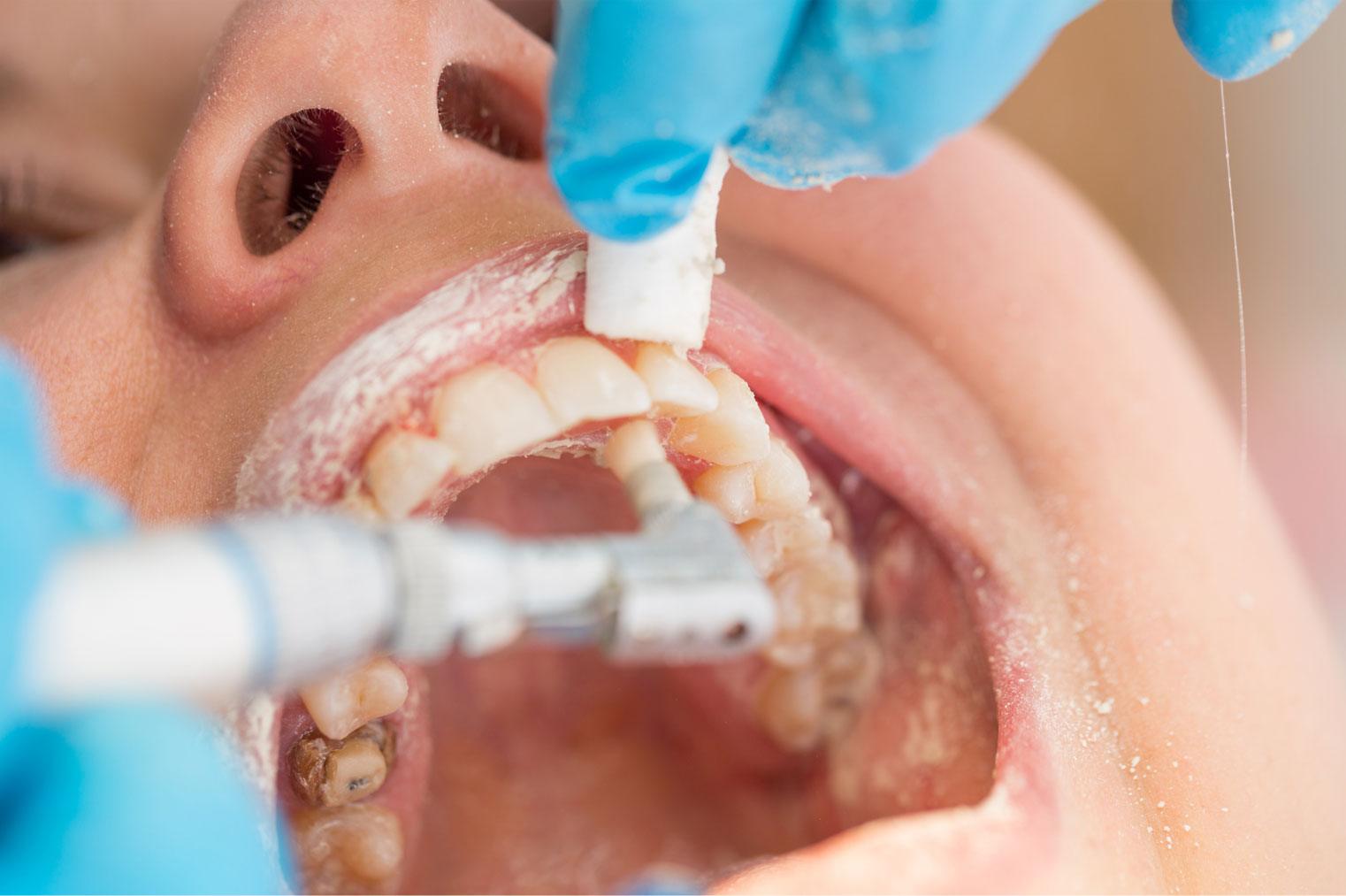
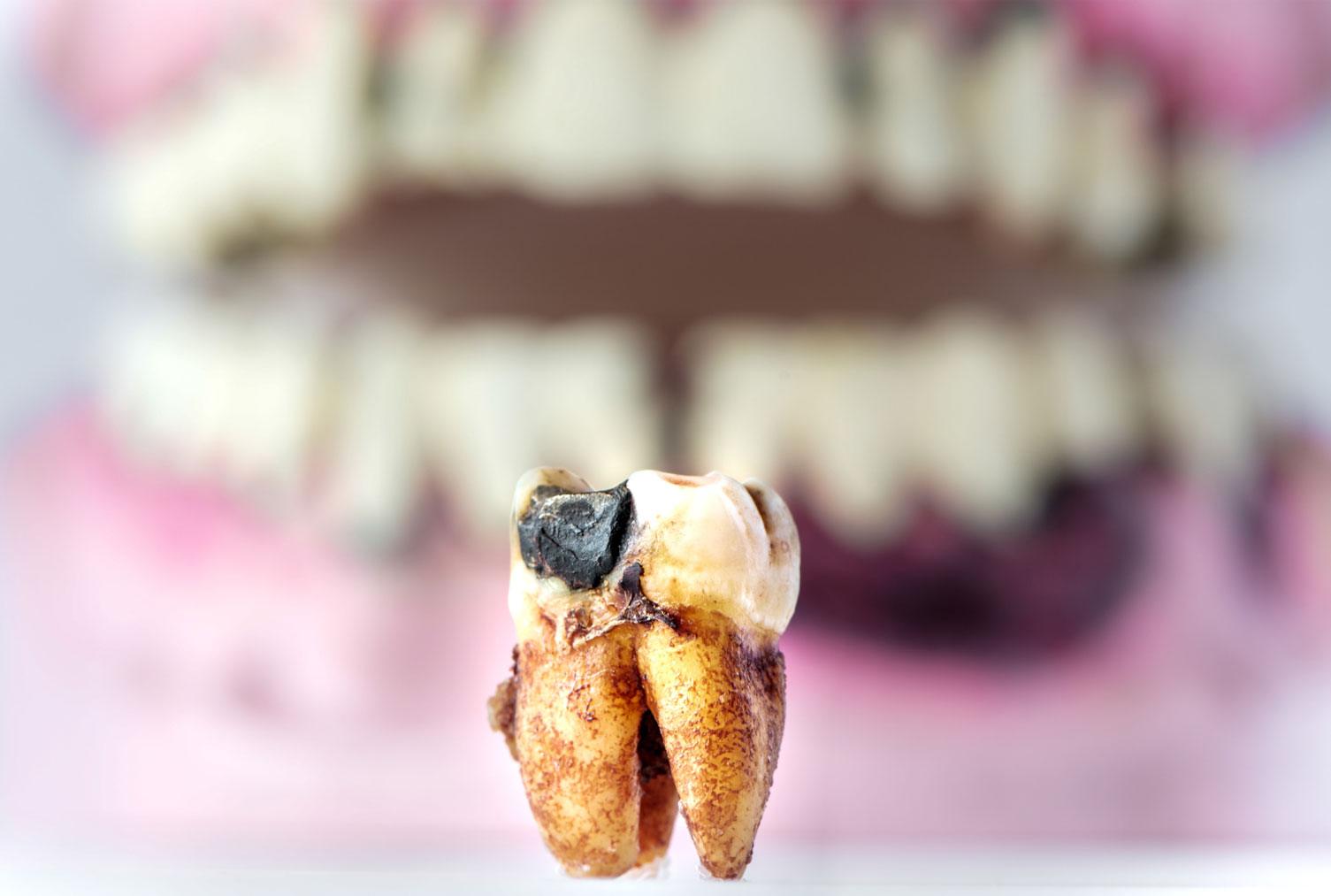
A cavity forms when acids produced by bacteria break down the tooth enamel. Over time, this creates small holes that can expand and reach deeper structures. If left untreated, it can lead to pain, inflammation, and even serious infections.
Recognizing it early is essential to avoid more complex treatments.

😷 Early Signs You May Have a Cavity
- White, brown, or dark spots on the tooth
- Sensitivity to cold, heat, or sweets
- Discomfort when chewing
- Persistent bad breath
- Spontaneous tooth pain
👉 If you notice any of these symptoms, acting quickly can prevent further damage.
💡 Modern and Biocompatible Options to Treat a Cavity
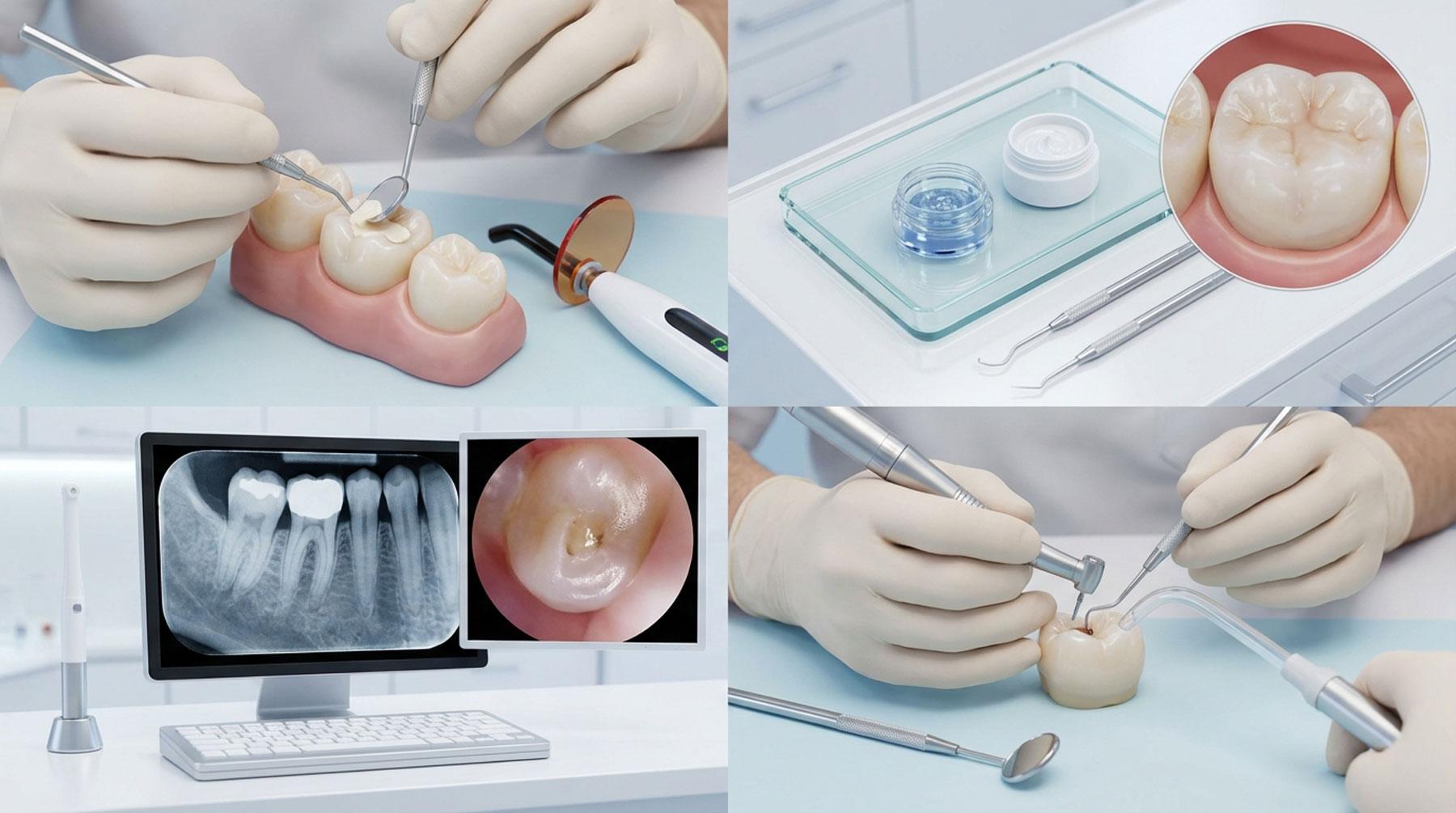
1. BPA-Free Composite Fillings
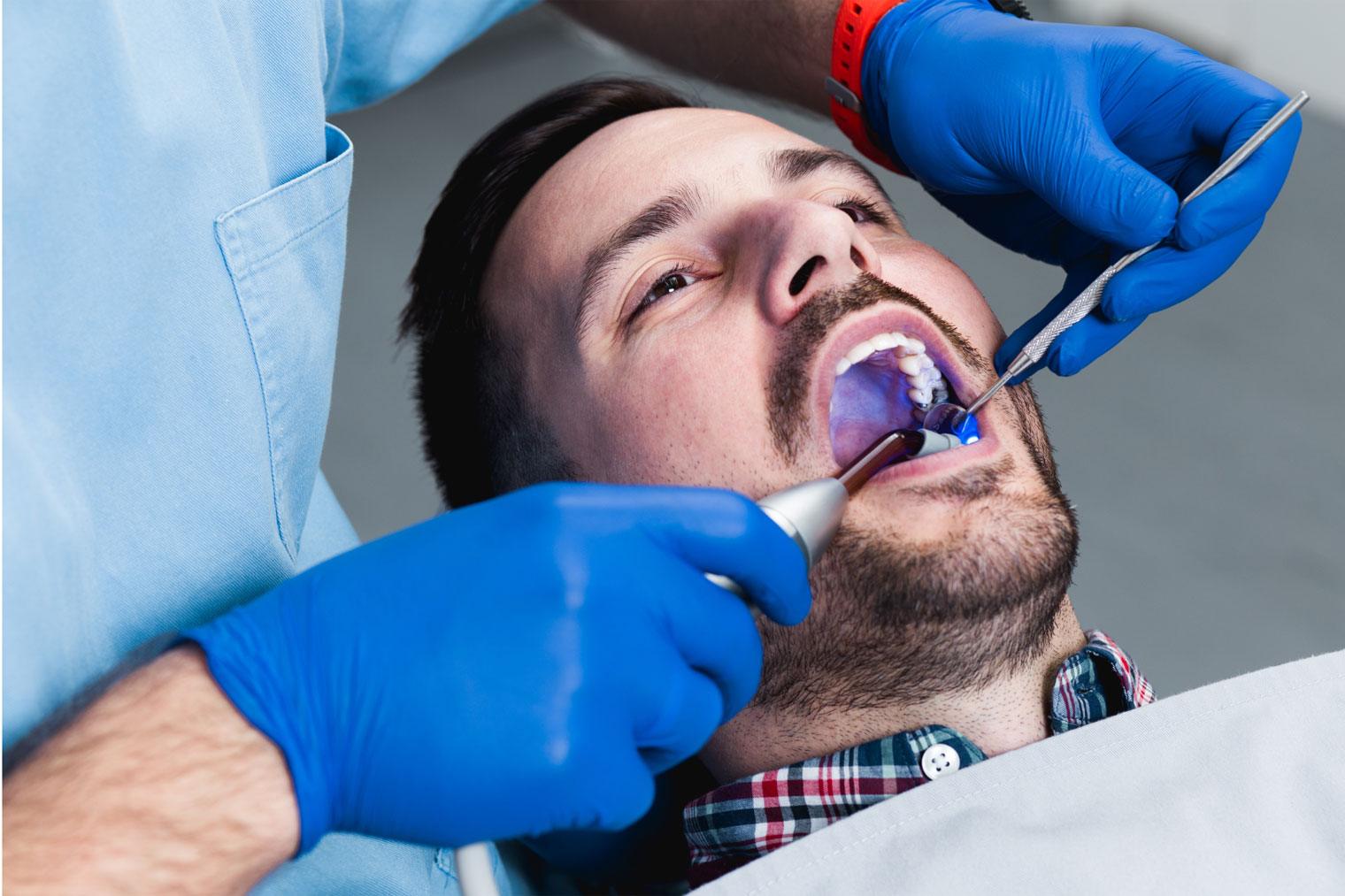
Biocompatible restorations repair your tooth safely without toxic materials.
2. Digital Diagnosis and Early Detection
Low-radiation X-rays and intraoral cameras help detect tiny lesions early, making treatment faster and less invasive.
3. Guided Remineralization
In early stages, cavities can sometimes be reversed through remineralization protocols that naturally strengthen enamel.
4. Conservative Restorations
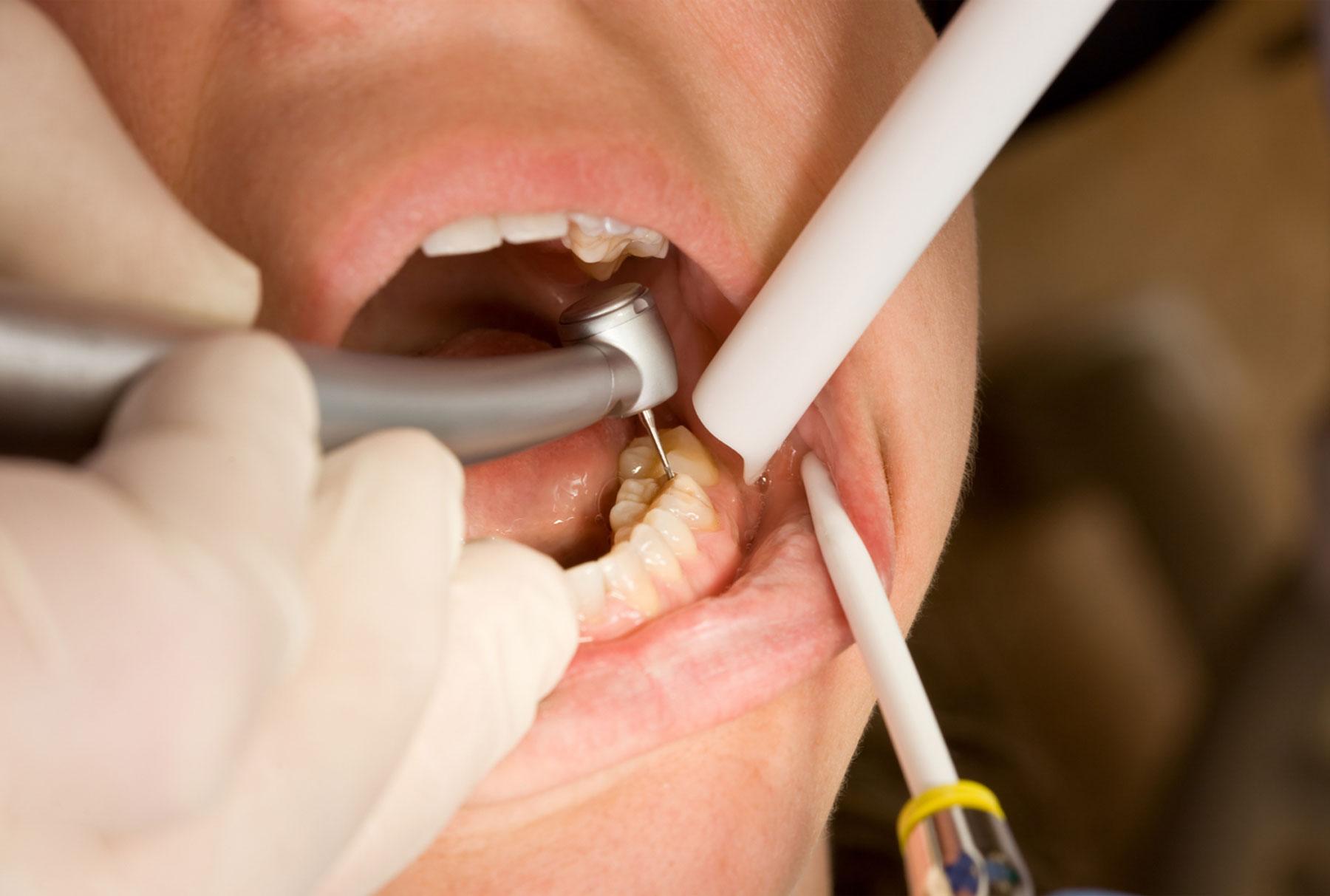
When damage is more advanced, minimally invasive restorations preserve as much natural tooth as possible.
🧠 Cavity & The Mouth–Body Connection
An untreated cavity affects more than the tooth. It can contribute to inflammation, digestion issues, and reduced energy. Treating it early protects your body from additional stress.
At Smiles for Health, we combine biocompatible dentistry with whole-body wellness to support your overall health.
🌿 How to Prevent Cavities in the Future
- Brush twice daily with fluoride toothpaste
- Floss every night
- Limit sugar and acidic drinks
- Schedule dental cleanings every six months
- Visit your dentist if new sensitivity appears
Prevention remains the most effective way to maintain long-term oral health.
🦷 When to See a Dentist Immediately
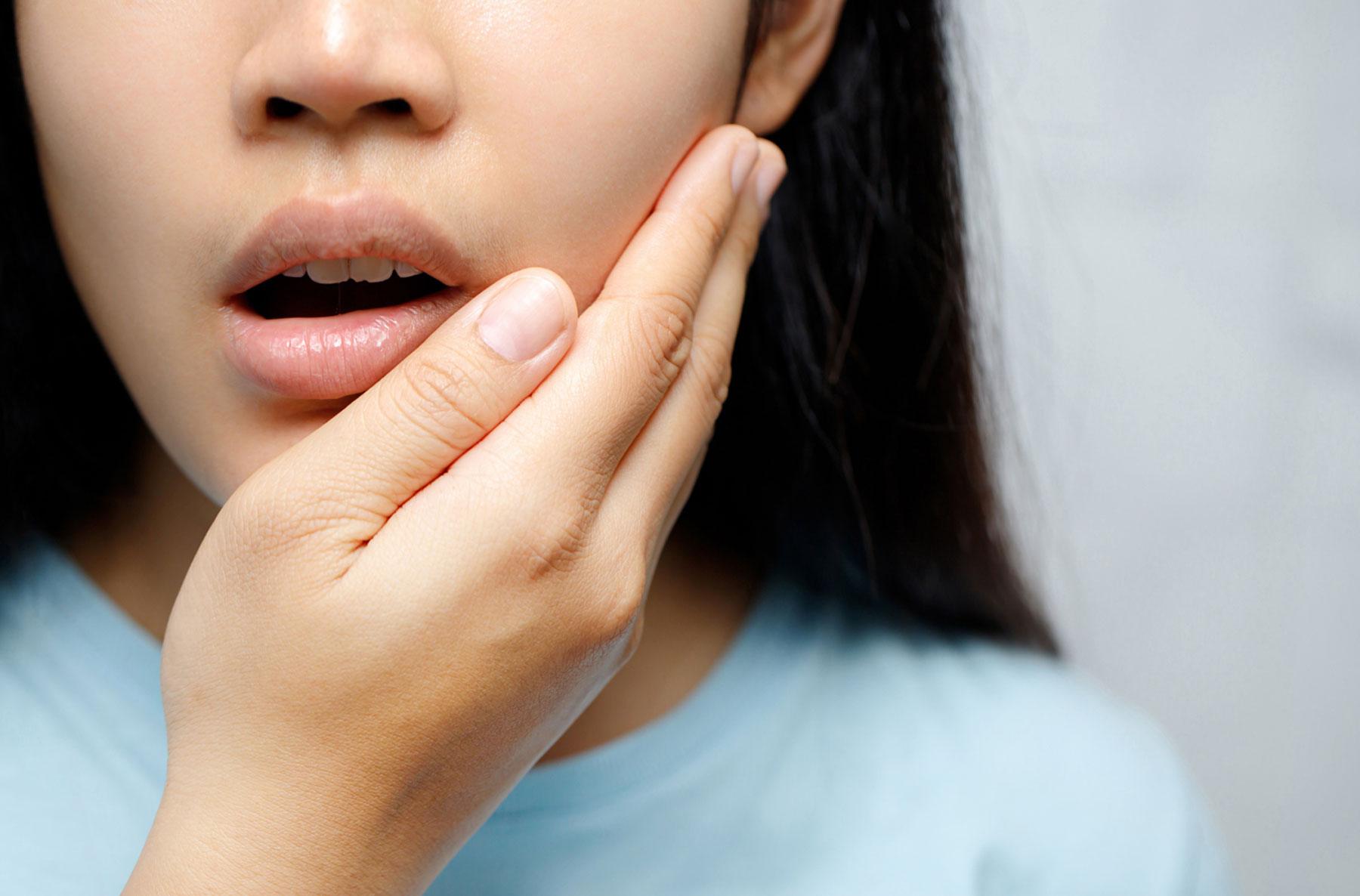
- Persistent or worsening pain
- Increasing sensitivity
- Gum or cheek swelling
- Pain when chewing
- Bad taste or ongoing bad breath
The sooner you act, the simpler and more comfortable the treatment will be.
💬 In Summary
Treating a cavity no longer means discomfort or fear. Today’s advanced, biocompatible options protect both your smile and your overall wellness. At Smiles for Health, we guide you through every step so you feel supported, safe, and confident again.
Frequently Asked Questions
Does treating a cavity hurt?
With modern techniques, most treatments are quick and very comfortable.
What happens if I ignore a cavity?
It can progress deeper, causing pain or infections that require more complex care
What steps should I take immediately after discovering a cavity?
Schedule a dental visit as soon as possible. Until then, keep the area clean, brush with fluoride toothpaste, floss gently, and limit sugary foods and drinks.
Can early tooth decay be reversed without drilling?
Sometimes, yes. If decay is caught early, fluoride and remineralizing care may help strengthen the enamel before a filling is needed. At Smiles for Health, we can evaluate how early the cavity is and recommend the most conservative option.
How can I treat a cavity with biocompatible dental materials?
That depends on how advanced the cavity is. At Smiles for Health, we can discuss tooth-colored, biocompatible options based on the tooth, the size of the cavity, and your smile needs.
What are the safest filling materials for cavities?
The best filling material depends on your tooth, your bite, and your treatment goals. Many patients prefer tooth-colored options that blend naturally with the smile, and we can help you choose the right one during your visit.
How do biocompatible dental treatments compare to traditional fillings in effectiveness?
Biocompatible materials can be a very effective option in the right case. The key is choosing the material that gives you the best balance of function, comfort, and appearance.
What products can help remineralize early tooth decay at home?
Fluoride toothpaste, good daily hygiene, and cutting back on sugar can help support early enamel repair. If the cavity is deeper, home care alone will not be enough, and a dental exam is the best next step.