

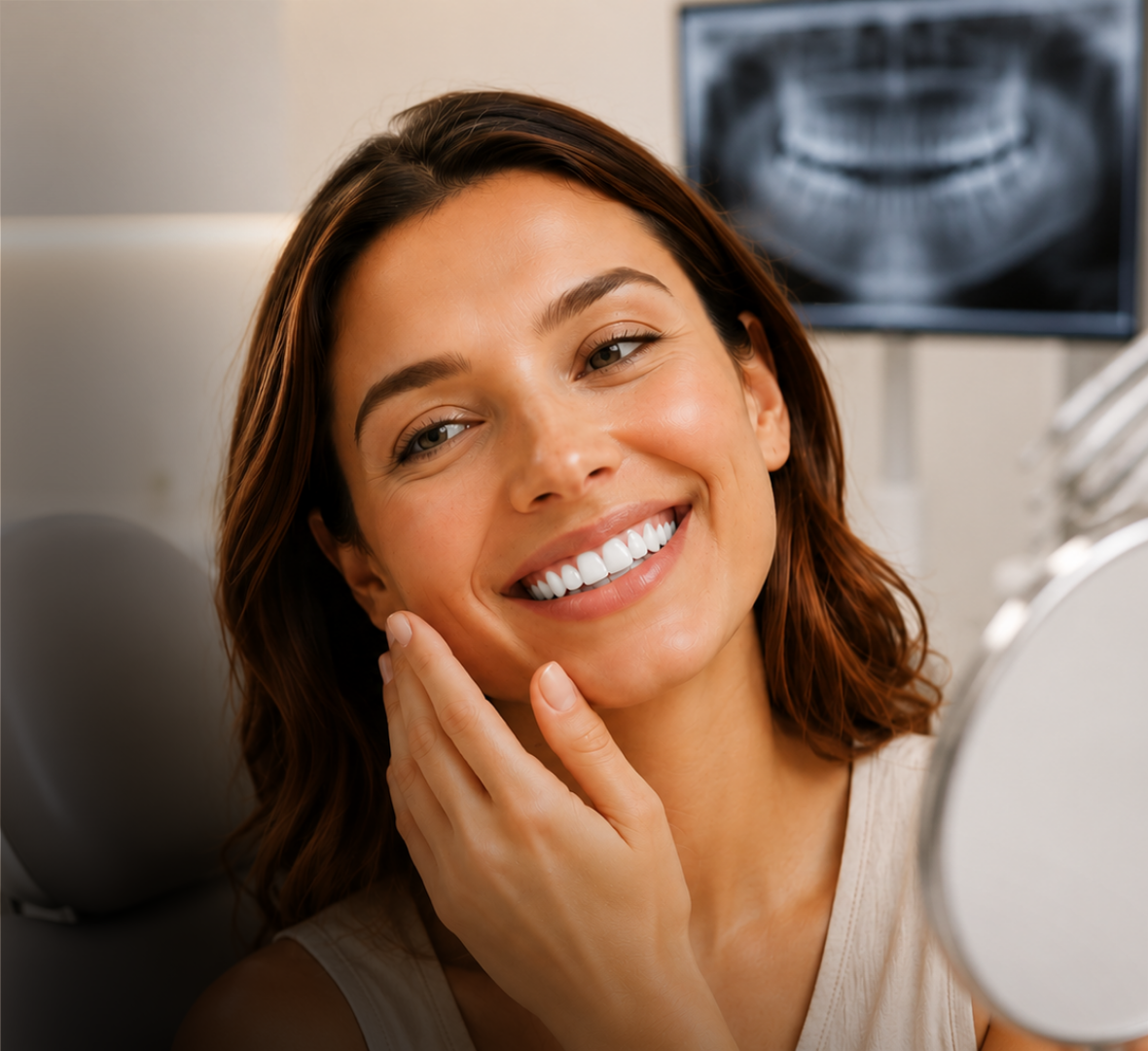

How Tooth Sensitivity Pain Actually Happens 🦷
If you’ve been asking why are my teeth sensitive, you’re not alone. In fact, sensitive teeth often react to hot, cold, sweet, or acidic foods when enamel wears down or gums recede, exposing dentin. The good news is that once you understand the cause of your tooth sensitivity, you can choose relief that actually lasts.
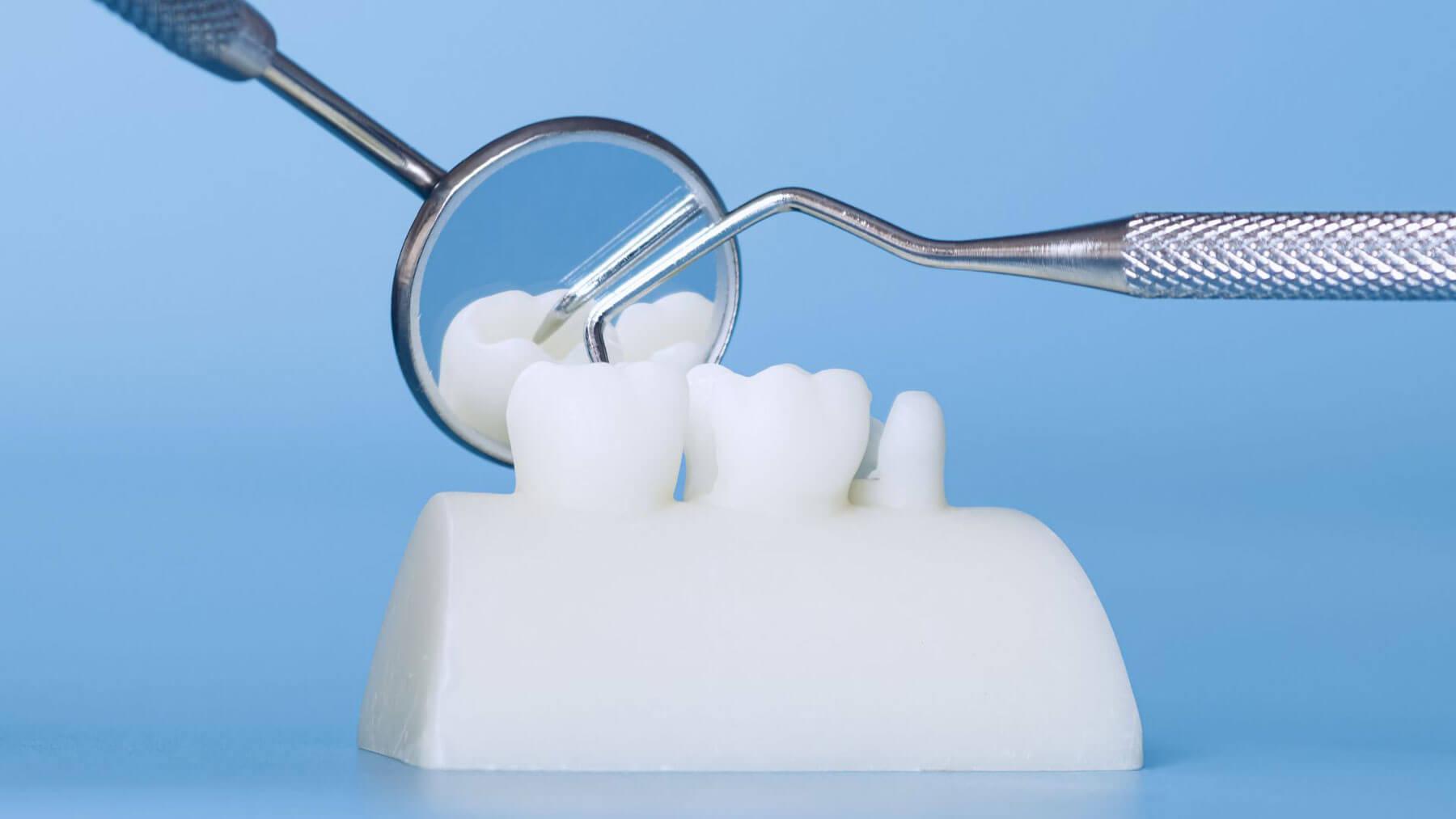
Common Causes Of Tooth Sensitivity (And Why They Hurt) ⚡
Because tooth sensitivity has multiple triggers, it helps to match the symptom to the cause. Below are the most common reasons people ask, why are my teeth sensitive, especially during daily routines like brushing or eating.
Enamel Erosion From Acid Or Wear 🍋
Enamel is tough, but it can wear down over time. For example, frequent sodas, citrus, sports drinks, and sour candies can soften enamel. In addition, brushing immediately after acidic foods can scrub enamel while it’s softened; instead, rinse with water first and wait about 30 minutes before brushing.
Aggressive Brushing Or Abrasive Toothpaste 🪥
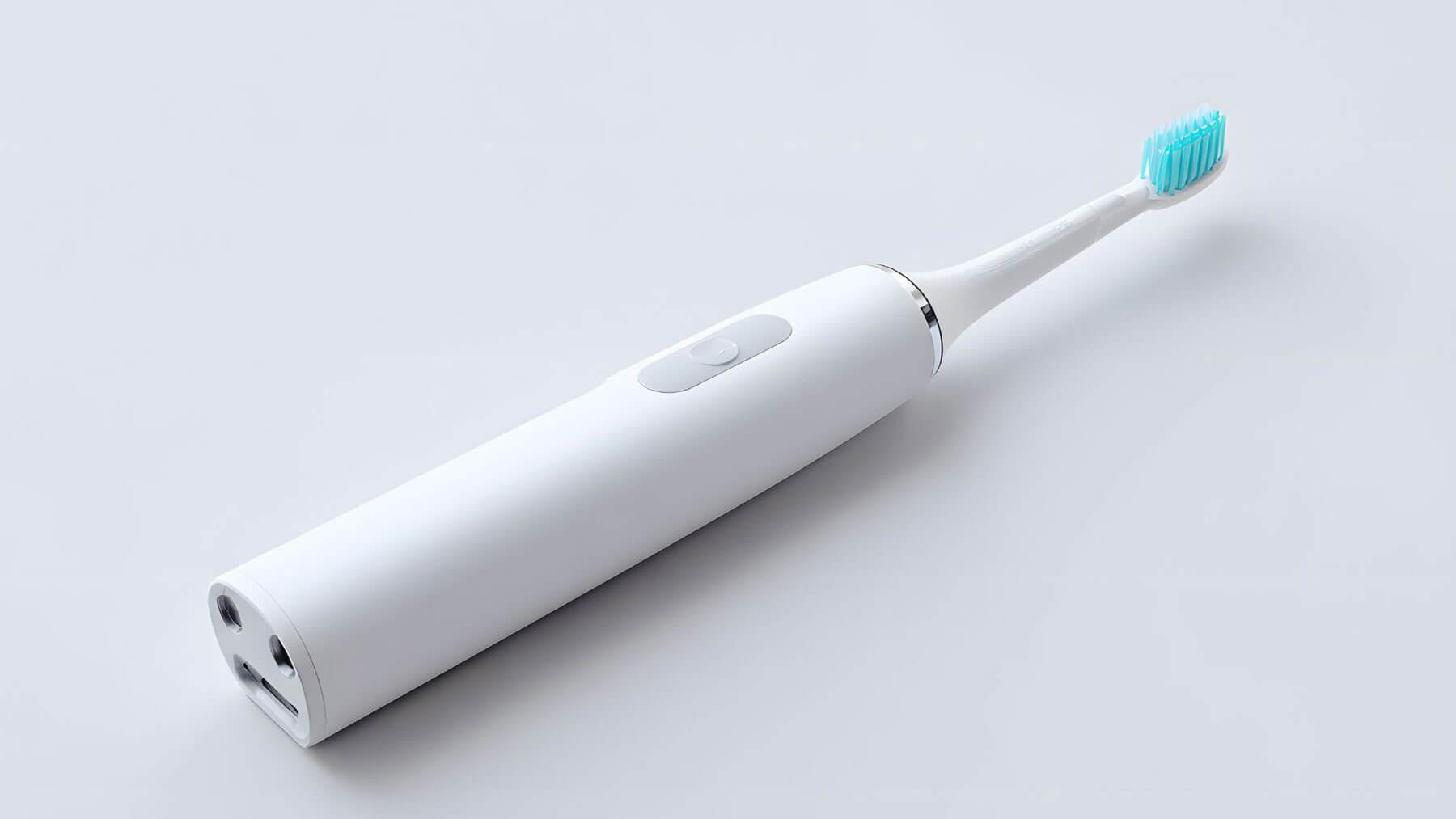
Brushing too hard (or using stiff bristles) can wear enamel and irritate the gumline. Similarly, some whitening toothpastes are more abrasive; therefore, if sensitivity is increasing, switching to a gentle formula can help.
Receding Gums Exposing Root Surfaces 🚩
When gums pull away, the root surface becomes exposed—and roots aren’t covered by enamel. Consequently, cold drinks and even air can trigger sensitivity. During exams and cleanings, we always check gum health because early changes are easier to manage.
Grinding Or Clenching (Bruxism) 😬
Nighttime grinding can flatten enamel and create tiny fractures. Meanwhile, the extra pressure can inflame the tooth’s nerve, which is why sensitivity can feel widespread. If this sounds familiar, a nightguard (and TMJ/TMD evaluation if needed) may reduce flare-ups.
Cracked Or Chipped Teeth 🧊
Even a hairline crack can let stimuli reach the inner layers. However, cracks aren’t always visible at home; therefore, persistent sensitivity—especially in one spot—should be examined.
Old Or Worn Fillings 🦷
Fillings can wear down or develop small gaps over time. As a result, bacteria and temperature changes can reach sensitive areas more easily. In other words, a “fine” old filling can still cause new sensitivity.
Recent Dental Procedures (Often Temporary) ✅
Sensitivity can happen after whitening, cleanings, or a new crown. Typically it fades within days to a couple of weeks; however, pain that worsens or lingers should be checked.
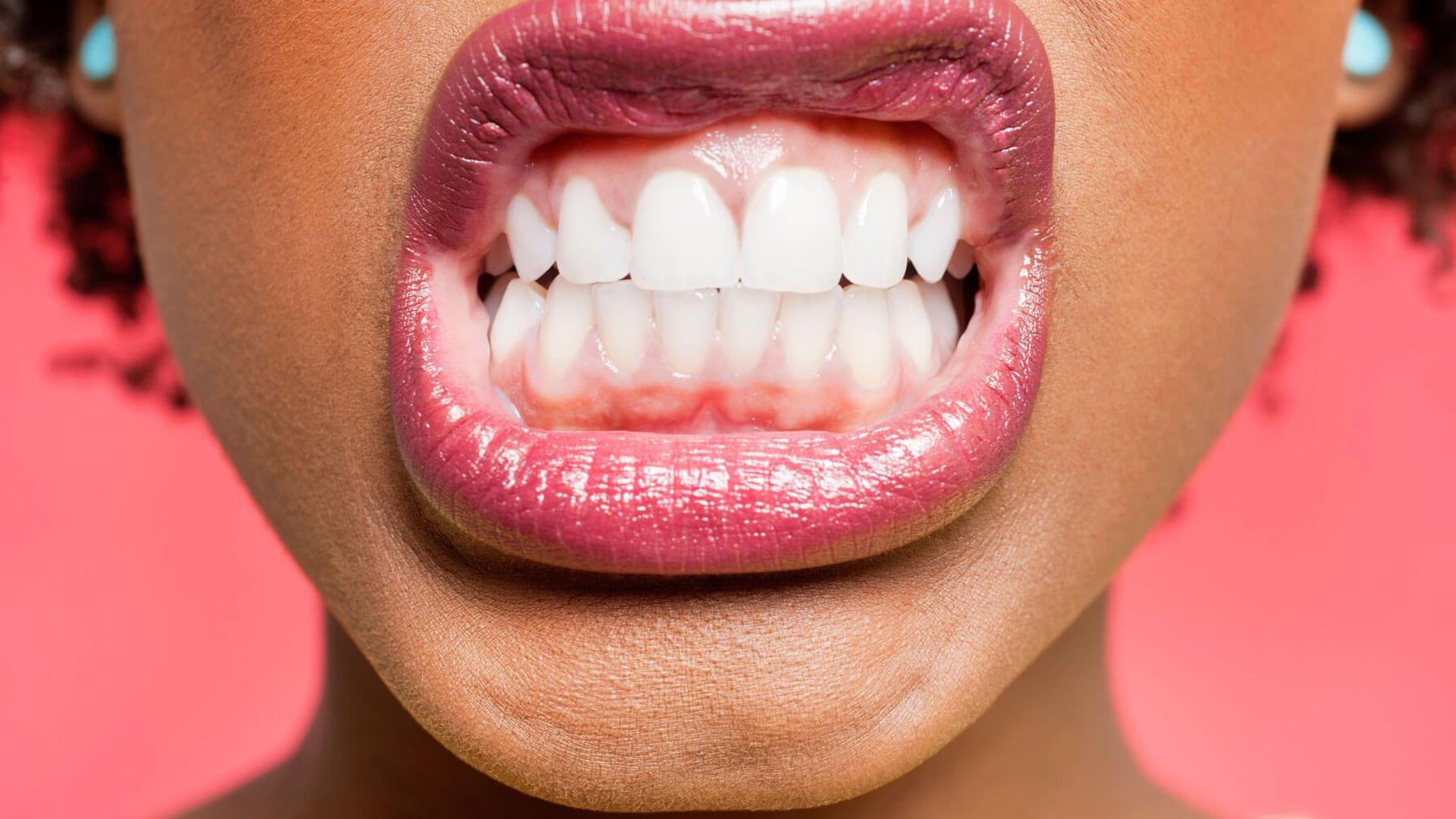
Is It Normal For My Teeth To Hurt After Brushing Or Eating? 🍽️
Occasional mild sensitivity can happen, but consistent pain after brushing or eating isn’t “normal.” For example, cold foods can create a quick nerve response (“thermal shock”) when dentin is exposed. Likewise, sweet or acidic foods can irritate open tubules; as a result, you may feel a sudden jolt.
If you’re thinking why are my teeth sensitive after brushing, two causes show up often: brushing too aggressively and gum recession. That said, cavities or cracks can feel similar—so a dental exam matters.

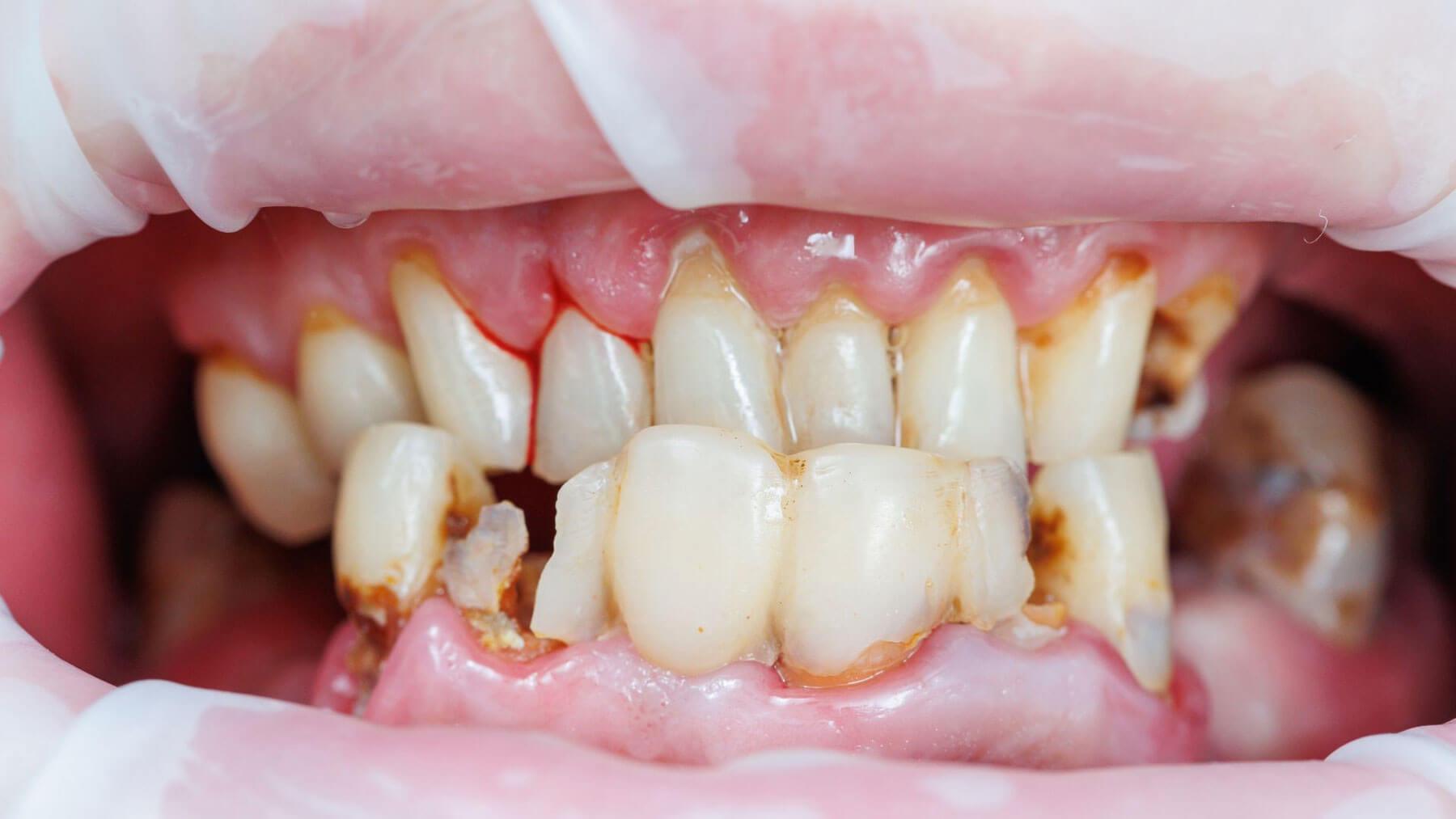
Can Cavities Or Gum Disease Cause Sensitive Teeth? Yes. 🚨
Absolutely. Cavities break through enamel and reach dentin; therefore, one tooth may feel sharply sensitive to cold or sweets. Gum disease can also cause gum recession; consequently, roots become exposed and sensitive.
If sensitivity comes with bleeding gums, swelling, bad breath, or pain when biting, it’s time to book a visit. Early care usually means simpler treatment, plus faster relief.
Could My Diet Be Making My Teeth More Sensitive? 🍋🥤
Yes—diet can be a major driver. Acidic foods soften enamel, and frequent sugar feeds bacteria that produce enamel-damaging acids. Instead of cutting everything, try small changes: rinse with water after acidic drinks, limit constant sipping, and balance with meals. In addition, don’t brush right after acidic snacks—wait a bit.

How Do I Know If My Tooth Sensitivity Is Serious? 🚩
Consider it urgent if you have:
- Pain that lingers longer than a few seconds
- Spontaneous or night pain 🌙
- Swelling, fever, pus, or a bad taste/odor
- Pain when biting or chewing
- Sensitivity that worsens over days instead of improving
In those cases, don’t wait—call your dentist so the problem doesn’t escalate.
The Best Way To Prevent Tooth Sensitivity Long-Term 🌿
Quick relief matters; however, lasting comfort comes from prevention and early treatment. Here’s what helps most:
- Gentle brushing with a soft-bristle brush
- Daily fluoride support (to strengthen enamel)
- A sensitivity toothpaste if you’re prone to “zings”
- Managing grinding with a nightguard if needed
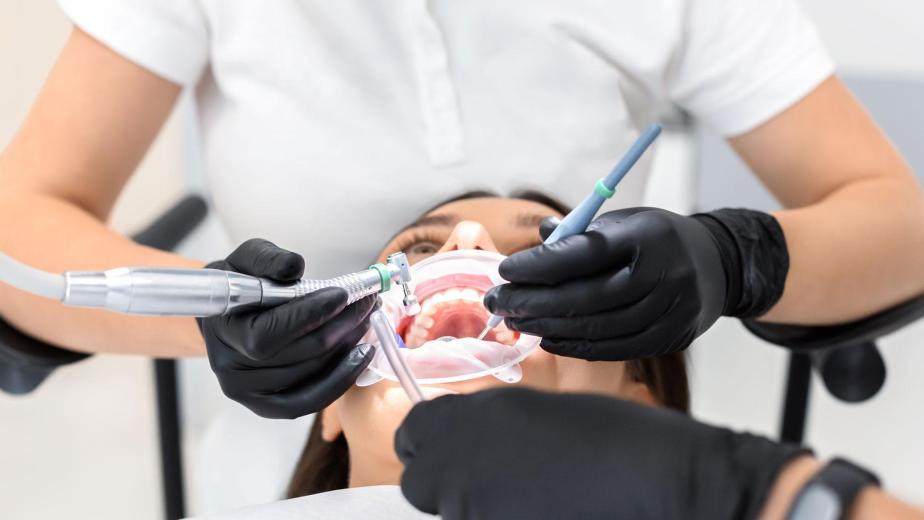
- Regular exams and cleanings to catch issues early
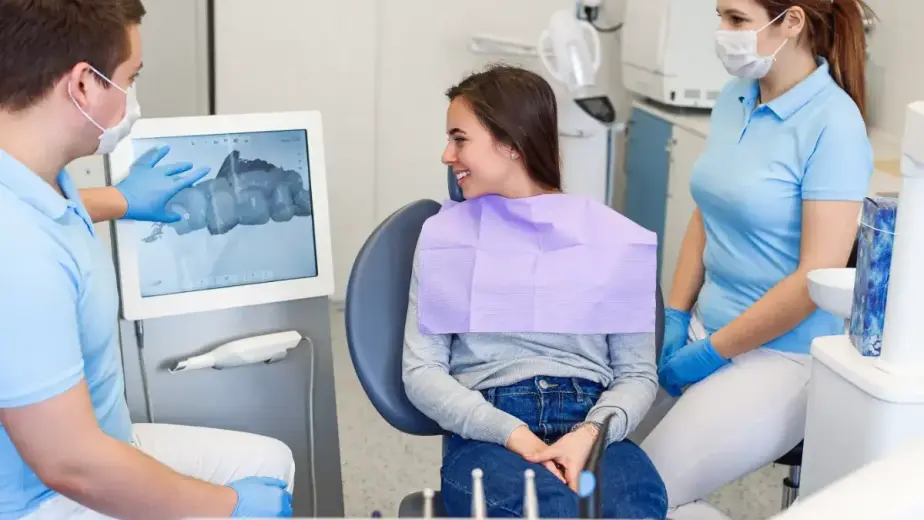
At Smiles for Health DDS in Carlsbad, we’ll identify the root cause and create a plan that fits your life—so you’re not stuck wondering, why are my teeth sensitive, every time you drink something cold. 💛
Frequently Asked Questions
Why are my teeth sensitive to hot and cold foods?
Usually, exposed dentin or enamel erosion lets temperature changes reach the nerve; therefore, sensitivity spikes with hot or cold foods.
What are the most common causes of tooth sensitivity?
Most often it’s enamel wear, gum recession, cavities, or cracks; in other words, the tooth’s protective barrier is compromised.
Can gum disease cause tooth sensitivity?
Yes—because gum disease can expose roots, sensitivity increases; as a result, treating the gums often reduces discomfort.
Does brushing too hard contribute to sensitive teeth?
Yes—aggressive brushing can wear enamel and irritate gums; therefore, a soft brush and gentle technique help prevent flare-ups.
Can teeth whitening products increase sensitivity?
Yes—some whitening ingredients can trigger temporary sensitivity; however, using them correctly (or with professional guidance) lowers the risk.
How does tooth decay lead to sensitivity?
As cavities reach dentin, stimuli travel closer to the nerve; consequently, cold, sweet, or pressure can cause sharp pain.
How do I know if my sensitivity is serious enough to see a dentist?
If sensitivity persists, worsens, or comes with swelling or night pain, then you should schedule an evaluation promptly.


0 Comments