Professional Teeth Whitening vs At-Home Whitening
Teeth whitening has become one of the most popular cosmetic dental treatments. However, not every method delivers the same result—or the same level of safety. Some are safe and effective, while others can damage enamel, irritate gums, or simply fail to whiten your teeth at all. That´s why, understanding the difference between professional teeth whitening and at-home options helps you make a confident, informed choice.
At Smiles for Health in Carlsbad, we focus on treatments that brighten your smile while also protecting your long-term wellness. That’s why choosing the right whitening method matters more than people realize.
🧩 What Is Teeth Whitening and How Does It Work?
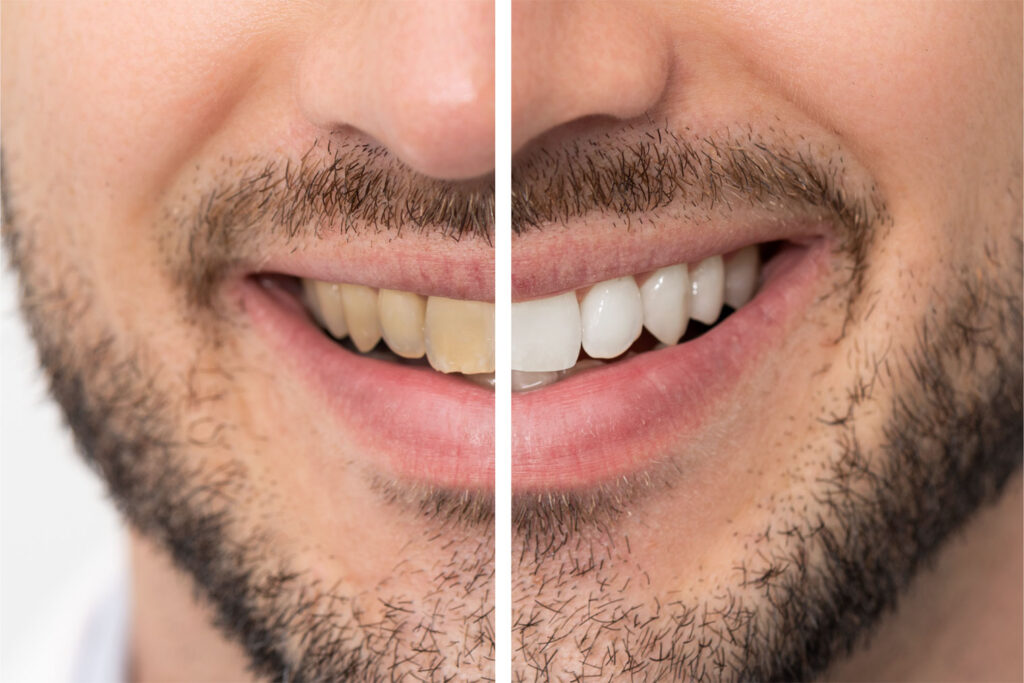
Teeth whitening uses peroxide-based agents to lift stains from the enamel and dentin layers of your teeth. While both professional and at-home products use similar ingredients, the strength, safety, and precision of each method are very different.
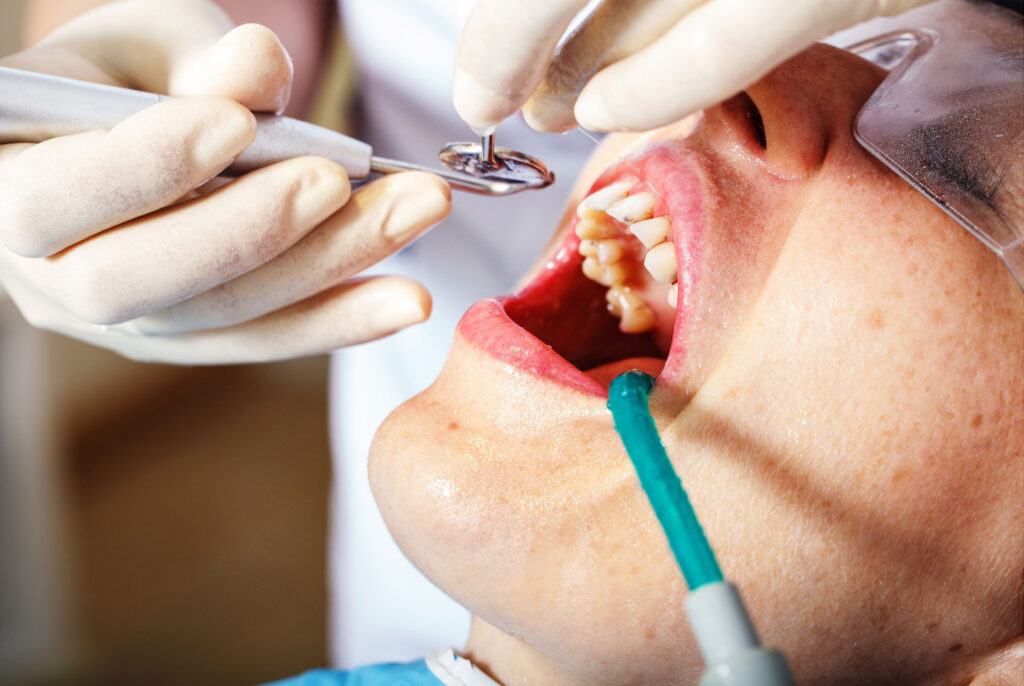
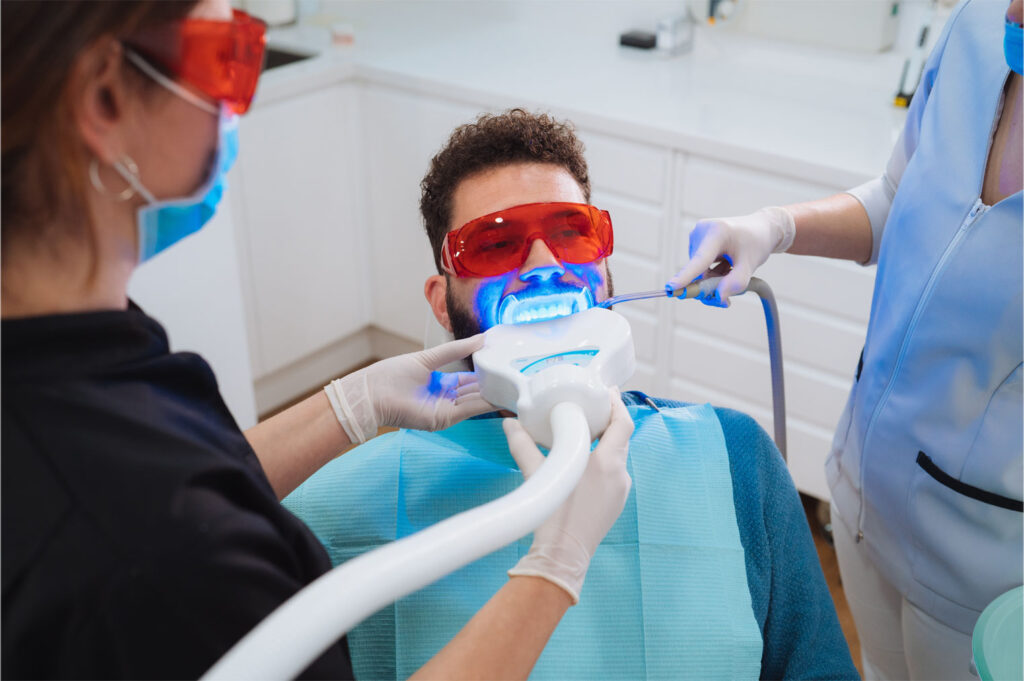
With Professional whitening treatments are applied and monitored by trained dental professionals. As a result, they use controlled, enamel-safe formulas and techniques to achieve results quickly and safely.
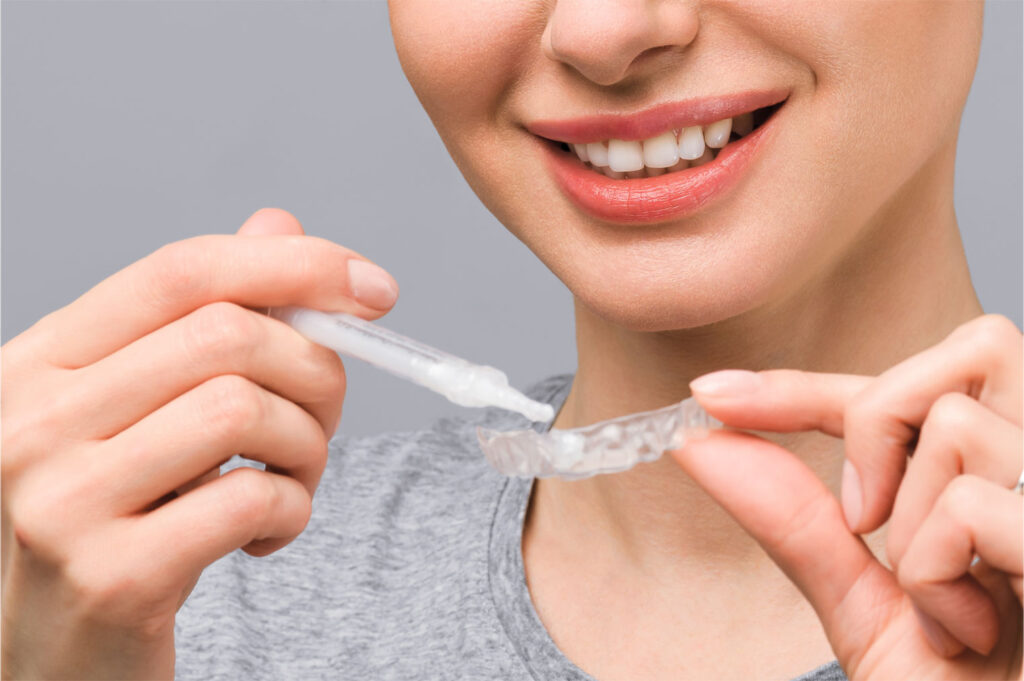
In contrast At-home whitening kits vary widely in quality, strength, and safety. As a result, outcomes can be unpredictable — especially without supervision.
💡 Key Advantages of Professional Teeth Whitening
1. Faster, More Noticeable Results With Professional Teeth Whitening
Professional whitening delivers dramatic results in a single appointment. Because the formulas are stronger and expertly applied, your smile can brighten several shades safely and predictably.
2. Safer for Enamel and Gums
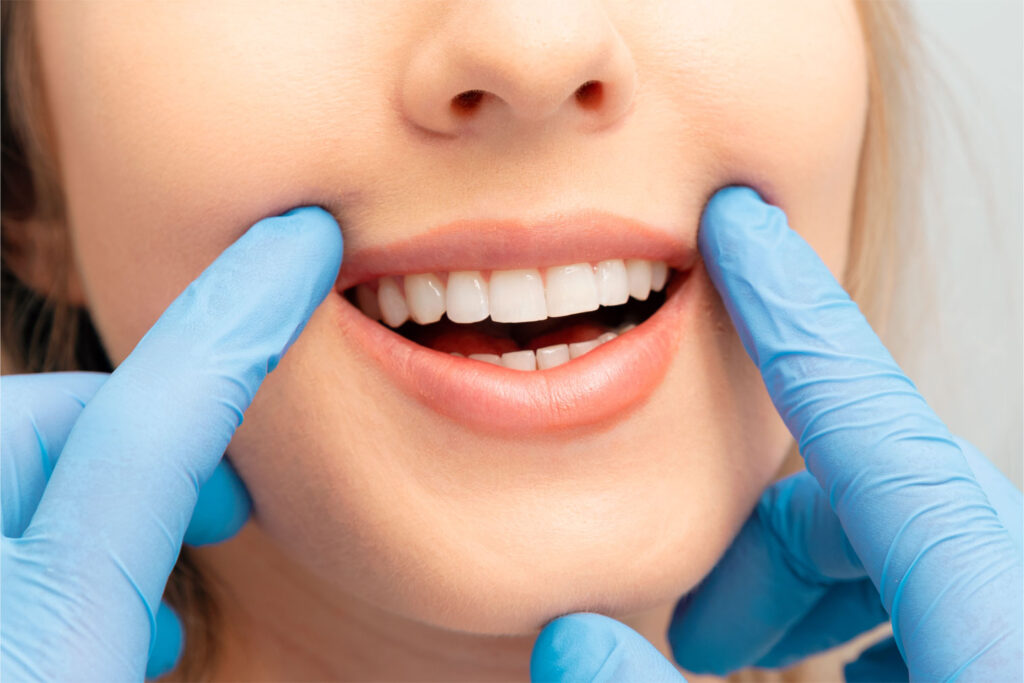
A dental team uses protective barriers and careful application. Therefore, you reduce the risk of chemical irritation and sensitivity spikes that happen when gel touches the gums.
3. Customized for Your Smile
Every smile starts at a different shade. In addition, some people have deep stains, while others have surface staining. For that reason, professional whitening adapts to your needs—so the final result looks bright but still natural.
😬 The Risks of At-Home Whitening
At-home whitening can feel convenient. However, it comes with downsides that patients often don’t expect:
- Uneven whitening due to poor tray fit
- Higher risk of gum irritation
- Increased sensitivity from overuse
- Products with weak or ineffective formulas
- Potential enamel damage from unregulated ingredients.
Because no professional is monitoring your results, it’s easy to misuse these products — even when following the instructions.
🧠 Why Whitening Isn’t Just About Cosmetics
A bright smile isn’t only about appearance. In fact, whitening done correctly supports long-term oral health.
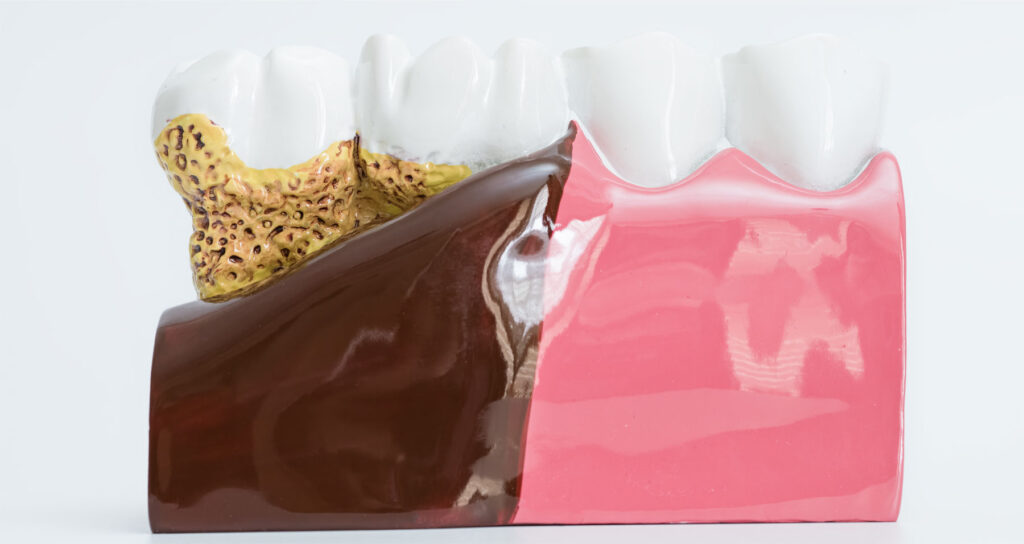
Did you know that clear aligners can do much more than straighten your smile? For example, when teeth are misaligned, they can create extra stress on your bite—leading to worn-down enamel, gum recession, and even tooth sensitivity. This is especially common if you grind or clench your teeth.
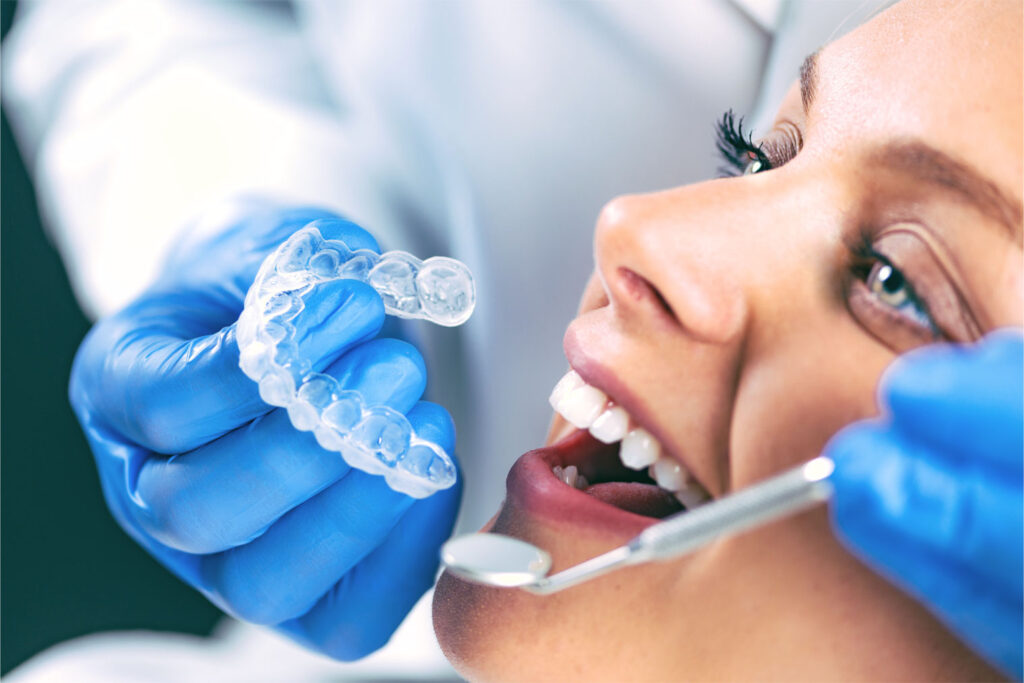
As a result, clear aligners help correct these issues by guiding your teeth into a healthier position, reducing stress on your gums and jaw. In addition, they can make brushing and flossing easier, reduce plaque buildup, and even improve TMJ symptoms.
🌿 Professional Teeth Whitening and Our Wellness Approach
At Smiles for Health, whitening is more than a cosmetic service — instead, it’s part of our Wellness Dentistry philosophy. That means we focus on biocompatible materials, enamel protection, and long-term oral harmony.
A brighter smile should never come at the cost of your dental health. That’s why professional whitening remains the safest, most predictable option.
🦷 When to Choose Professional Whitening Over At-Home Methods
Choose professional whitening if you:
- Want fast, noticeable results
- Have sensitive teeth
- Have deep or stubborn stains
- Grind or clench your teeth
- Want predictable, supervised treatment
- Prefer a safer, wellness-focused approach
While at-home whitening can help maintain brightness, it still rarely matches the effectiveness and protection of a professionally guided treatment.
💬 In Summary
Professional teeth whitening offers powerful results, greater safety, and long-lasting brightness — all while protecting your enamel and overall oral wellness. At-home methods may seem appealing, still they often lack precision, strength, and safeguards.
At Smiles for Health, we help you choose whitening options that support both your confidence and your long-term health.
🦷 Ready to brighten your smile safely?
Frequently Asked Questions
Does professional teeth whitening cause sensitivity?
Yes, temporarily; however, it’s usually mild and short-lived, and we can adjust the protocol if needed.
Can I whiten my teeth if I’ve already tried at-home methods?
Yes; however, we’ll check your enamel and gums first, then tailor whitening or add remineralizing support.
How to stop wisdom tooth pain quickly at home until I see a dentist?
Use cold compresses, saltwater rinses, and OTC pain relief; however, lasting relief often needs professional care.
Why does chewing food make me wonder how to stop wisdom tooth pain?
Because it irritates swollen gums; therefore, reduce pressure and stick to soft foods.
How long do remedies for impacted wisdom tooth usually provide relief?
A few hours at most; in contrast, lasting relief often requires definitive treatment.
Can stress make me need more wisdom tooth pain relief?
Yes; therefore, relaxation can help, since stress can intensify pain perception.
Can wisdom tooth pain spread to the jaw or ear?
Yes, pain often radiates to nearby areas like the jaw, ear, or even the head.
Can poor oral hygiene make remedies for impacted wisdom tooth less effective?
Yes, trapped bacteria worsen pain, making relief harder to achieve.
How often should I switch my aligners?
Typically every one to two weeks, depending on your dentist’s evaluation and the progress of your treatment.
Are clear aligners as effective as braces?
Yes. In most cases, Invisalign delivers results comparable or superior to traditional braces when patients follow their treatment plan consistently.