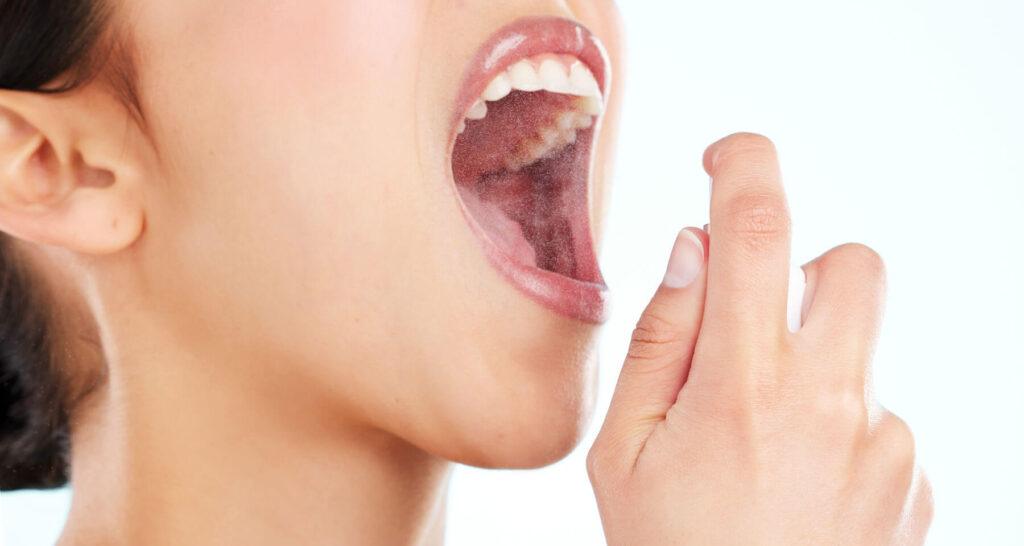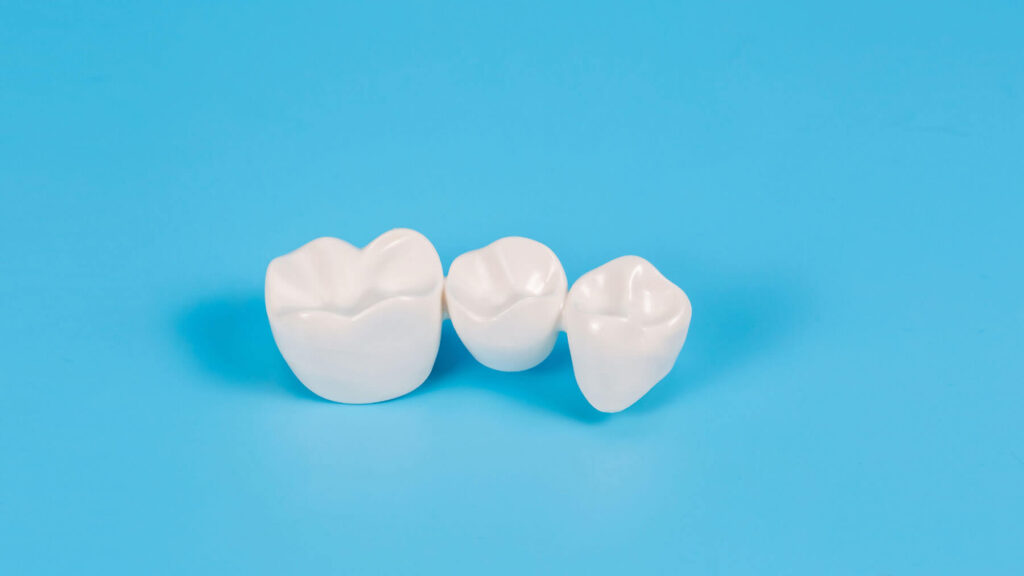
If you’re trying to stop wisdom tooth pain, you’re not alone—this is one of the most common “back of the jaw” emergencies we see. Wisdom teeth can get stuck, partially erupt, or trap bacteria under a gum flap; as a result, pain can feel sharp, throbbing, or constant. However, the best relief depends on the cause, so the first step is recognizing what’s driving the flare-up.

Stop Wisdom Tooth Pain: The Most Common Causes
Most wisdom tooth pain comes from impaction, meaning the tooth doesn’t have enough room to come in normally. Therefore, it can push against the tooth next to it, irritate the gums, and create pressure that radiates into your jaw.
Another common cause is pericoronitis, which can happen when a wisdom tooth partially erupts and leaves a gum flap that traps food and bacteria. As a result, you may notice swelling, redness, a bad taste, or pain that feels “hot” and inflamed. In addition, wisdom teeth are harder to clean, so cavities and decay can also trigger sensitivity to hot/cold or pain when biting.
Stop Wisdom Tooth Pain at Home: What Helps First
Home care can calm symptoms short-term; however, it won’t fix an impacted tooth or an active infection. These options are often the most helpful for a flare:
🧂 Warm Saltwater Rinse
Gently rinse with warm saltwater to soothe irritated tissue and reduce surface bacteria. Therefore, it can feel cleaner and less swollen for a while.
🧊 Cold Compress (Outside the Jaw)
Use a cold compress 15–20 minutes at a time to reduce swelling and numb discomfort. In addition, it can help if the area feels “tight” or inflamed.
💊 OTC Pain Relief (As Directed)
Ibuprofen can reduce inflammation, while acetaminophen can help with pain. Still, follow label directions and avoid doubling up unless your provider tells you it’s safe.
🌿 Clove Oil (Short-Term Numbing)
A tiny amount may dull pain briefly; however, it’s only a temporary comfort step.
Mayo Clinic overview of toothache/symptom guidance and when to seek care.

When It’s a “Don’t Wait” Situation
Some wisdom tooth pain is manageable for a day or two; however, certain symptoms suggest infection or a deeper issue that needs urgent care.
🚩 Call a dentist ASAP if you have:
- Swelling that’s spreading (jaw, cheek, or neck)
- Fever, chills, or feeling run-down
- Difficulty swallowing or opening your mouth
- Bad taste/pus, or pain that worsens instead of improving
- Pain that wakes you up or doesn’t respond to OTC meds
MedlinePlus patient info on dental infections/abscess basics.

Stop Wisdom Tooth Pain Long-Term: When Extraction Is the Best Fix
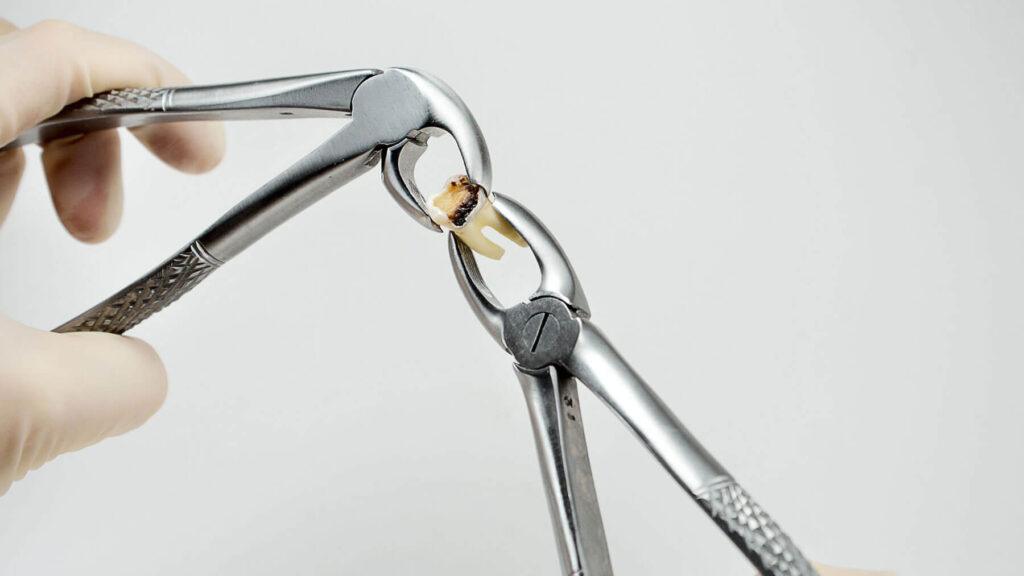
If the tooth is impacted, repeatedly infected, or damaging neighboring teeth, extraction is often the most reliable long-term solution. Therefore, instead of chasing flare-ups, you remove the source of the pressure and inflammation. In addition, early treatment can prevent crowding, cavities on the back molars, and recurring gum infections.
How Smiles For Health Treats Wisdom Tooth Pain
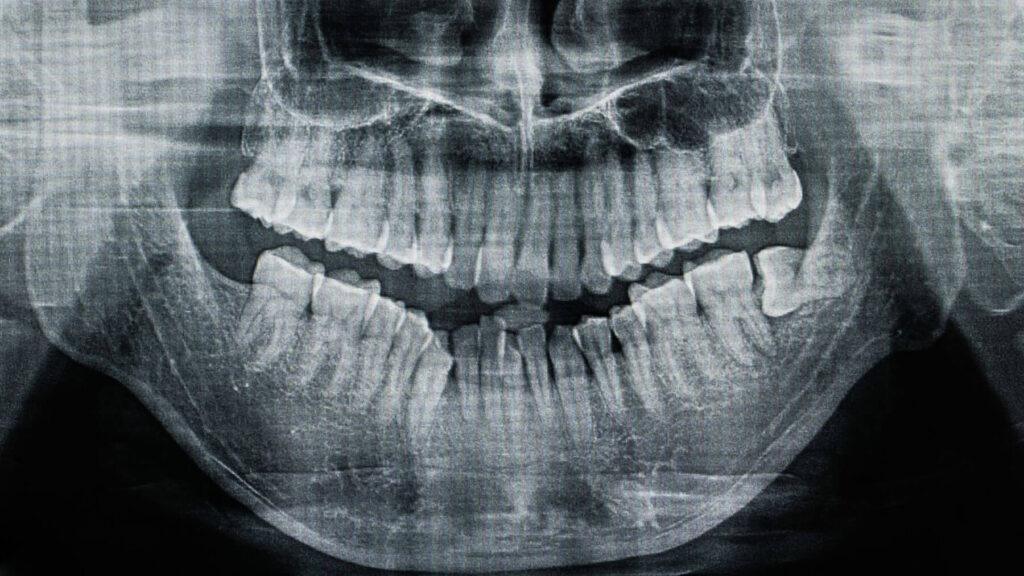
We start with an exam and X-rays to see the tooth position and gum/bone health. Then we recommend the least stressful plan that solves the cause—whether that’s cleaning an inflamed gum area, treating decay, or planning a comfortable extraction. That said, if you’re anxious, ask us about comfort options so you can get care without white-knuckling it.
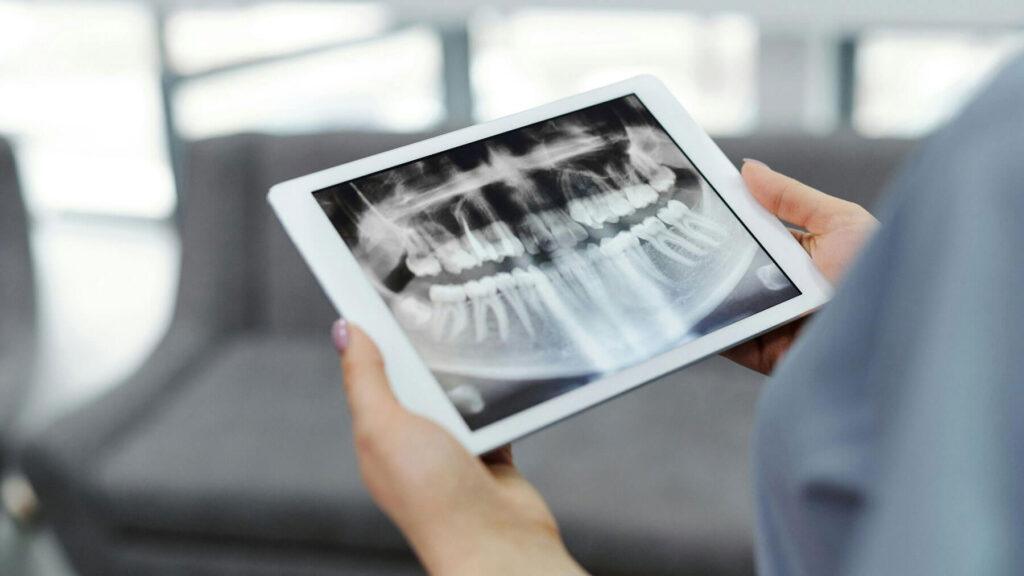
If you need to stop wisdom tooth pain and you’re not sure what’s causing it, schedule an appointment with Smiles For Health in Carlsbad, CA. We’ll pinpoint the source and get you relief with a plan that makes sense.
Frequently Asked Questions
What’s the fastest way to calm wisdom tooth pain at home?
Try a cold compress and warm saltwater rinses; moreover, OTC pain relief can help as directed.
Why does the pain flare up when the tooth is partially erupted?
Because bacteria and food can get trapped under the gum flap; therefore, inflammation builds quickly.
How do I know if it’s infection and not “normal soreness”?
Fever, spreading swelling, or a bad taste are key clues; consequently, you should get checked soon.
Does clove oil actually help?
It can numb briefly; however, it won’t treat the source of the problem.
Can antibiotics fix wisdom tooth pain permanently?
They may reduce infection temporarily; still, impacted teeth often need definitive treatment.
When is extraction usually recommended?
If you have repeat infections, impaction, or damage to nearby teeth; therefore, removal prevents ongoing flare-ups.
What should I eat during a flare?
Stick to soft foods and avoid crunchy or spicy items; moreover, chew on the opposite side.
How soon should I schedule an exam?
If pain lasts more than a couple days or worsens; in other words, earlier is usually easier.