Electric Toothbrush vs Manual: Best Options for Children and Adults
The best toothbrush for you can change throughout your life and may also depend on whether you are going through dental treatment. That’s why comparing an electric toothbrush vs manual toothbrush by age group is helpful.
Many dentists recommend electric toothbrushes for children, especially when a parent still helps with brushing or when kids are becoming independent brushers. Most experts suggest bringing your child to the dentist around age one. At those visits, your child’s dentist can tell you when to start using an electric toothbrush to clean their teeth.
Studies show that teens who use an electric toothbrush tend to brush longer and have less plaque. Electric, sonic, or powered toothbrushes are clinically proven to be more effective than a manual brush in keeping gums and teeth healthy.
Many dentists recommend a sonic electric toothbrush because the brush does most of the work for you. All you need to do is move it around your mouth and avoid applying too much pressure, since pressing too hard can damage gums. Sonic toothbrushes move much faster than oscillating brushes, so you simply place the brush head on the three surfaces of each tooth to get a good clean.
After dental surgery, however, you may need to use a special toothbrush for a few weeks. In many cases, a manual soft toothbrush with extra-fine bristles is the most comfortable option while you heal.
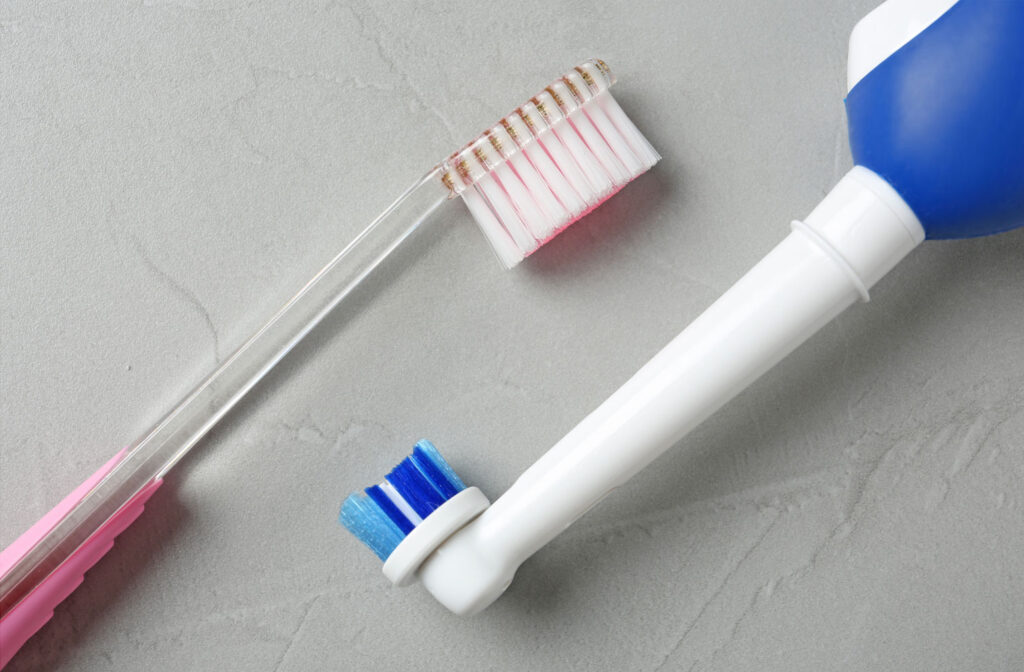
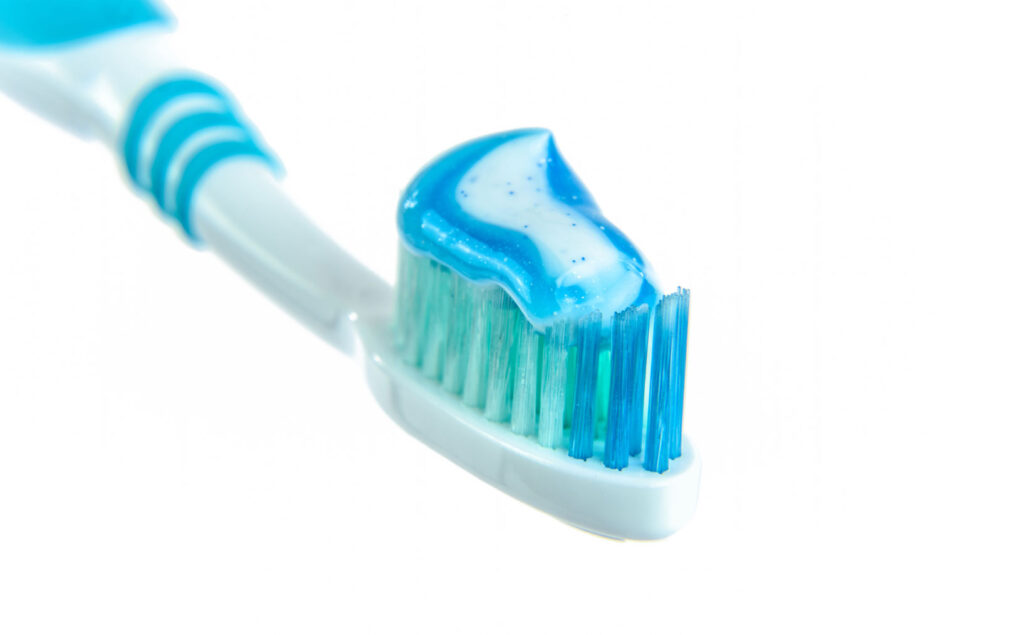
🪥 Manual Toothbrush: Pros and Cons
Price point
Manual toothbrushes are very affordable. Most range between $0.80 and $15 depending on the make and model.
Effectiveness
Manual toothbrushes rely completely on your brushing technique to work well. The type of manual brush you choose is crucial. If you use a manual toothbrush, make sure it has soft bristles. Pressing too hard can damage your gums and the root surfaces of your teeth if they are exposed.
Functions
Manual toothbrushes get the basic job done. They are useful when you’re on a tight budget, as a backup in your car or at work, or when you’re traveling. Most models don’t vary much from one brand to another.
Accessibility
Handles on manual toothbrushes are often narrow. This can be a challenge for people with arthritis in their hands or with neurological or musculoskeletal conditions that affect dexterity.
Sustainability
Manual toothbrushes can be more sustainable than many electric options. Some manual brushes have detachable heads, and bamboo toothbrushes are often considered among the most eco-friendly choices.
⚡ Electric Toothbrush: Pros and Cons
Price point
Electric toothbrushes typically range between $5 and $200 depending on the make and model.
Effectiveness
Most dentists agree that an electric toothbrush vs manual toothbrush generally removes more plaque and keeps your teeth and gums healthier, especially if you struggle with technique or consistency.
Functions
Electric toothbrushes offer a range of features that vary by model. Some include built-in timers to ensure you brush long enough. Others have pressure sensors that warn you when you brush too hard.
Accessibility
Electric toothbrushes can make oral hygiene easier for people with disabilities, reduced dexterity, or caregivers assisting loved ones. Because the brush head does much of the work, the time and effort needed to brush effectively is often less than with a manual brush.
Sustainability
Electric toothbrushes are not the most sustainable oral care option because of batteries, chargers, and plastics. However, they often require less water while brushing compared with manual brushes.
😄 So… Electric vs Manual Toothbrush?
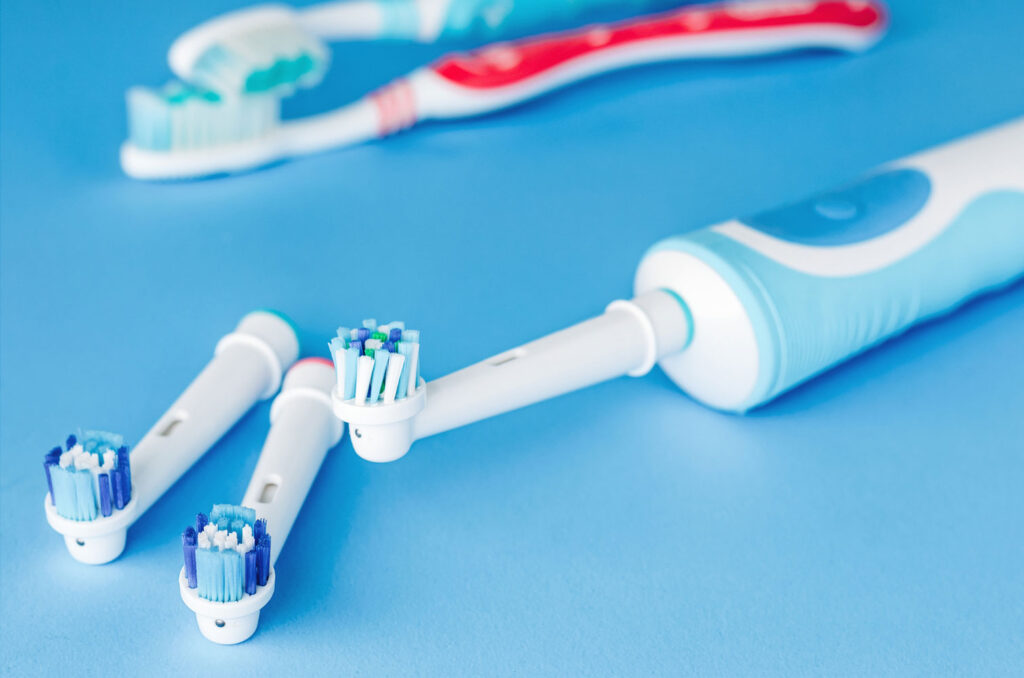
Both electric toothbrushes and manual toothbrushes can keep your teeth healthy if you use them correctly and consistently. Electric models can give extra help with plaque removal, technique, and motivation, while manual brushes remain affordable, simple, and travel-friendly.
At Smiles For Health, we can help you choose the best toothbrush for your age, lifestyle, and dental needs so you can smile with confidence.