Dental sealants have become an important part of modern preventive dentistry. These simple coatings help protect vulnerable chewing surfaces from tooth decay, especially in molars and premolars.
When dentists use sealants correctly, they provide a quick, painless, and effective way to reduce cavities in both children and adults.
🔍 What Are Dental Sealants?
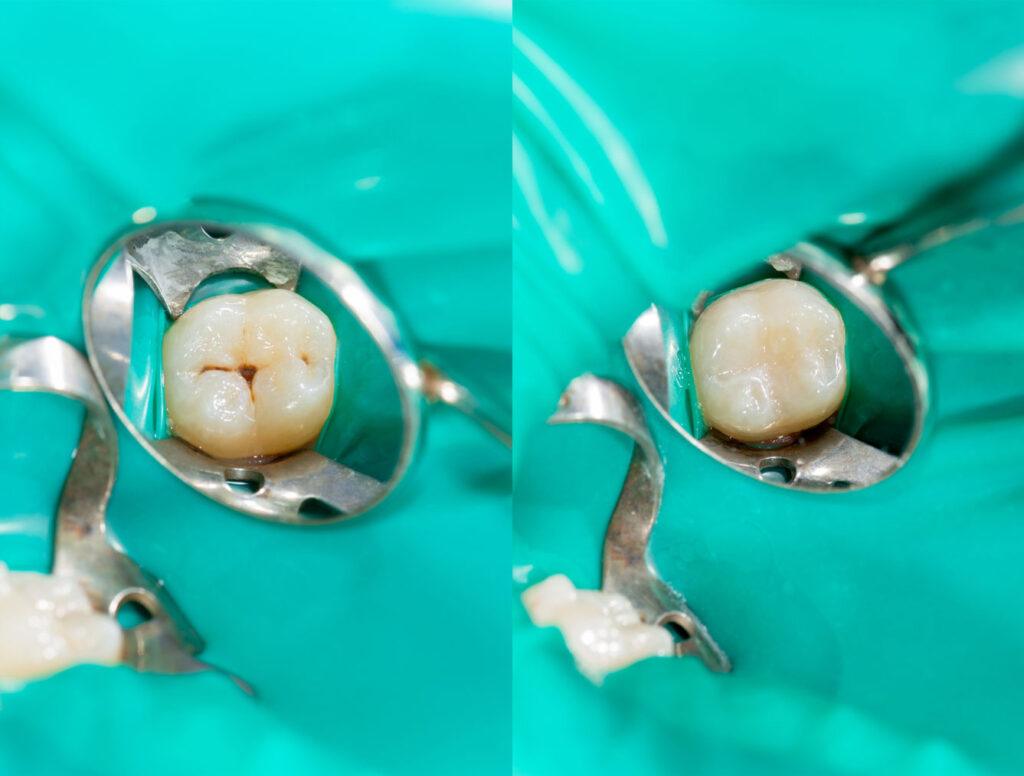
Dentists use dental sealants as thin plastic coatings that protect the chewing surfaces of teeth. They help shield these areas from damage caused by dental decay. Usually, the dentist places these sealants on the biting surfaces of the back teeth.
The main purpose of a dental sealant is to block plaque and food debris so they don’t get trapped in the natural grooves, pits, and depressions of the teeth. Sealants are especially helpful on back teeth (premolars and molars) because:
- These teeth have deeper grooves and depressions
- They do most of the chewing and grinding
- They are harder to clean thoroughly, especially in children
🧩 Dental Sealants Procedure
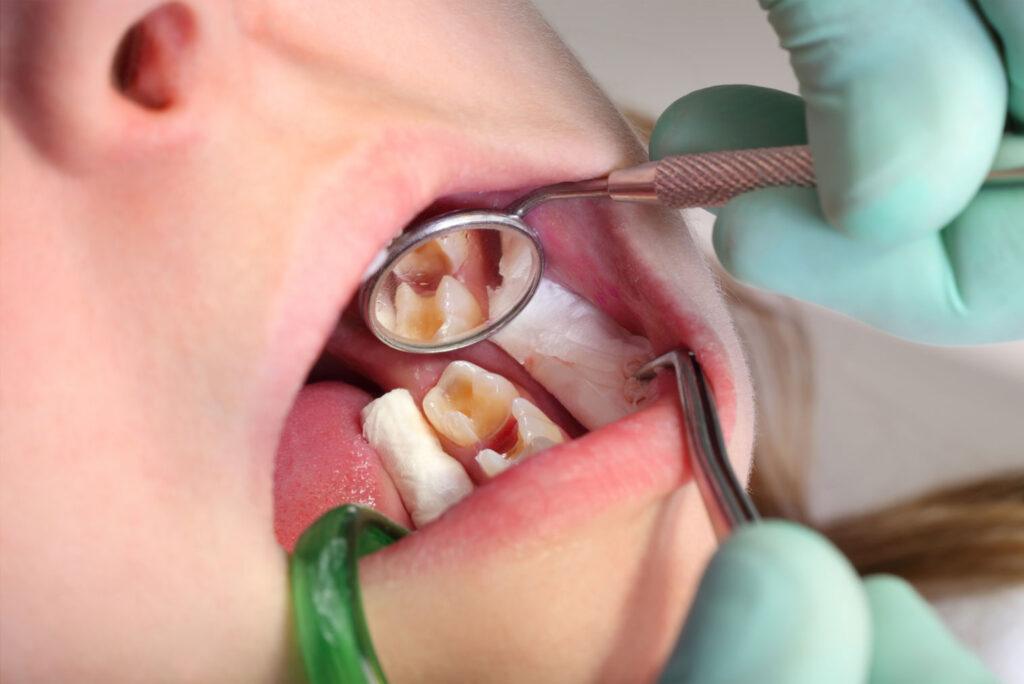
The procedure is simple, quick, and painless:
- Cleaning the teeth
The dentist or hygienist starts by cleaning the teeth to remove food residue and plaque from the chewing surfaces. - Drying the teeth
The dentist dries the teeth and keeps them dry so the sealant material can bond properly. - Etching the surface
The dentist briefly applies an acid solution to the target tooth to gently roughen the enamel. This roughening helps the sealant bond securely to the tooth. - Applying the sealant material
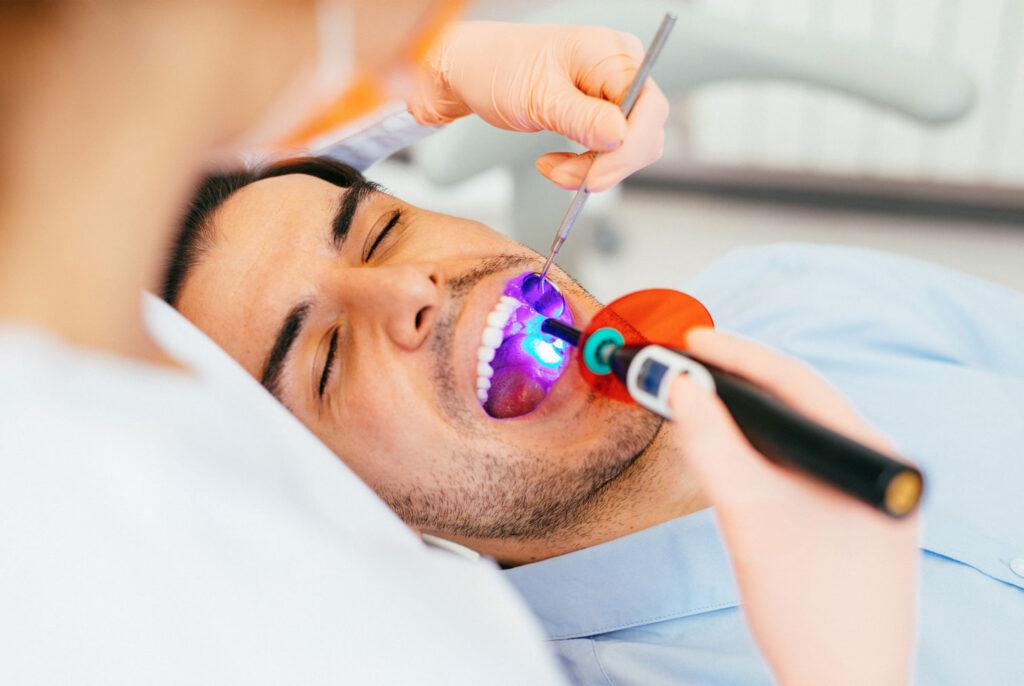
The dentist applies the plastic material as a thin, putty-like coating over the chewing surface. - Curing the sealant
Finally, the dentist uses a special ultraviolet light to harden the material so it forms a durable protective layer.
Once in place, dental sealants create a smooth surface that is easier to clean and less likely to trap food and bacteria.
⚖️ Pros and Cons of Dental Sealants
✅ Pros
- Help fight tooth decay
Act as a barrier, protecting enamel from bacteria, food particles, and acids that cause cavities. - Quick and painless procedure
The application takes only a few minutes per tooth and does not require drilling or numbing. - Improve oral hygiene in hard-to-reach areas
By smoothing over deep grooves, sealants make it easier to clean back teeth effectively. - More affordable than fillings
Preventing cavities with dental sealants is generally less expensive than treating decay with fillings or crowns. - Safe and widely used
Dental sealants have been safely used for many years as part of preventive dental care for children and adults.
⚠️ Cons
- Limited durability
Sealants do not last forever. They can wear down or chip, so your dentist needs to check them during routine visits and may replace them after a few years. - Risk of sealing in existing decay
If a tooth is not examined carefully before treatment, a sealant could go over early decay. In that case, acids and bacteria may stay trapped under the coating and cause more damage. - Not suitable for every tooth
Dental sealants work best on healthy teeth without large fillings or obvious decay. - Cannot go over existing fillings or clearly decayed teeth If a tooth already has a filling or visible decay, your dentist must treat the problem first and may choose another type of restoration instead of a sealant.
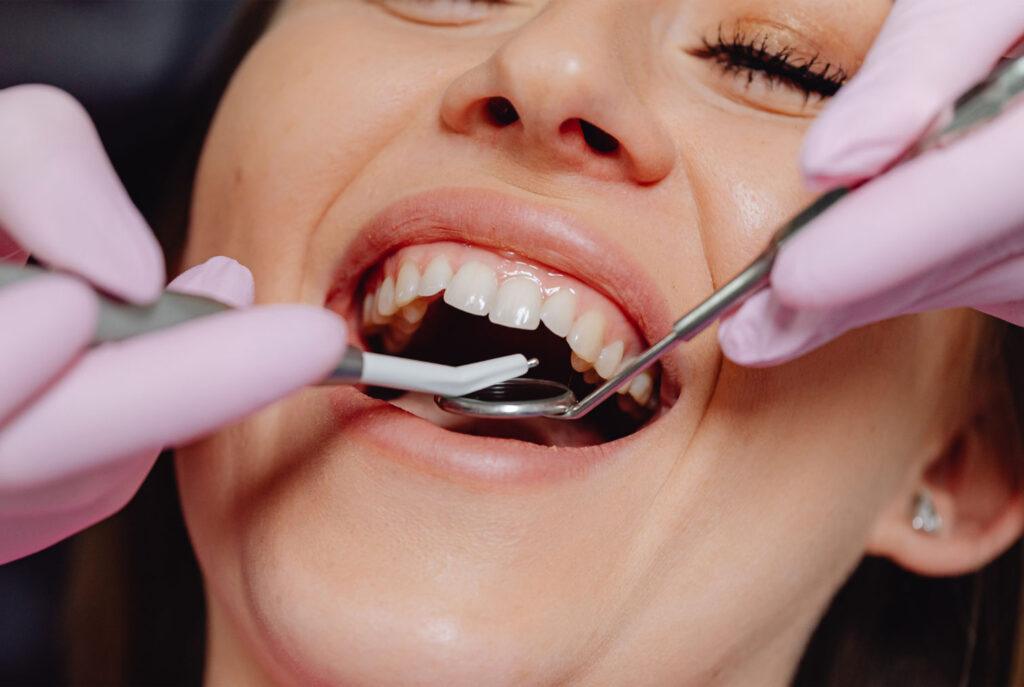
😄 Protecting Smiles with Preventive Dentistry
Dental sealants are a valuable tool in modern dentistry, especially for protecting children’s and teens’ back teeth during their most cavity-prone years. Combined with good brushing, flossing, a balanced diet, and regular checkups, can significantly reduce the risk of tooth decay. At Smiles For Health, we offer preventive dentistry options, Zoom whitening, and other cosmetic dentistry services so you can smile with confidence.