

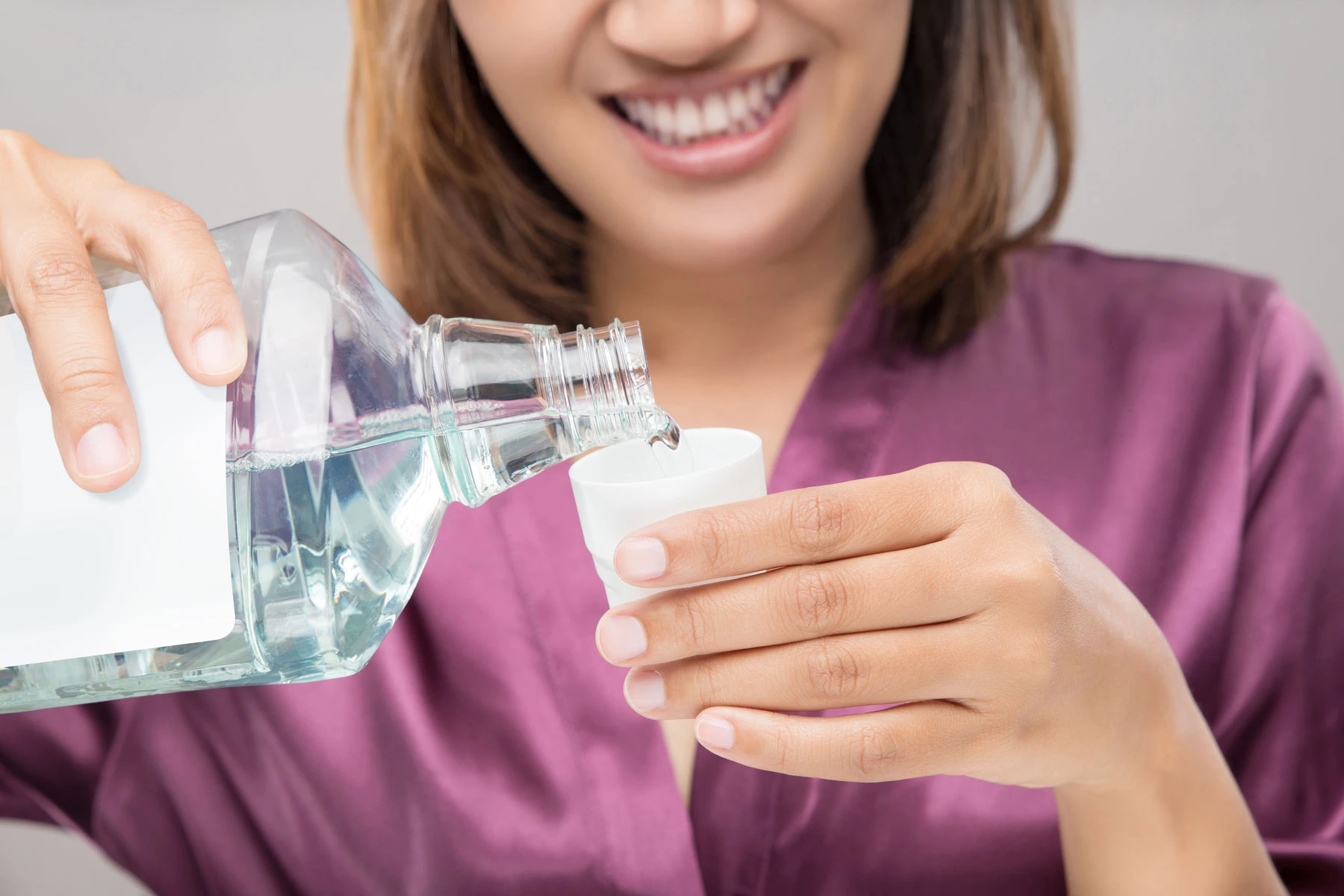
Common Dental Myths: What Really Affects Your Smile
Common dental myths can quietly affect your smile more than you think. Some habits seem harmless, but over time they can damage enamel, irritate gums, and impact your oral health.
A lot of people still believe that brushing harder works better. Others think floss does not matter. Some trust whitening or charcoal toothpaste too much. It is also common to think that dental checkups are optional or that sugar is the only cause of cavities.
The truth is much simpler. Good oral health depends on daily habits, regular checkups, and clear advice. That is why it helps to review what you have been told and let go of myths that no longer help your smile.
🍋🟩 Myth #1: Lemon Water Is Good for Your Teeth
Lemon water may seem healthy, but it is not good for your teeth. It can feel fresh and light, but that does not mean it protects your mouth.
Lemon is highly acidic. When your teeth face that acid too often, the enamel can weaken. Over time, this can lead to sensitivity, dull-looking teeth, and more wear.
You do not need to cut lemon out of your life. But it should not be used as a dental remedy. The risk is higher if you drink it many times a day, sip it for hours, brush right after drinking it, or already have tooth sensitivity.
That is why this myth matters. Enamel does not grow back. A healthy smile depends on steady habits, safe products, and preventive care.

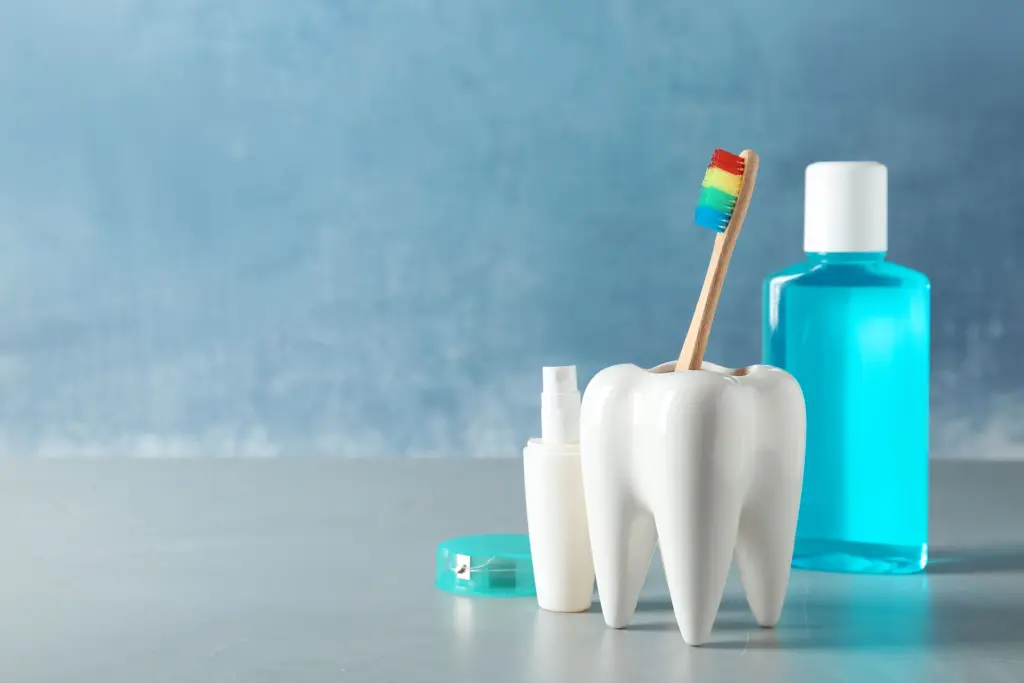
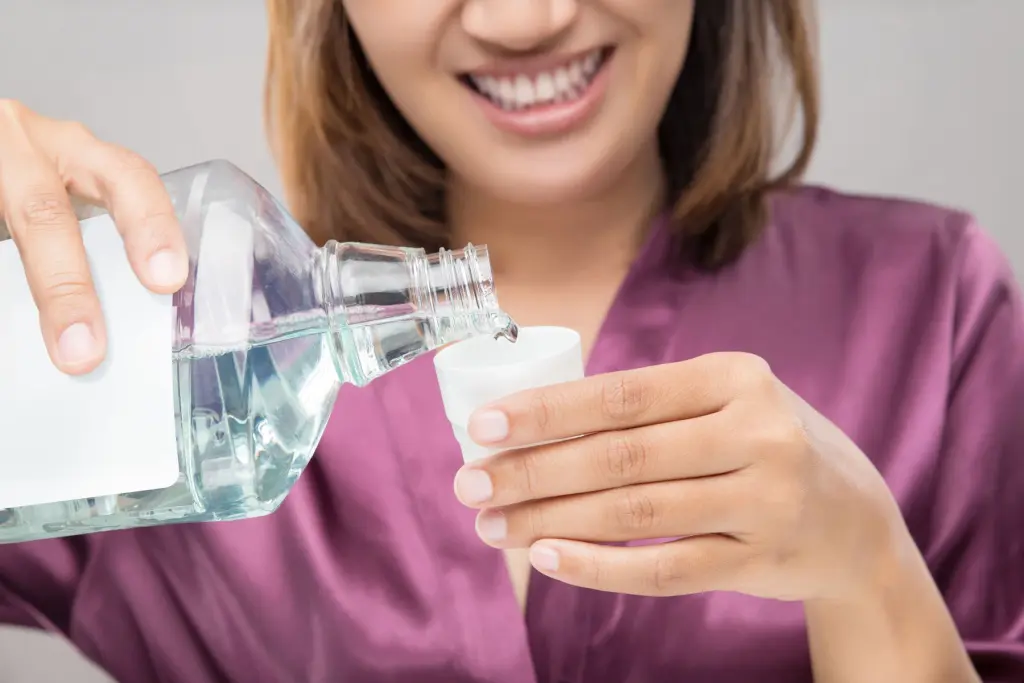
👄Myth #2: Mouthwash Replaces Brushing
Mouthwash can help your routine, but it does not replace brushing or flossing. It may leave your mouth feeling fresh, but it does not remove plaque the way brushing and flossing do.
This matters even more when gum problems are starting. Plaque near the gumline does not go away with mouthwash alone. That buildup can lead to swelling, bleeding, and discomfort.
A complete routine works best. Brush well. Floss every day. Keep regular dental visits. And do not rely on mouthwash as your only line of defense.
At Smiles For Health, we know these topics can feel awkward. But you do not have to ignore them. A complete routine still depends on brushing, flossing, and regular checkups.
😶Myth #3: Flossing Isn’t Necessary
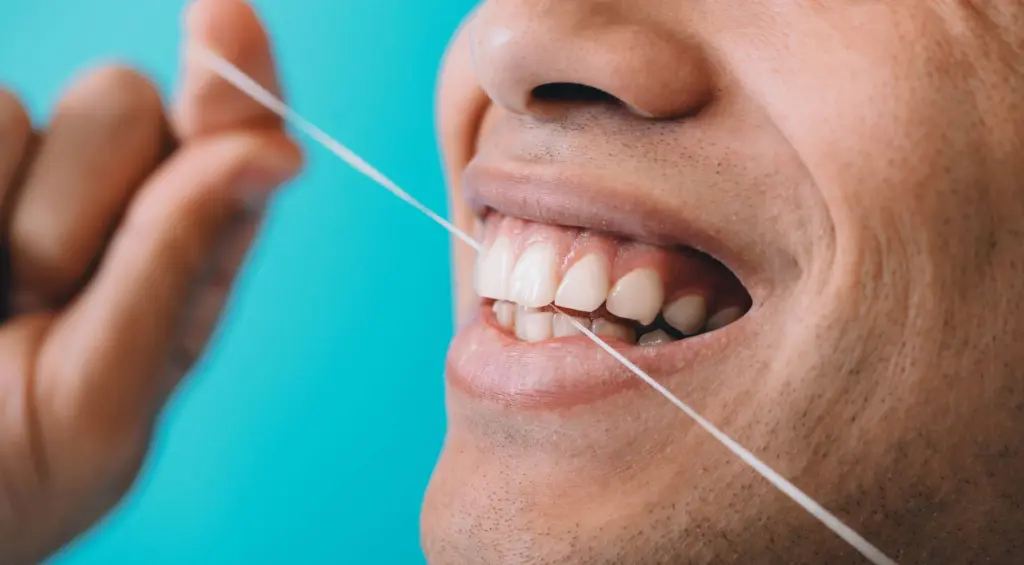
Many people still believe flossing is optional. Flossing still matters because a toothbrush cannot fully clean the tight spaces between teeth.
That is where food, plaque, and bacteria often stay behind. When they build up, they can lead to cavities, gum inflammation, and bad breath.
Flossing does not need to be complicated. It just needs to be consistent. A few seconds each day can make a big difference for your gums and your long-term oral health.
If your gums bleed when you floss, do not assume floss is the problem. In many cases, it is a sign that your gums need more attention, not less.
Learn How to Floss properly
🩸Myth #4: If Your Gums Don’t Hurt, They’re Healthy
This is one of the most misleading common dental myths. Gum disease does not always hurt in its early stages. That is why many people think everything is fine when there is already inflammation or plaque below the gumline.
Waiting for pain can make the problem get worse. Pay attention to signs like:
- Swollen or tender gums
- Bleeding when Brushing or flossing
- Persistent bad breath
- Receding gums
- Sensitive or loose teeth
- Pain when chewing
Healthy gums do not always stay quiet when something is wrong. Small signs still matter.
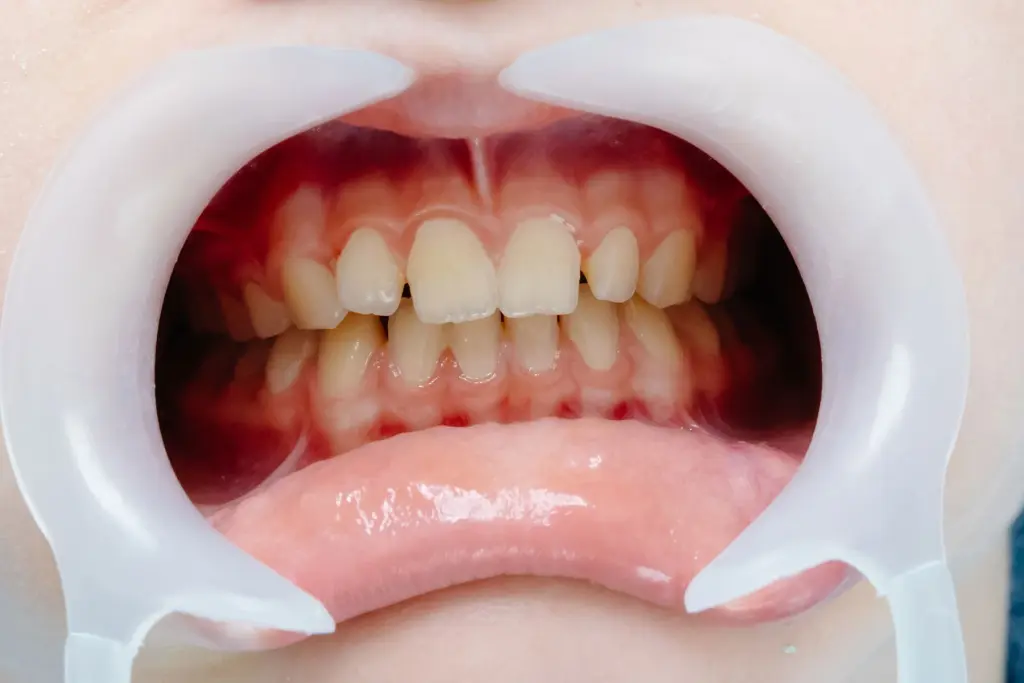
😮💨Common Dental Myths #5: Bad Breath Always Comes from the Stomach
In many cases, bad breath starts in the mouth, not the stomach. Plaque buildup, gum disease, tooth decay, and dry mouth can all lead to bad breath. Smoking, certain foods, and some health conditions, like reflux, can also play a role.
If bad breath keeps coming back, do not assume it is only a stomach issue. Start by checking your oral health. Your mouth may be giving you an early warning sign.

✨ Myth #6: Whitening Toothpaste Works Like Professional Whitening
Whitening toothpaste and professional whitening do not deliver the same results. Whitening toothpaste can help lift surface stains and professional whitening can create deeper and more visible results.
That is why many people feel disappointed when they expect toothpaste to work like an in-office treatment. The difference is not only strength. It is also speed and how much the color can change.
If you want a brighter smile, it helps to know what each option can really do. Clear expectations make better choices.
If you are looking for guidance on how to brighten your smile, Smiles For Health can help you build a plan that feels clear, safe, and right for you.
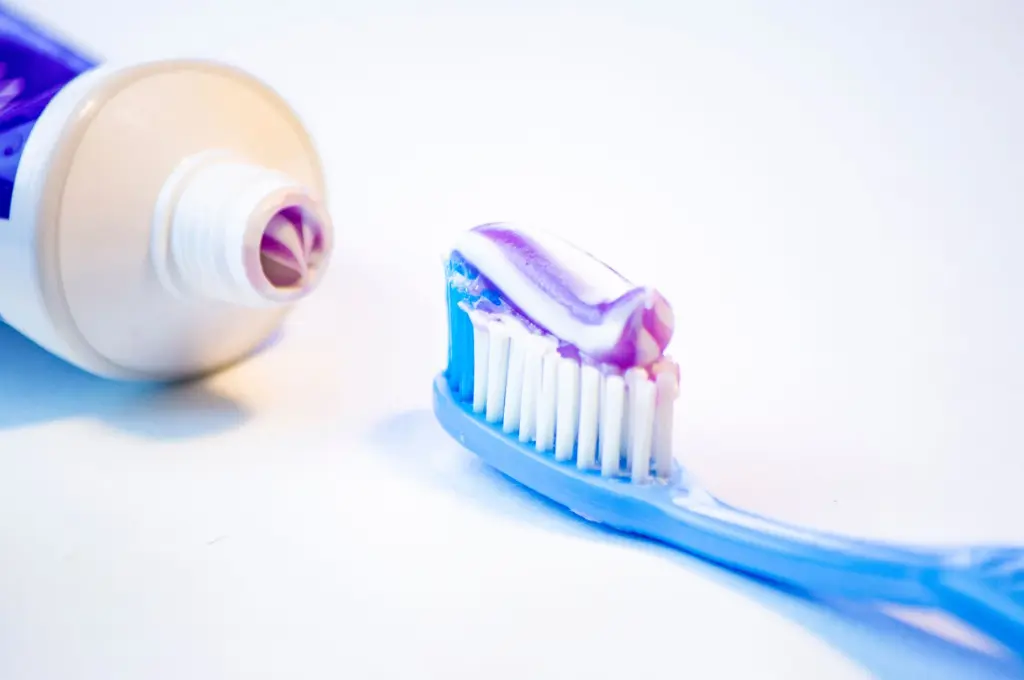
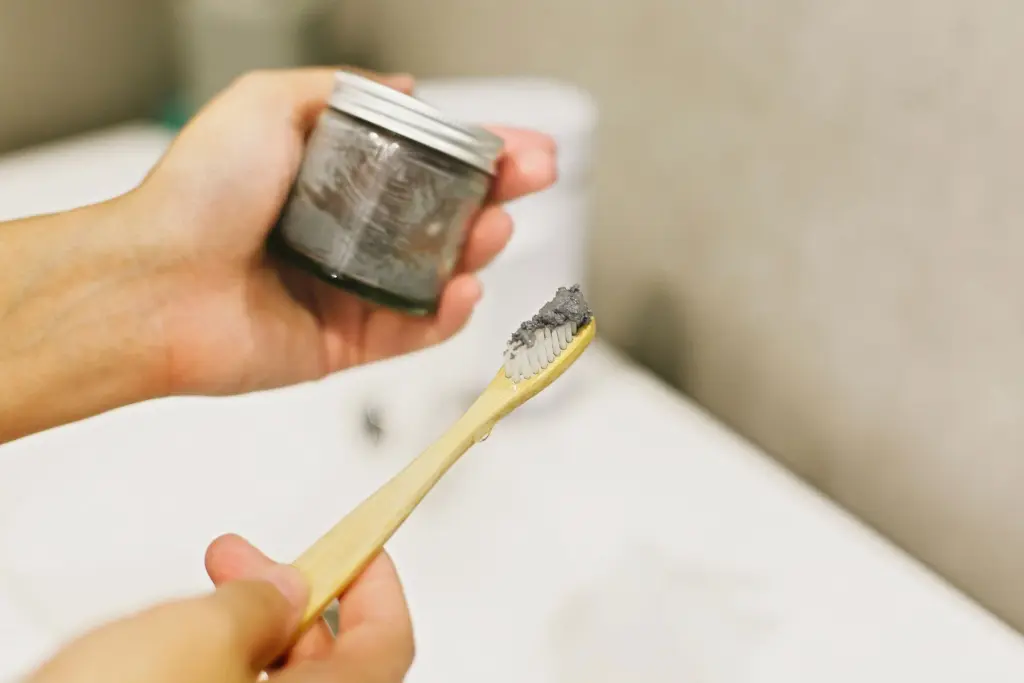
🖤 Myth #7: Charcoal Toothpaste Is Safe Because It’s Natural
Charcoal toothpaste became popular very fast. But popular does not always mean safe.
Many charcoal toothpastes are too abrasive for frequent use. Over time, they can wear down enamel and make teeth more sensitive. Some also do not contain fluoride, which means they do less to help prevent cavities.
So even if charcoal looks like a trendy solution, it may not be the right choice for your daily routine. If you already have enamel wear, sensitivity, or delicate gums, it may do more harm than good.
📍 Why Dental Myths Persist — And When to Ask a Dentist in Carlsbad
Want to understand what really affects your smile? Start here. They get repeated by friends, family, trends, and social media. But simple advice is not always safe advice.
If you are dealing with bleeding gums, sensitivity, bad breath, or dental anxiety, the best next step is a timely evaluation. What seems small today may be easier to treat now than later.
At Smiles For Health, we believe prevention is always better than regret. The sooner you check in on your smile, the easier it is to protect it with better habits and the right support.
Frequently Asked Questions
What are the most common dental myths that affect oral care choices?
The most common myths include thinking that no pain means no problem, brushing harder cleans better, and that mouthwash can replace brushing and flossing.
Is rinsing with water after brushing bad for your teeth?
Rinsing right away can wash away fluoride too soon. Spitting and waiting a bit helps your toothpaste work better.
Can sugar-free gum replace brushing and flossing?
No. Sugar-free gum can help stimulate saliva, but it does not remove plaque like brushing and flossing do.
Are electric toothbrushes better than manual ones for plaque removal?
Electric toothbrushes can help remove more plaque, but technique and consistency matter more than the type of brush.
Does bad breath always mean poor oral hygiene?
Not always. Bad breath can also be linked to dry mouth, certain foods, smoking, or other health conditions.
What are the recommended steps for daily preventive dental care at home?
Brush twice a day with fluoride toothpaste, clean between your teeth daily, limit sugary foods and drinks, and keep up with regular dental visits.
Can professional dental cleanings help maintain overall health beyond oral care?
Yes. Professional cleanings support gum health and also relate to the connection between oral health and overall health.
Does whitening toothpaste really work?
Whitening toothpaste can help remove surface stains, but it does not change the internal color of the tooth or replace professional whitening.