Oral Health After 40: Why Your Routine Should Change
Oral health after 40 often needs a different kind of attention. As your body changes, your smile does too—and your routine should evolve with it.
After 40, many people—especially women—start becoming more intentional about their energy, sleep, nutrition, and overall well-being.
But their smile often stays on the same routine it has had for years. That is where the disconnect begins.
After your smile after 40 changes. Your mouth does too. Gums may become more sensitive. Dry mouth can start showing up more often. Some people notice new tooth sensitivity or small changes that were never there before.
It does not always mean something is seriously wrong. But it does mean your routine should no longer be on autopilot. It should be more thoughtful and more responsive to what your body needs now.
🦷 Hormonal Changes and Oral Health After 40
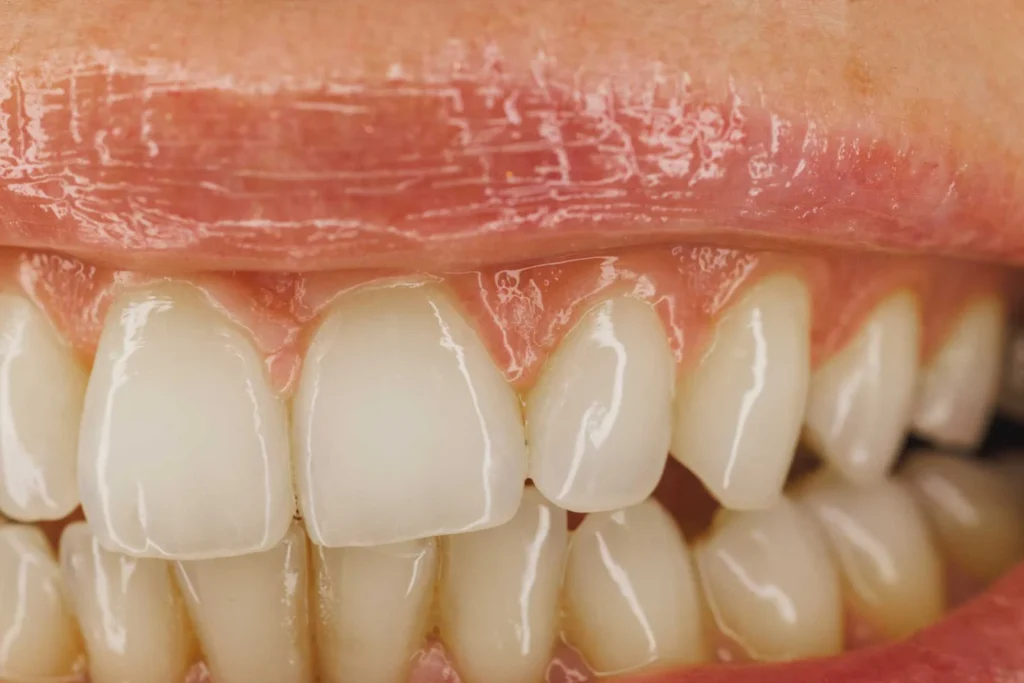
One of the biggest reasons this stage matters is hormonal change. During perimenopause and menopause, many women begin to notice subtle shifts in their oral health.
For some, it is a dry mouth. For others, it is gum sensitivity, inflammation, or a different feeling in the mouth that is hard to explain at first.
The challenge is that these changes do not always feel urgent. They may not cause pain right away. They may not interrupt your daily routine.
But they can still affect how comfortable your mouth feels and how well your smile responds to your usual habits.
That is why doing exactly what worked at 25 may not be enough anymore. Your smile does not necessarily need more effort. It needs smarter care.
Small changes like dry mouth or gum sensitivity may not feel urgent, but they are often early signs your routine needs to adapt.
🔍 Signs Your Dental Routine May Need an Update
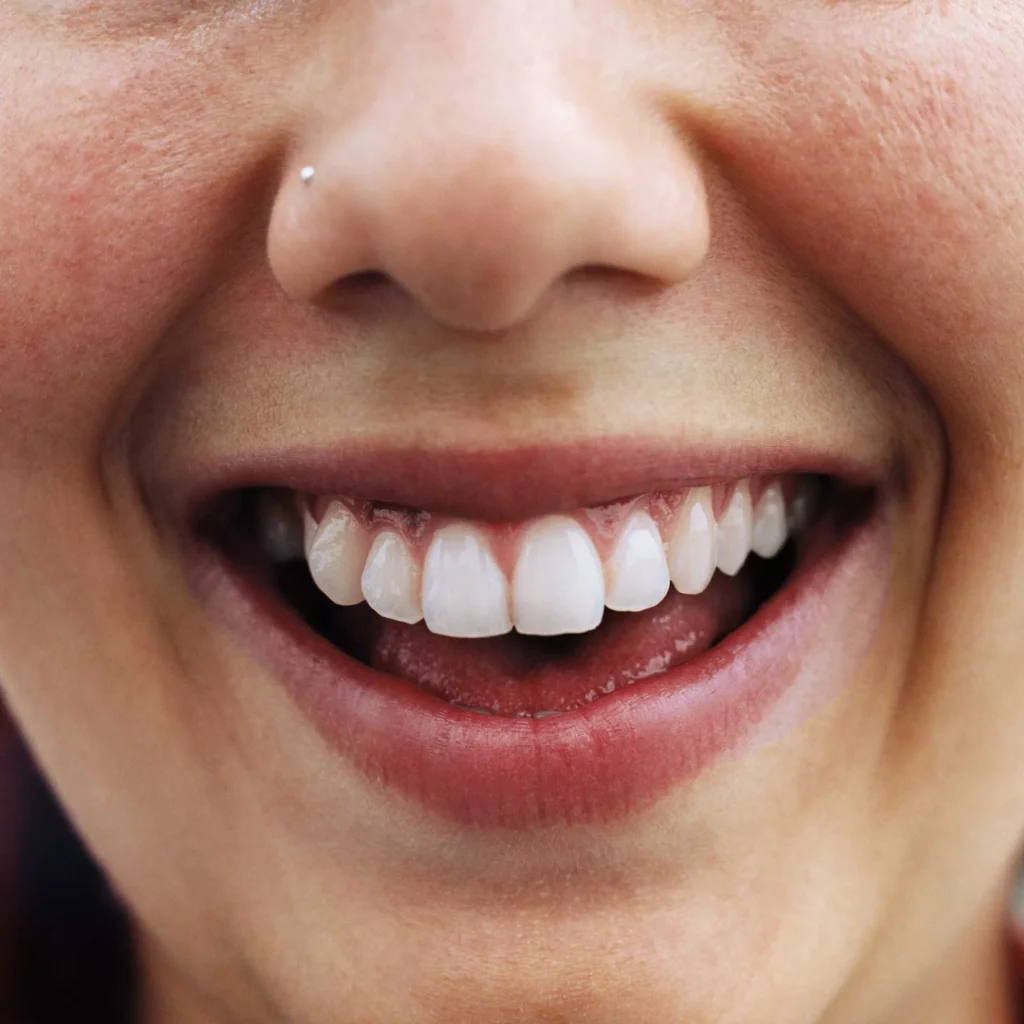
There are a few signs worth paying attention to. Your routine may need an update if you notice:
Dry mouth more often than usual.
Gums that bleed occasionally
New sensitivity to cold drinks or sweet foods
Teeth that feel weaker or more vulnerable
Small changes that were not there before
A lot of people assume that if nothing hurts, nothing is wrong. But with oral health, many important changes begin quietly. Waiting until discomfort becomes obvious is not always the best approach.
Another common myth is that brushing harder means brushing better. In reality, an aggressive routine can irritate the gums and wear down tooth surfaces over time. Sometimes the best change is not doing more. It is doing things with more care.

✨ How to Care for Oral Health After 40
In this stage, it is less about doing more and more about doing things with intention. A simple approach to protecting dental care in this stage of life includes:
- Gentle brushing twice a day.
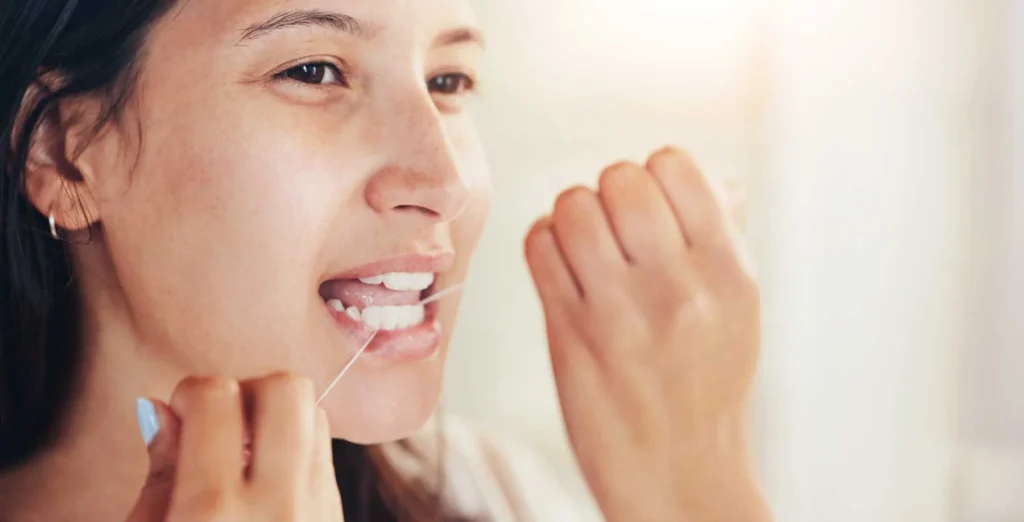
- Daily flossing.
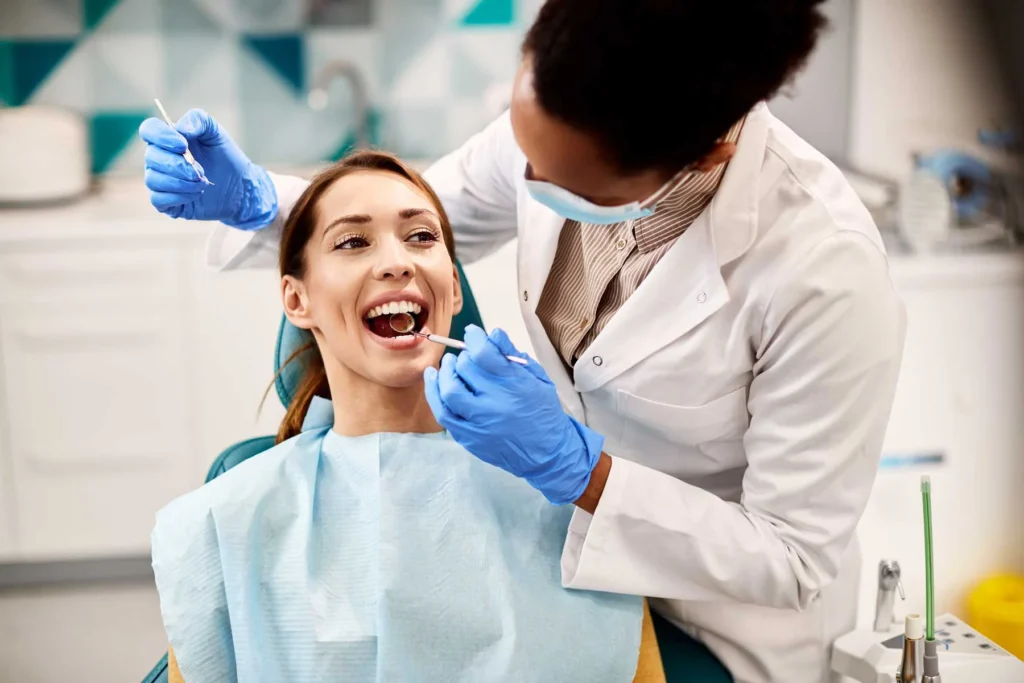
- Regular dental checkups.
- Paying attention to dry mouth, sensitivity, or gum inflammation.
- Staying hydrated and managing habits like teeth grinding.
It also helps to look at the bigger picture. Hydration matters. Stress matters. Teeth grinding can also have more impact than many people realize. All of these factors can influence how well your smile stays protected in this stage of life.
Changes in your oral health over time is not just about appearance. It is about comfort, prevention, and feeling like your care routine truly fits the season of life you are in.
💙 Your Smile Deserves an Updated Approach
Many people think of wellness and dental care as two separate things. But they are deeply connected. Feeling well also means being able to smile comfortably, eat without discomfort, and trust that your mouth feels balanced and supported.
That is why this stage is a good time to let go of the idea that “this has always worked for me.” What worked before may not be what supports you best now.
Listening to your body should also include listening to your smile.
📅 When to Schedule a Dental Visit
If you have noticed changes in your gums, new sensitivity, or more dryness than usual, this may be the right time to reassess your routine. At Smiles for Health, we take a preventive, personalized approach designed to support you with warmth and clarity.
Your oral health after 40 deserves attention, comfort, and a care plan that feels aligned with your life today.
Frequently Asked Questions
How to prevent gum recession after age 40?
Gum recession can be prevented with gentle brushing, daily flossing, and consistent dental checkups.
Symptoms of periodontal disease in middle-aged adults?
Bleeding gums, swelling, bad breath, and gum tenderness are common early signs. Over time, teeth may also feel more sensitive or loose.
How to maintain gum health after 40 with daily oral care products?
A simple routine includes a soft-bristled toothbrush, fluoride toothpaste, daily flossing, and a mouthwash suited to your needs.
What are effective solutions for dry mouth caused by medication?
Staying hydrated, using alcohol-free products, and supporting saliva with specific rinses can help manage dry mouth.
What causes increased tooth sensitivity after age 40?
After 40, sensitivity is often linked to gum recession, enamel wear, or teeth grinding, or exposed root surfaces. The cause is not always obvious at home, so a professional exam can help you understand what is really behind it.
Are professional teeth whitening services safe for older enamel?
Professional whitening can be safe after 40, depending on the condition of your enamel and gums.
How can I maintain oral hygiene with dental implants?
Keeping implants healthy involves gentle brushing, proper cleaning around the area, and regular dental visits.
How to book an oral health screening for adults over 40 near me?
You can start by scheduling a preventive exam and cleaning to evaluate your oral health and any changes after 40.