




Is your jaw sore when you wake up in the morning, or do you experience a dull headache? You might wonder what caused it. Maybe you feel dehydrated. Maybe you bit down too hard on crunchy food. Or maybe you slept in a strange position. However, another common reason is nighttime grinding or clenching. If you’re searching teeth grinding Carlsbad, you’re not alone. Many people grind or clench their teeth during sleep (also called bruxism). And because most episodes aren’t loud, many people don’t realize it’s happening.
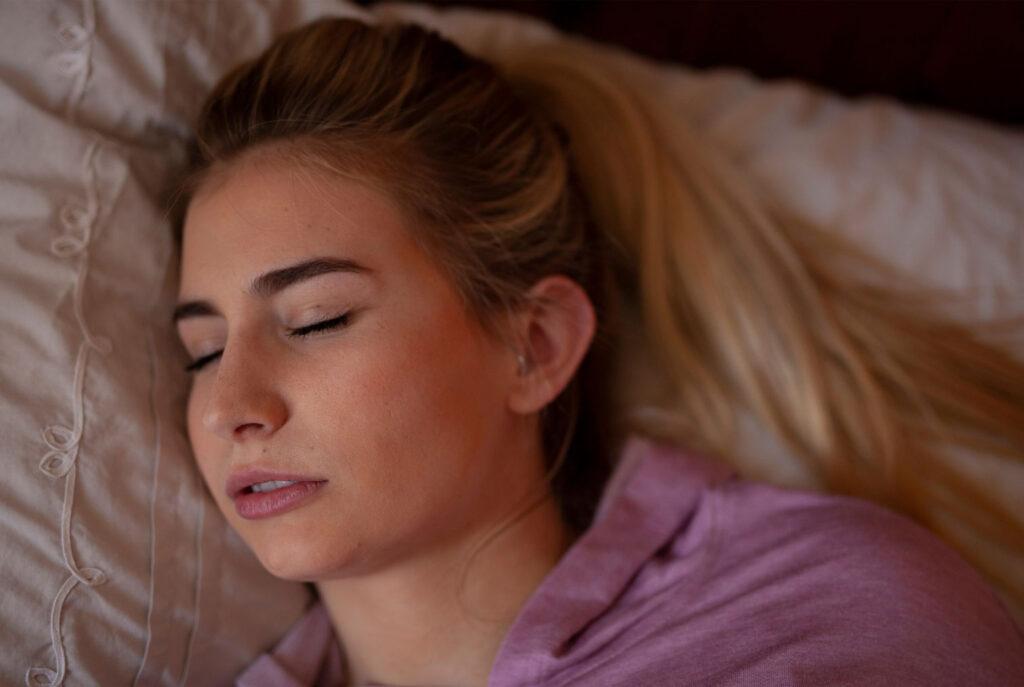
😴 Teeth Grinding Carlsbad: Why it Can Be Hard to Notice
In fact, research suggests that about 80% of bruxism episodes are not accompanied by noise, so many people stay unaware until a dental exam points it out.
Often, a person realizes they grind after noticing symptoms and discussing them with a dentist. If you think you’re grinding or clenching at night, here are common signs and a few reasons why it can happen.
🔎 Recognizing the Signs of Teeth Grinding and Clenching (Bruxism)
The signs of grinding or clenching can mimic other conditions. That’s why it’s smart to see a dentist if you suspect it.
Common symptoms include:
- Headaches (or neck aches). The pain often feels dull and may sit near the temples.
- Changes in the appearance of the teeth. Grinding can wear down enamel and make teeth look flatter. It can also chip teeth. Depending on damage, you may need a crown or repair.
- Teeth that feel loose. Excess pressure can make teeth feel mobile. Grinding can also loosen fillings. You may notice tooth movement.
- A sore jaw. If you clench jaw muscles while you grind, you may wake up with tightness, soreness, or limited opening.
- No obvious symptoms. Sometimes the only clue is wear that a dentist notices during an exam.
Now that you know what to look for, let’s review common reasons for bruxism.

🧠 Reason 1: You’re Stressed Out
When your body feels stressed, you often feel tense. In some people, that tension shows up as grinding or clenching during sleep. In other words, your muscles don’t fully “switch off,” even at night.
It’s not only stress itself. It’s also how you cope with it. If daily pressure affects your sleep, talk to your dentist or medical professional about ways to reduce stress. For example, deep breathing, relaxation exercises, and meditation may help you unwind before bed.
🦷 Reason 2: Your Teeth aren’t Properly Aligned
Sometimes the cause has less to do with your mind and more to do with your bite. If your teeth are misaligned or your bite feels uneven, grinding may happen more often during sleep.
🌙 Reason 3: You have a Sleep Disorder (Like Sleep Apnea)
Studies show a connection between sleep disorders—especially obstructive sleep apnea—and sleep bruxism. Sleep apnea causes repeated breathing interruptions during sleep. Common signs include loud snoring and gasping for air.
In many cases, people who have sleep apnea and grind their teeth notice improvement when they treat the sleep apnea. Sleep bruxism also commonly co-occurs with OSA in clinical studies.

✅So What Do You Do If You Grind or Clench Your Teeth at Night?
IIf you think you’ve been grinding or clenching, schedule an appointment with your Smiles for Health dentist. We’ll look at your symptoms, your bite, and possible triggers. Then we’ll recommend the best next step based on the underlying cause.
🛡️ Teeth Grinding Carlsbad Treatment: A Custom Night Guard
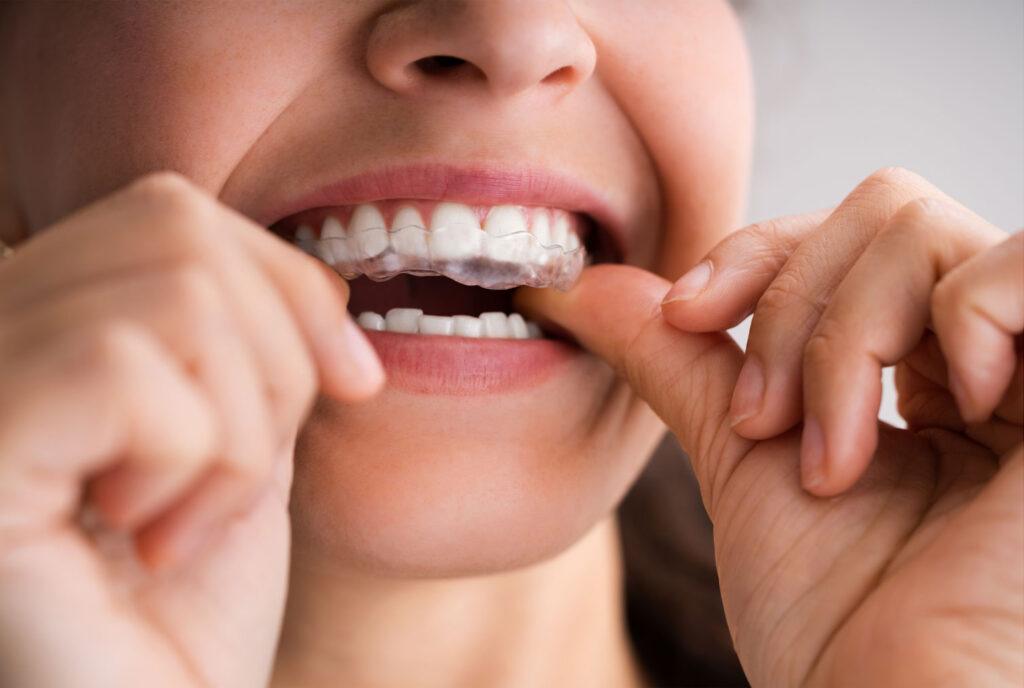
A common treatment for bruxism is wearing a night guard while you sleep. A custom-fit night guard creates a protective barrier, reduces pressure on your teeth, and can help your jaw relax overnight. The ADA also highlights nightguards as a way to relieve pressure from grinding and clenching.
🌿 Self-care Steps that May Reduce Bruxism
In some cases, self-care and preventive measures can make you less likely to grind. Your dentist might recommend:
- Cut back on caffeine, tobacco, or alcohol. A review found a positive association between sleep bruxism and alcohol, caffeine, and tobacco (based on limited evidence).
- Practice jaw relaxation exercises. Open your mouth as wide as you can without straining. Lift your tongue and touch it to the back of the top front teeth. You may feel your jaw muscles relax.
- Avoid chewing on non-food objects. Chewing gum, pens, or toothpicks can build tension and make clenching more likely.
Taking care of your mouth doesn’t only mean cleaning teeth and gums. It also means addressing problems that cause ongoing discomfort—like grinding.

📍 Next steps in Carlsbad
Come in so we can assess your symptoms and help you get ahead of grinding and clenching. If you’re dealing with teeth grinding Carlsbad, ask us about a custom night guard and screening for related issues like sleep apnea or TMJ discomfort.


0 Comments